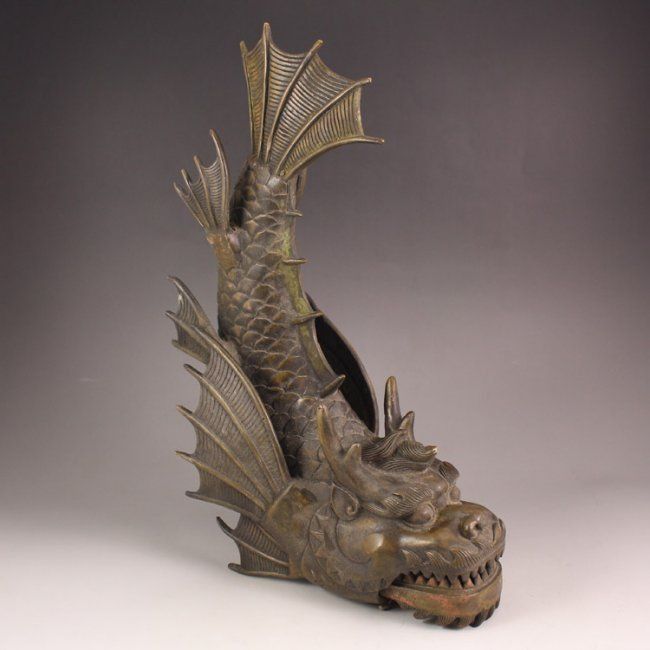
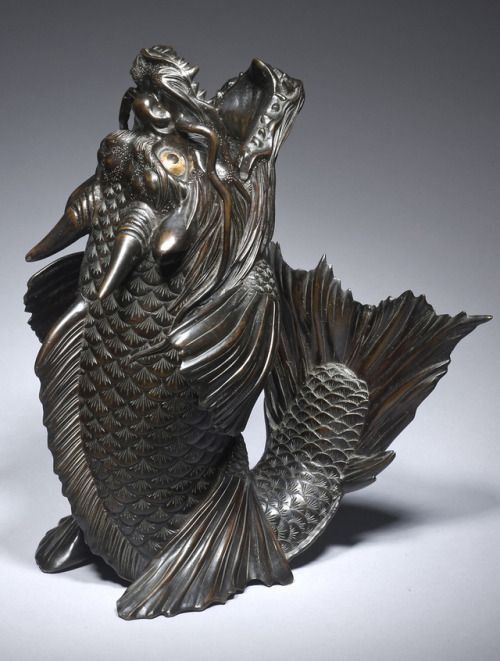
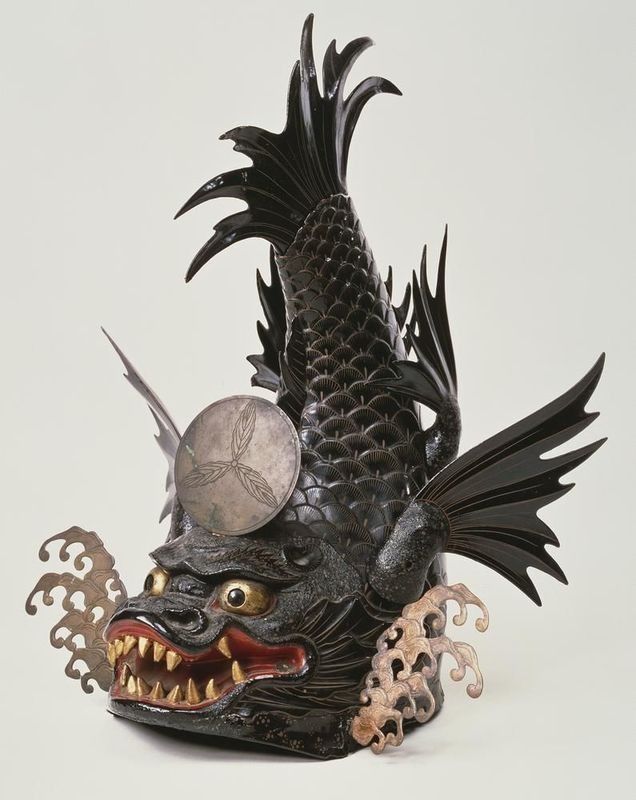
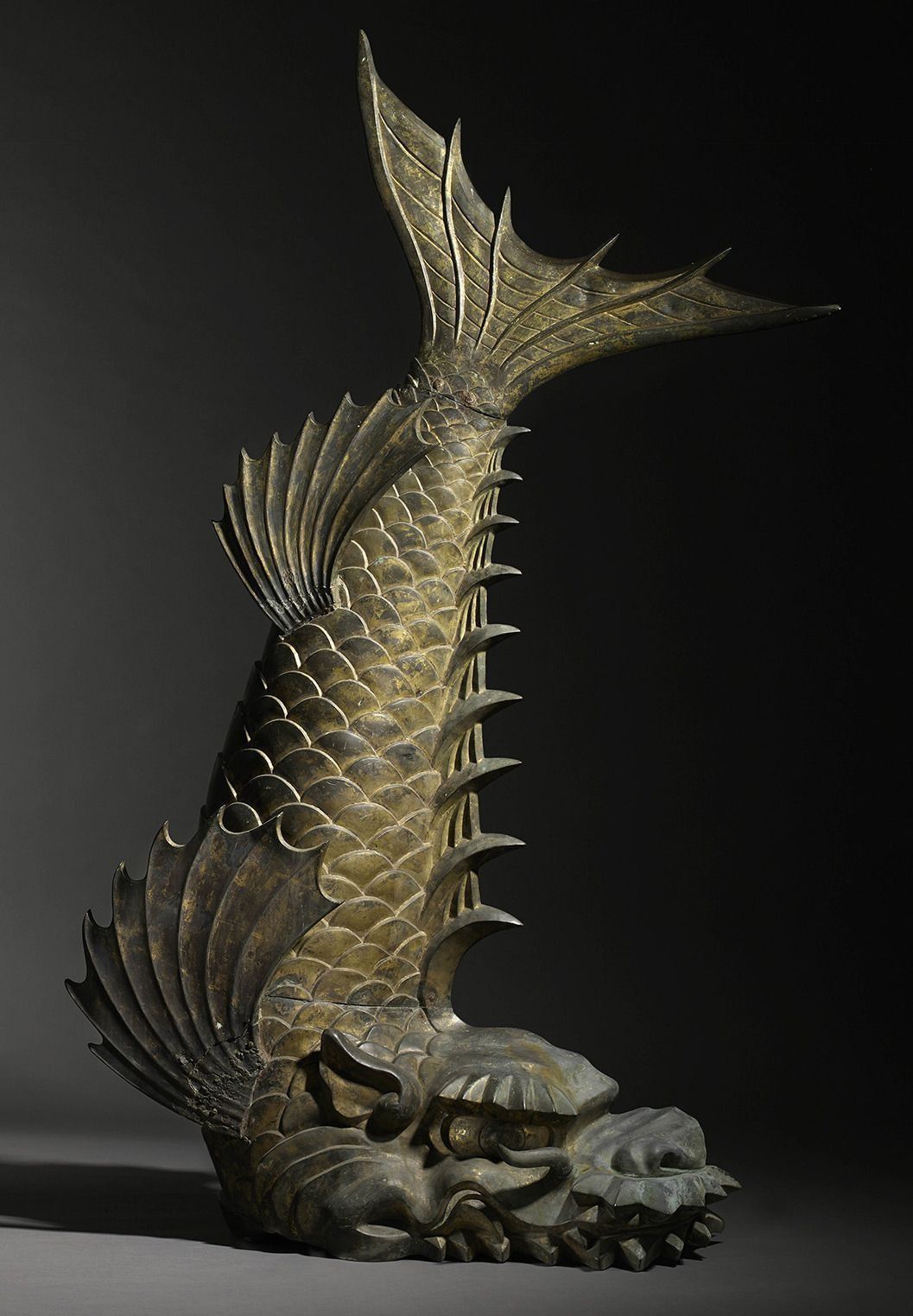
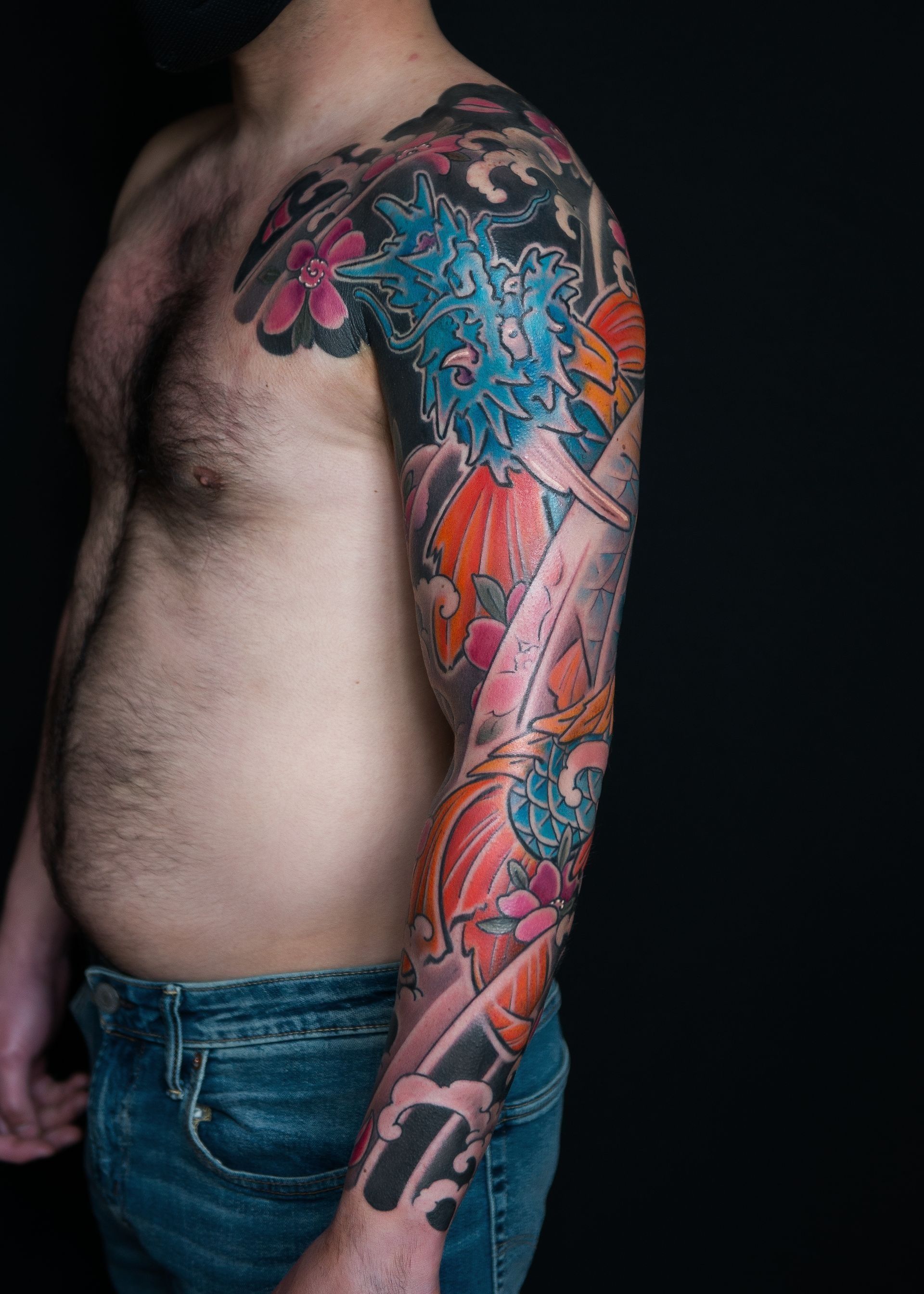
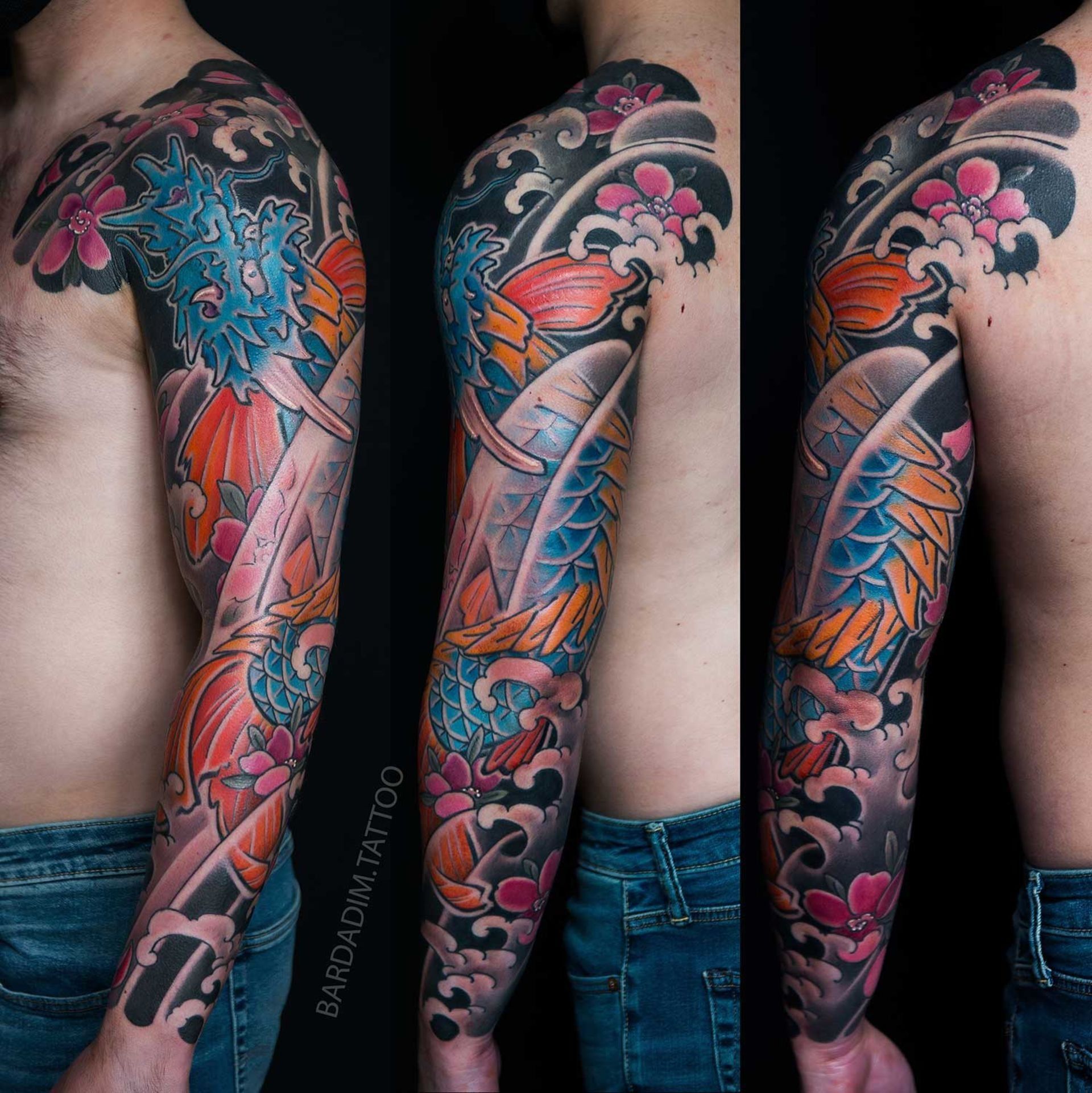
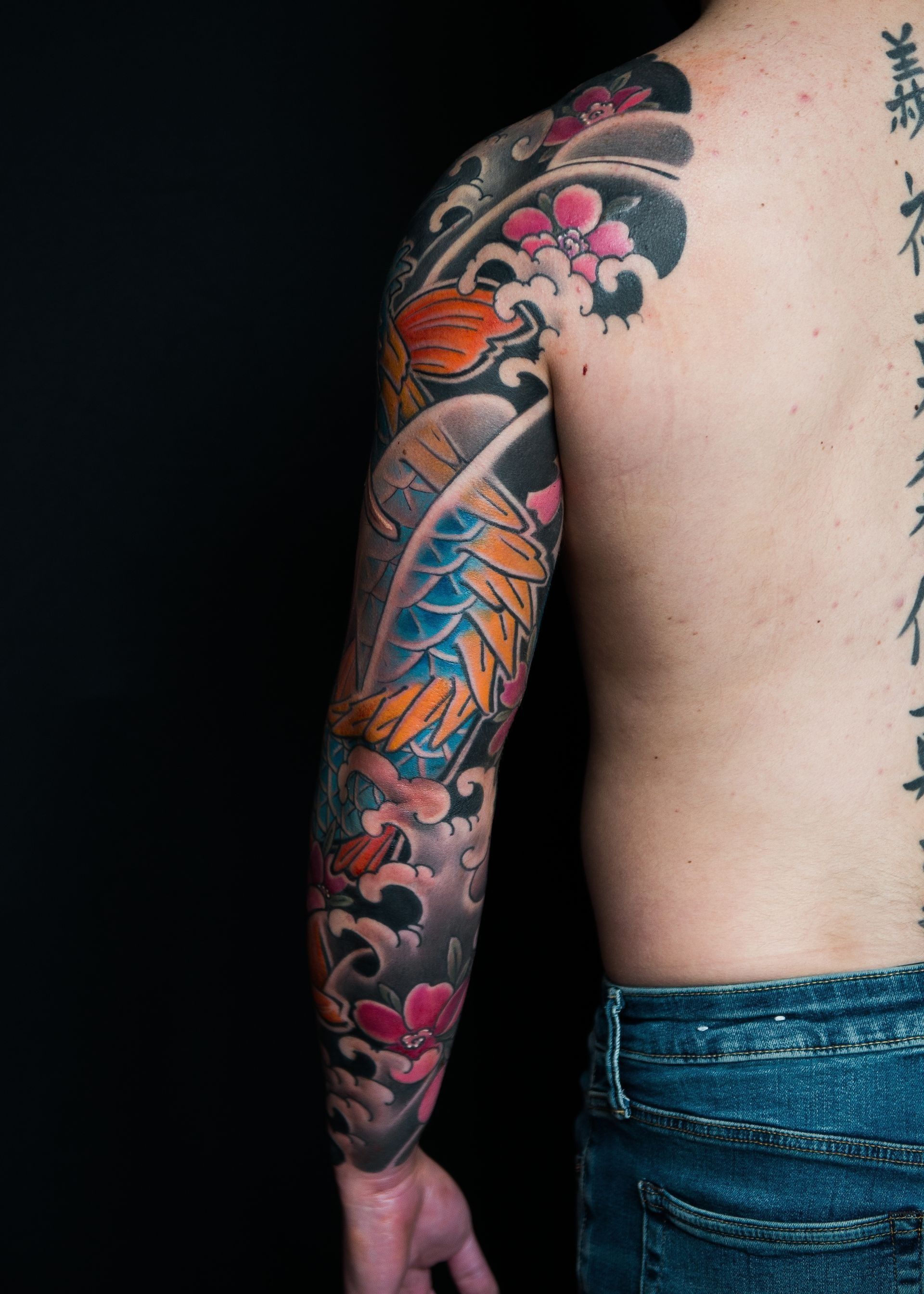
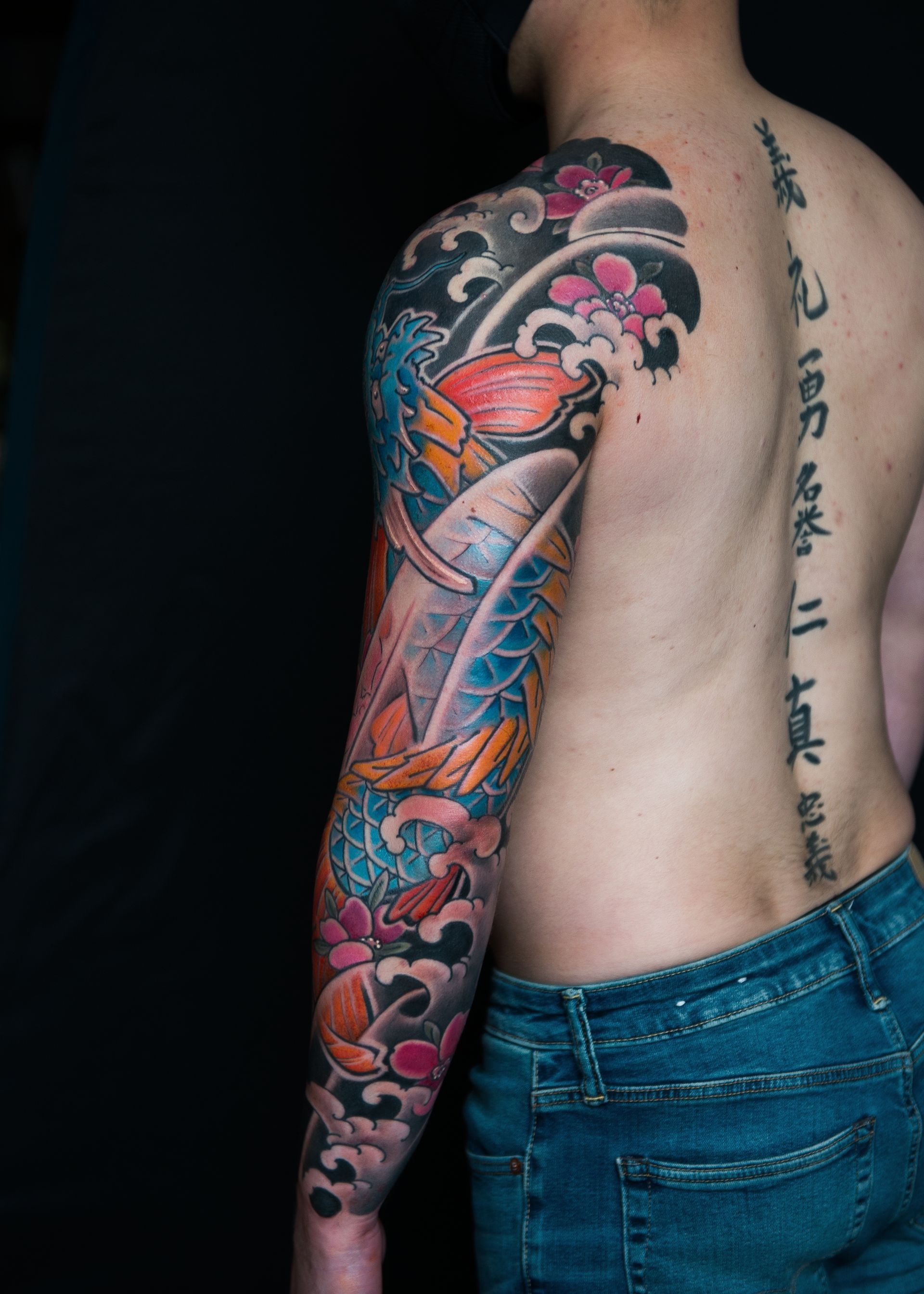
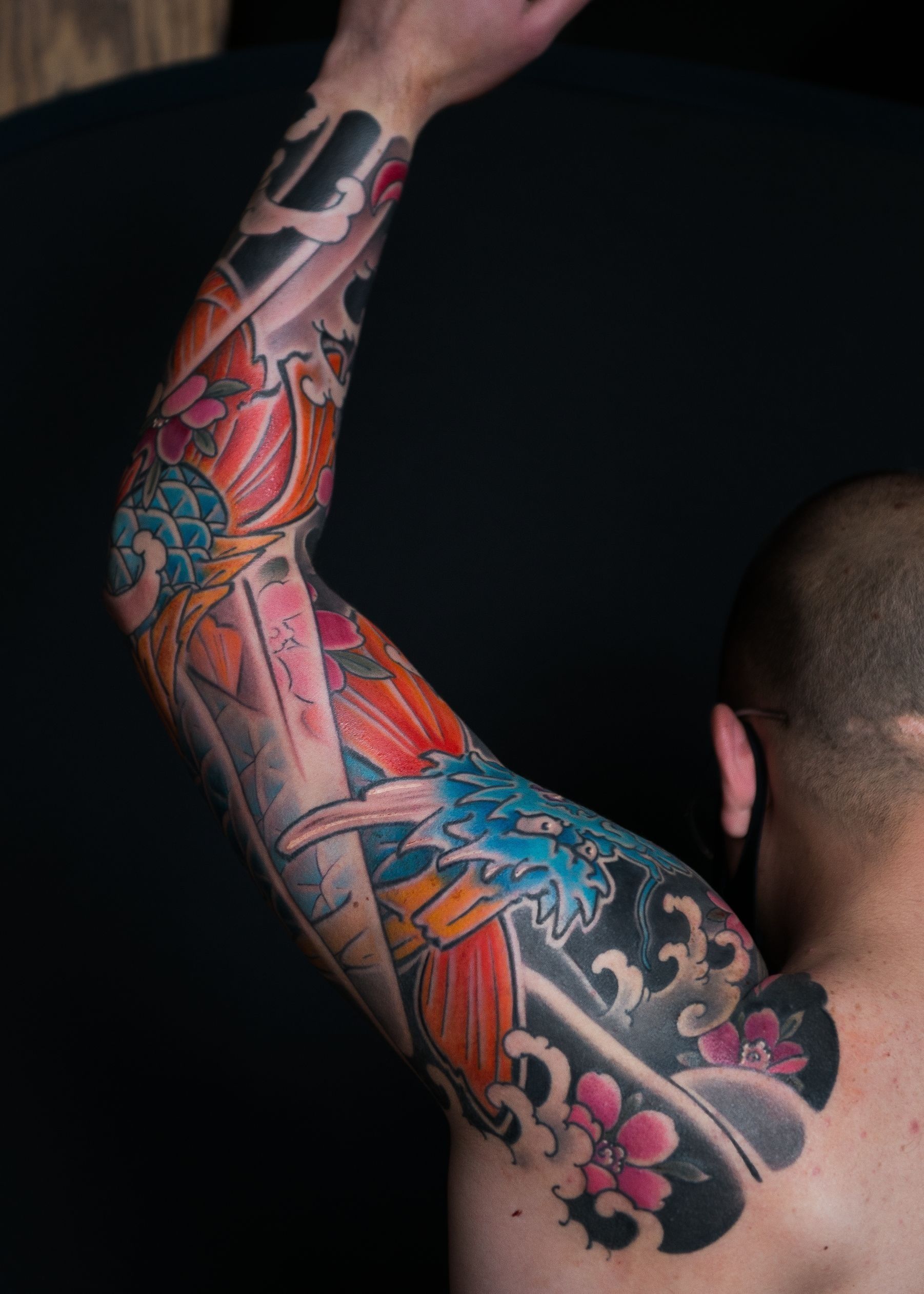
Koi-Dragon. Mystical Creature of Japanese Art.

George Bardadim • 14 July 2024

Ryuugyo.

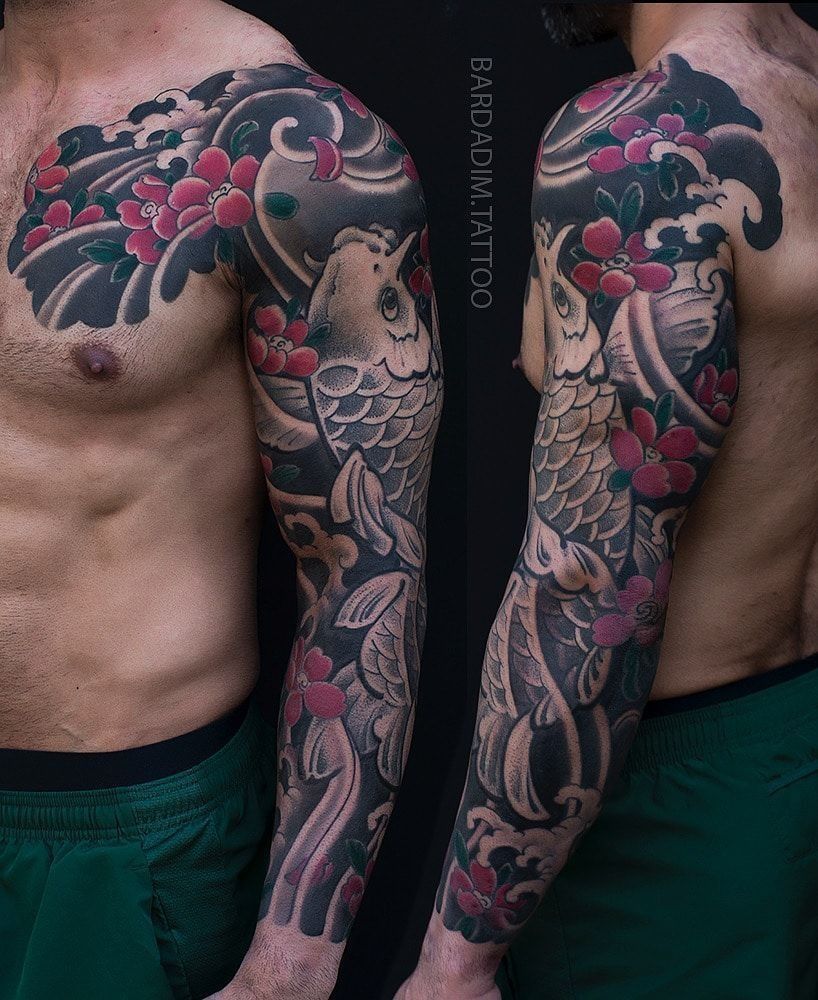
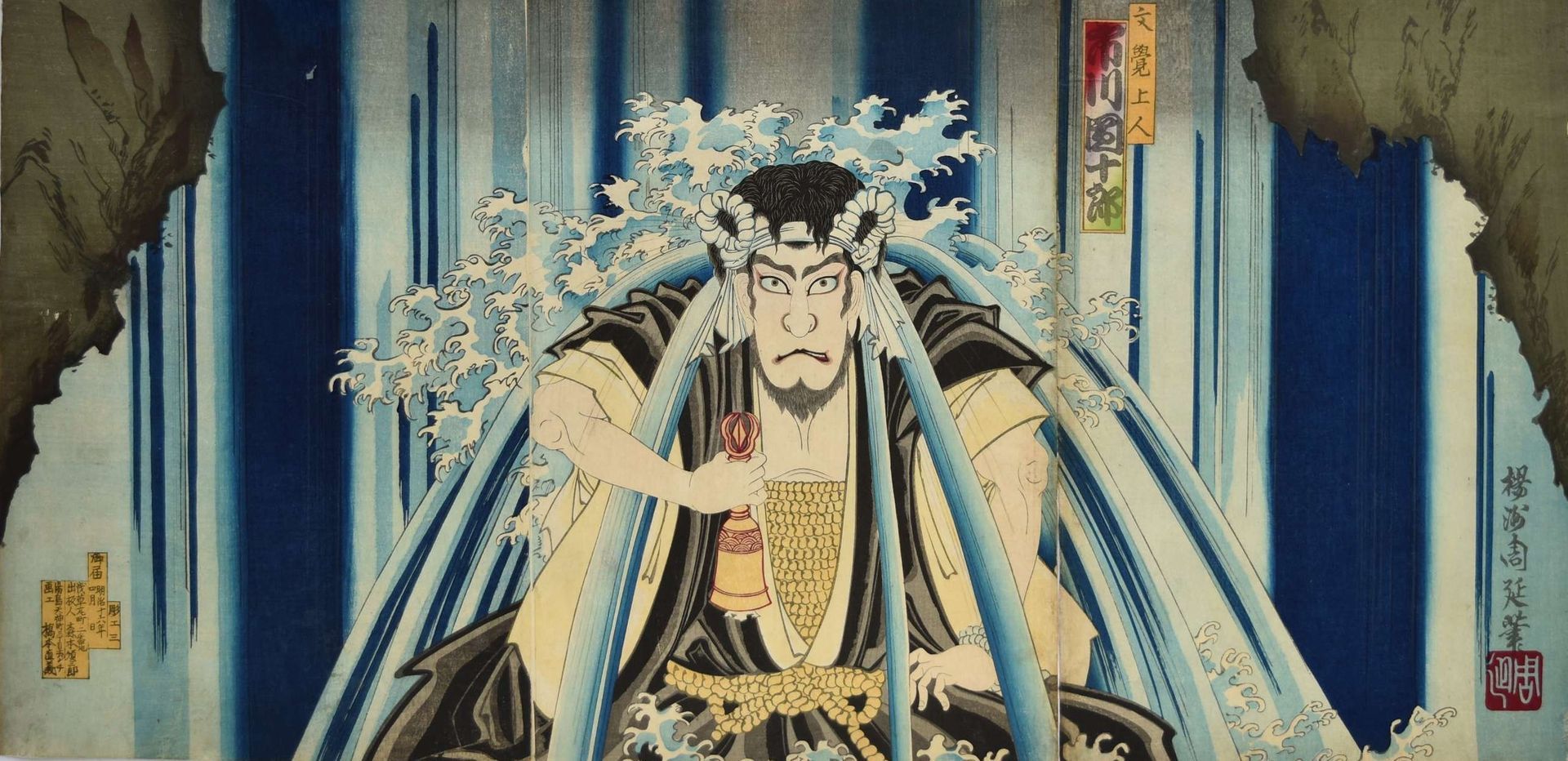
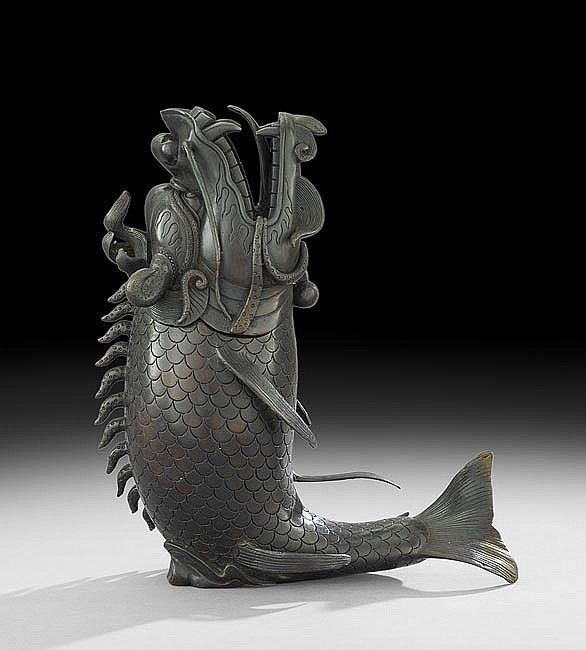
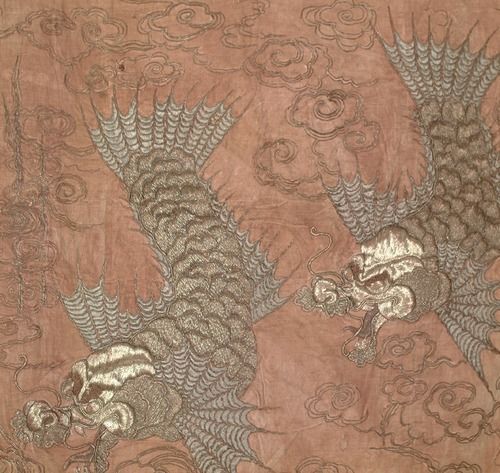
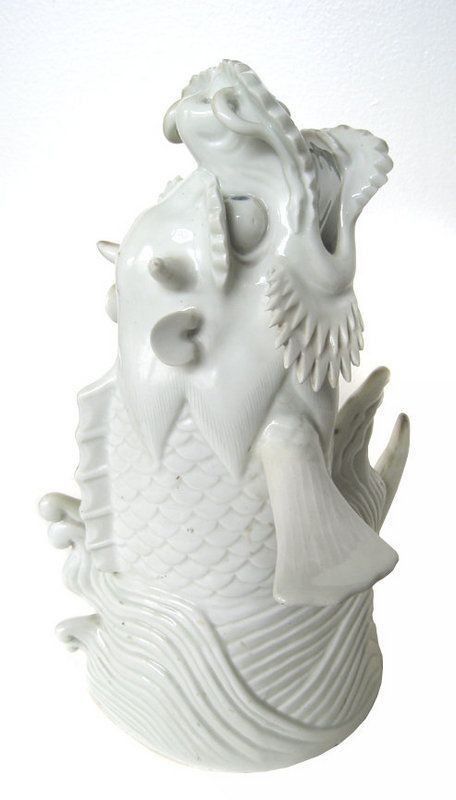
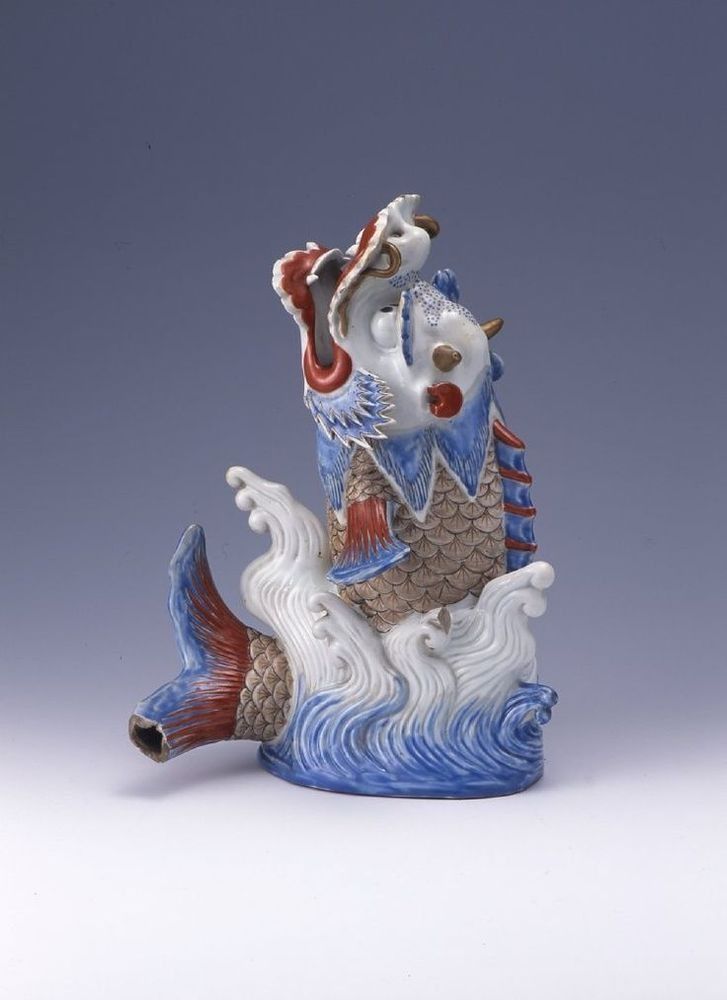
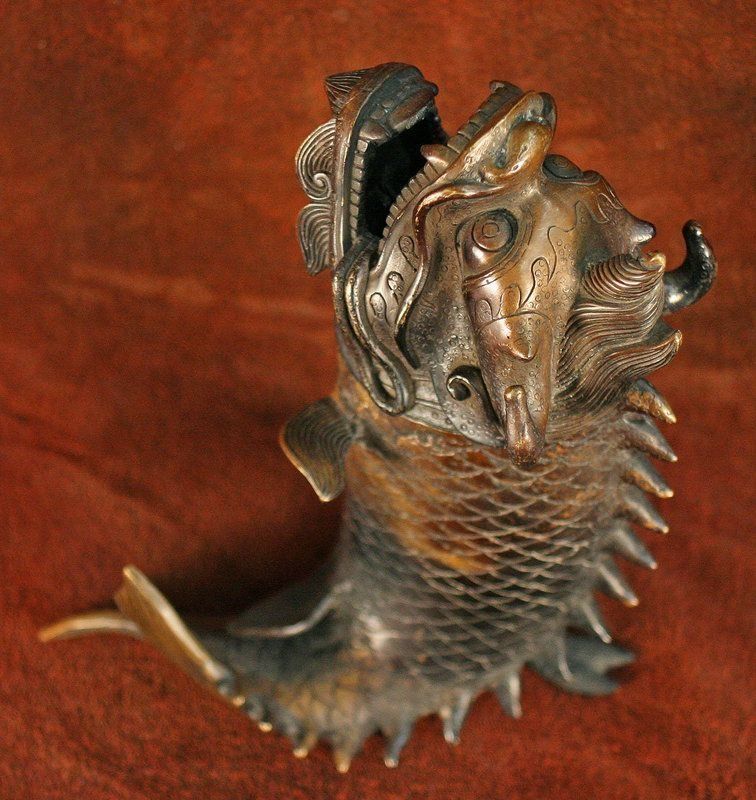
In Japanese culture, the concept of ryuugyo, or "dragon fish," holds deep symbolic significance, particularly within Zen philosophy and the art of irezumi (traditional Japanese tattooing). The ryuugyo represents the transformative journey of the mind towards enlightenment, akin to the legendary koi fish that swims upstream and transforms into a powerful dragon upon reaching the top of a waterfall.

Transformation

The koi fish is revered in Japan for its perseverance, strength, and ability to overcome adversity, embodying qualities such as luck and good fortune. This transformation from koi to dragon symbolizes a profound mental and spiritual metamorphosis, where the human mind transcends its limitations and achieves enlightenment, much like the journey of Zen practitioners striving for satori (awakening).

Koi-Dragon in Irezumi

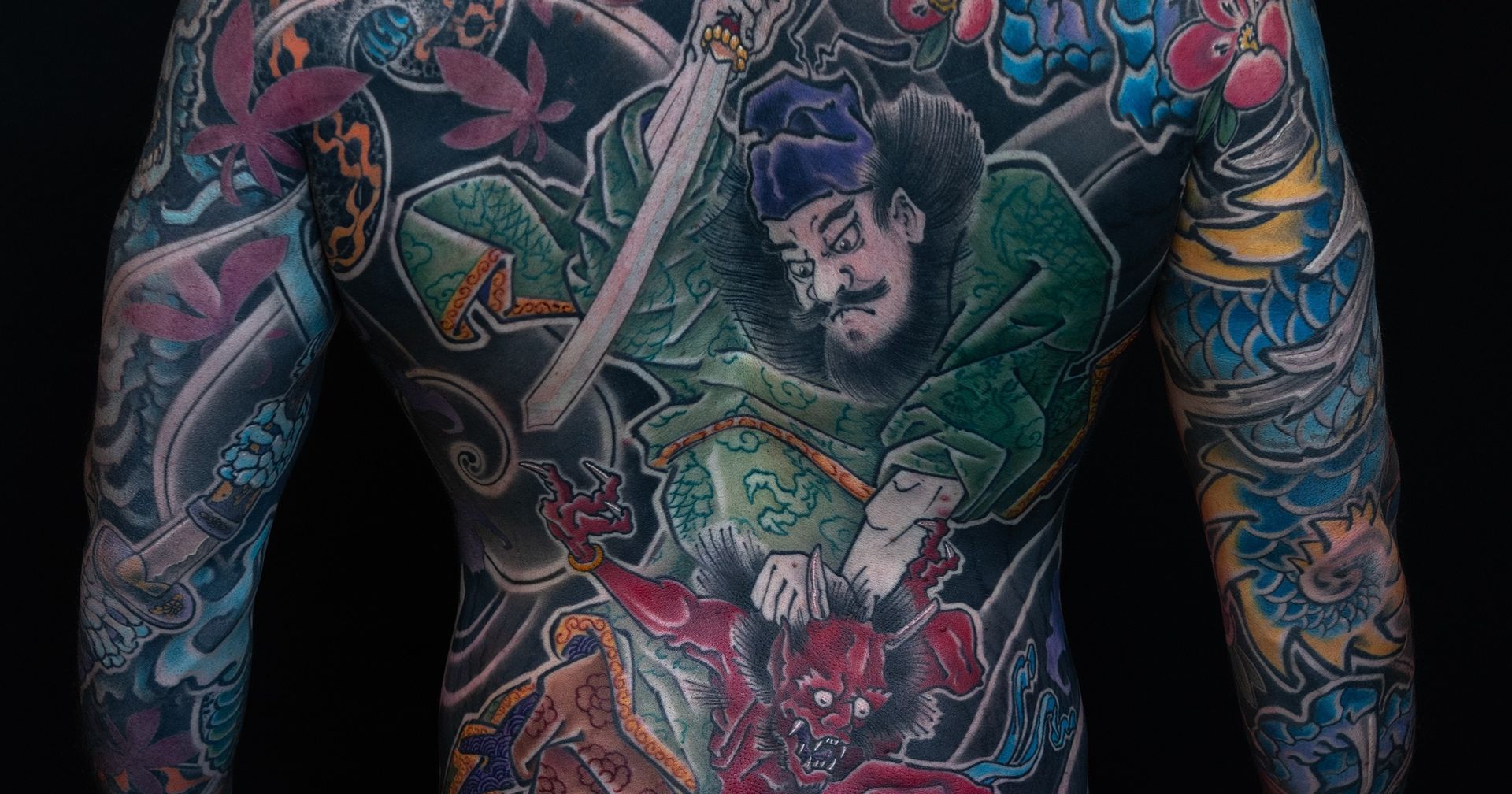
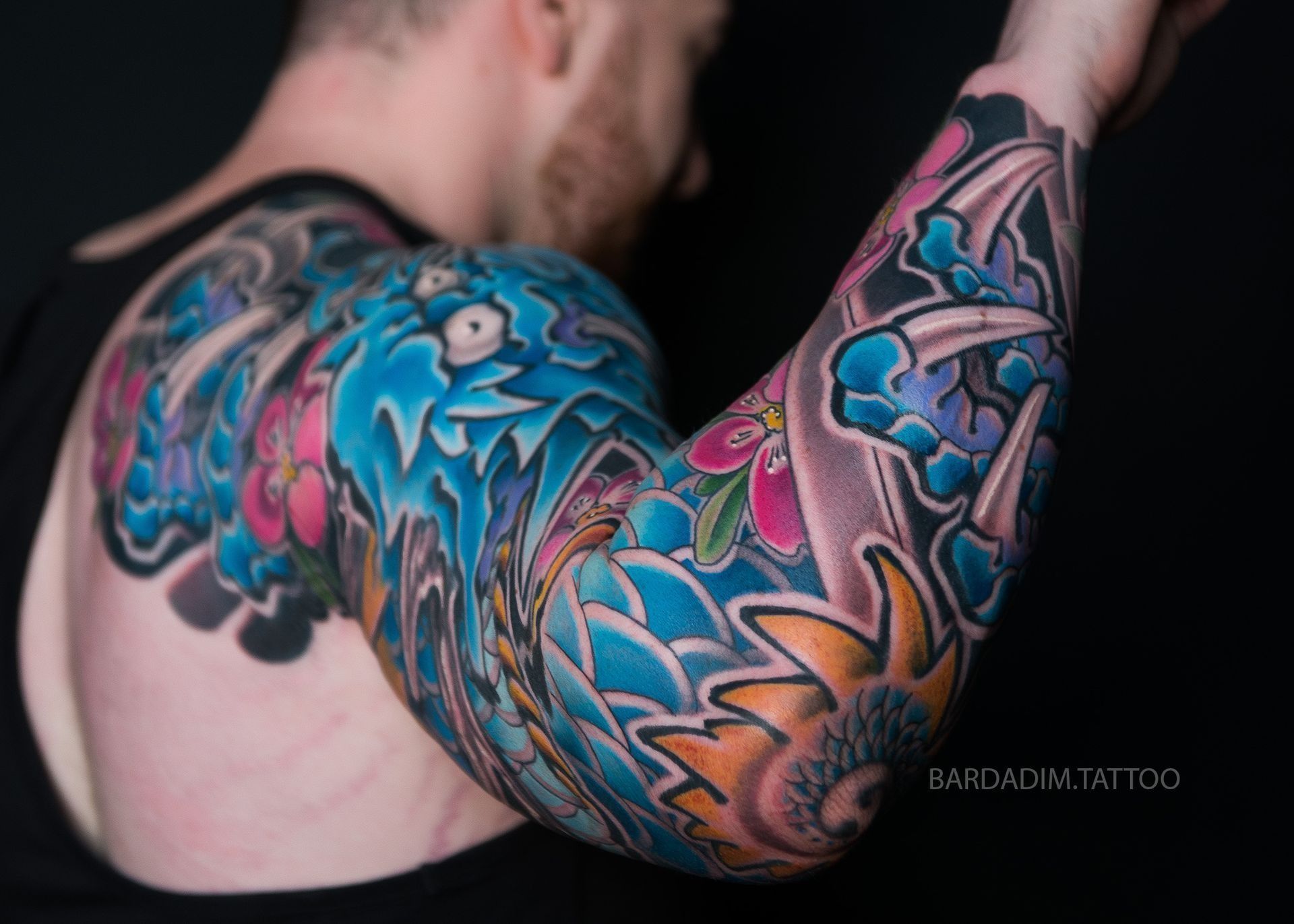
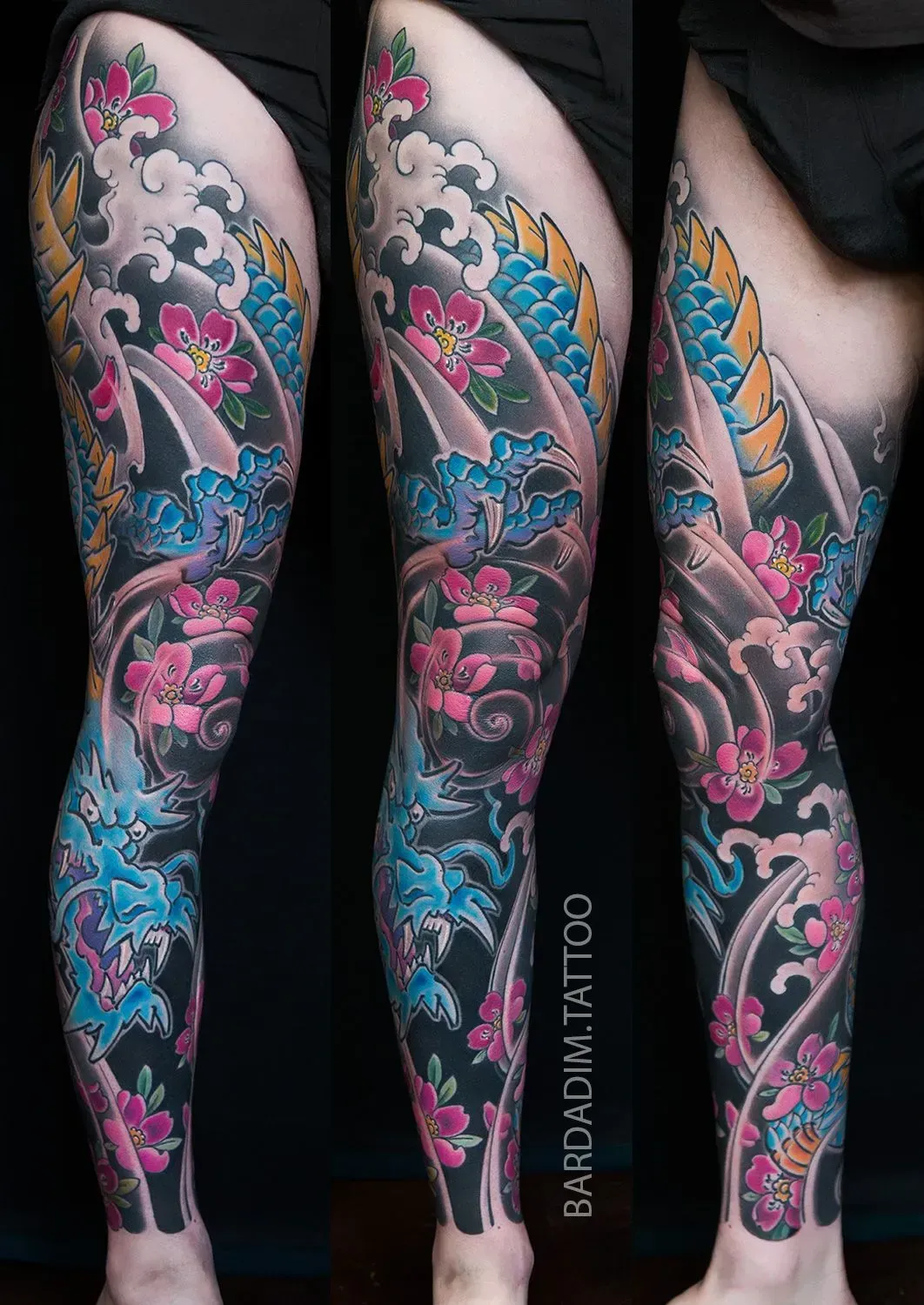
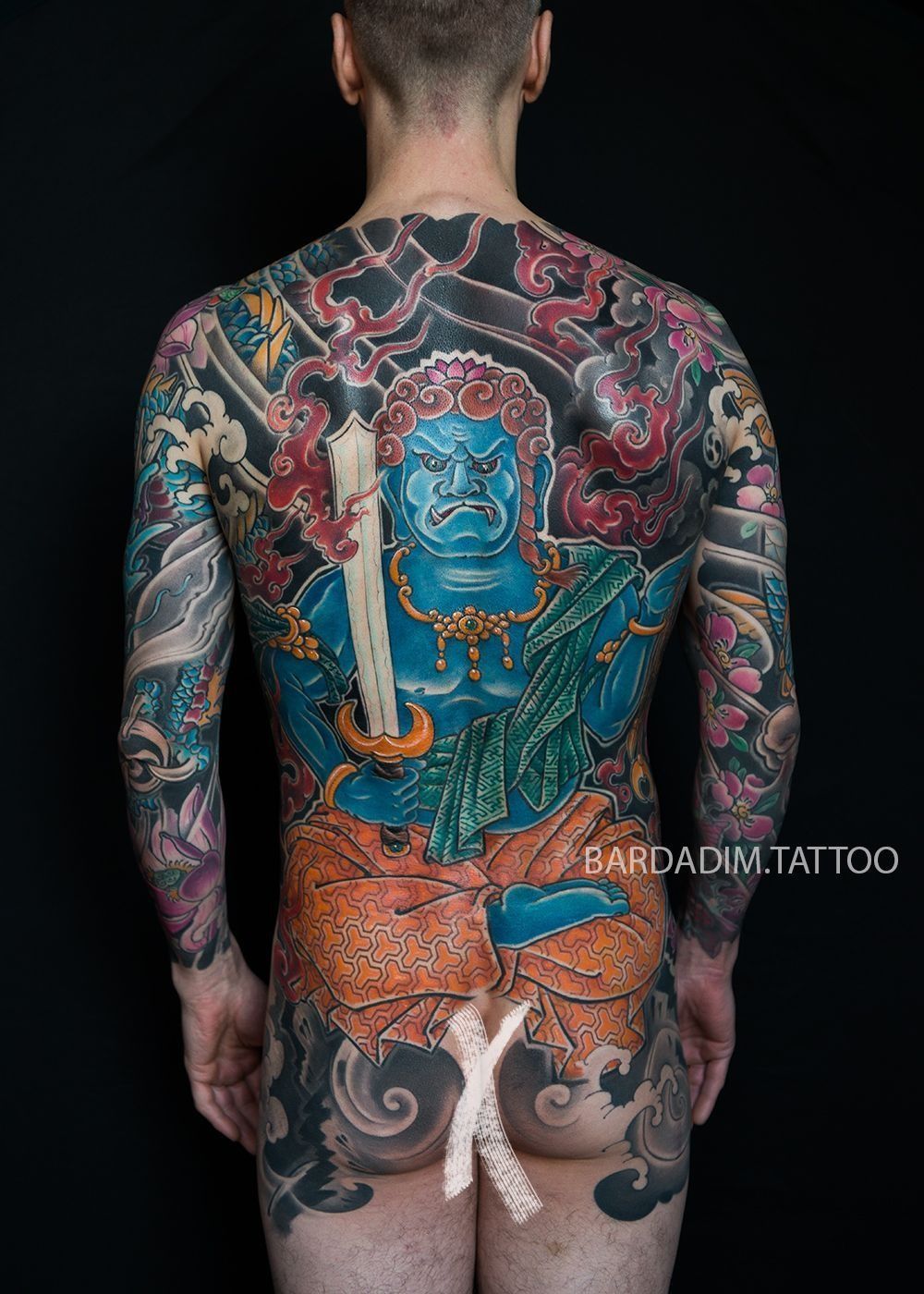
In the realm of irezumi, ryuugyo designs are highly cherished for their rich symbolism and aesthetic appeal. These tattoos often depict vibrant koi fish adorned with intricate scales, transitioning into majestic dragons. The imagery serves as a metaphor for the wearer's personal growth, resilience, and the pursuit of a higher state of being. Just as the koi fish's journey upstream is arduous and fraught with challenges, so too is the path to enlightenment. The ryuugyo in irezumi thus becomes a powerful emblem of transformation, perseverance, and spiritual evolution

Symbolism

By integrating these profound themes into the art of irezumi, tattoo artists not only honor traditional Japanese mythology but also convey a timeless message of inner strength and enlightenment.

Let the Way flow onward:

from The Symbolic Way

“Symbols speak where words fall silent.”

Shishi Guardians and Peonies | Full Japanese Sleeve by Bardadim Tattoo
by George Bardadim 29 November 2024
A full Irezumi sleeve featuring two Shishi Lions and peonies a Gaku-bori composition symbolizing courage, protection, and beauty. Traditional Japanese tattoo by Bardadim.
Japanese sleeve tattoo showing anatomical flow — koi and waves following natural muscle lines
by George Bardadim 7 November 2024
Discover the meaning and structure of this Japanese koi sleeve by Bardadim Tattoo - a masterful balance of shudai, keshoubori, and anatomical flow.
The Myth of Lung-men: The Dragon Gate Legend and Its Artistic Legacy
by George Bardadim 15 August 2024
The story of Lung-men’s transformative powers dates back to ancient Chinese history, with its earliest mention in the Hou Han Shu (History of the Later Han Dynasty). According to this historical record, the phrase “going up Lung-men” became synonymous with striving to improve one’s position in life. The legend of the fish transforming into a dragon after surmounting the falls became a powerful metaphor for personal growth and the relentless pursuit of success. This myth has since inspired countless individuals to persevere through their challenges, believing that, like the fish, they too can achieve greatness if they endure.
Read More …