Full Back Tattoo
Japanese traditional tattoo layouts to be placed on back
The Backpiece - The Quiet Center of the Body
Foundational placement in traditional Irezumi
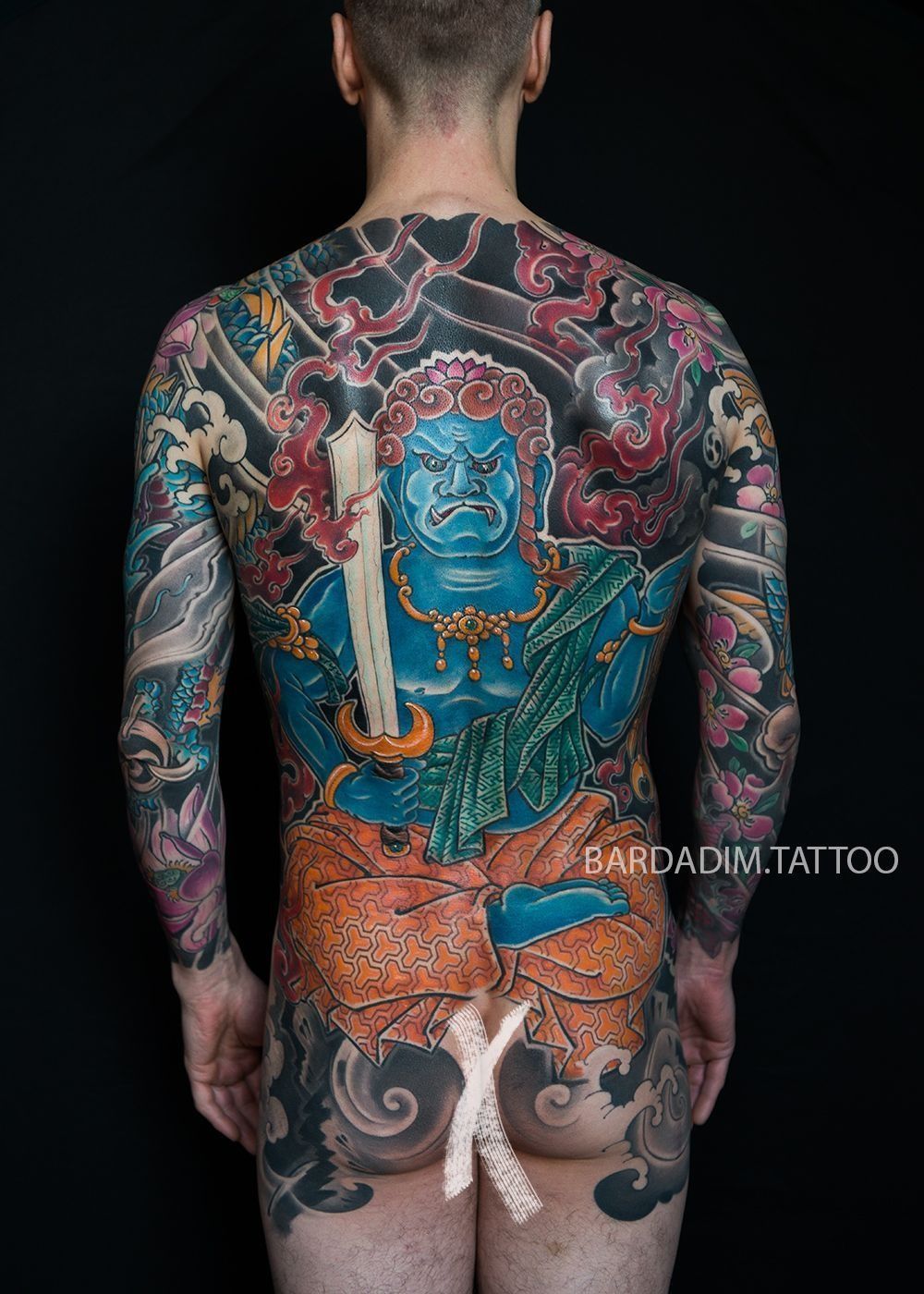
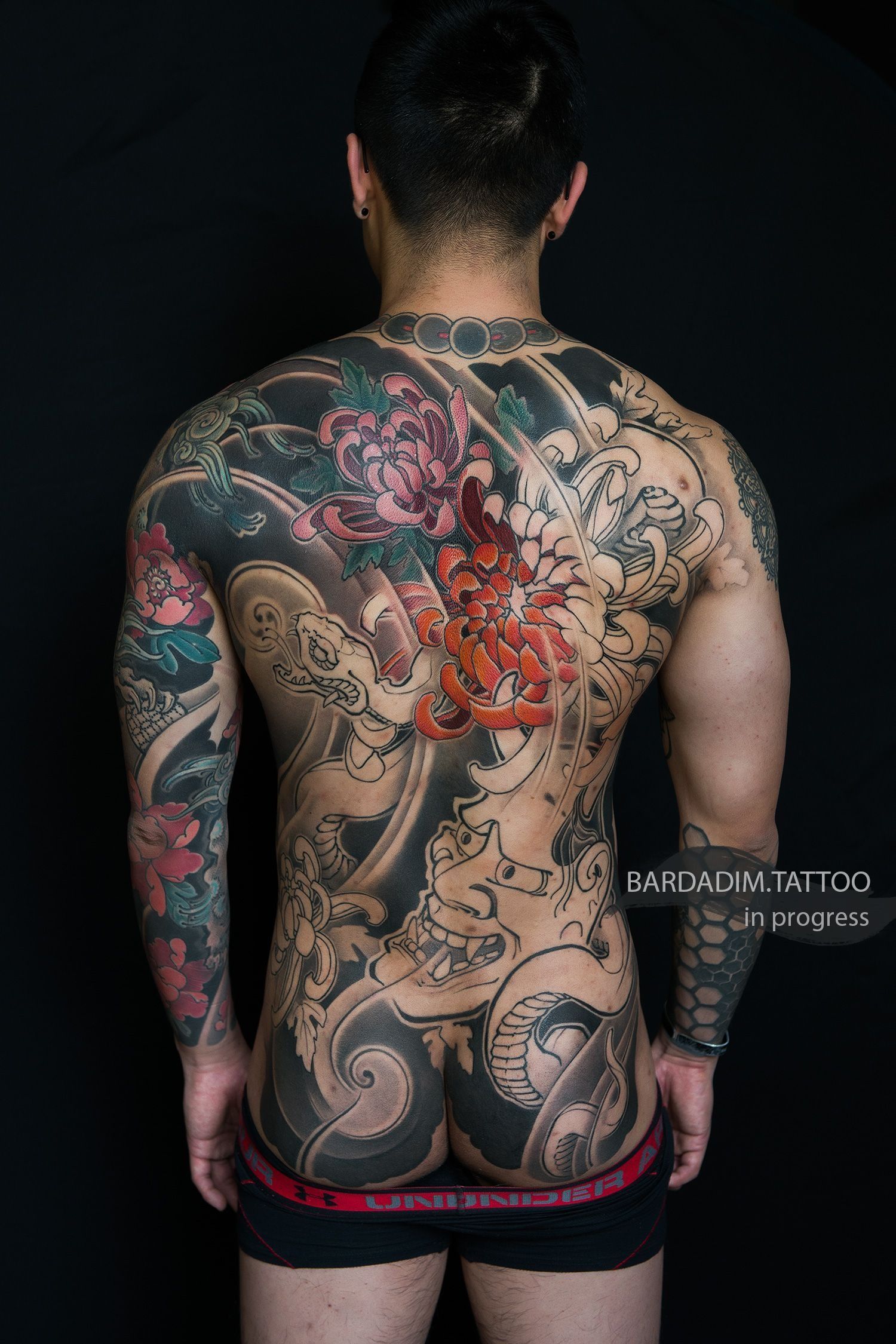
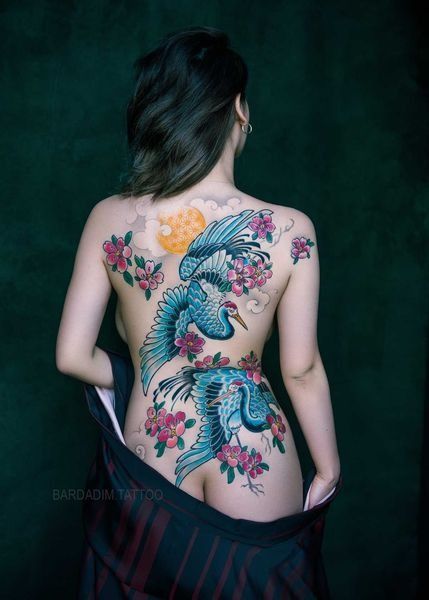
In traditional Japanese tattooing, the back is not just another location, it is the origin of the bodysuit. A full-back tattoo, covering the area from the base of the neck to well below the buttocks, serves as the visual and conceptual anchor for the entire composition. It offers stillness, balance, and structure. Just as a Zen garden invites silence, the backpiece invites clarity, allowing the rest of the body to follow its lead.
Backpiece Traditions in Japanese Irezumi
Two approaches shape the spirit of a traditional backpiece: one open and spacious, the other defined by a surrounding flow. Each follows the body’s natural form, guiding the eye through movement, balance and quiet strength. These approaches honor centuries of Irezumi craft, revealing how background and composition influence the character of the entire work.
Sequencing in full-body composition
Why the Back Comes First
The backpiece is always the first major element in a full traditional bodysuit. This is not a technical choice, but a philosophical one. The back sets the tone, the posture, the theme, the direction, and allows the rest of the composition to flow from a stable center. Arms, chest, ribs, and legs are added gradually, always in reference to what has already been established on the back.
HIKAE
SHOULDERS AND ARMS
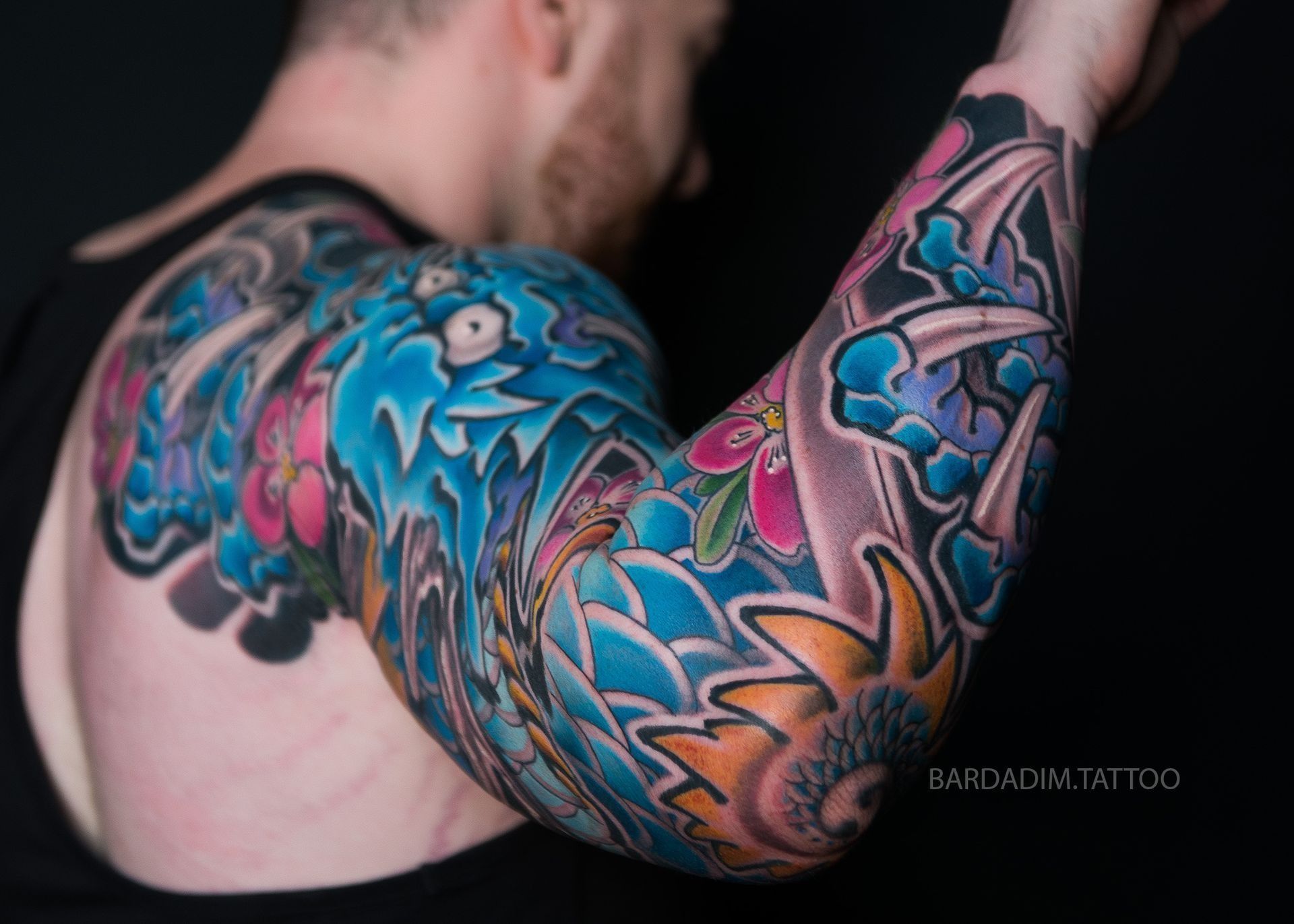
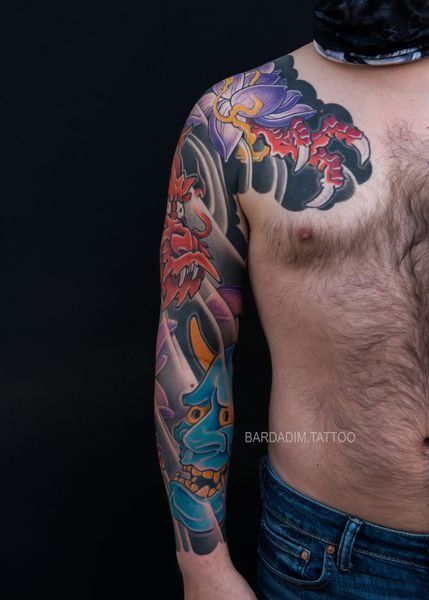
The term ‘Hikae’ means “to restrain oneself,” reflecting this classic tattoo layout. Hikae covers the shoulders and arms, allowing tattoos to be easily concealed with a v-neck shirt. Three common types exist: ‘light,’ covering about one-third of the chest; ‘shallow,’ which stays below the chest muscle; and ‘deep,’ extending over the chest and sometimes around the nipples.
Flow Must Continue Below the Waist
Why a backpiece should extend beyond the beltline
A true backpiece does not end at the waist. To stop at the beltline is to interrupt the natural motion of the design. In traditional layout, the flow of the tattoo continues over the buttocks and often into the upper thighs, ensuring continuity, balance, and harmony. This extension is not decorative it is essential.
No Half-Measures
Our commitment to integrity of placement
In our studio, we do not offer tattoos that occupy only a portion of the back, such as “just the shoulder blade,” “only one side of the spine,” or “above the waistline without reaching the buttocks.” These break the natural flow of the body and compromise the integrity of the composition.
Such tattoos can only be done in Nuki‑Bori style and are classified as one point pieces: self-contained, stand-alone works that are not intended to evolve into bodysuits.
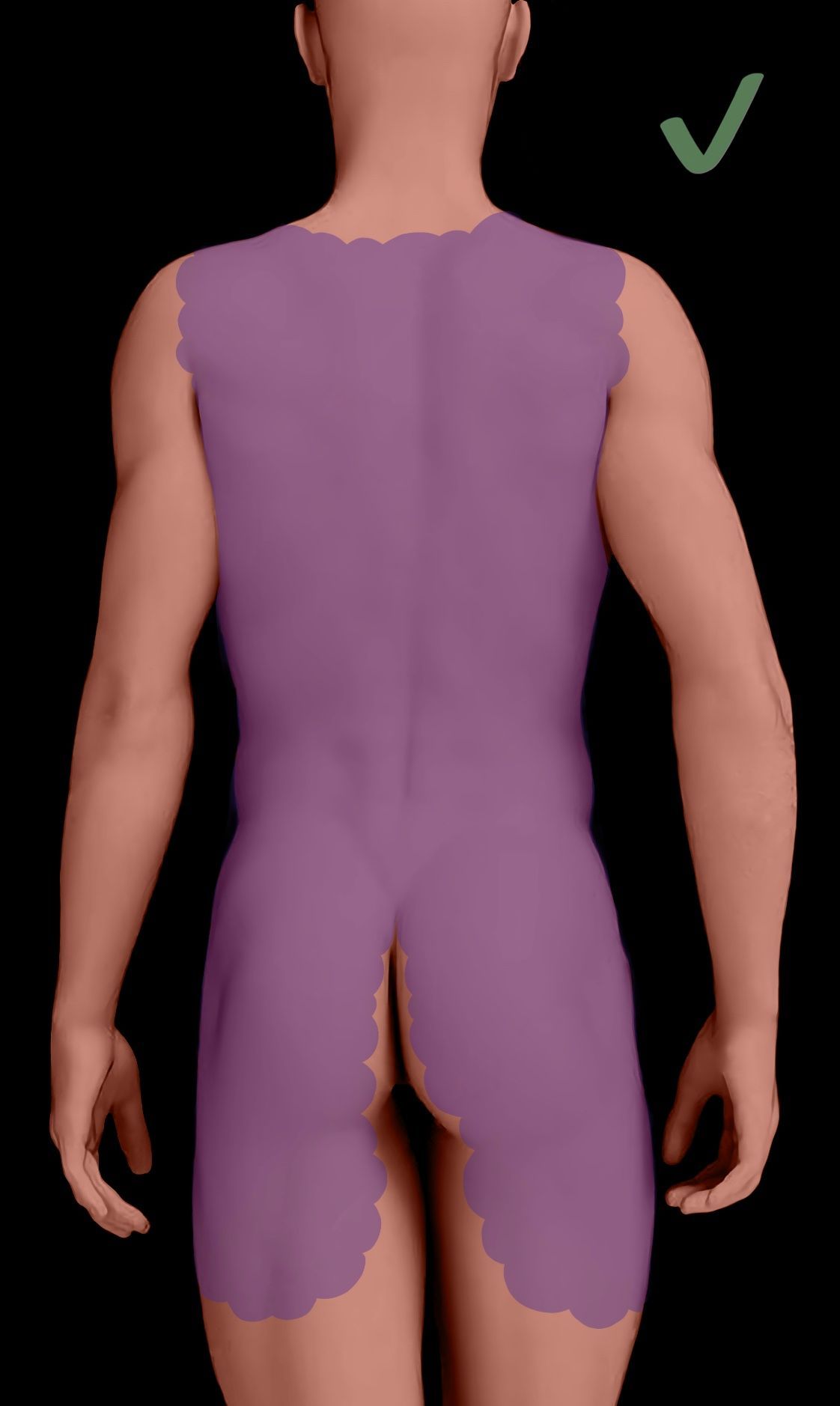
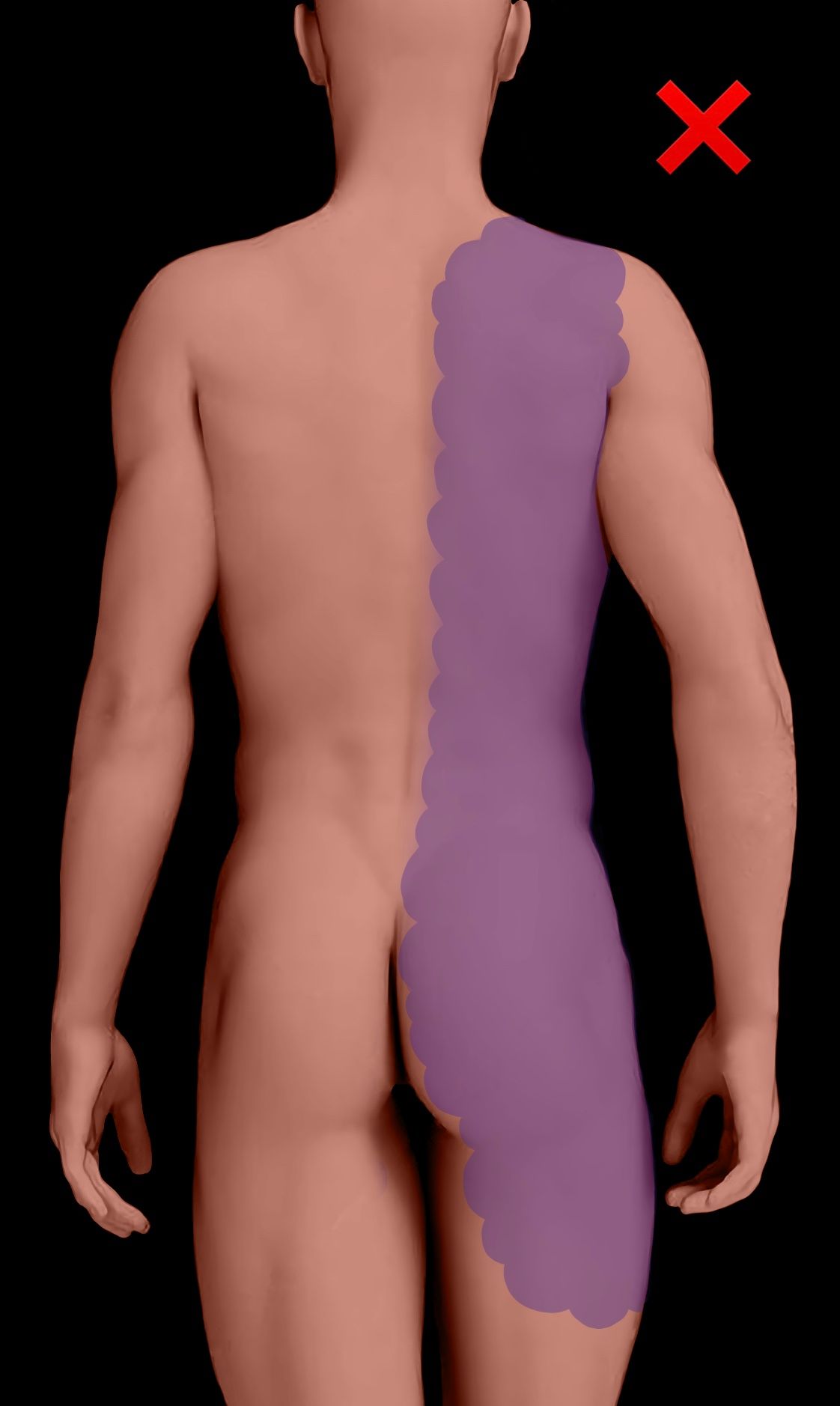
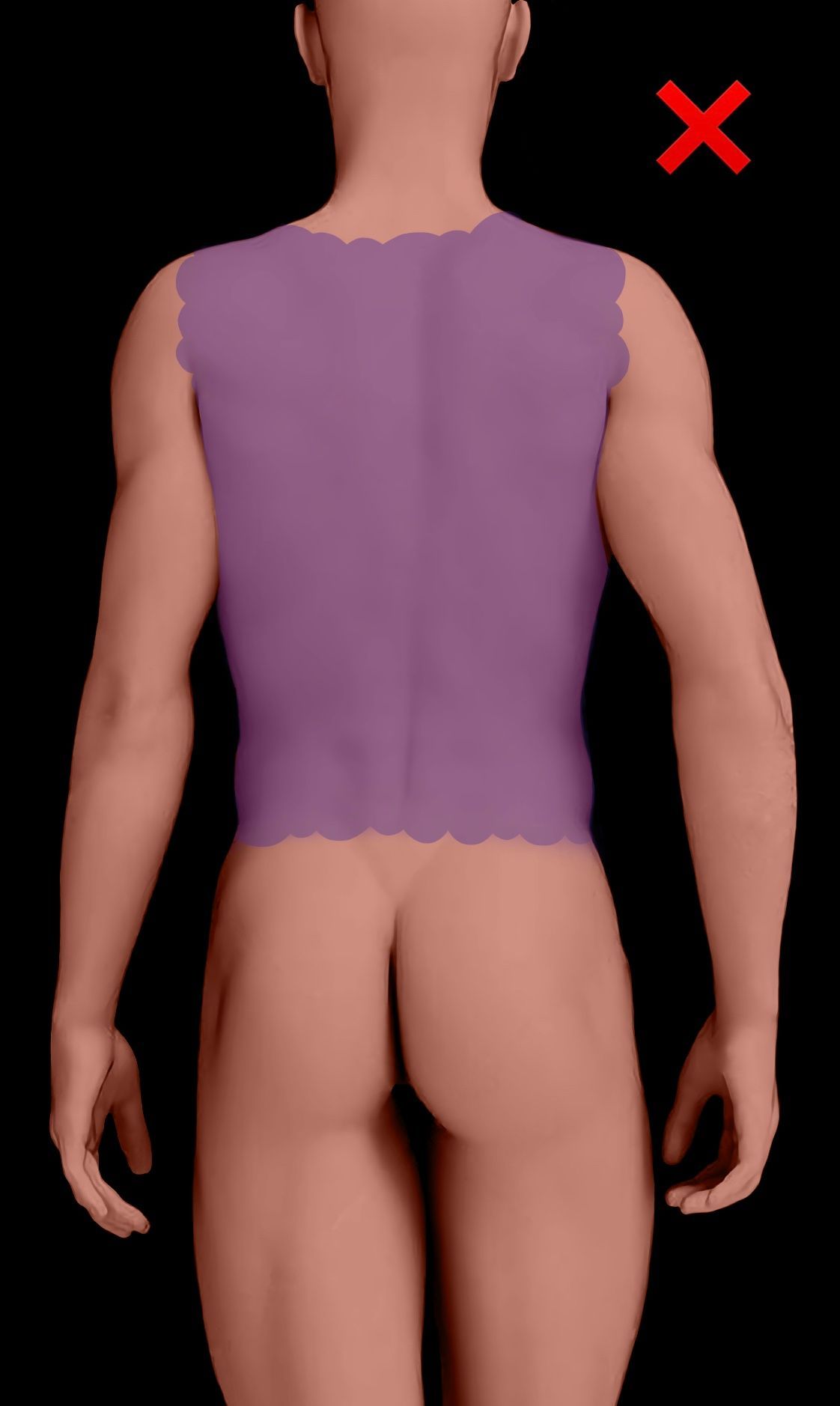
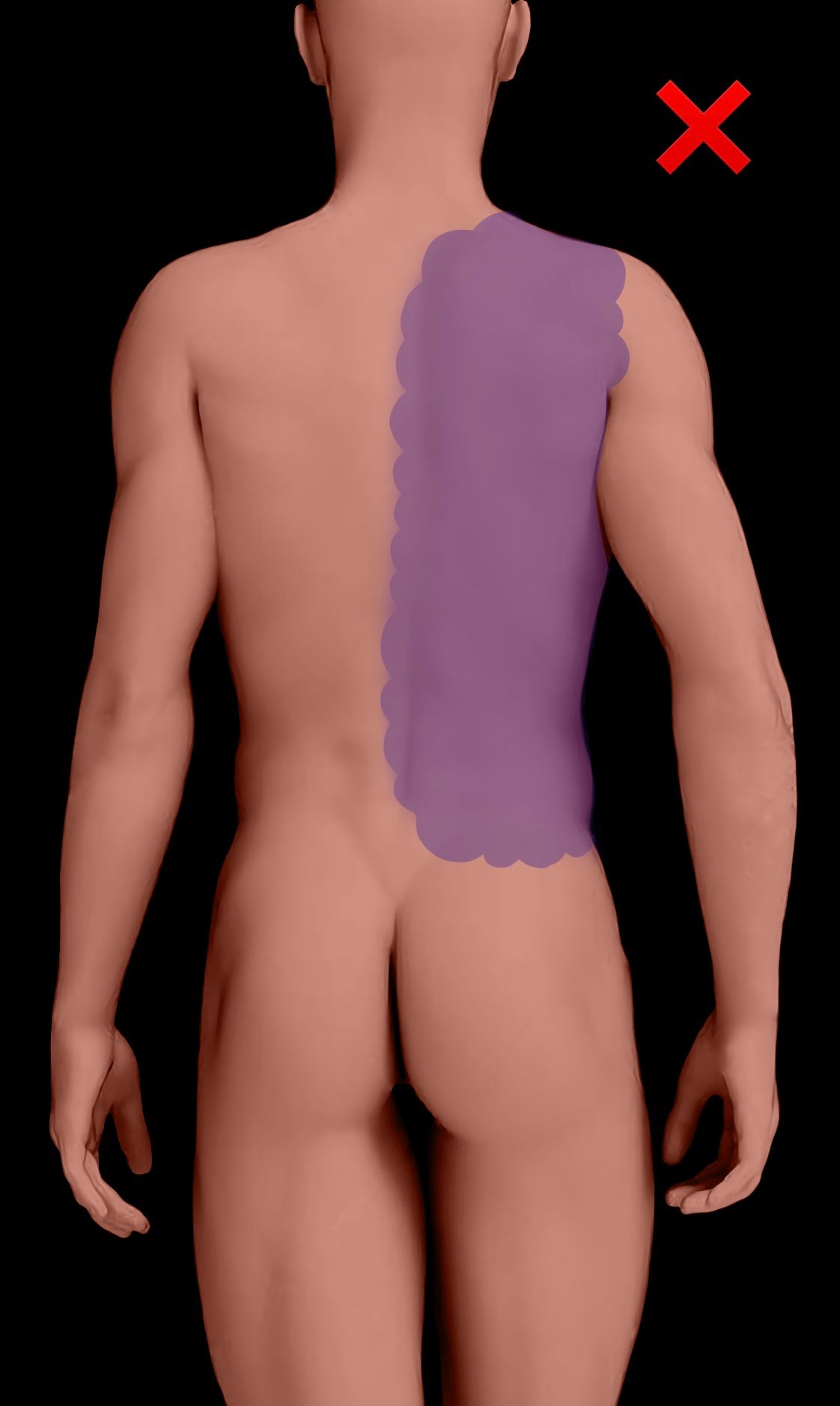
We do not create partial back tattoos, only complete, balanced compositions that respect the flow of the body.
F.A.Q.
Full Back Tattoo
Why is the backpiece always done first?
The backpiece serves as the core of the bodysuit, establishing the visual anchor that ensures all following elements: sleeves, chest, sides connect harmoniously.
What constitutes a complete traditional backpiece?
A full-back piece spans from the base of the neck down past the buttocks and often into the upper thighs, forming the main thematic and compositional foundation of a bodysuit.
Why must a backpiece extend beyond the waistline?
Stopping at the waist interrupts the design’s natural flow. Traditional backpieces continue over the buttocks and into the upper thighs to ensure continuity and balance.
Are partial back tattoos effective?
No. Partial designs compromise the compositional flow and unity essential to traditional Irezumi. Only full, thoughtfully integrated layouts preserve the intended harmony.
How long does a traditional Japanese backpiece typically take?
These large-scale pieces are time-intensive, often requiring multiple sessions over months or even years to achieve full completion with depth and cohesion.
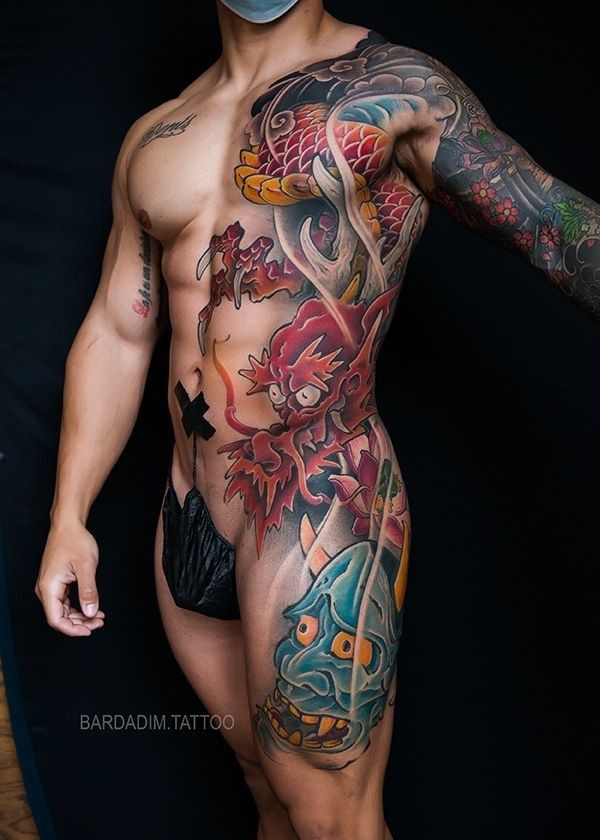
Irezumi Layouts
Beyond the Back
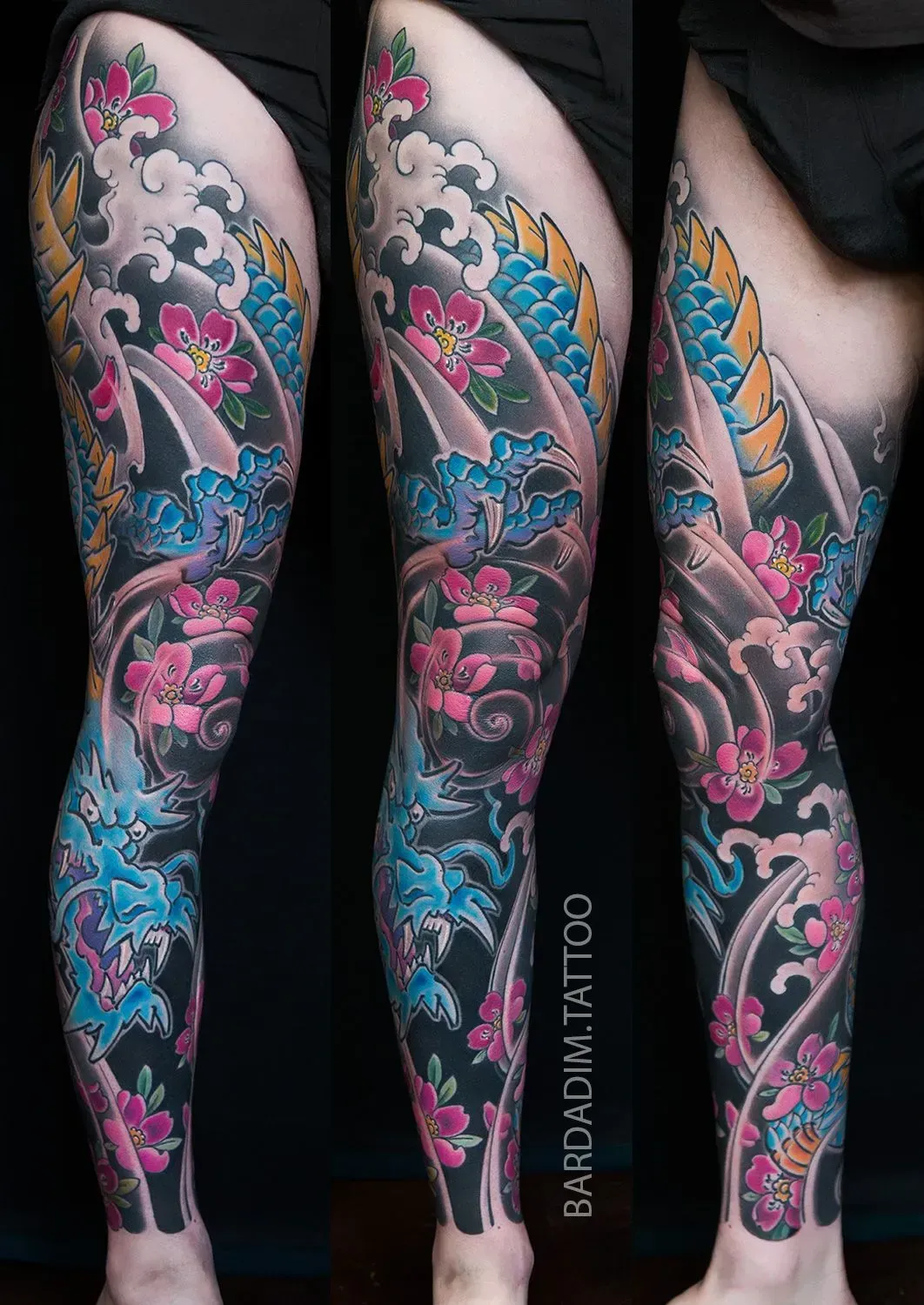
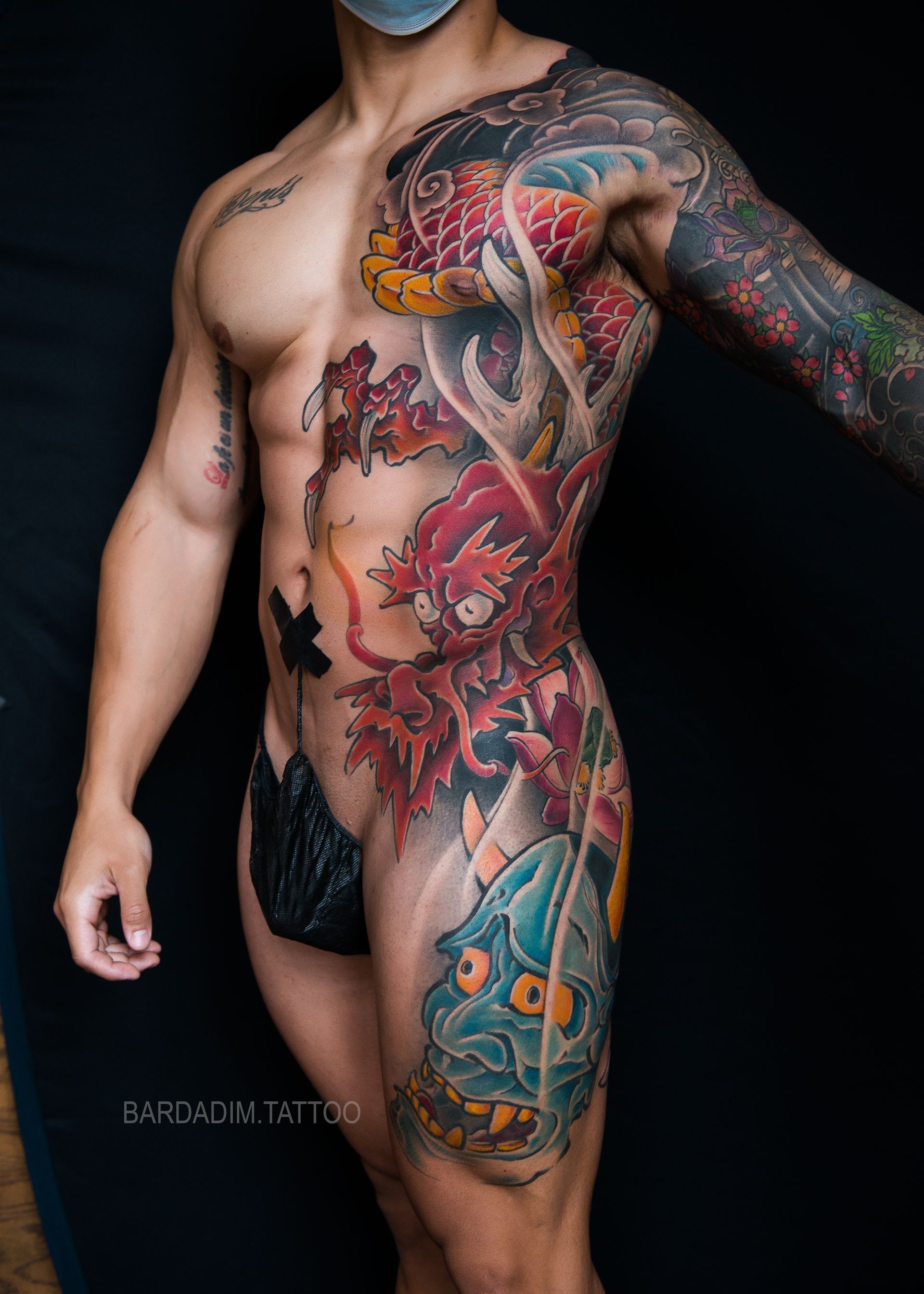
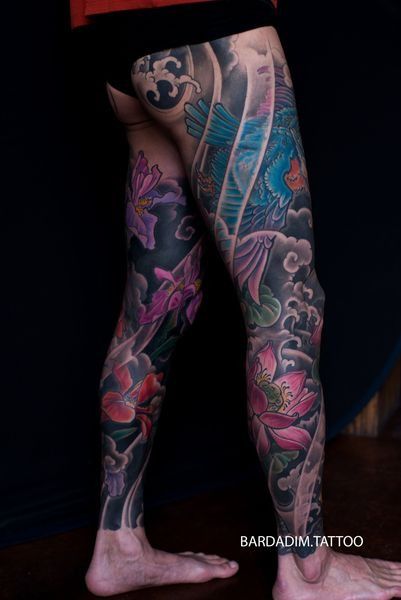
Irezumi flows across the whole body. Explore layouts for legs, arms, body suits, and more to see where your story may unfold.