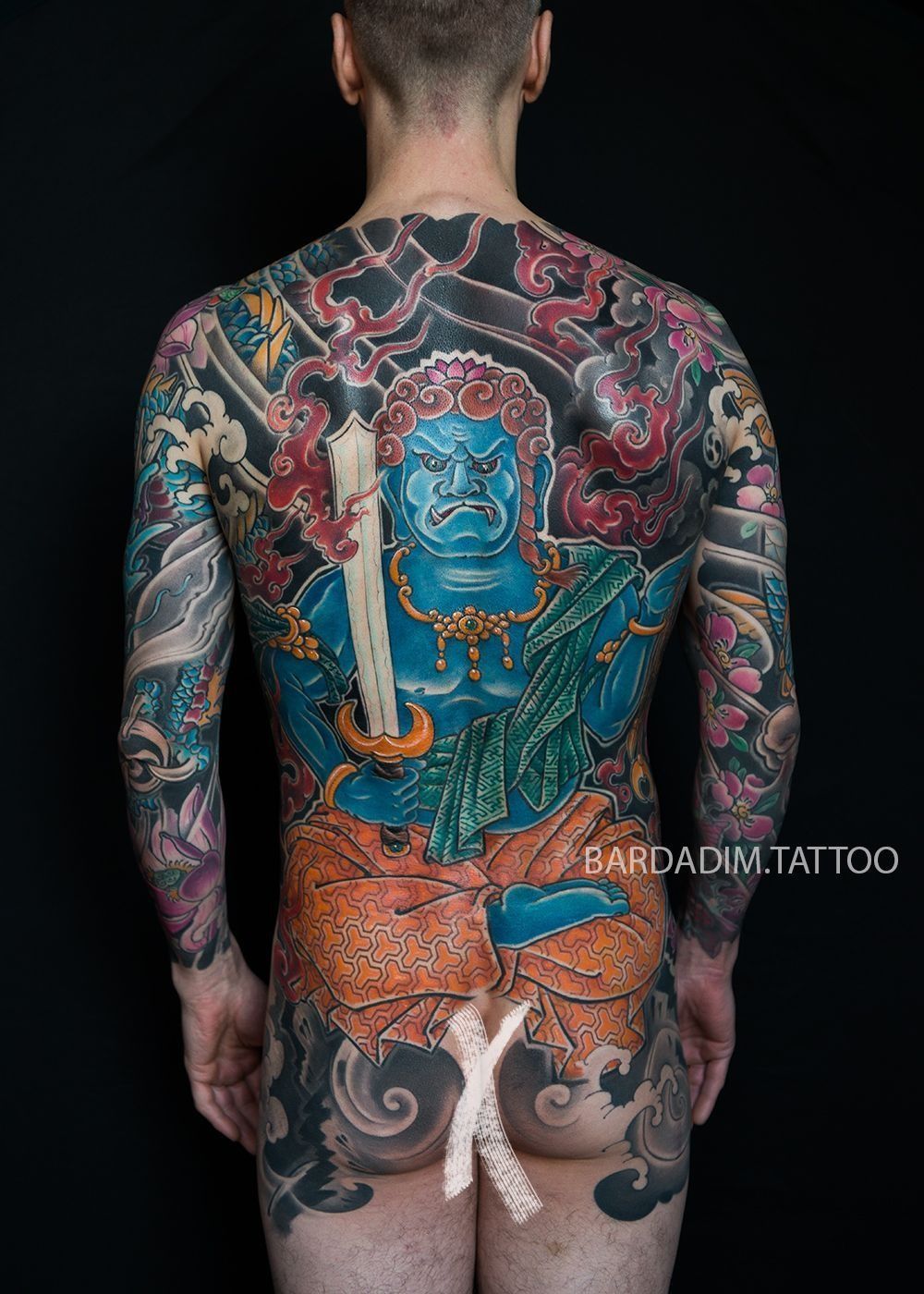
Traditions of Irezumi
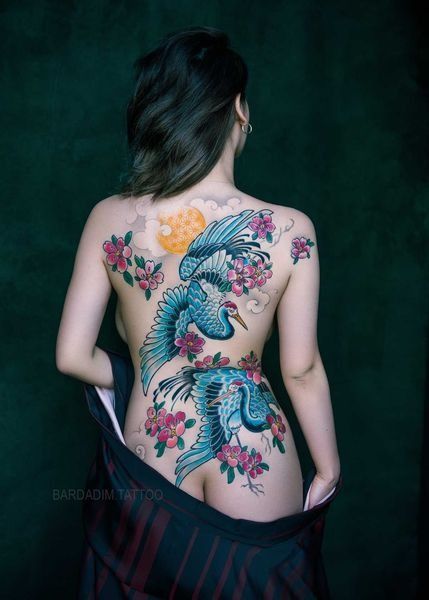
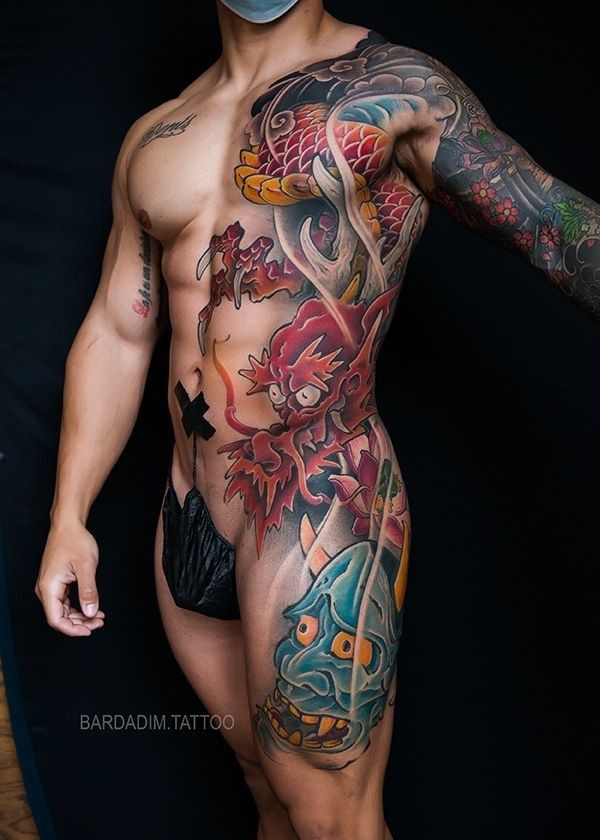
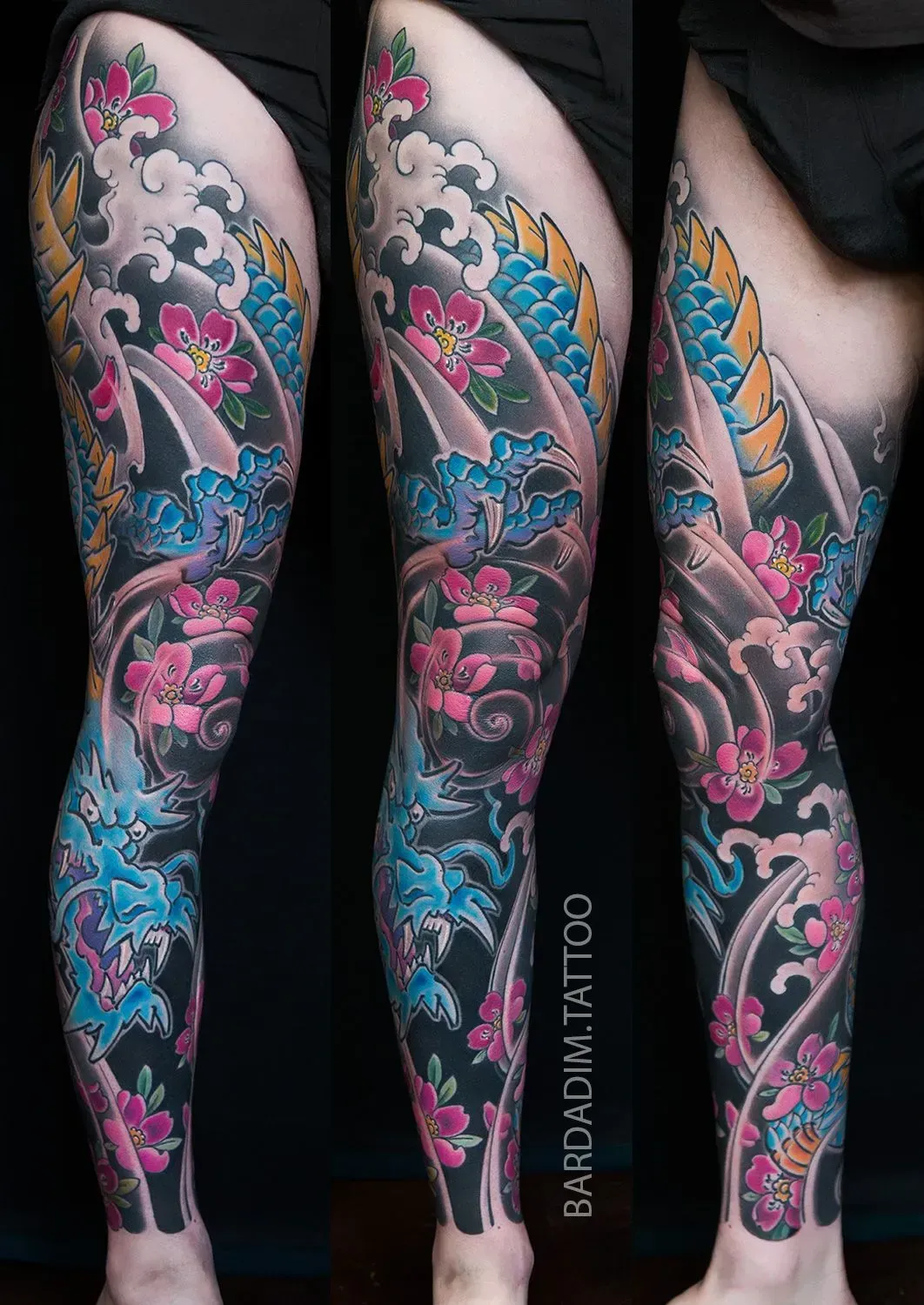
The traditions of Irezumi tattoos form the foundation of what is known today as the classic Japanese tattoo style. With centuries of history, this art form carries cultural, spiritual, and symbolic depth that sets it apart from modern approaches.
Historical Background
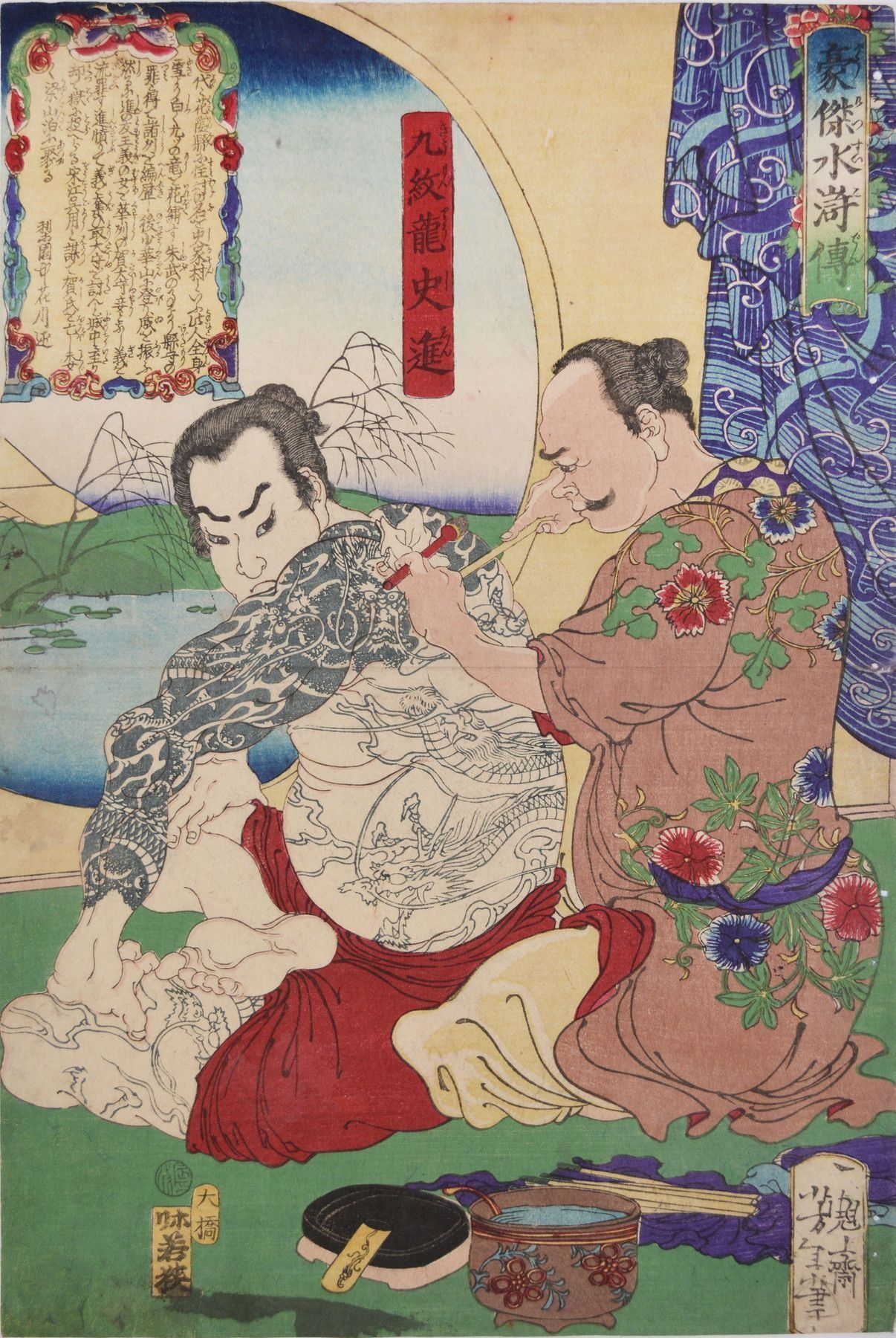
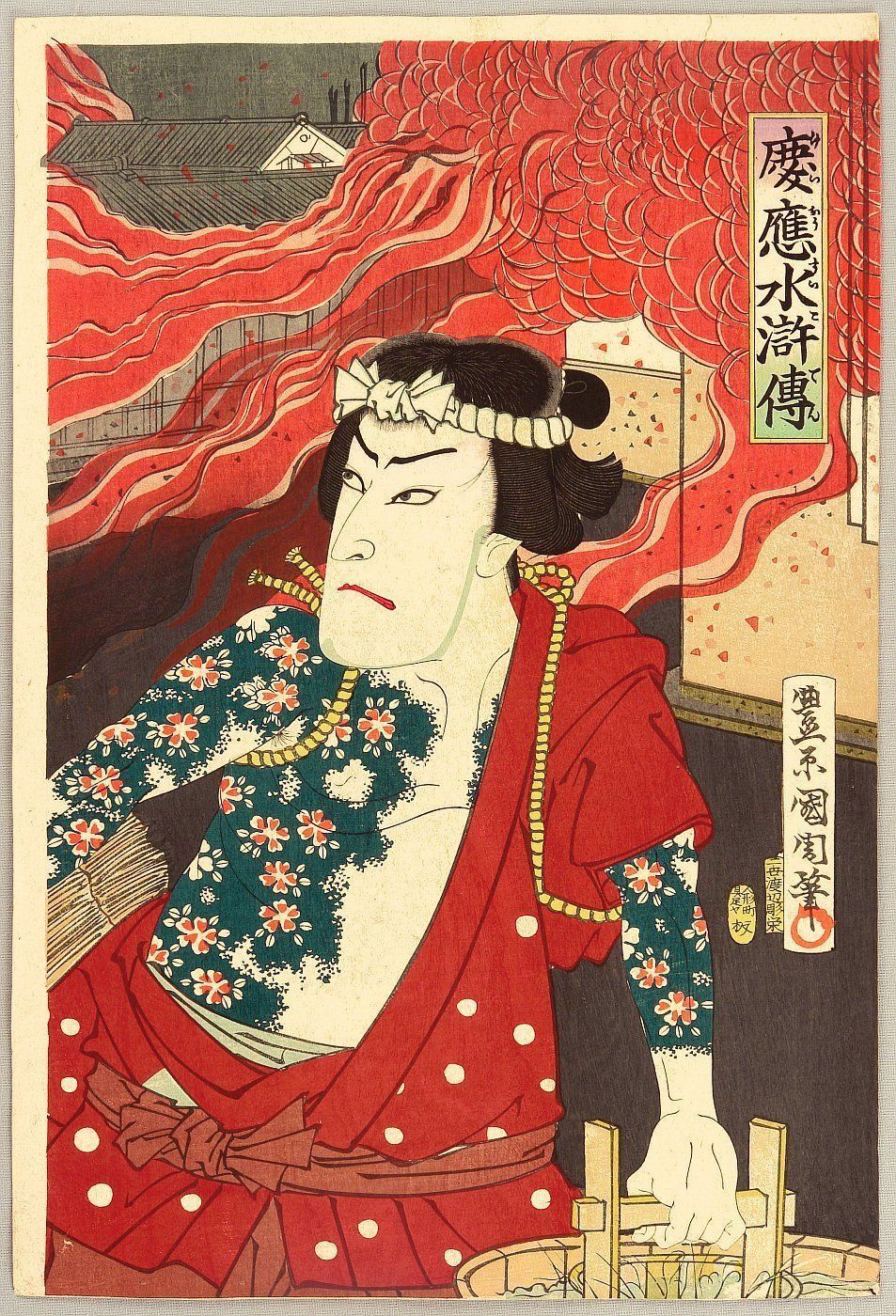
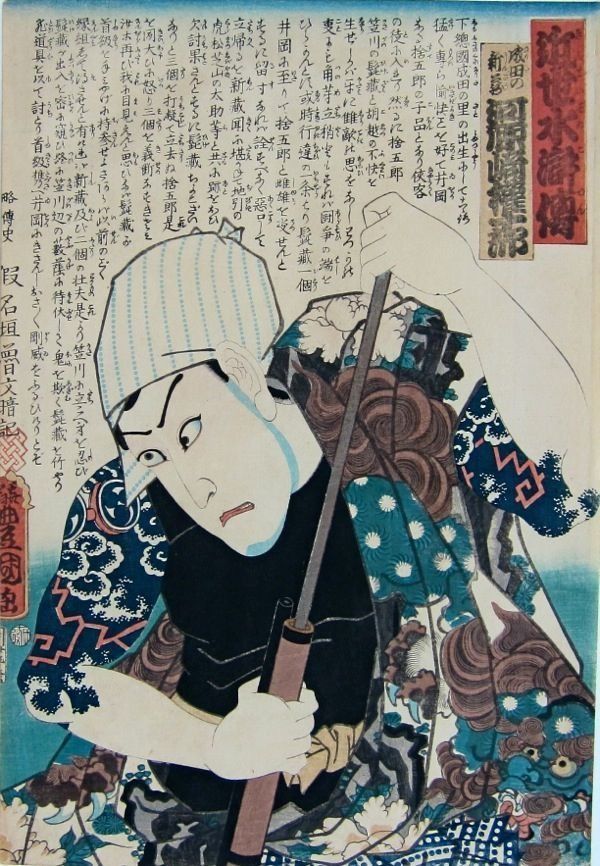
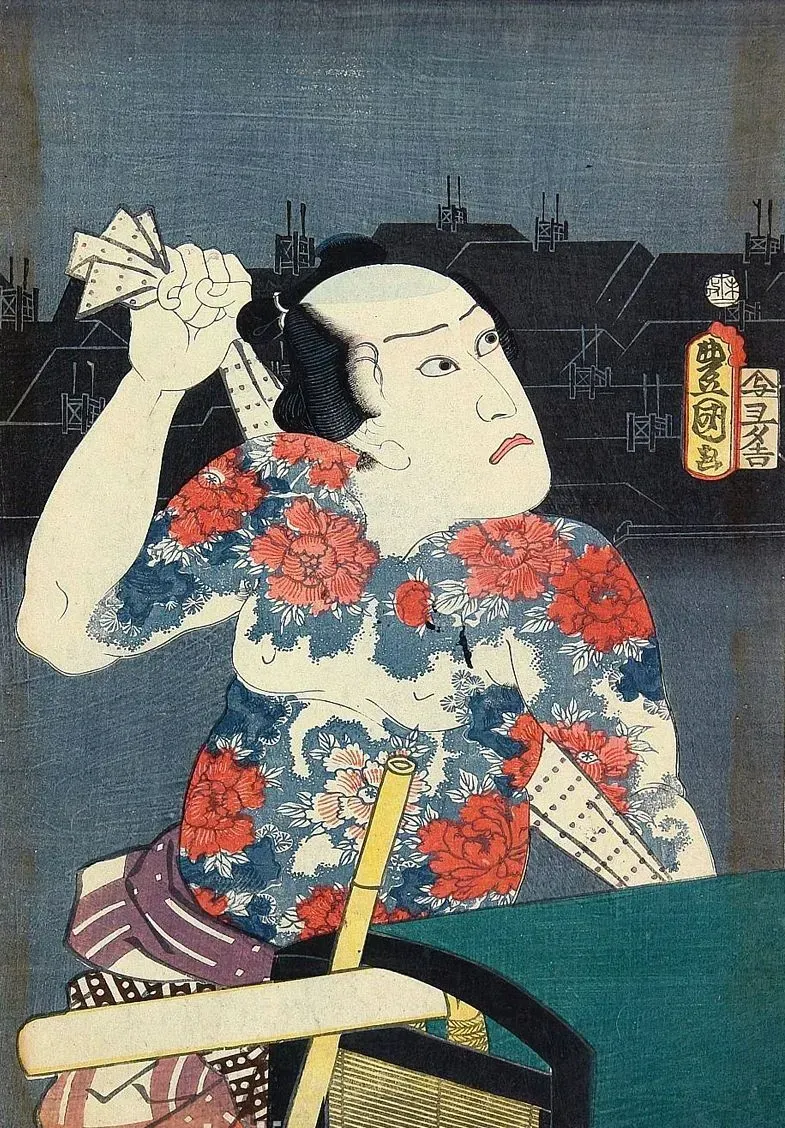
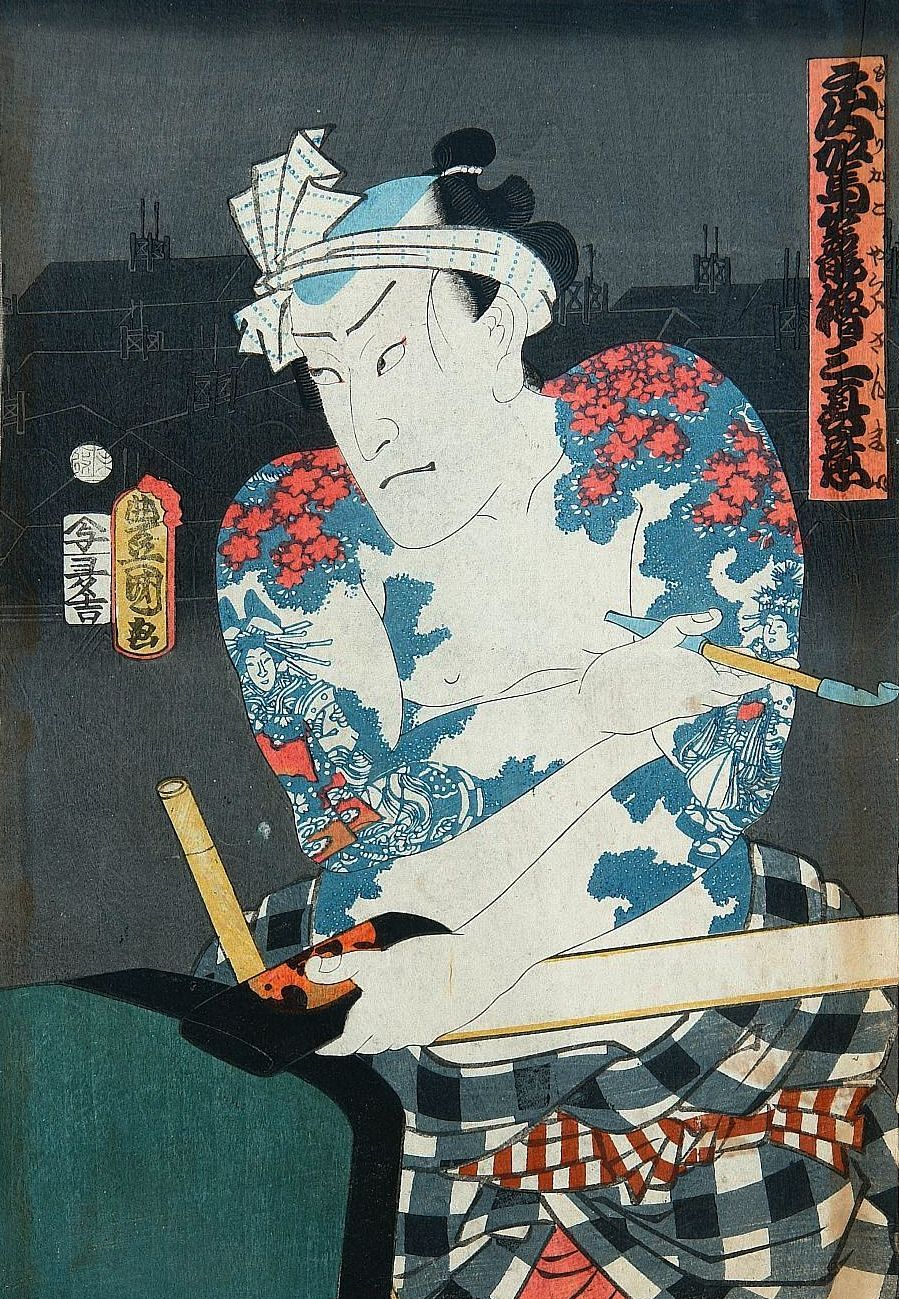
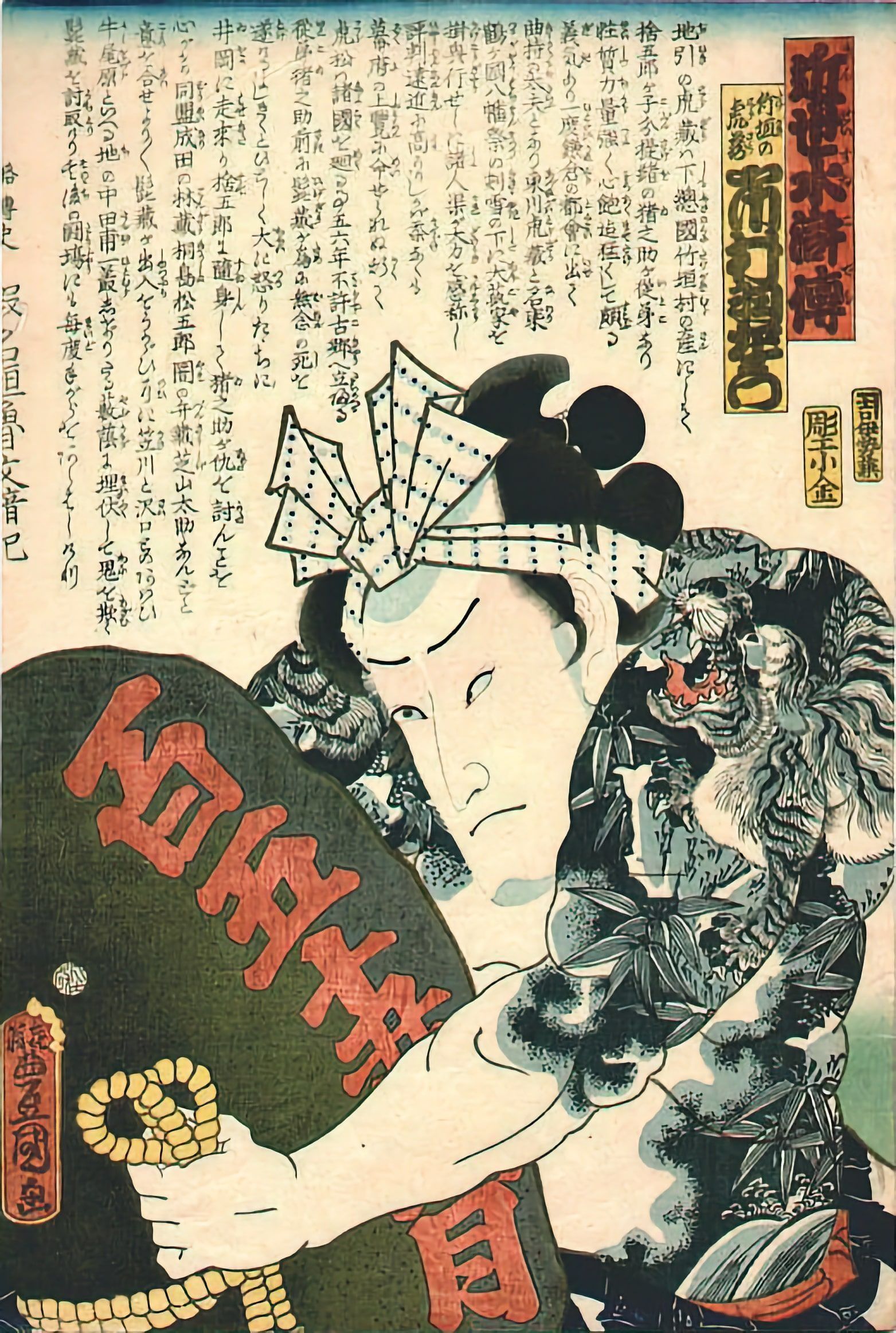
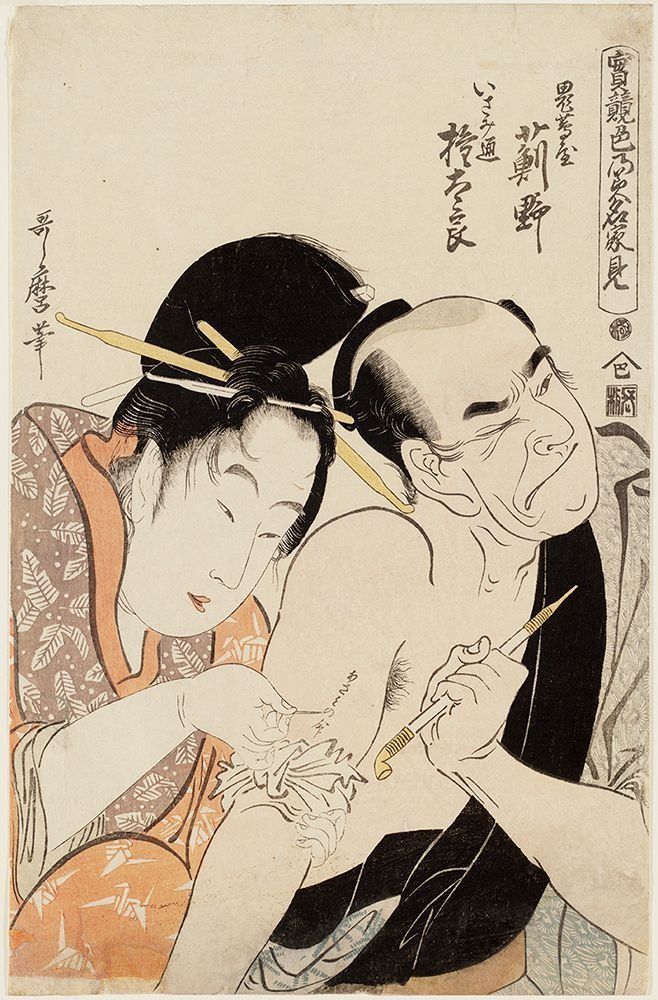
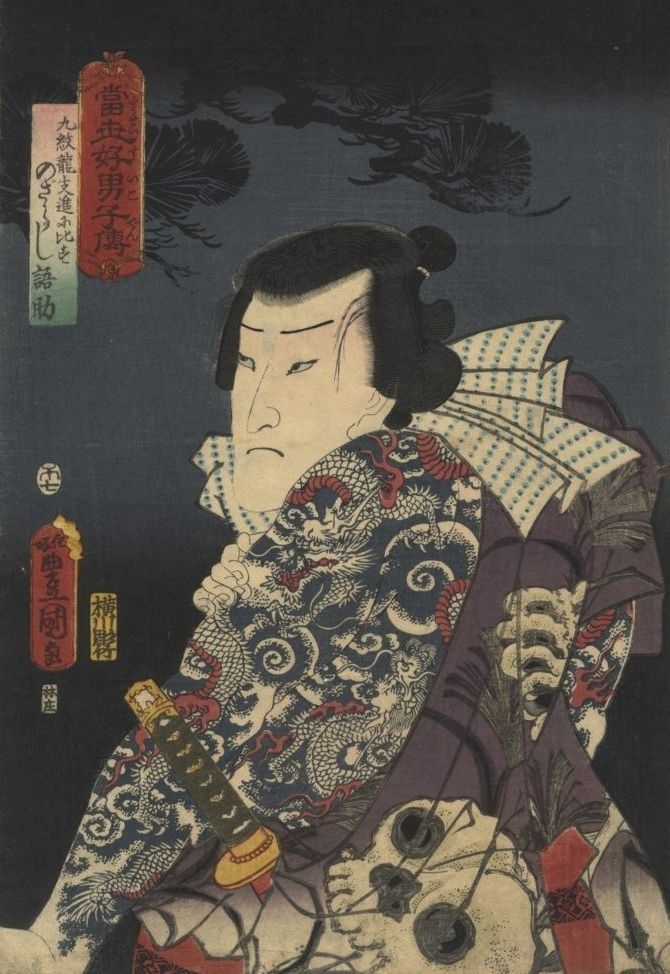
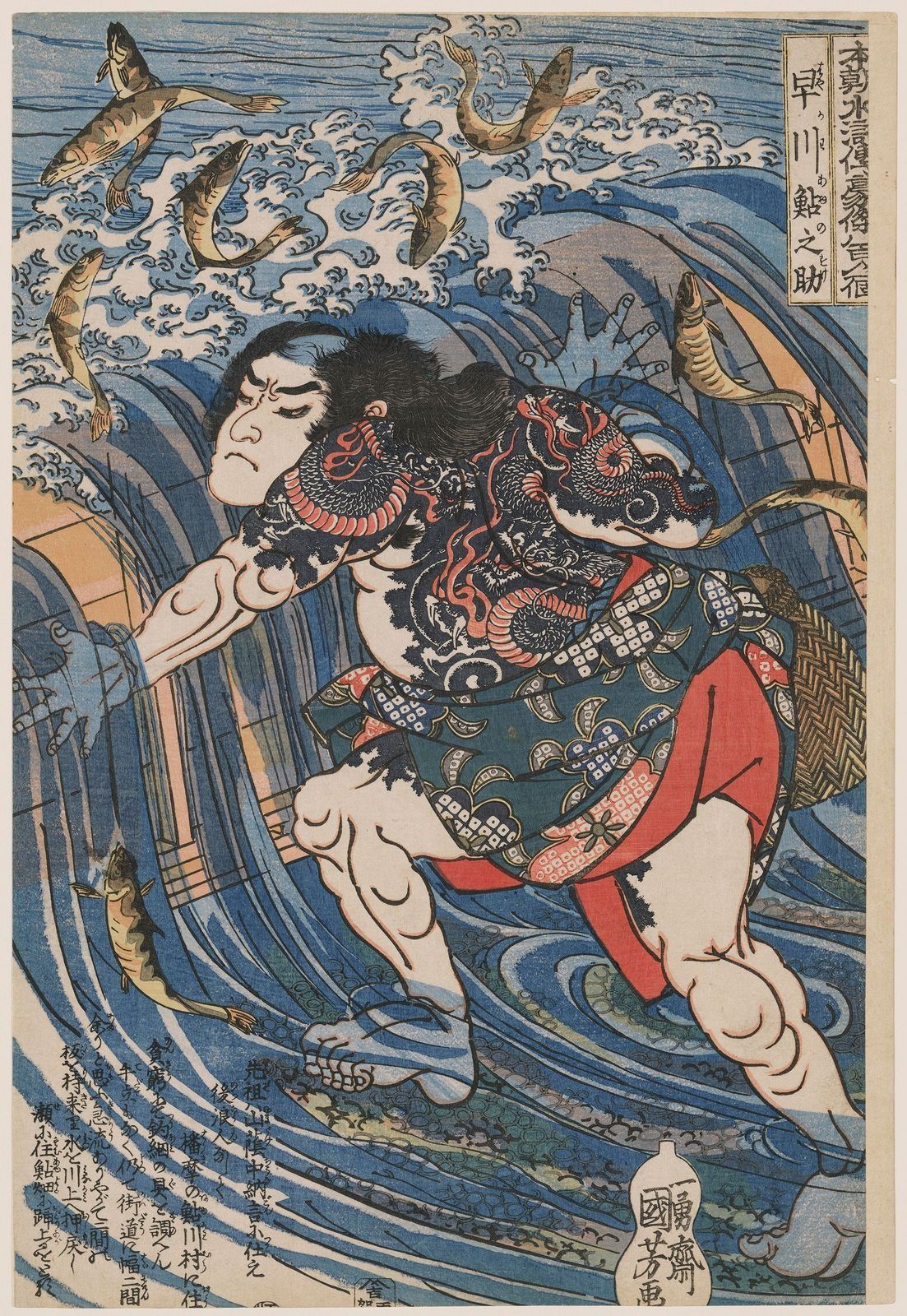
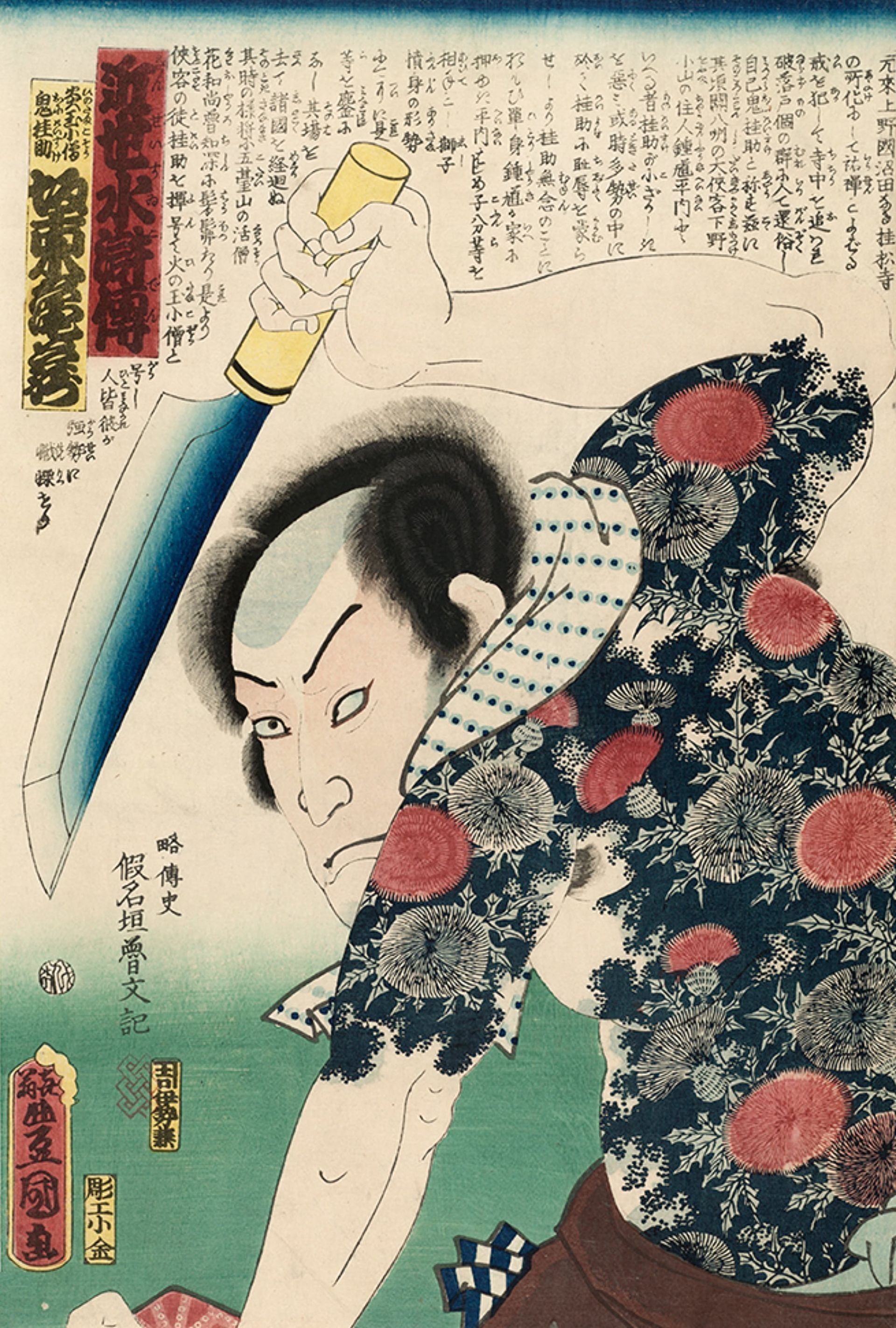
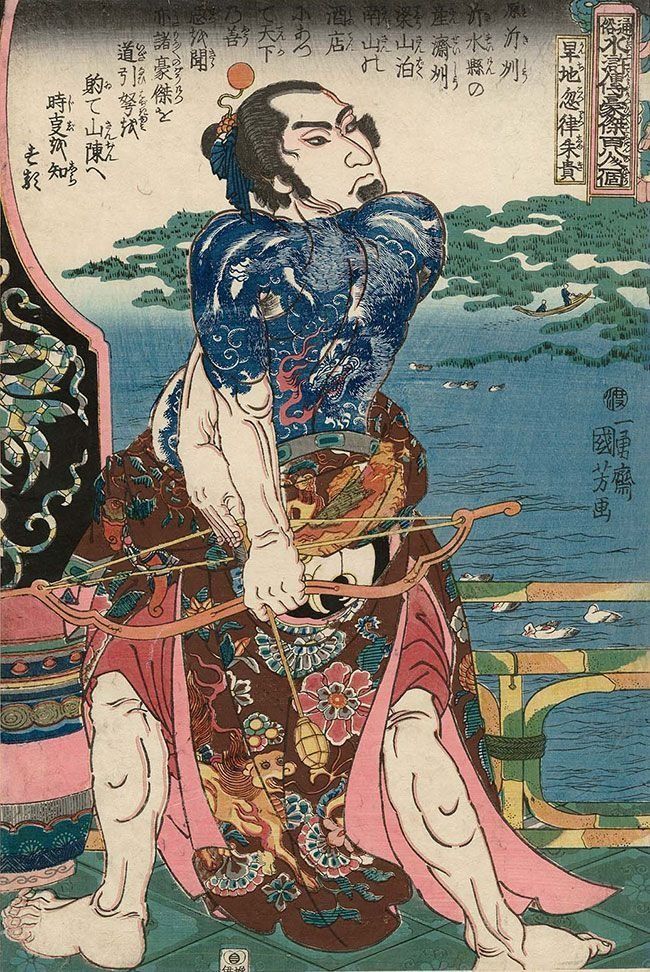
The story of Japanese tattoo history reaches back to the JĹŤmon period, but it was during the Edo era that Irezumi took its most iconic shape. Inspired by ukiyo-e woodblock prints, tattoos of heroes, demons, dragons, and landscapes transformed the human body into a living canvas. These traditions gave Irezumi its visual power and symbolic authority.

Traditions
Zen Principles
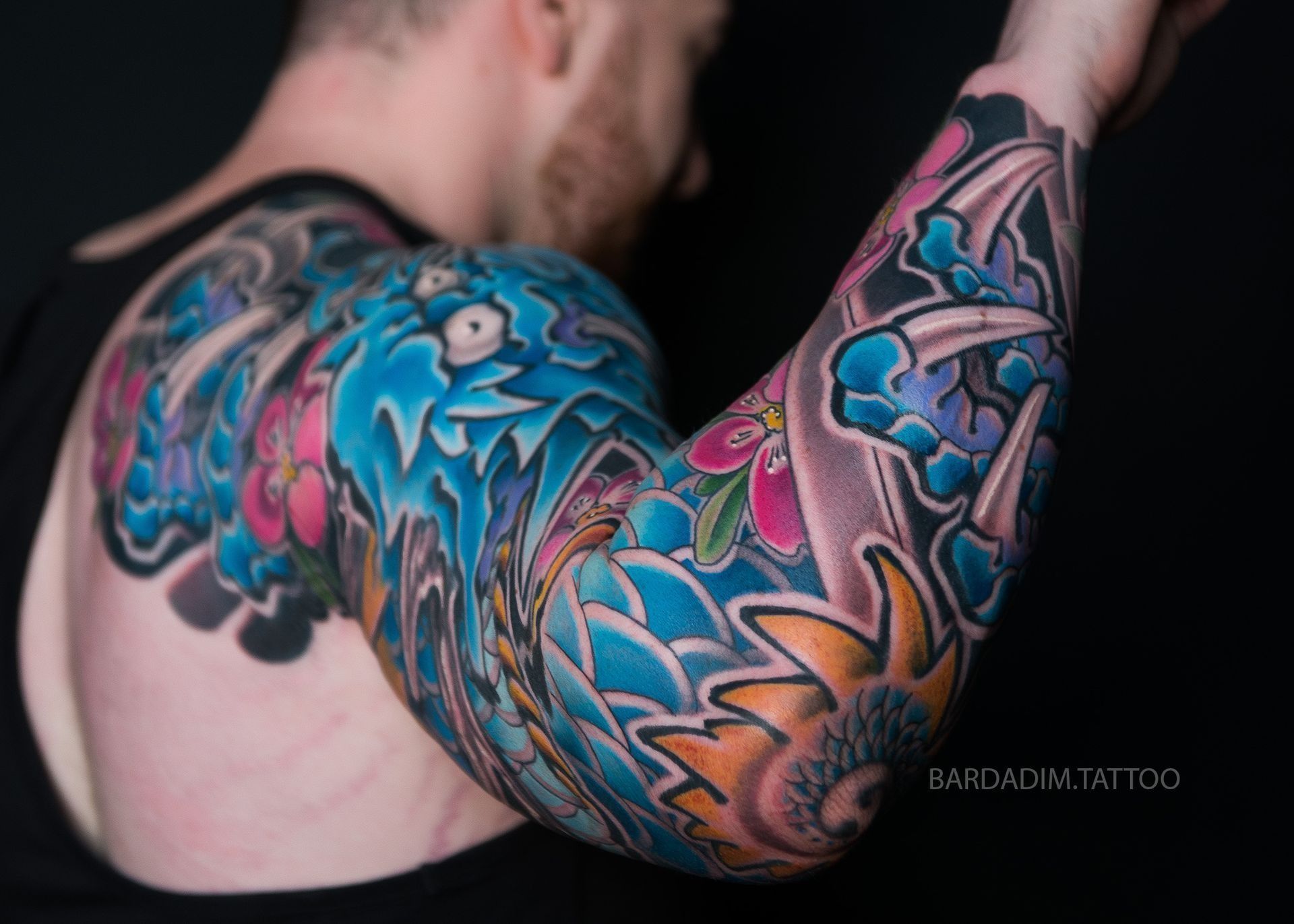
Explore the foundational approaches to Japanese tattoo sleeves—each designed to follow the body’s form, express symbolic depth, and honor the flow of traditional composition.
HIKAE
SHOULDERS AND ARMS
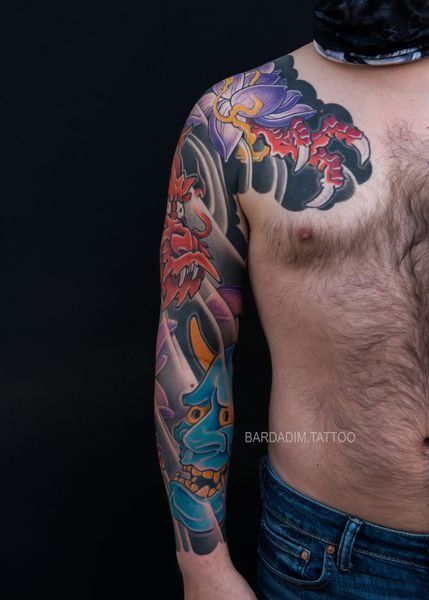
The term ‘Hikae’ means “to restrain oneself,” reflecting this classic tattoo layout. Hikae covers the shoulders and arms, allowing tattoos to be easily concealed with a v-neck shirt. Three common types exist: ‘light,’ covering about one-third of the chest; ‘shallow,’ which stays below the chest muscle; and ‘deep,’ extending over the chest and sometimes around the nipples.
The Irezumi Style Section
Related Pages
Explore other aspects of traditional Japanese tattoo style and learn more about Irezumi layouts, borders, and philosophy.