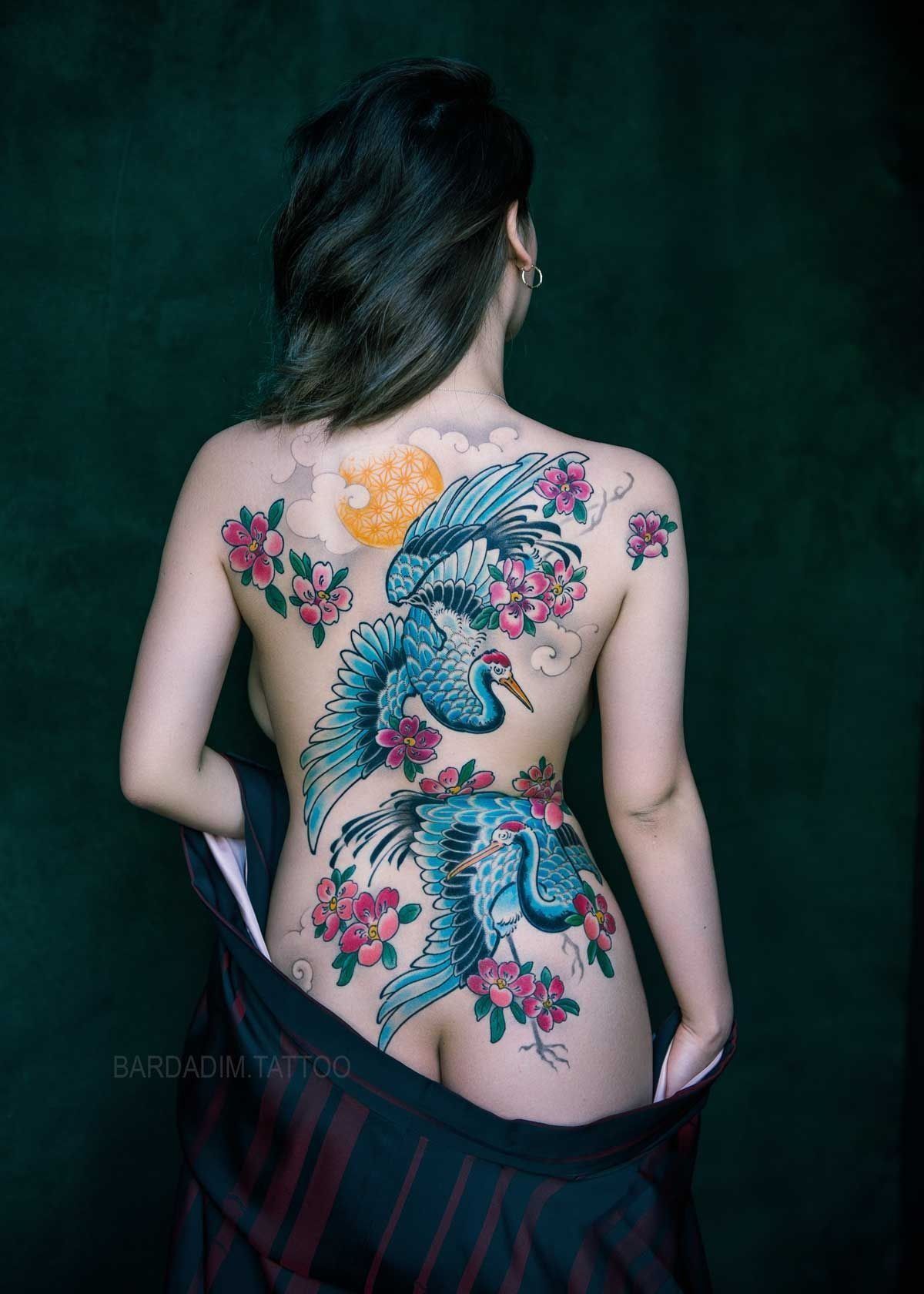
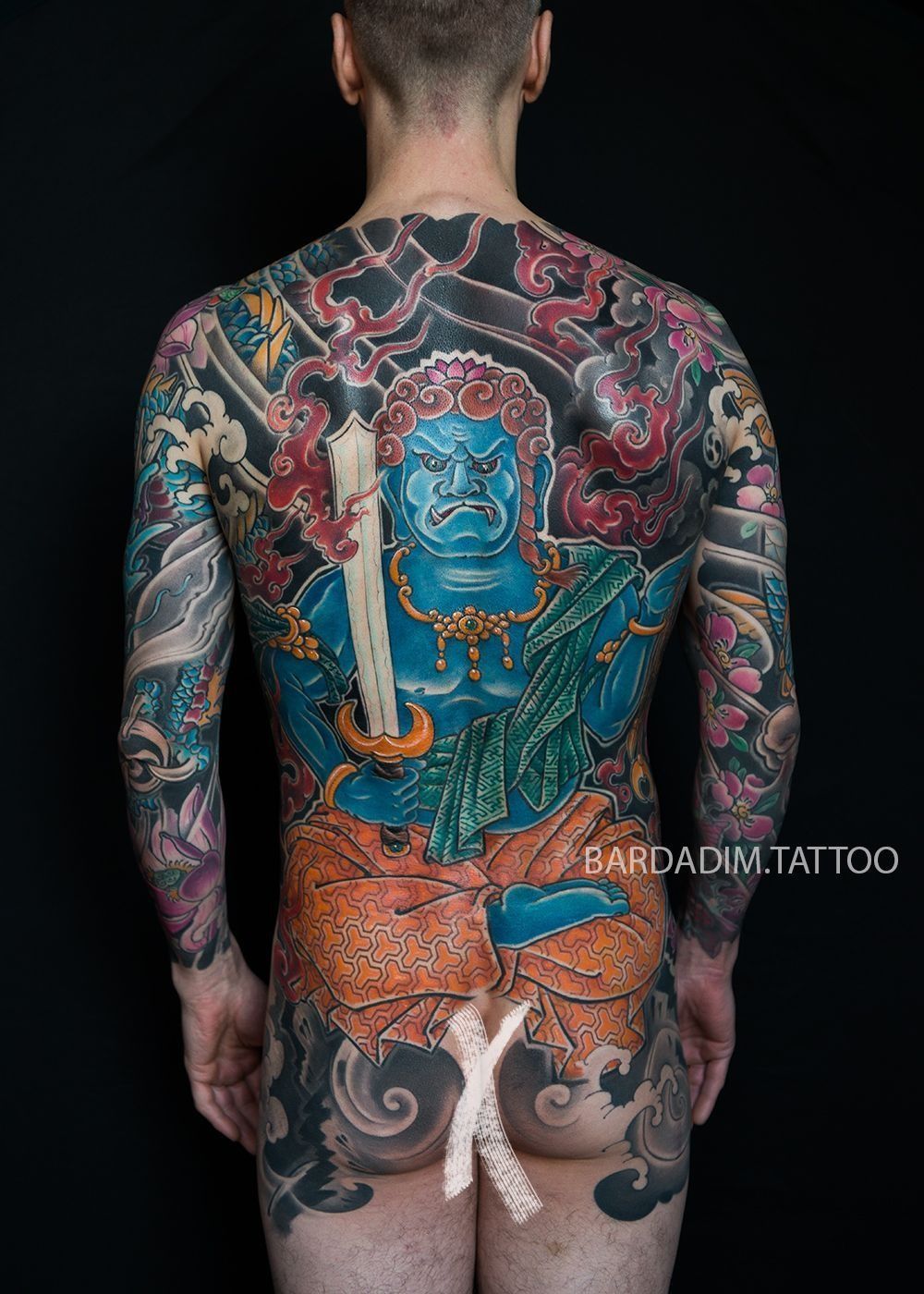
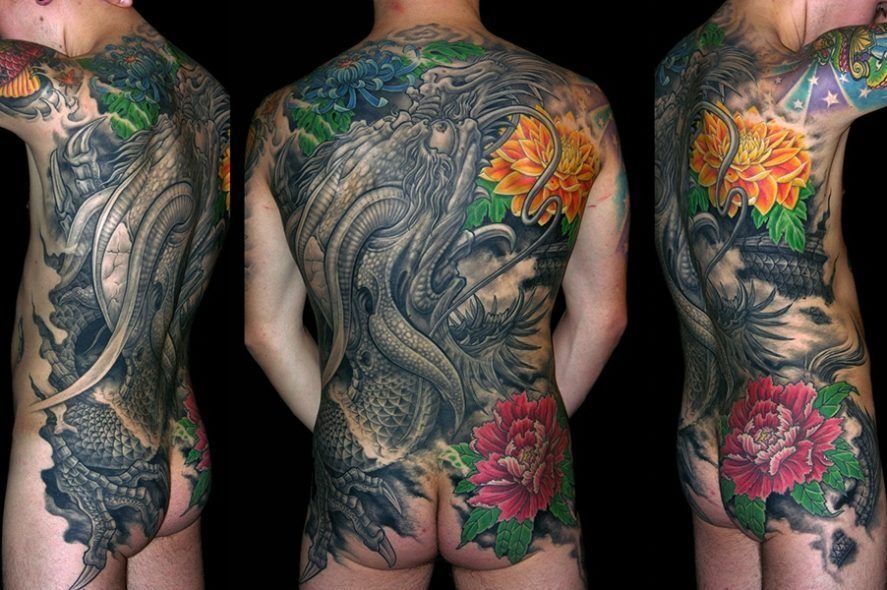
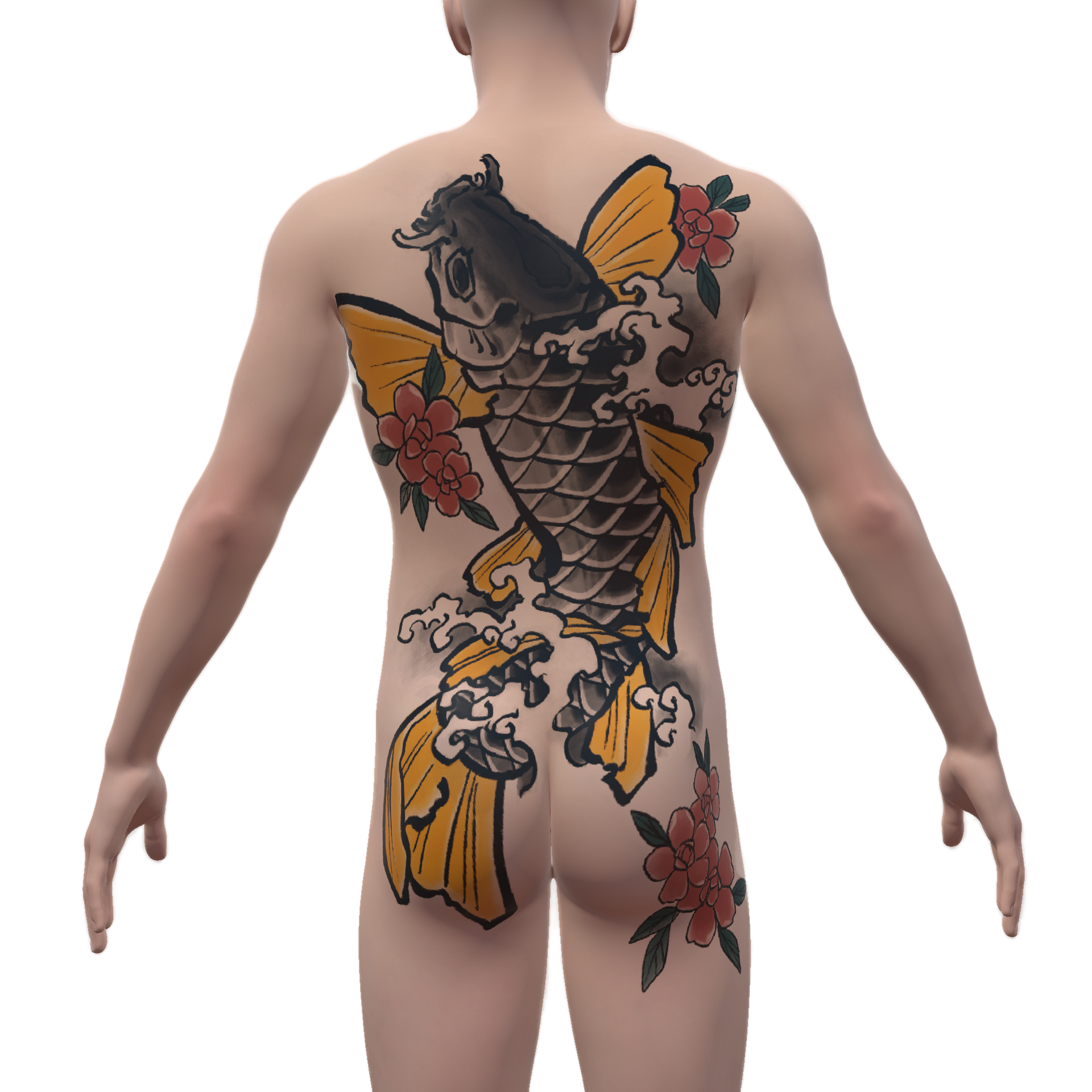
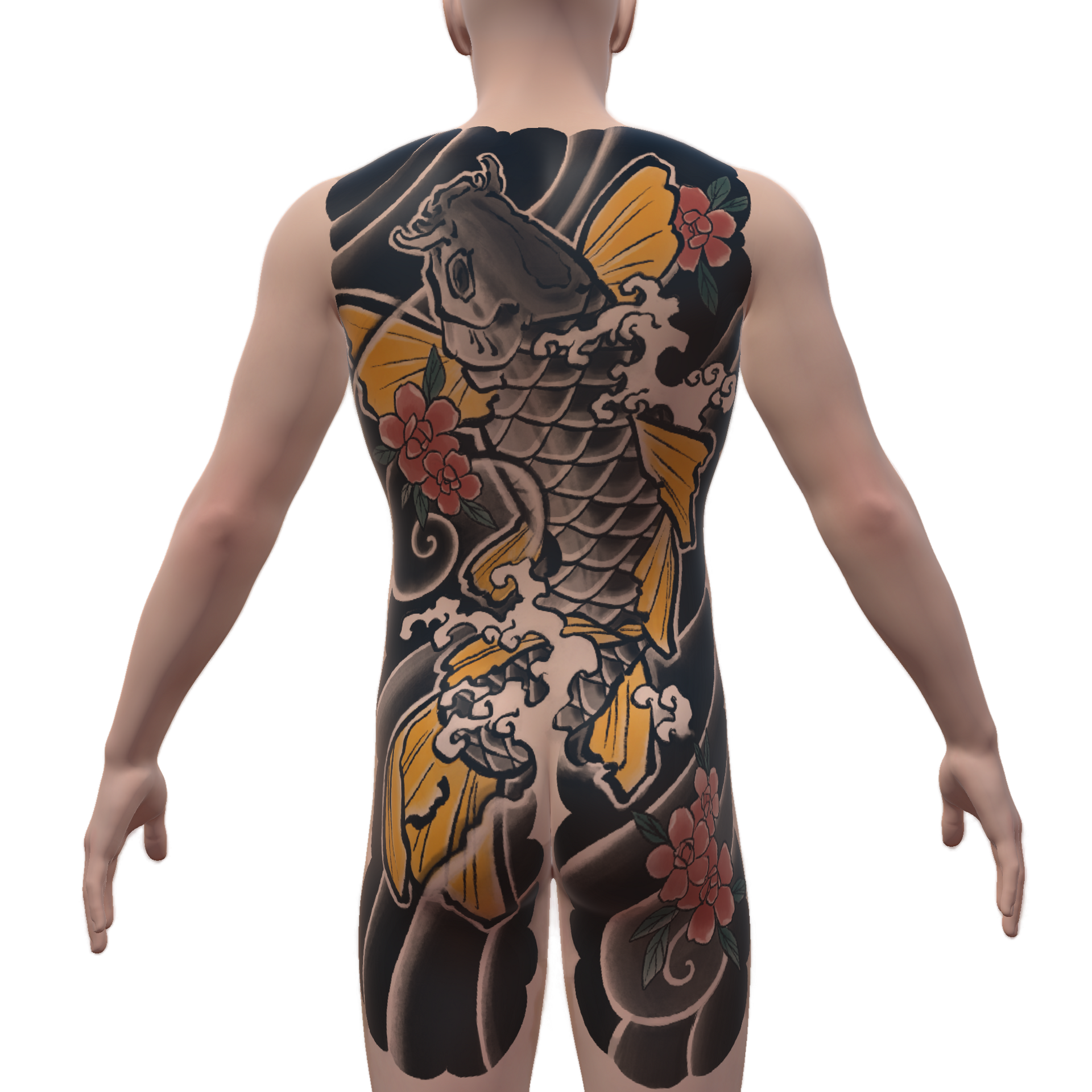
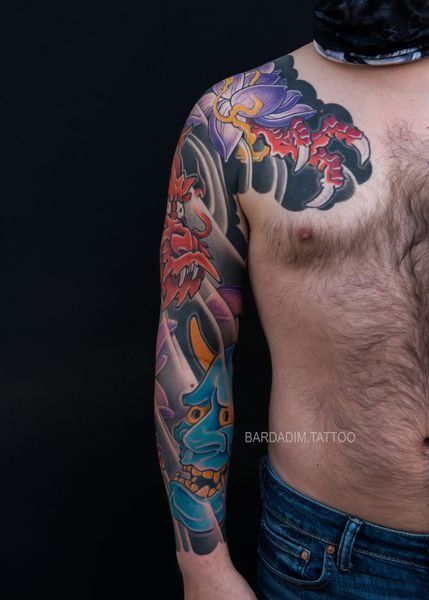
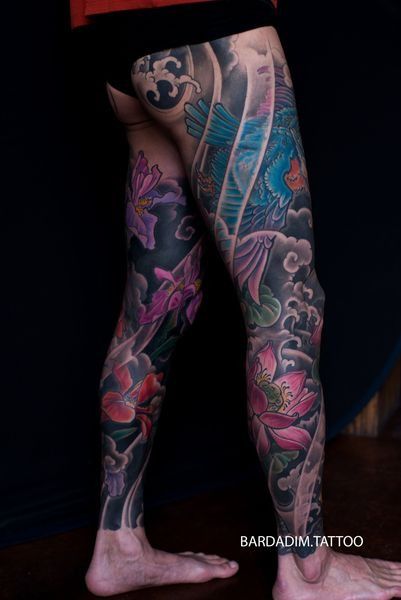
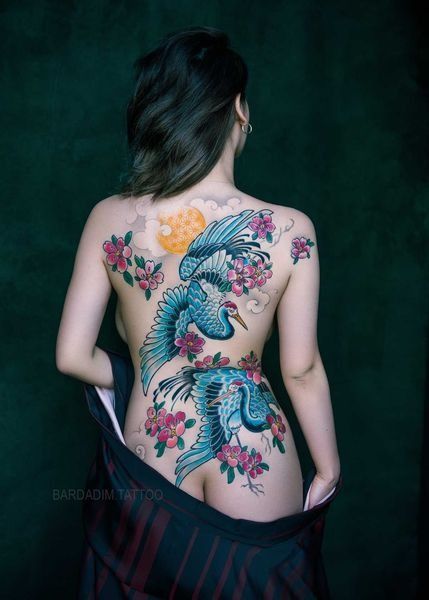
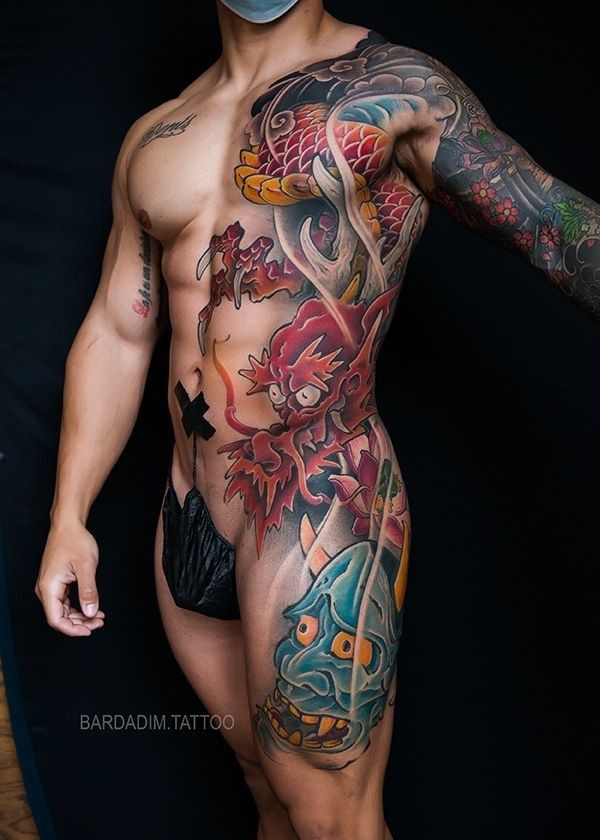
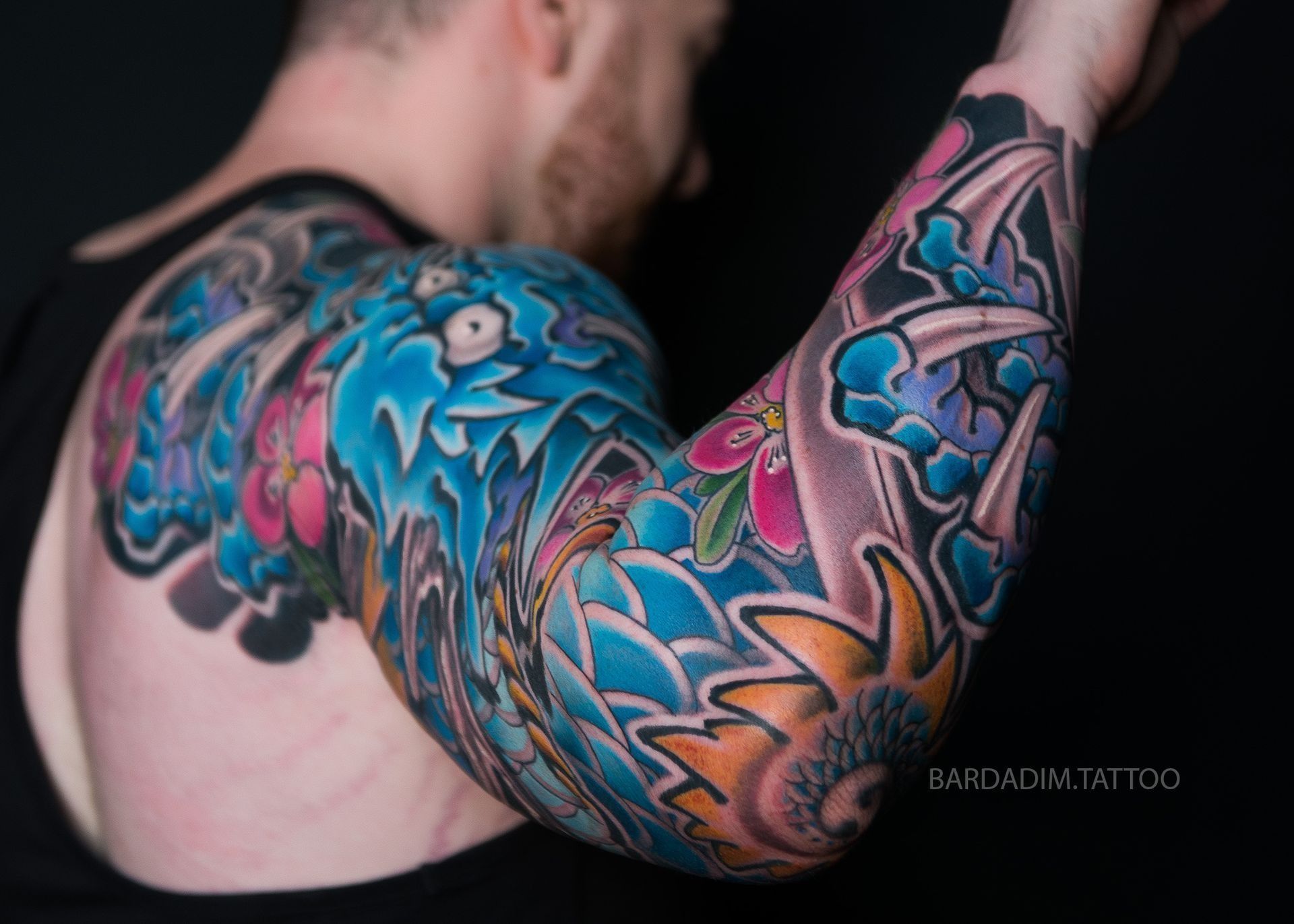
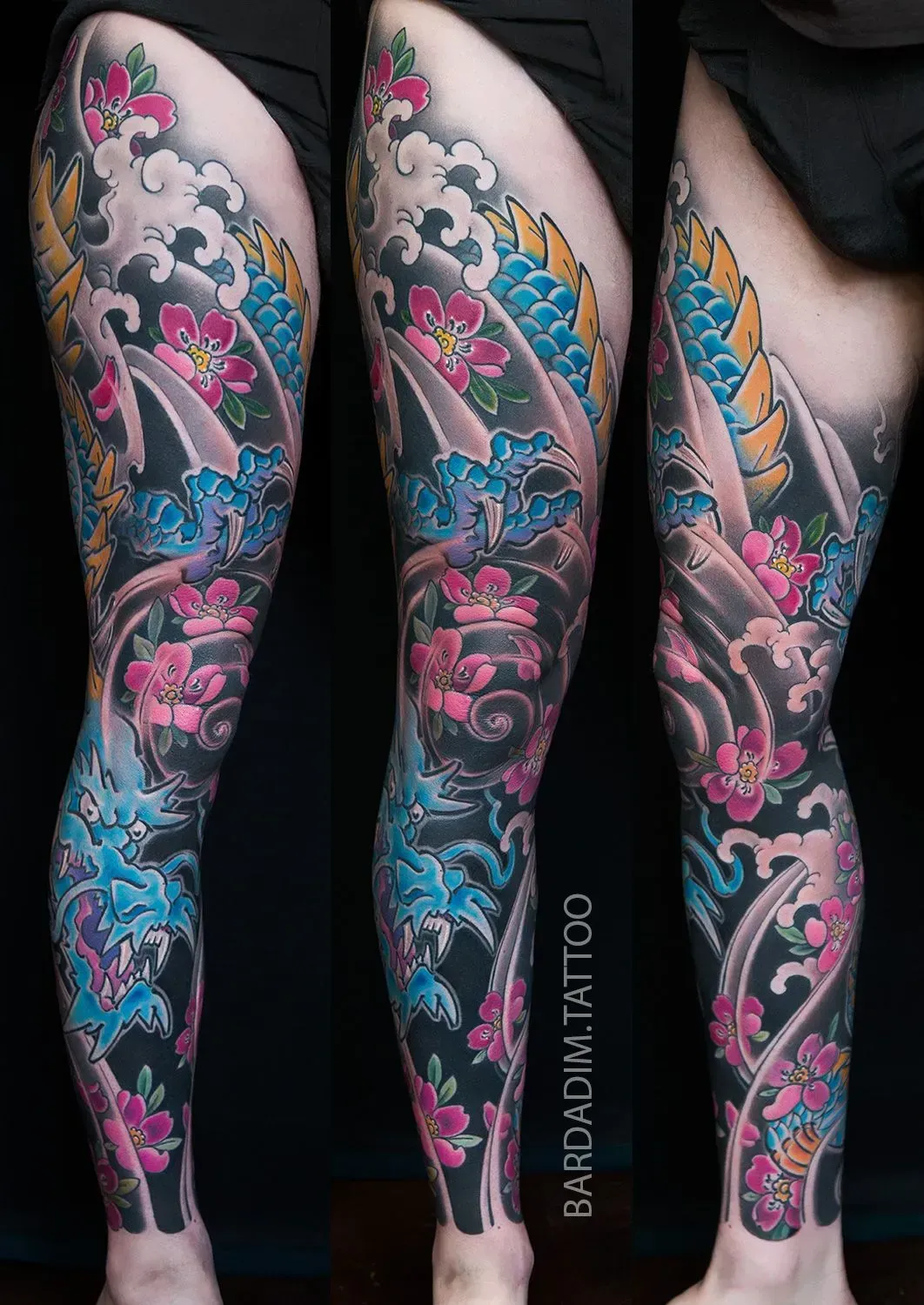
In traditional Japanese tattooing, the way designs are framed is as important as the motifs themselves. Two distinctive approaches: Nuki-bori and Gaku-bori define how classic Irezumi tattoos are composed and read on the body.
Nuki-bori
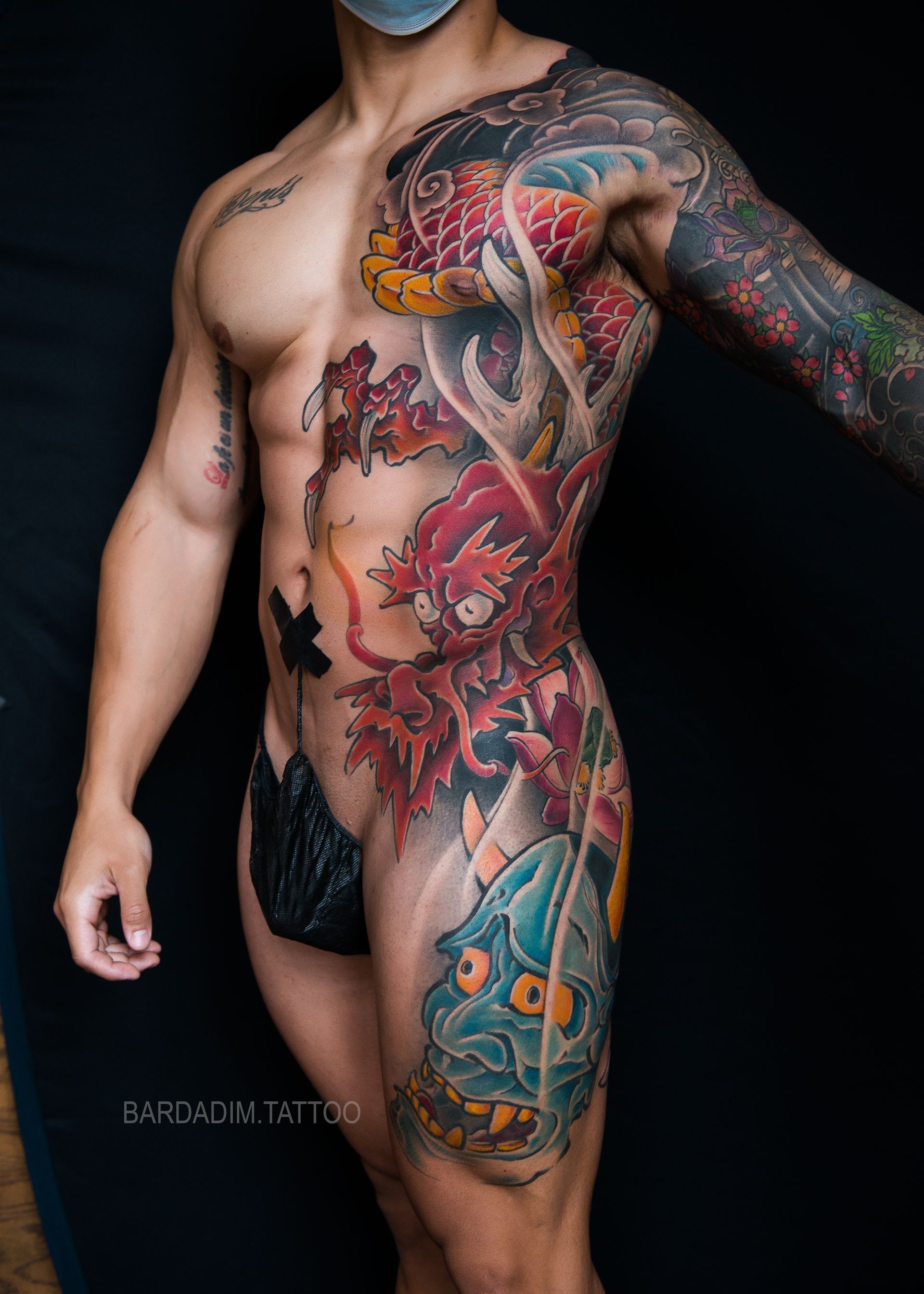
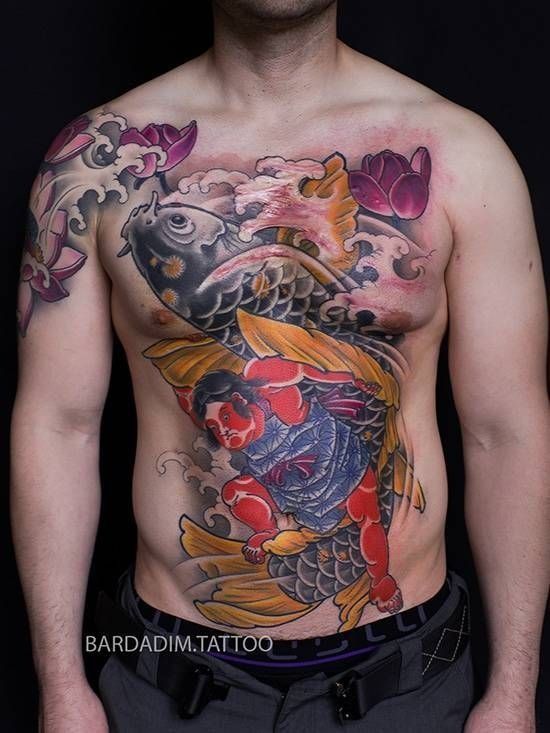
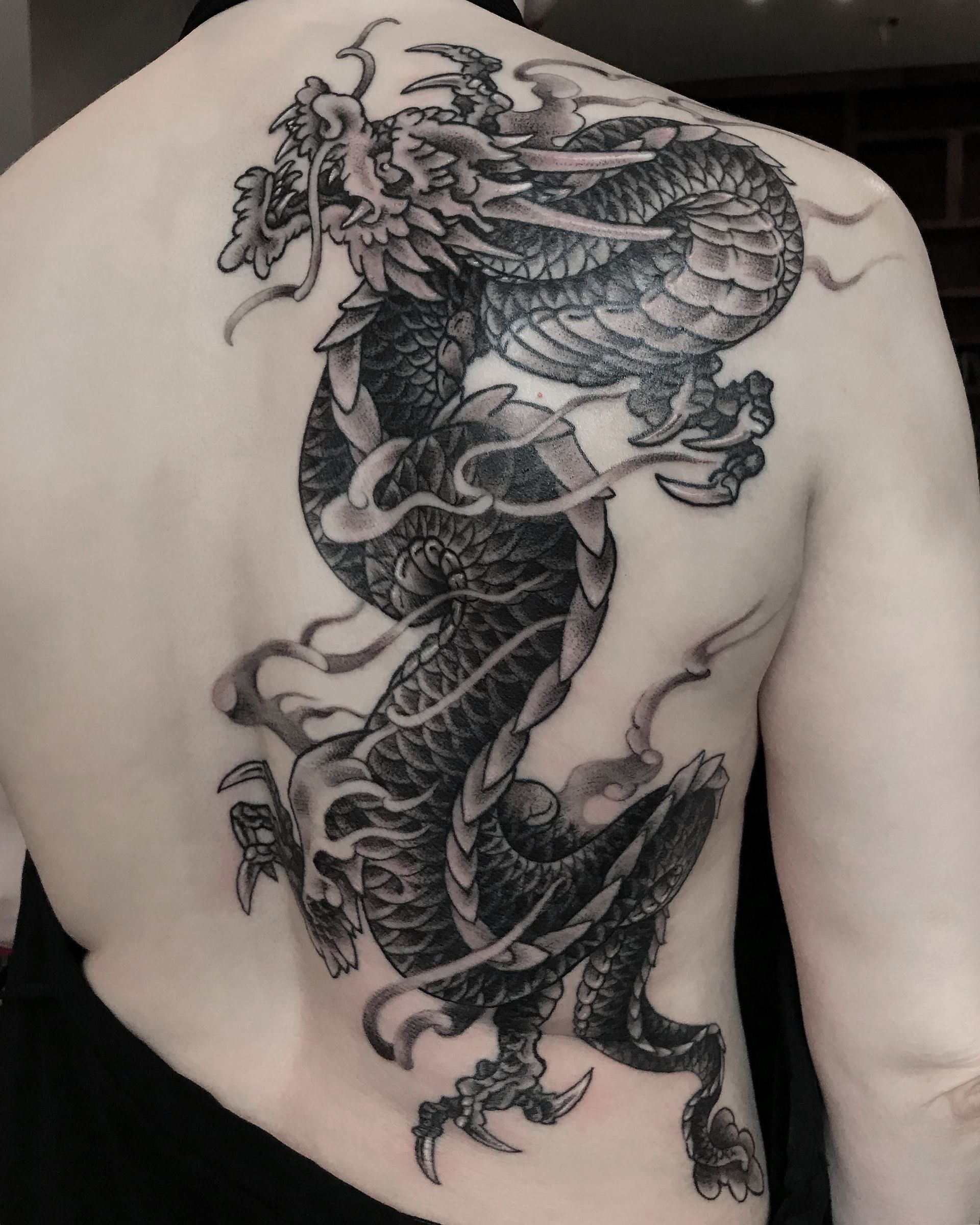
A type where the main motif stands alone, without a background.
Highlights the purity and symbolic clarity of the design.
Commonly used for powerful figures such as dragons, deities, or mythological heroes.
Searches for “nuki bori tattoo style” often emphasize its minimal yet bold appearance.
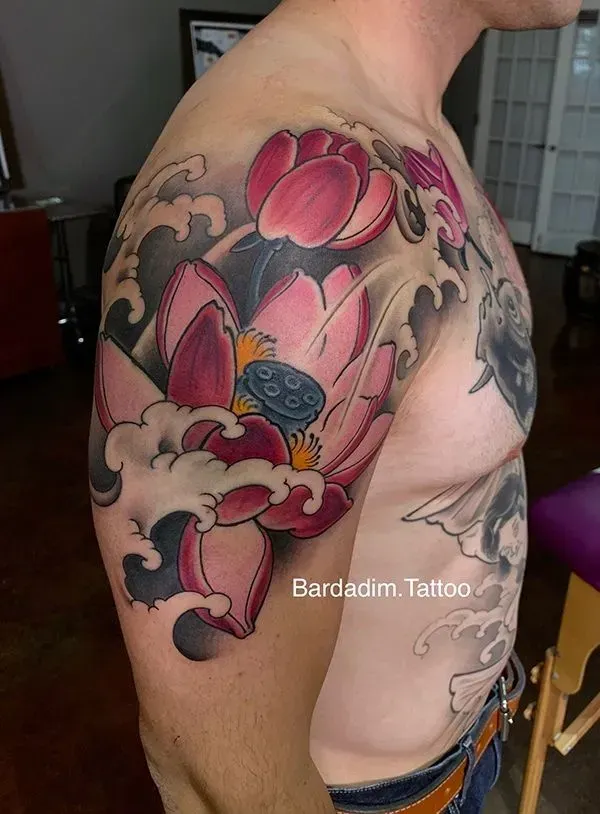
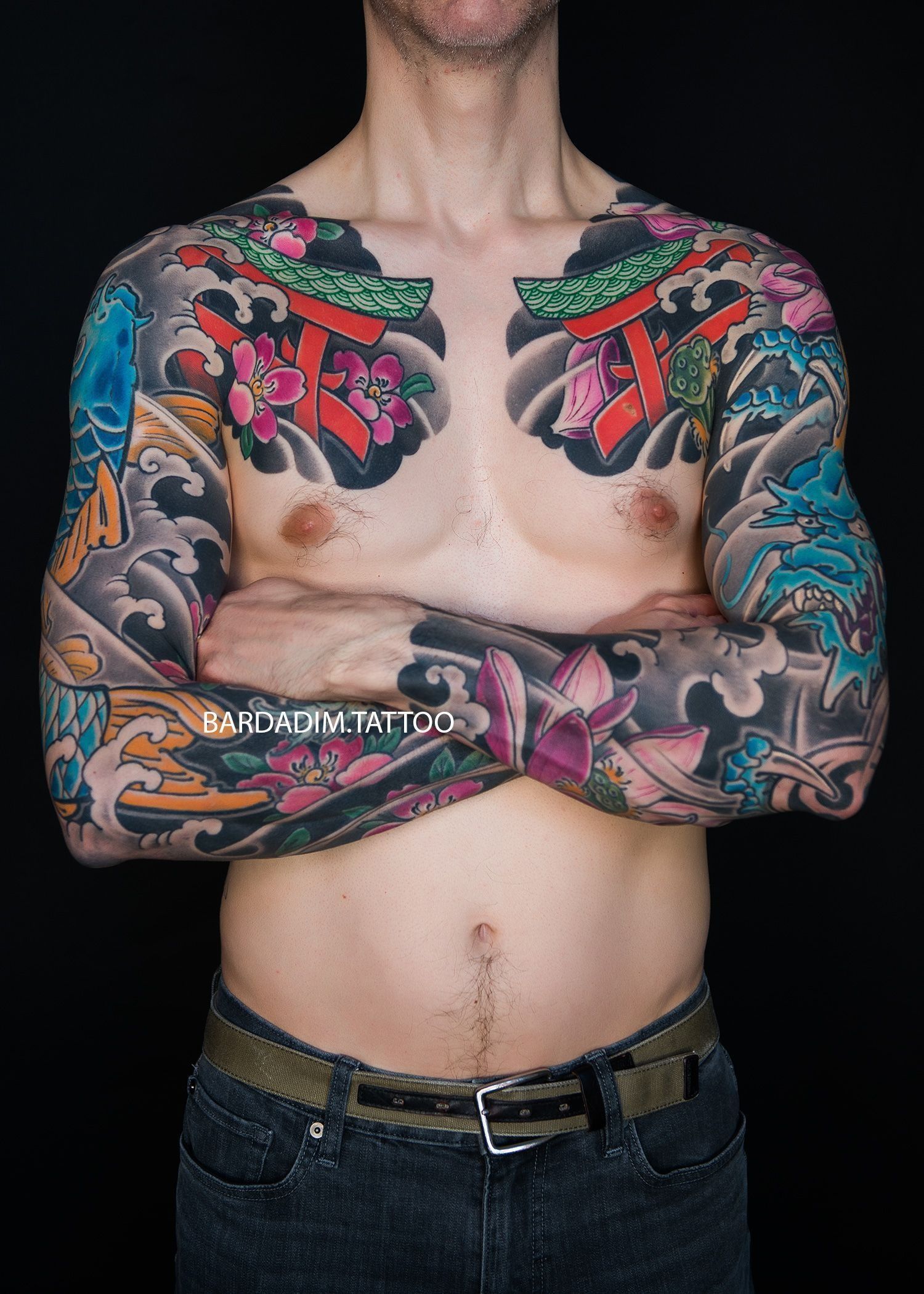
The term ‘Hikae’ means “to restrain oneself,” reflecting this classic tattoo layout. Hikae covers the shoulders and arms, allowing tattoos to be easily concealed with a v-neck shirt. Three common types exist: ‘light,’ covering about one-third of the chest; ‘shallow,’ which stays below the chest muscle; and ‘deep,’ extending over the chest and sometimes around the nipples.
The traditions of Irezumi combine Japanese aesthetics with discipline, creating tattoos that are more than visuals - they are a philosophy etched into the skin.
The Irezumi Style Section
Related Pages
Explore other aspects of traditional Japanese tattoo style and learn more about Irezumi layouts, borders, and philosophy.