Full Back Japanese Tattoo -
Protection, discipline, and moral strength in Japanese tattoo tradition
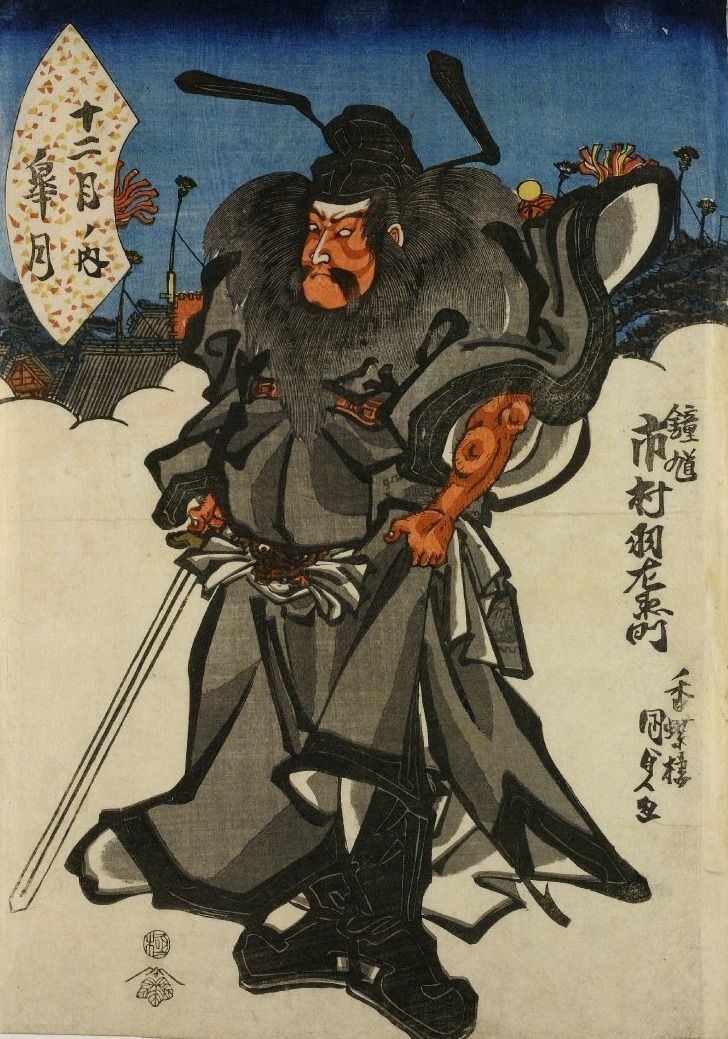
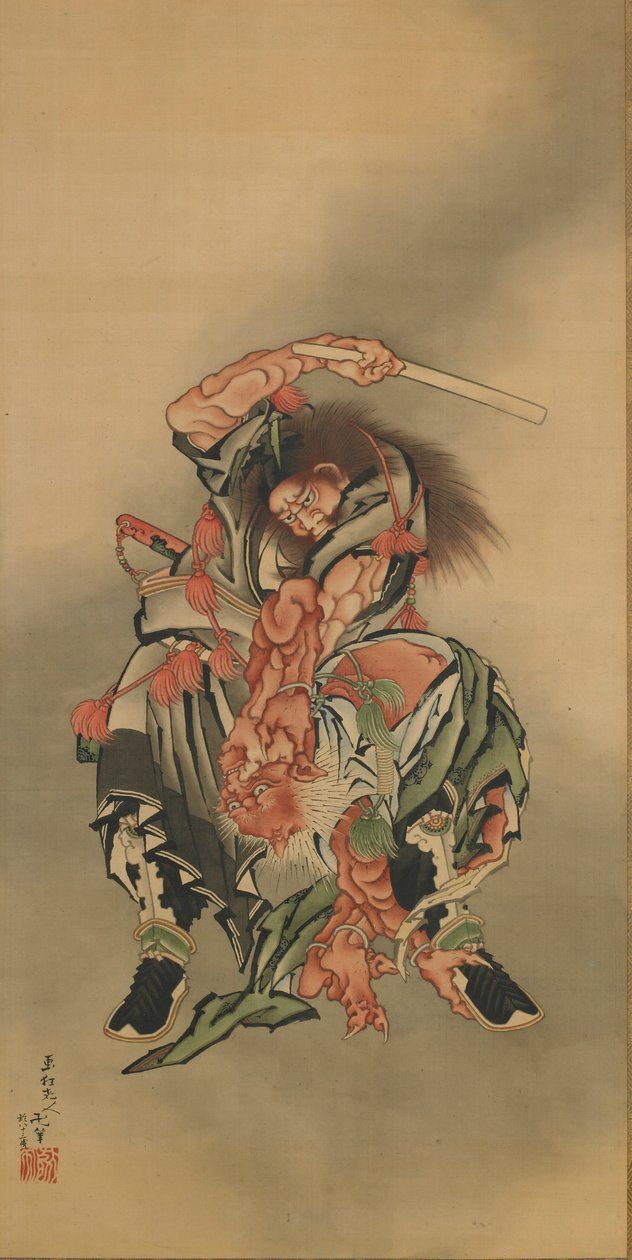
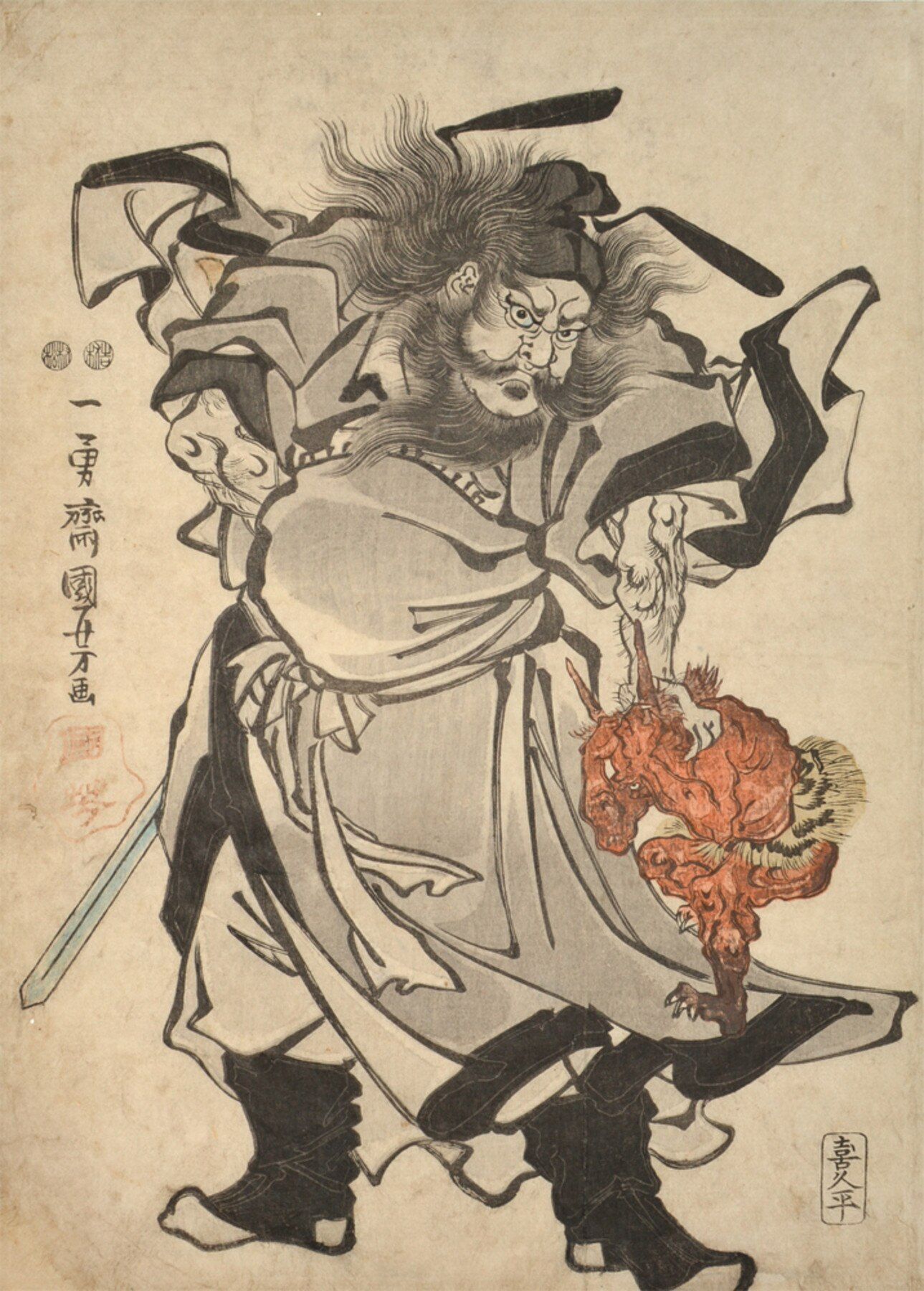
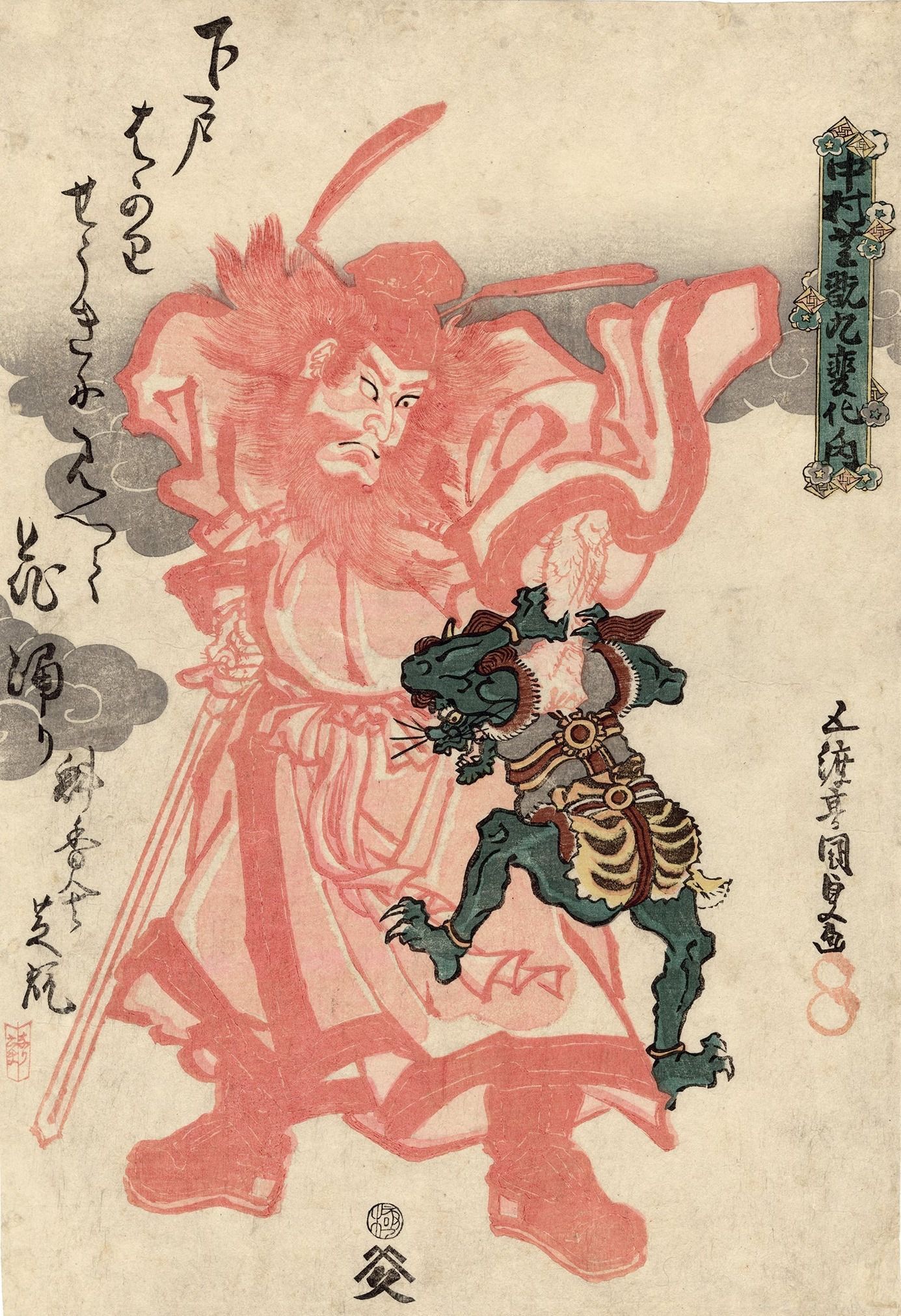
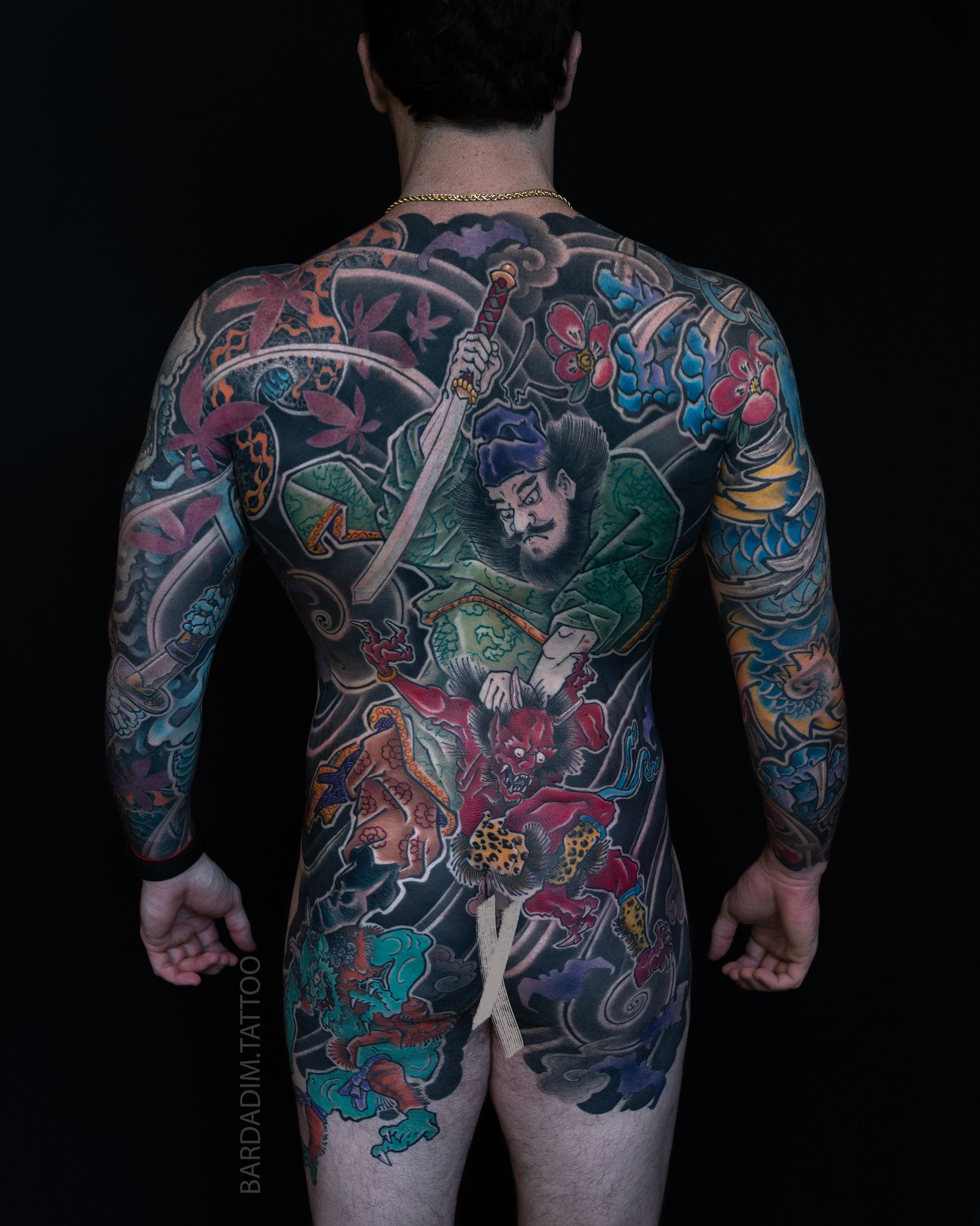
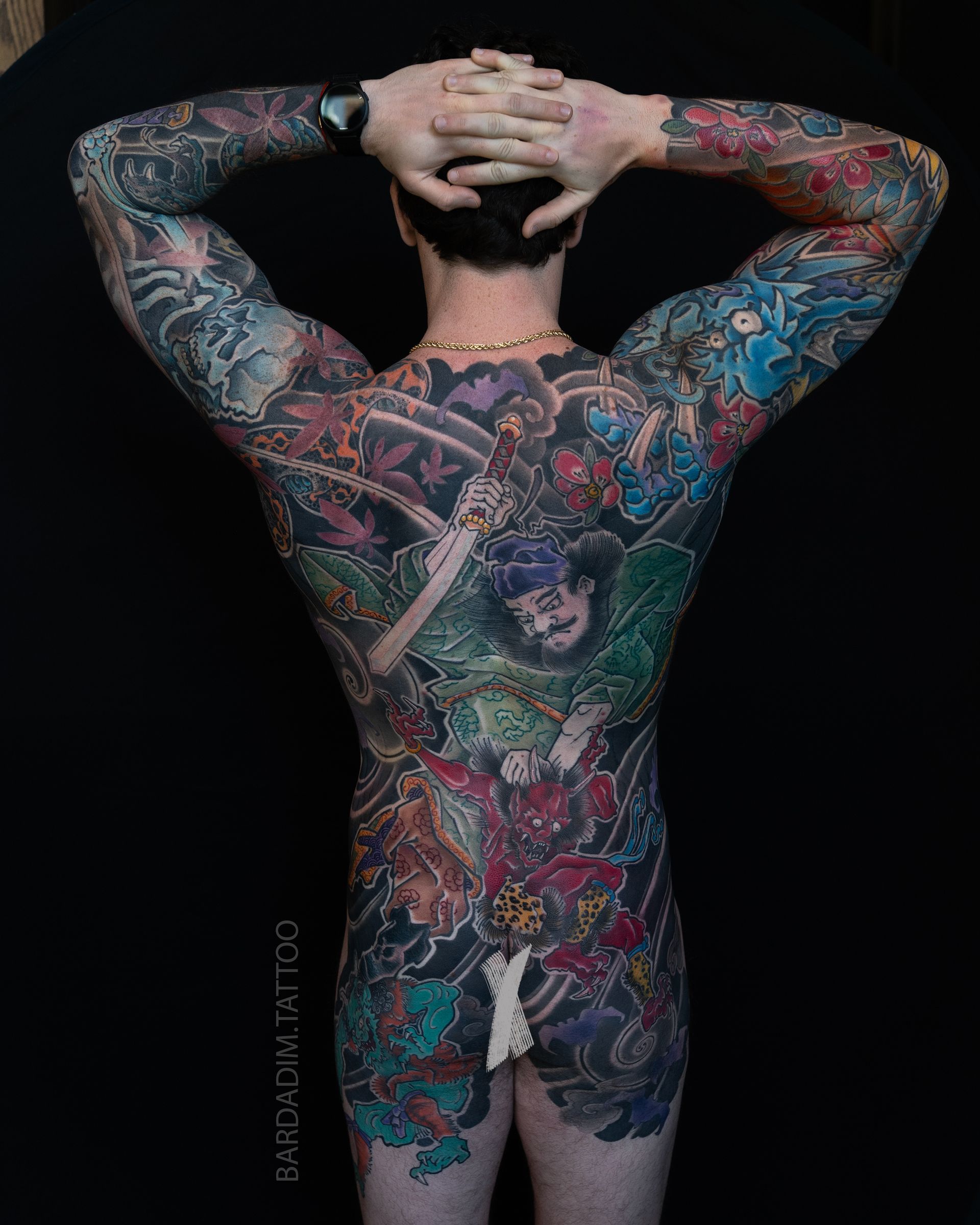
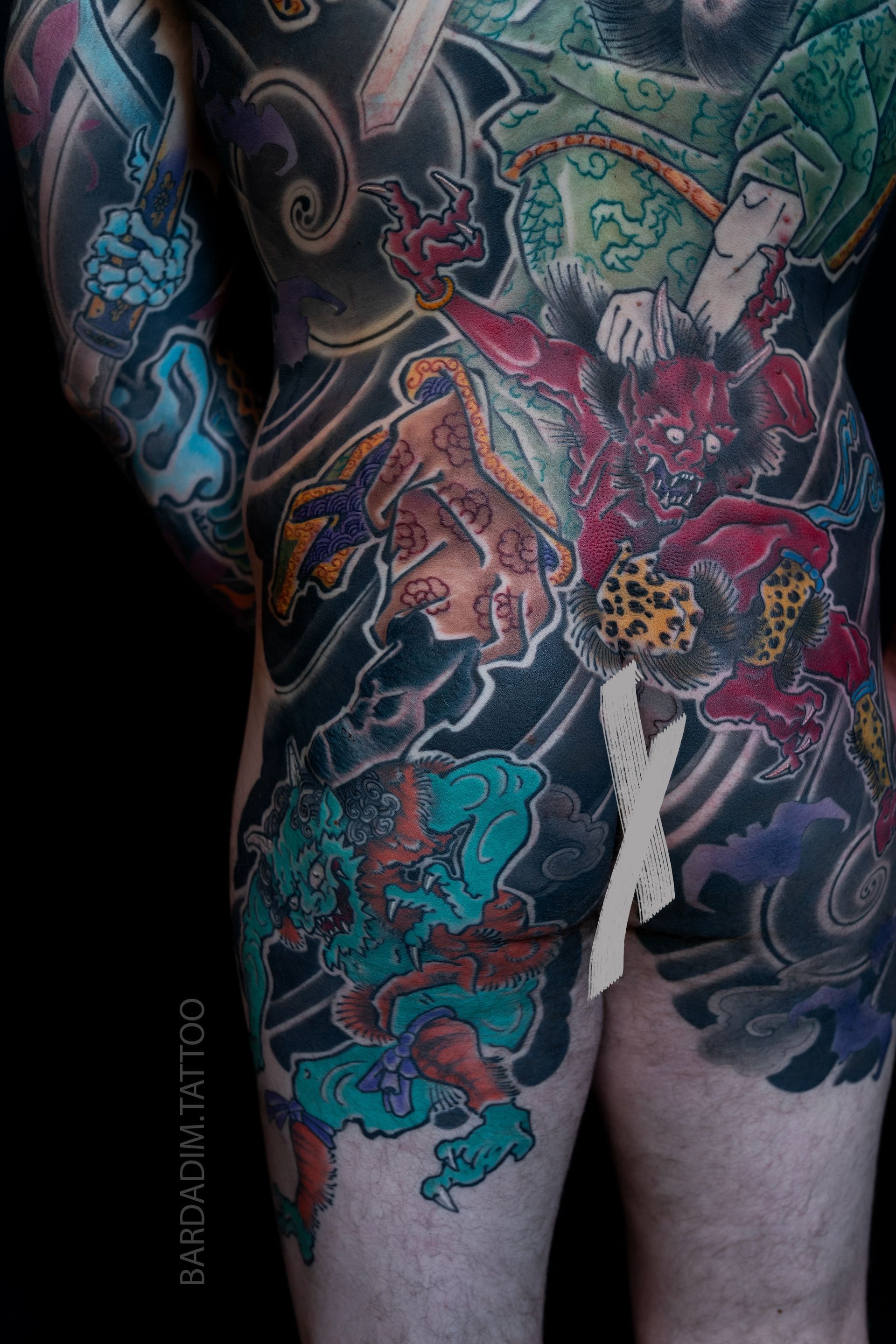
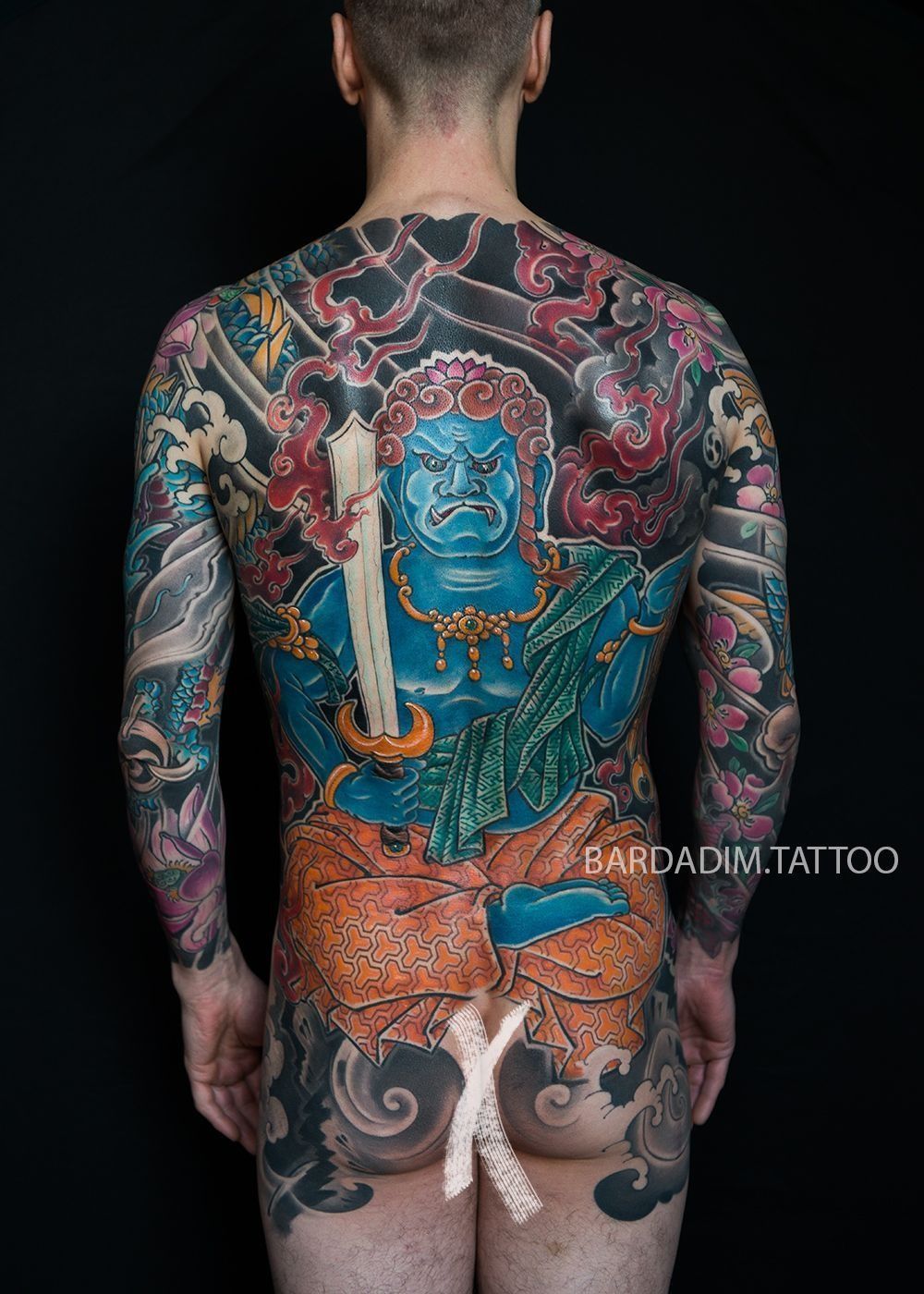
A full back tattoo depicting Shoki the Demon Queller represents one of the most powerful protective archetypes in traditional Japanese tattooing. In irezumi, Shoki symbolizes active resistance to chaos, personal discipline, and the ability to confront both external threats and inner demons. As a backpiece, this subject reaches its highest symbolic and visual potential.
Who is Shoki in Japanese culture
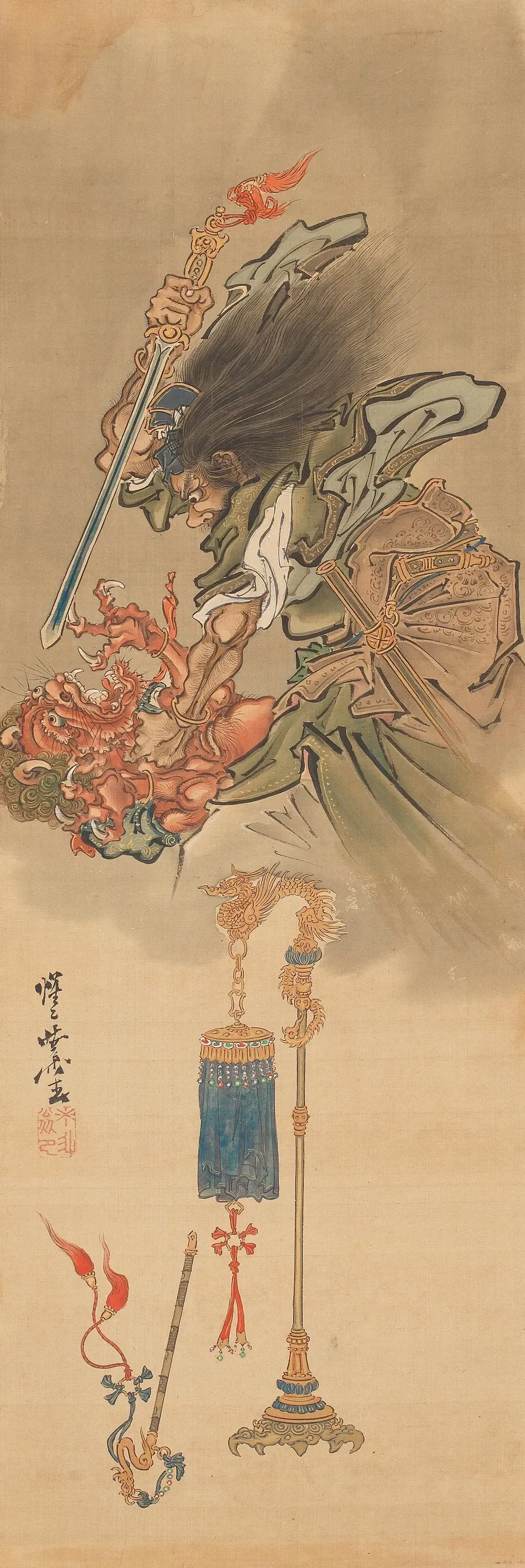
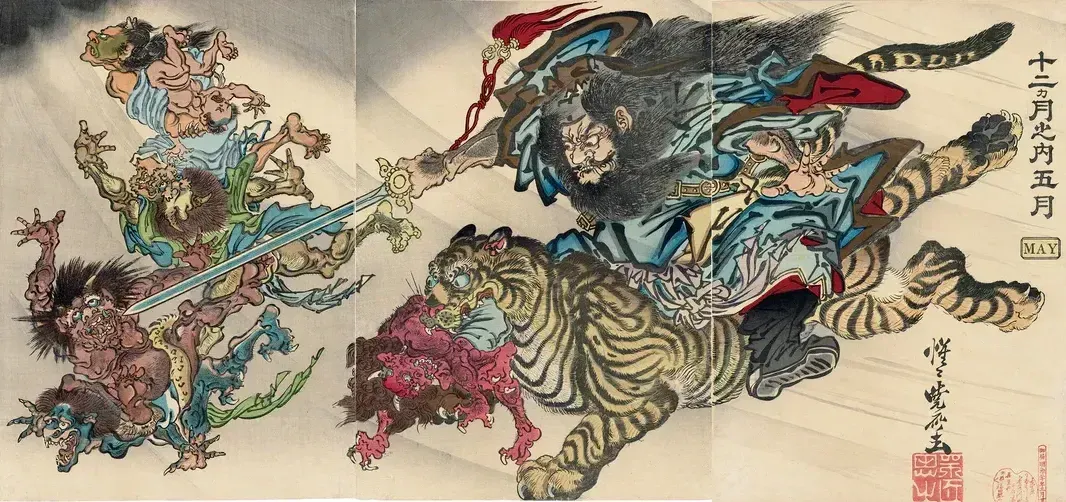
Shoki, known as the Demon Queller, entered Japanese culture through Chinese influence and later became a widely recognized protector against evil spirits and disease. In Japan, his image was traditionally displayed at entrances of homes, on hanging scrolls, and in woodblock prints as a symbolic guardian against oni and malevolent forces.
Unlike gods or mythical creatures, Shoki is portrayed as a mortal man. His power comes not from divinity, but from discipline, resolve, and moral clarity. This distinction makes Shoki especially meaningful within Japanese thought.
Shoki represents strength achieved through self-mastery rather than inherited power.
The meaning of Shoki in Japanese tattooing
Within Japanese tattoo tradition, Shoki functions as an image of active protection. He does not repel evil passively, but confronts it directly. This makes Shoki a symbol of personal responsibility and conscious resistance.
Core symbolic meanings of a Shoki tattoo include:
- protection from negative influences
- control over fear and destructive impulses
- discipline and inner order
- moral integrity
- readiness to confront adversity
As a central figure, Shoki is particularly well suited for large-scale projects such as full back tattoos.
Why Shoki is ideal for a full back tattoo
In traditional Japanese tattoo composition, the back is considered a space of strength and responsibility. It is the area that follows the wearer silently, unseen yet ever-present. Placing Shoki on the back reinforces his role as a guardian standing between the individual and external chaos.
From a compositional perspective, a backpiece allows:
- full-scale depiction of Shoki’s figure
- dynamic movement and narrative tension
- interaction with oni, shadow, and background elements
- clear hierarchy and long-term readability
A Shoki back tattoo functions as a symbolic shield, expressing protection through confrontation rather than avoidance.
Compositional principles of a Shoki backpiece
Traditionally, Shoki is shown in motion, wielding a sword at the moment of engagement. His expression is intense but controlled, emphasizing resolve rather than rage. The composition must balance aggression with discipline.
Common compositional elements include:
- oni or implied demonic presence
- strong directional movement, often diagonal or downward
- dark backgrounds for contrast and depth
- expressive facial structure and posture
The goal is to convey determination, not chaos.