FUDO MYO-O: A fierce guardian deity in traditional Japanese art

George Bardadim • 21 June 2024

Cultural Significance and Connection with Traditional Japanese Art Forms

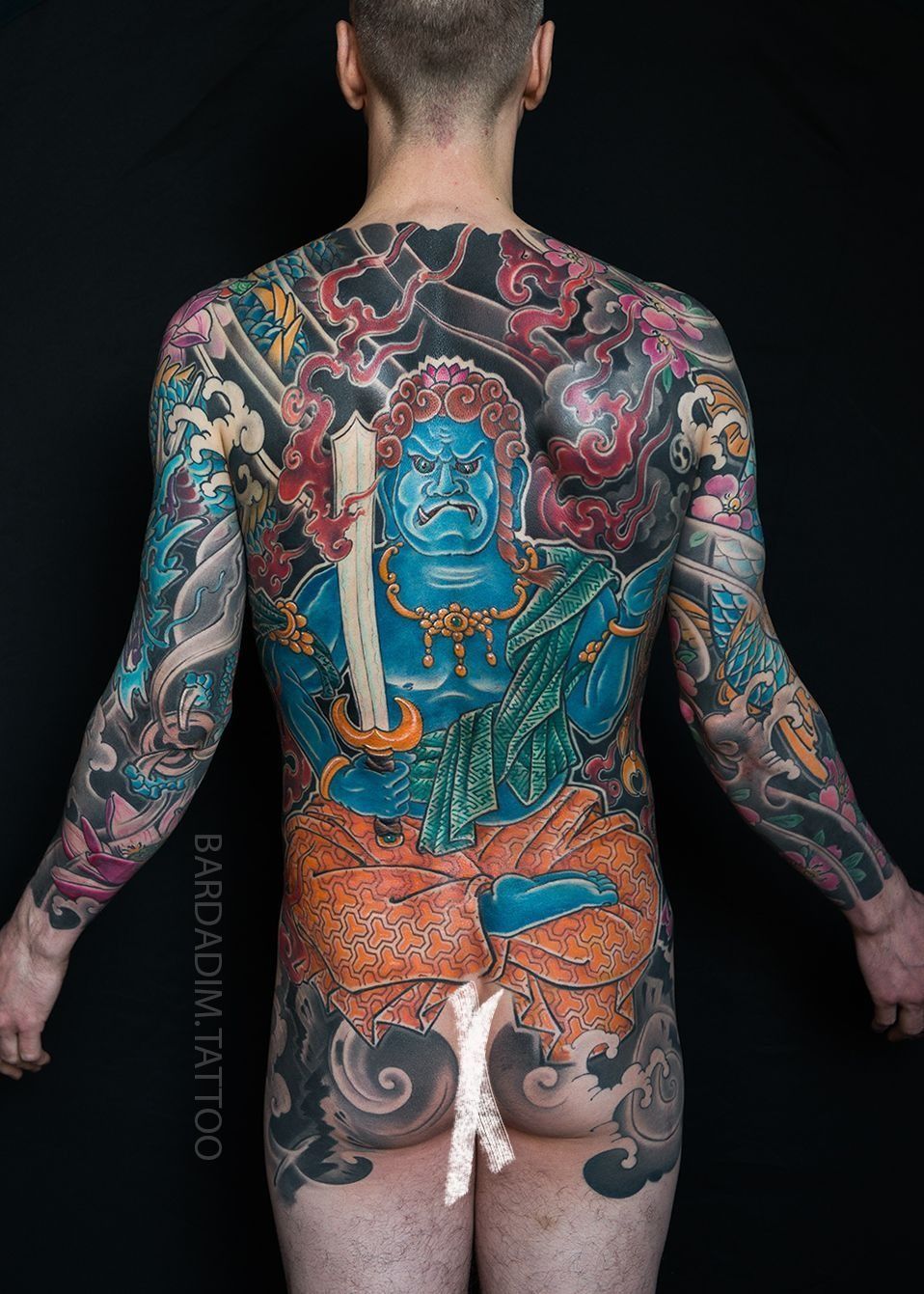
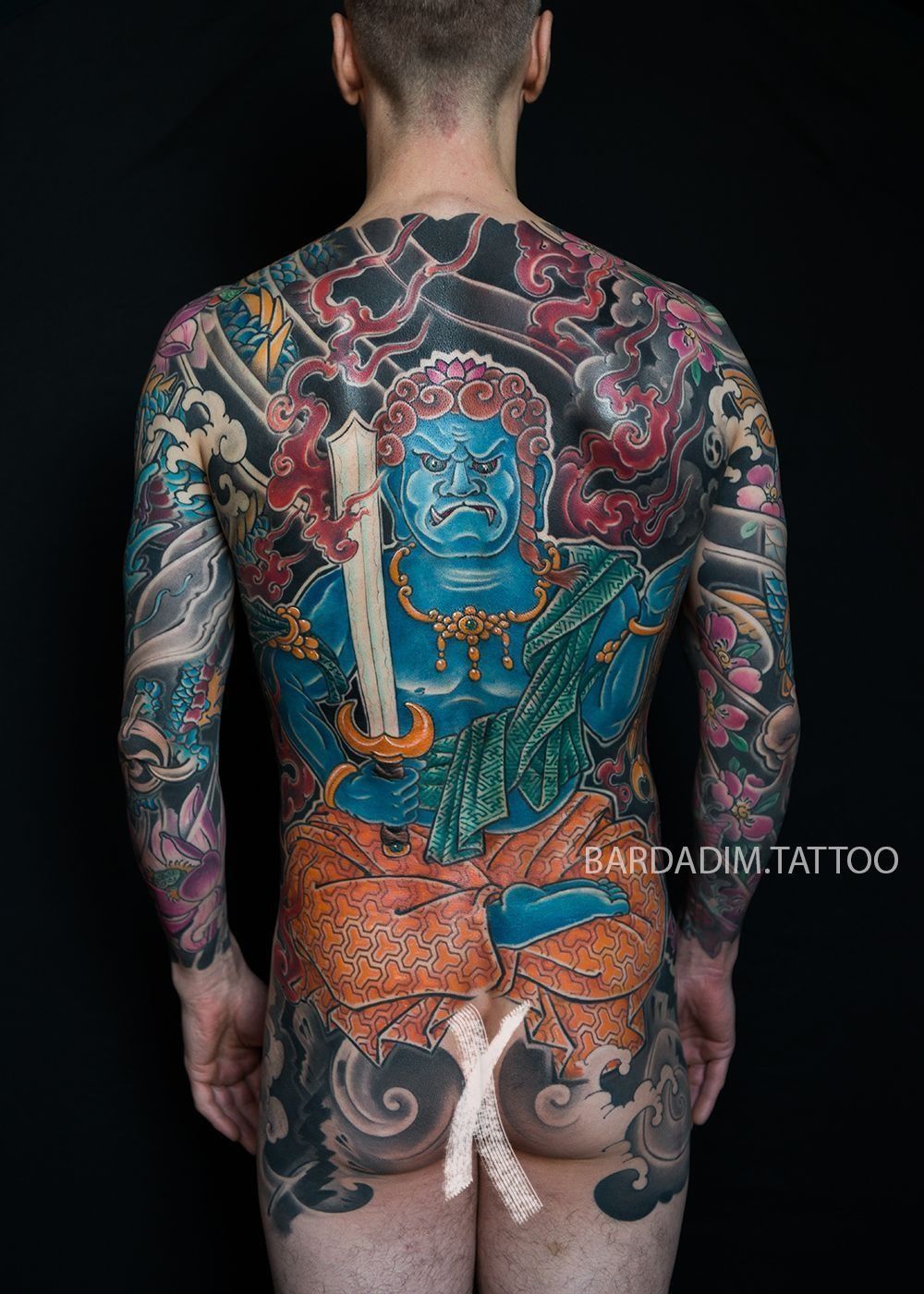
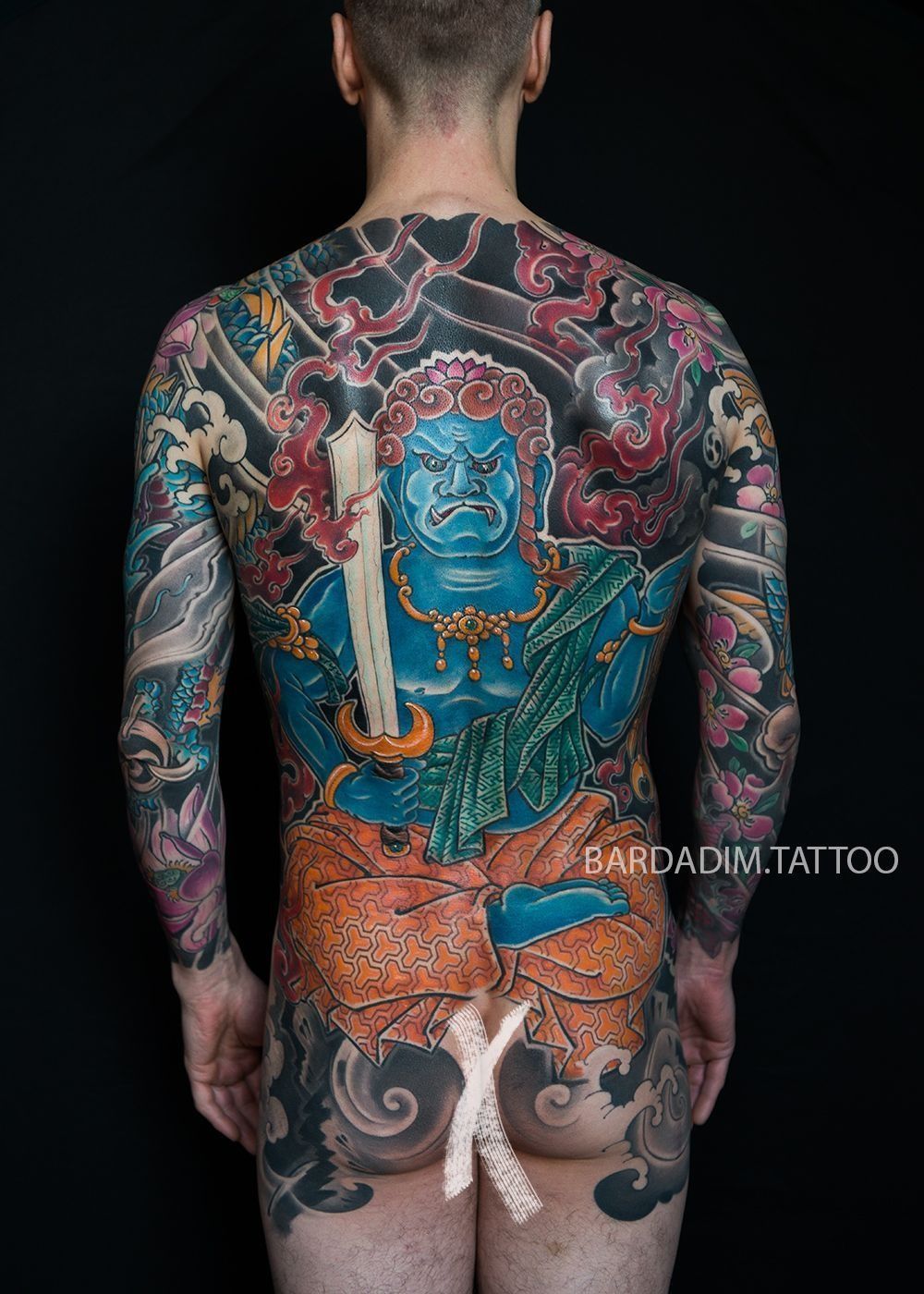
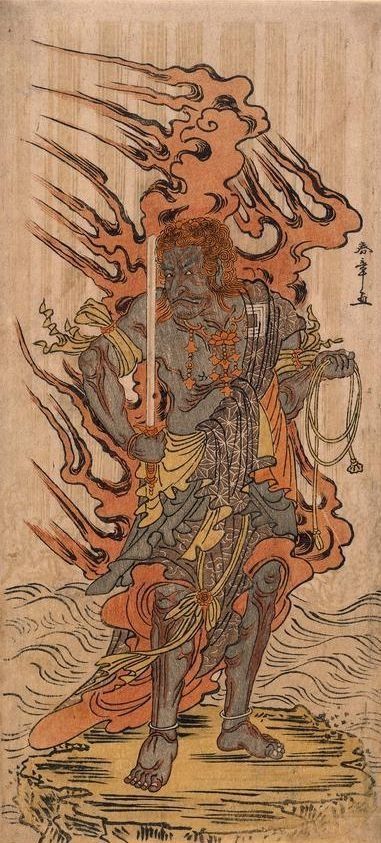
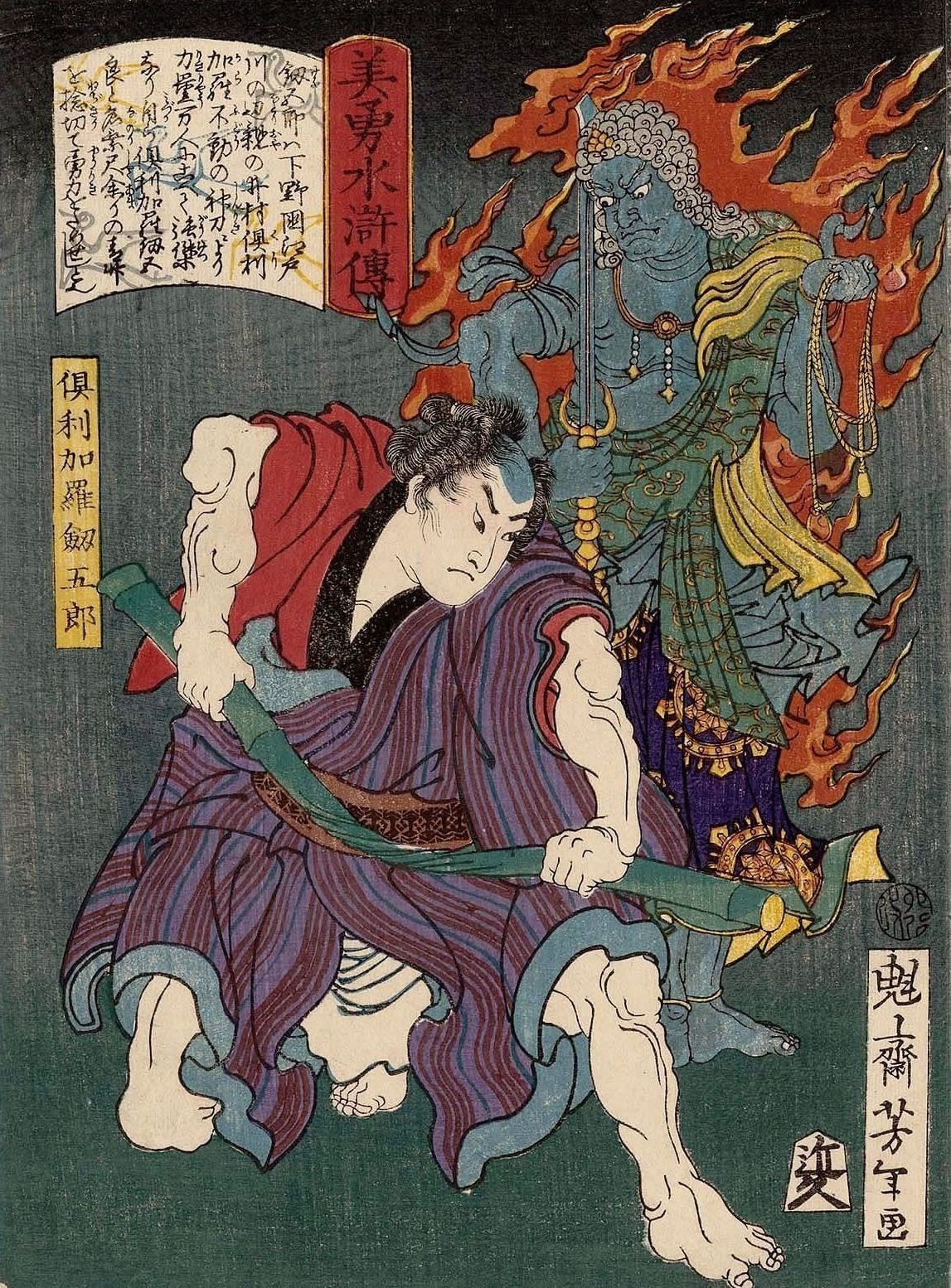
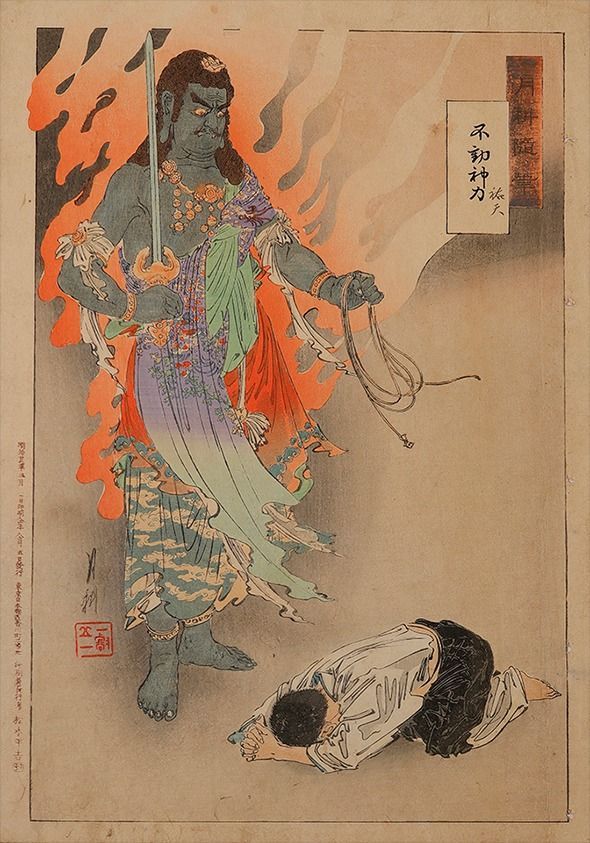
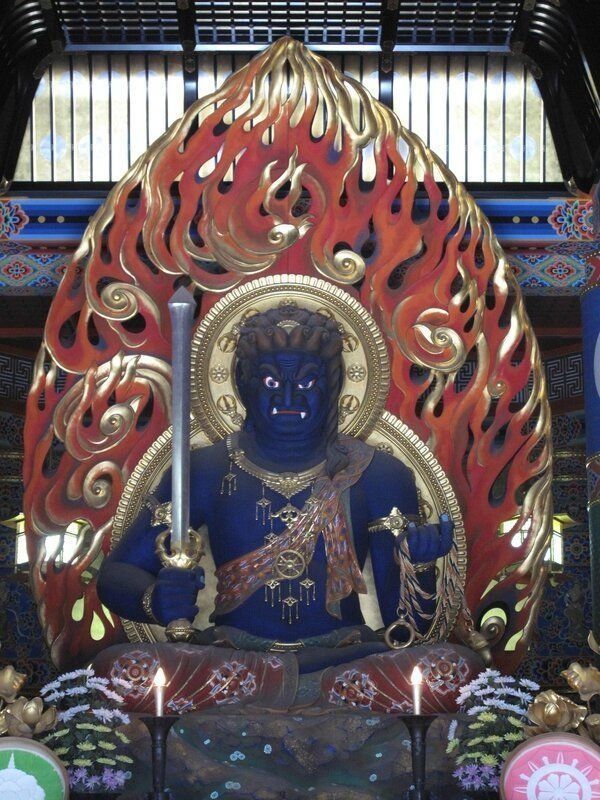
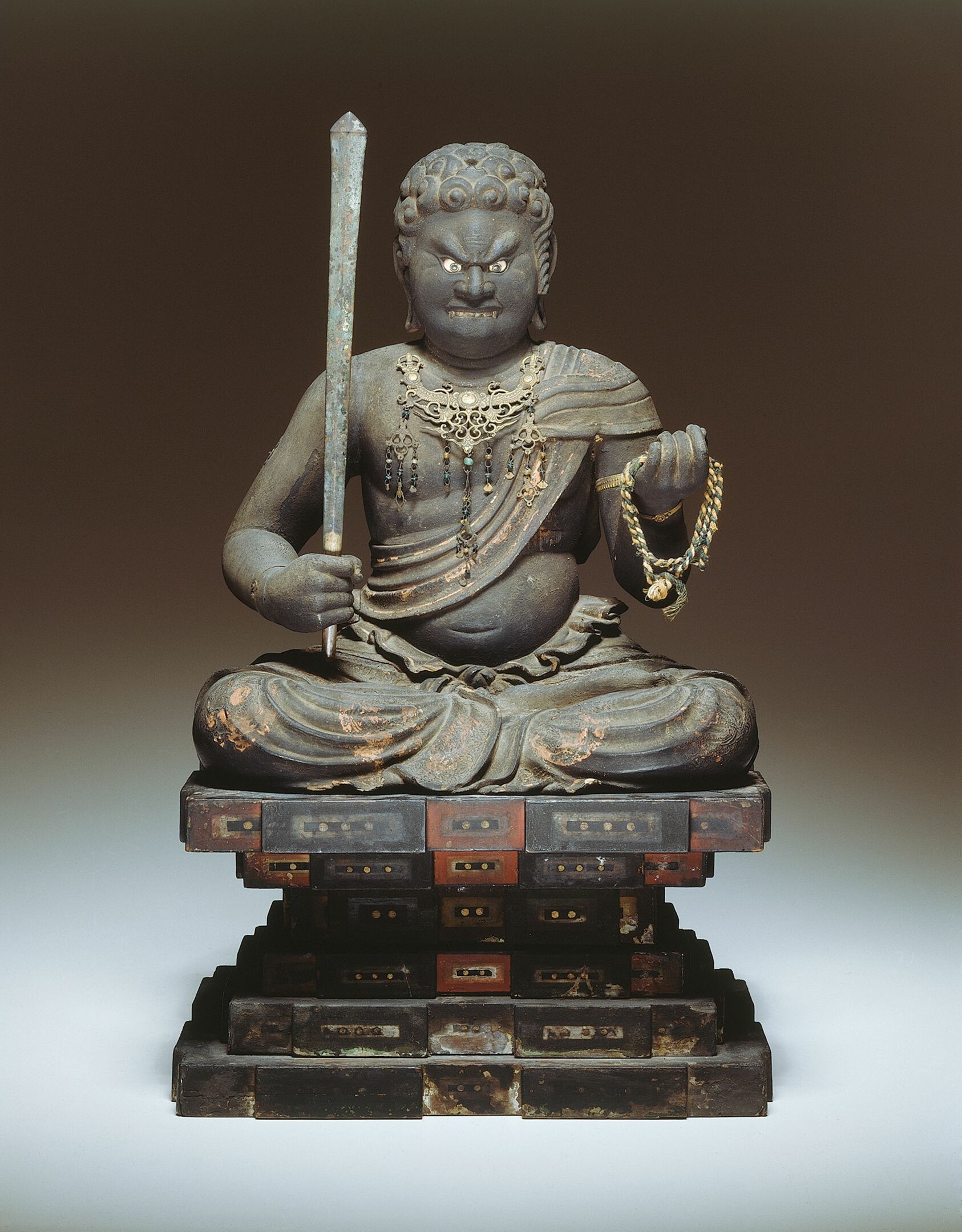
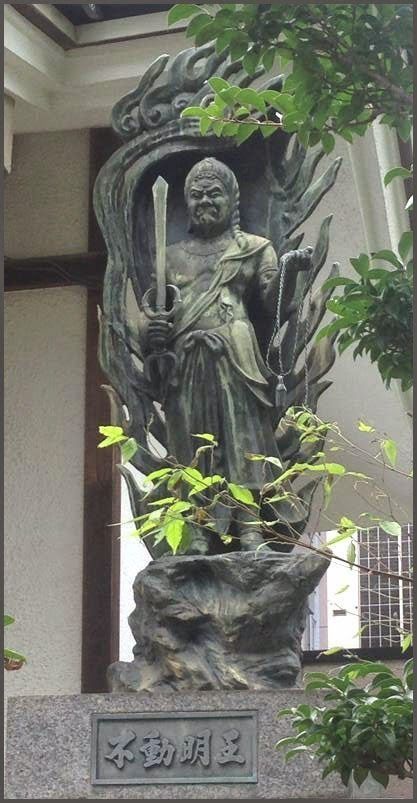
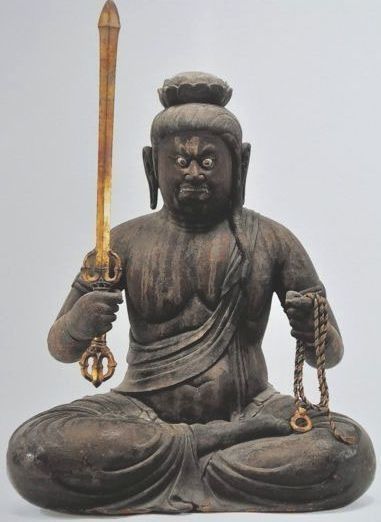
Fudo Myo-o, also known as Acala, is a central figure in Japanese Buddhism, representing immovable wisdom and protection against evil. This deity is often depicted as a fierce guardian, symbolizing steadfastness and strength, wielding a sword to cut through ignorance and a rope to bind up evil spirits

Cultural Meaning

Fudo Myo-o is revered for his role in driving away evil spirits and protecting the faithful. His stern, fearsome expression and dynamic posture are meant to inspire awe and signify his unyielding resolve to uphold righteousness. This deity is a popular symbol of strength, solidarity, and unwavering principles in Japanese culture.

Connection with Ukiyo-e

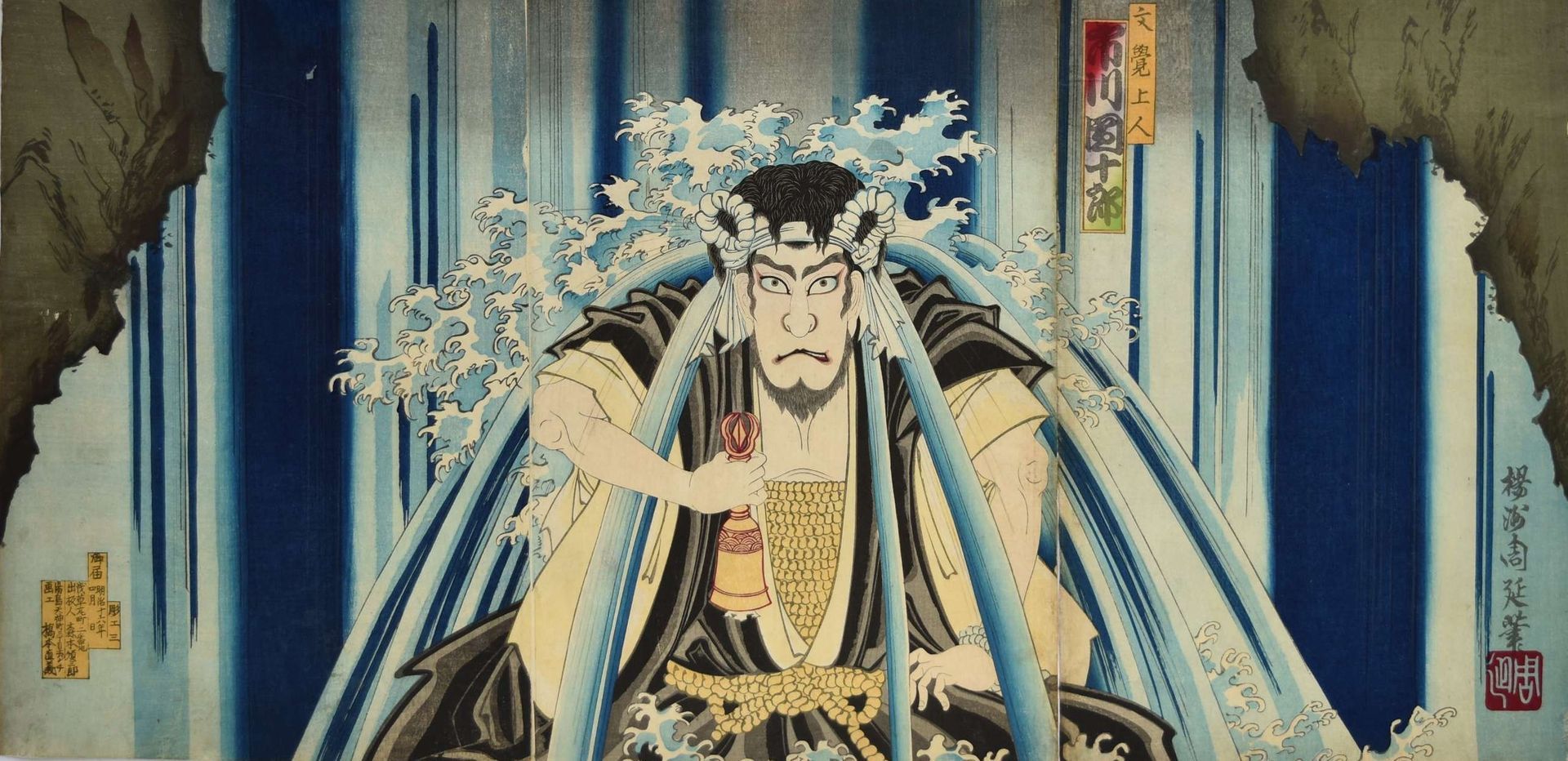
Ukiyo-e, a genre of Japanese woodblock prints that flourished during the Edo period (1603-1868), often featured depictions of Fudo Myo-o. These prints, characterized by their bold lines and vivid colors, were instrumental in popularizing the imagery of Fudo Myo-o among the general populace. Ukiyo-e artists captured the deity's fierce expression and dynamic form, making these prints an essential part of the cultural representation of Fudo Myo-o

Temple Statues of Fudo Myo-o

Temple statues of Fudo Myo-o are revered artifacts that play a significant role in Japanese Buddhist practices. These statues are often intricately carved and are considered embodiments of the deity's protective and transformative power. For instance, the Yonako Fudoji Temple houses a statue of Fudo Myo-o that is so sacred it is only shown to the public once a year [3]. Many of these statues, such as those carved by the famous Buddhist monk Kukai, are central to the worship practices in Shingon Buddhism

Connection with Irezumi

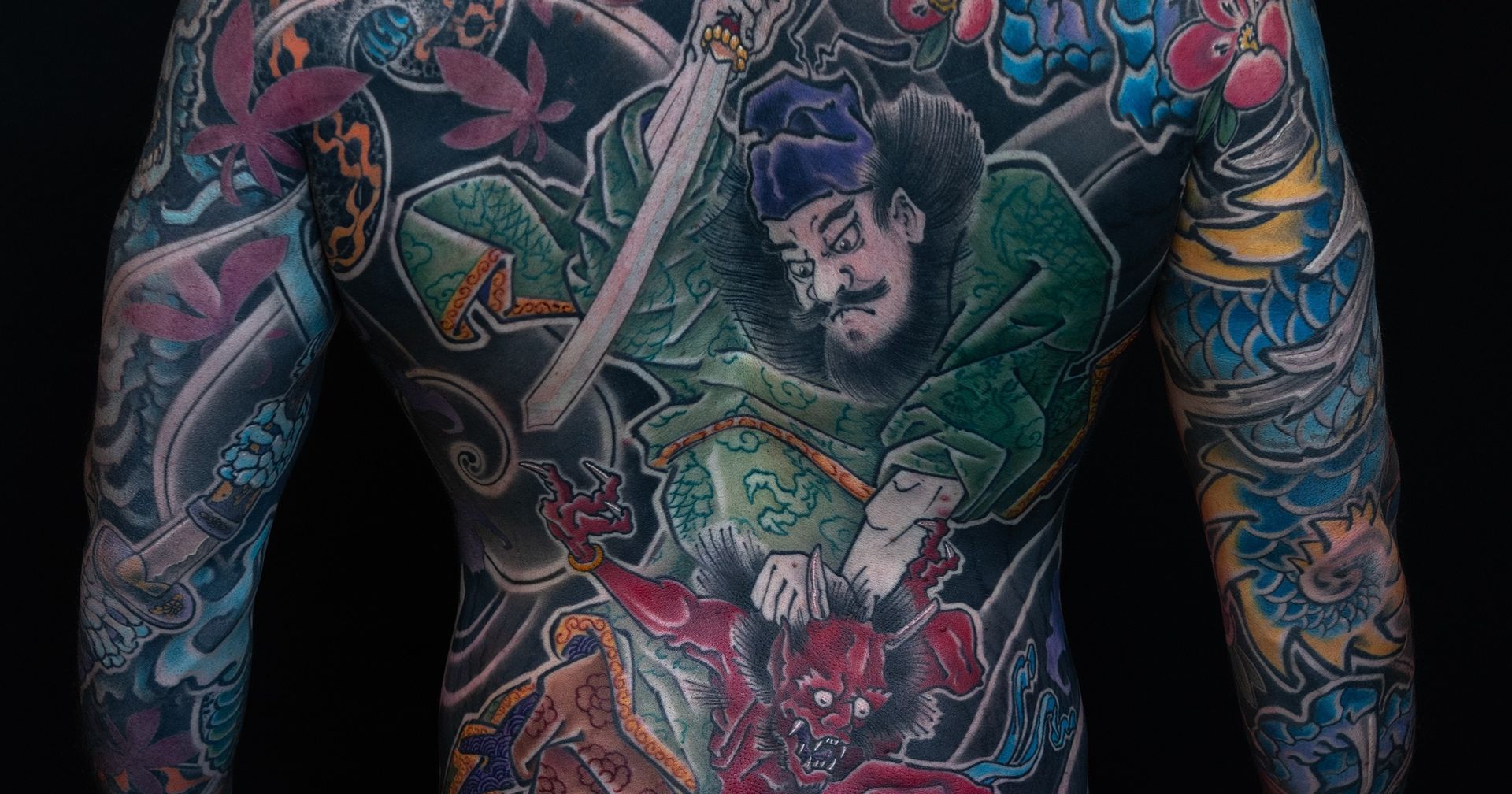
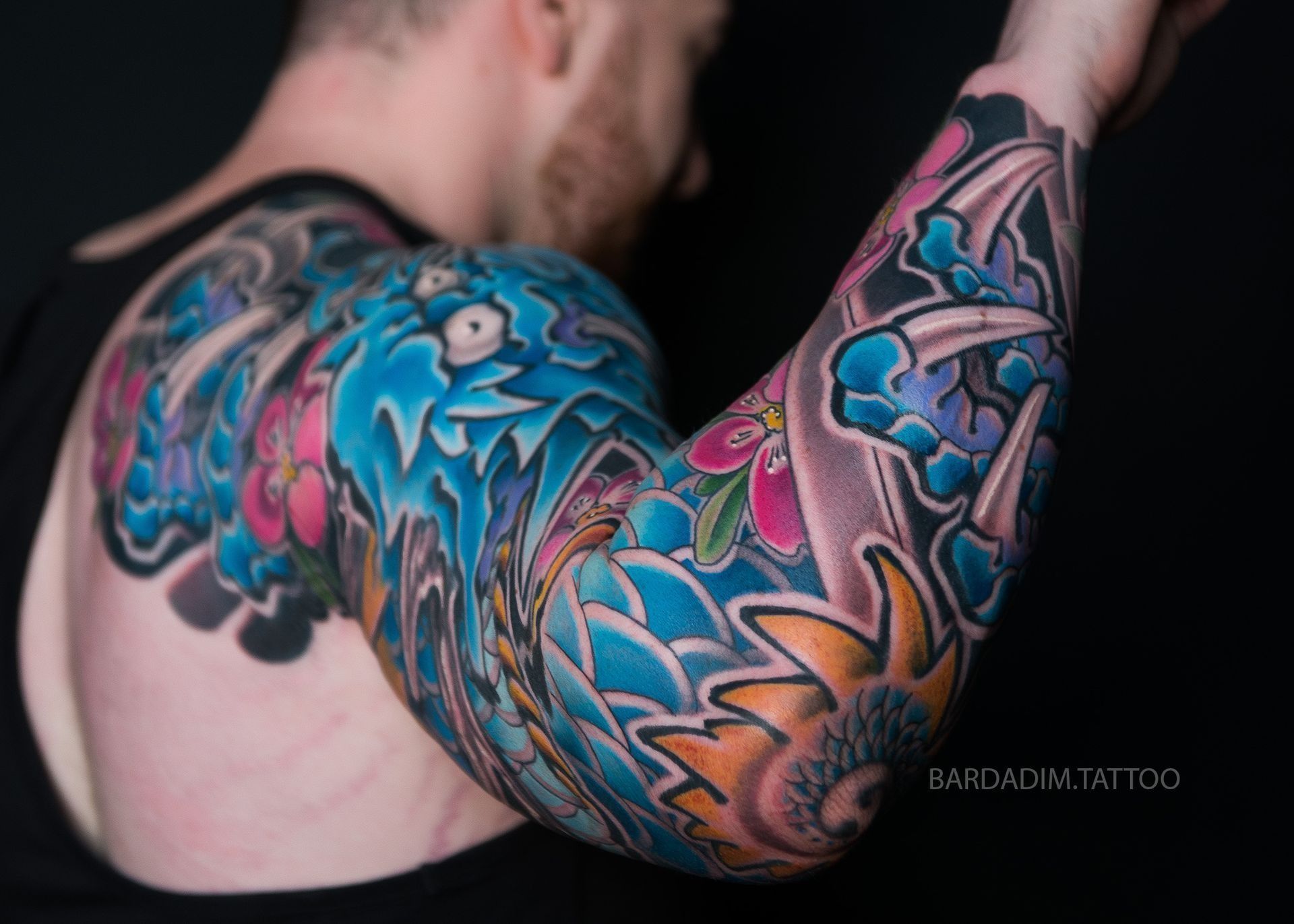
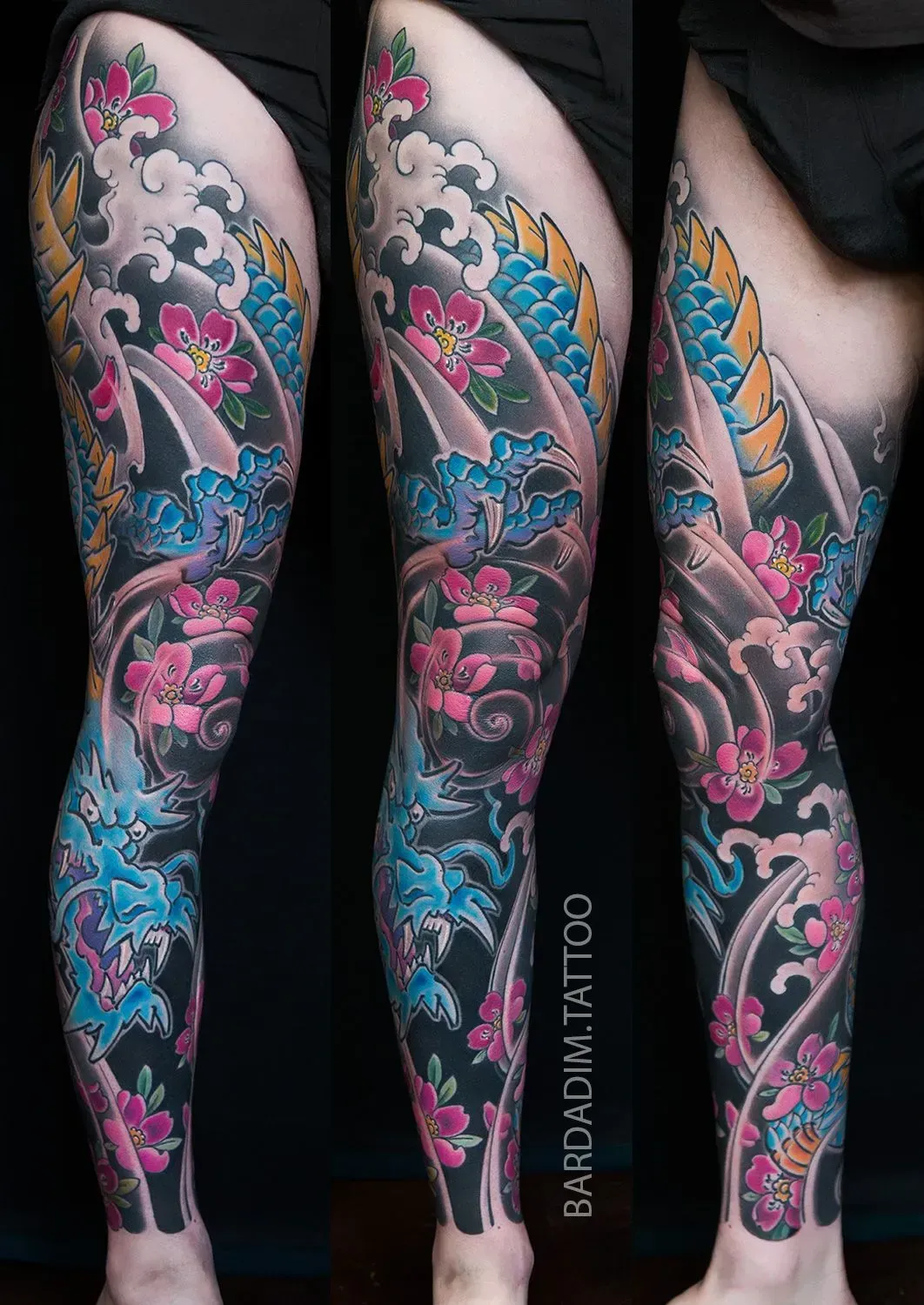
Irezumi, the traditional Japanese tattoo art, has a profound connection with Fudo Myo-o. This deity is a common motif in Irezumi, symbolizing protection, strength, and a spiritual guide for the wearer. The intricate and powerful imagery of Fudo Myo-o in tattoos serves as a testament to the wearer's resilience and inner strength. The influence of ukiyo-e on Irezumi is evident, as many traditional tattoos draw directly from the styles and themes of these historical prints.

Fudo Myo-o's cultural significance extends beyond religious devotion, deeply influencing Japanese art forms like ukiyo-e and Irezumi. These connections highlight the enduring power and relevance of Fudo Myo-o in Japan's artistic and cultural landscape.

Let the Way flow onward:

from The Symbolic Way

“Symbols speak where words fall silent.”

Shishi Guardians and Peonies | Full Japanese Sleeve by Bardadim Tattoo
by George Bardadim 29 November 2024
A full Irezumi sleeve featuring two Shishi Lions and peonies a Gaku-bori composition symbolizing courage, protection, and beauty. Traditional Japanese tattoo by Bardadim.
Japanese sleeve tattoo showing anatomical flow — koi and waves following natural muscle lines
by George Bardadim 7 November 2024
Discover the meaning and structure of this Japanese koi sleeve by Bardadim Tattoo - a masterful balance of shudai, keshoubori, and anatomical flow.
The Myth of Lung-men: The Dragon Gate Legend and Its Artistic Legacy
by George Bardadim 15 August 2024
The story of Lung-men’s transformative powers dates back to ancient Chinese history, with its earliest mention in the Hou Han Shu (History of the Later Han Dynasty). According to this historical record, the phrase “going up Lung-men” became synonymous with striving to improve one’s position in life. The legend of the fish transforming into a dragon after surmounting the falls became a powerful metaphor for personal growth and the relentless pursuit of success. This myth has since inspired countless individuals to persevere through their challenges, believing that, like the fish, they too can achieve greatness if they endure.
Read More …