Peony Flowers in Japanese culture.

George Bardadim • 2 April 2024

Historical Significance of Peony Flowers in Japanese Culture

Peony flowers hold a profound significance in Japanese culture, symbolizing wealth, honor, and nobility. Originating from China, these majestic blooms were introduced to Japan during the Heian period and quickly became integrated into various aspects of Japanese art and tradition.


During the Heian period (794-1185), peony flowers were highly regarded for their beauty and elegance. They were cultivated in imperial gardens and often featured in poetry and literature, symbolizing prosperity and high social status. The association of peonies with wealth and honor led to their widespread adoption by the aristocracy, where they became a symbol of luxury and privilege.

Woodblock Prints

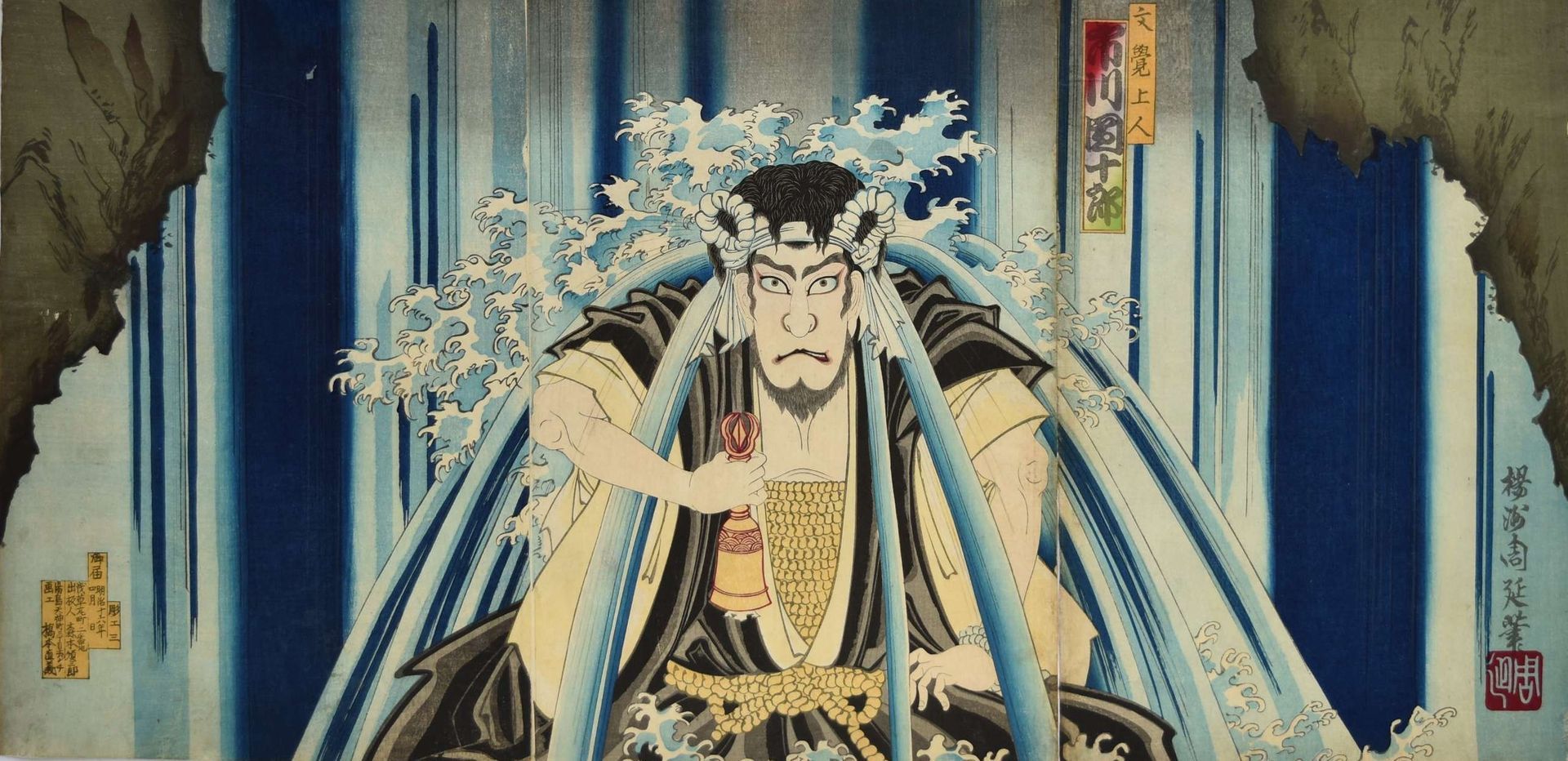
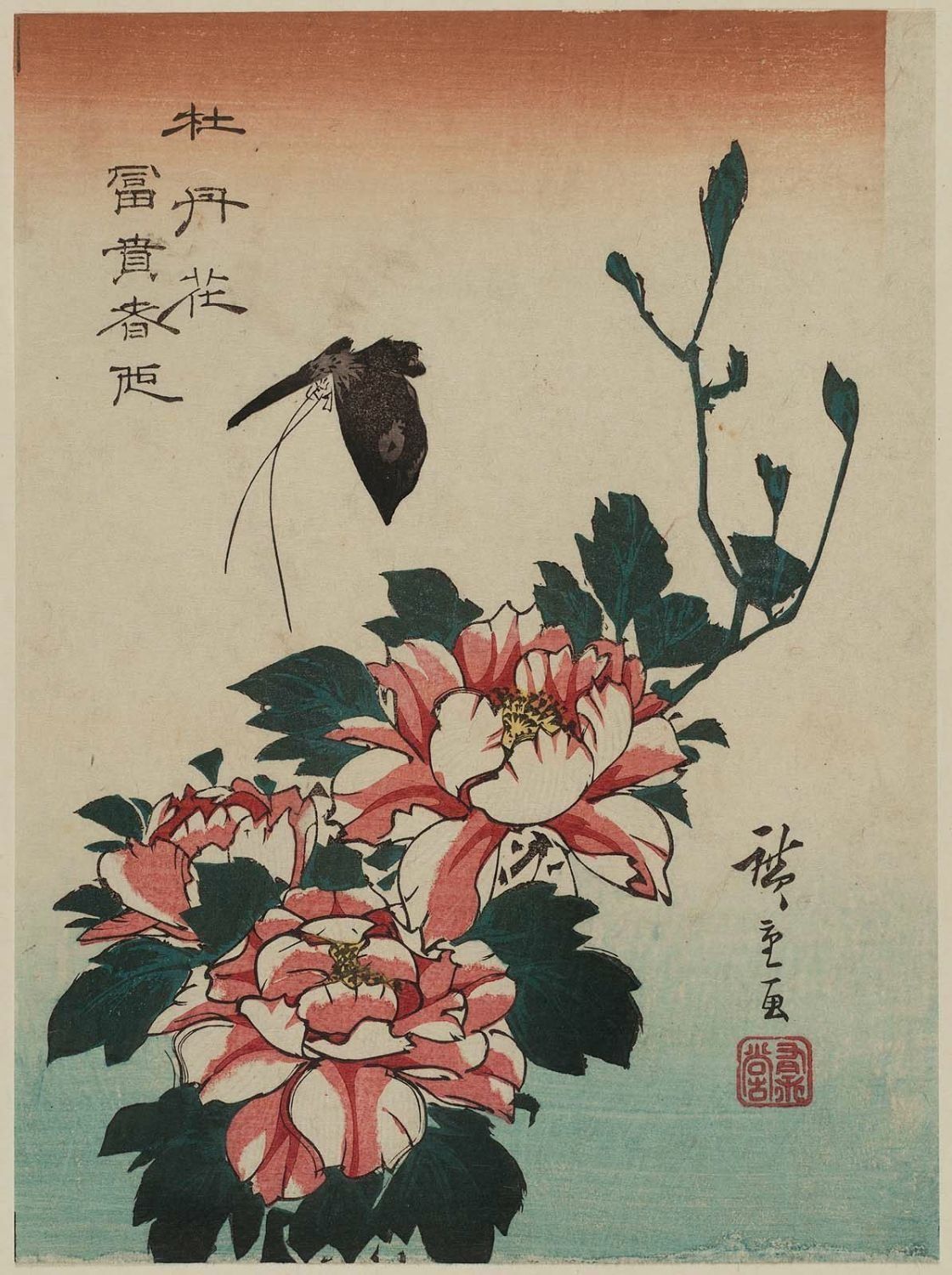
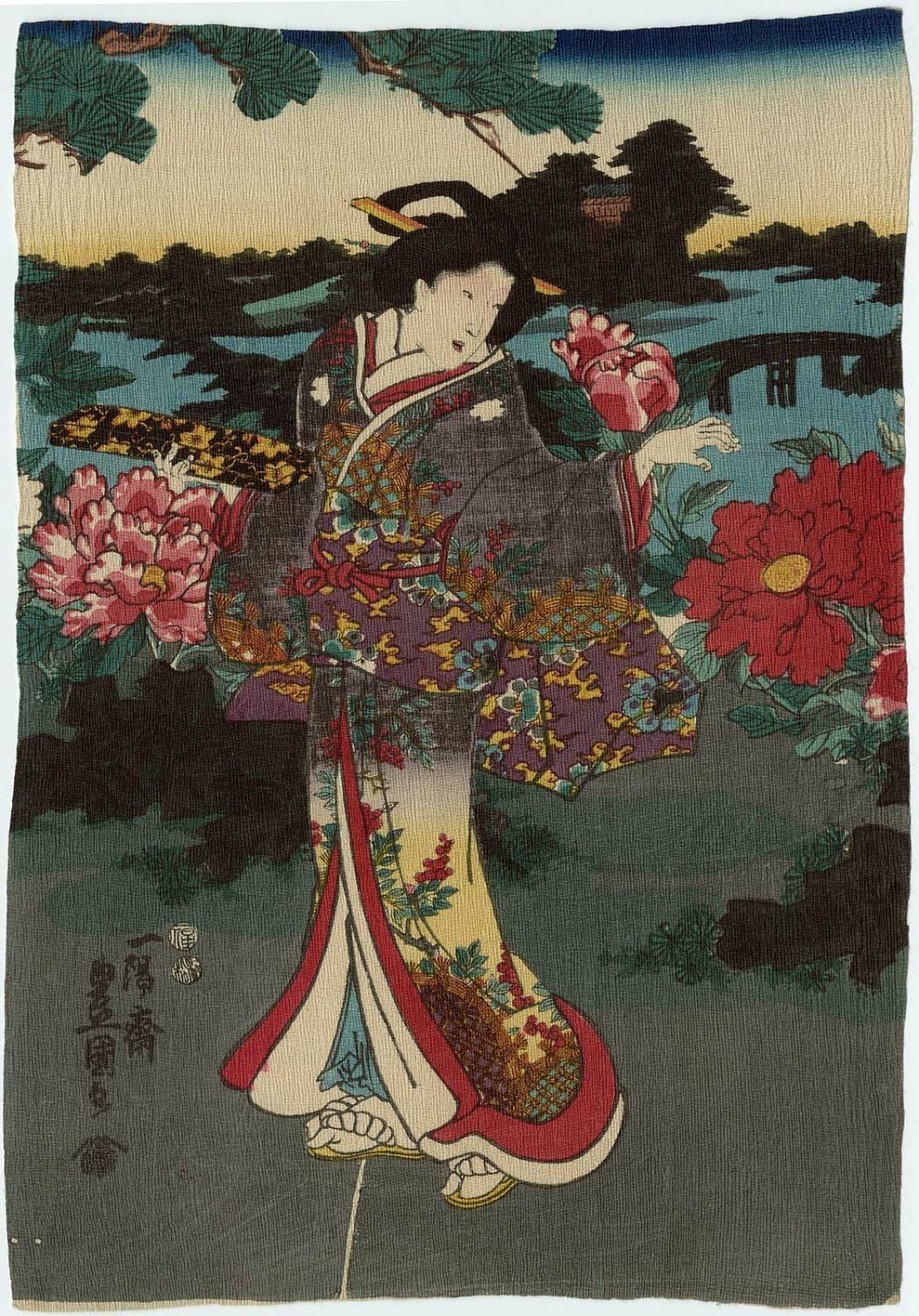
Woodblock printing, known as ukiyo-e, became immensely popular during the Edo period (1603-1868). Peony flowers frequently appeared in these prints, symbolizing prosperity, romance, and beauty. Artists depicted peonies in various settings, from lush gardens to intimate interiors, capturing the essence of their symbolic meaning. One famous example is Utagawa Hiroshige's "Peonies and Butterfly," which showcases the delicate beauty of peony flowers in full bloom.

Irezumi (Japanese Tattoo Art)

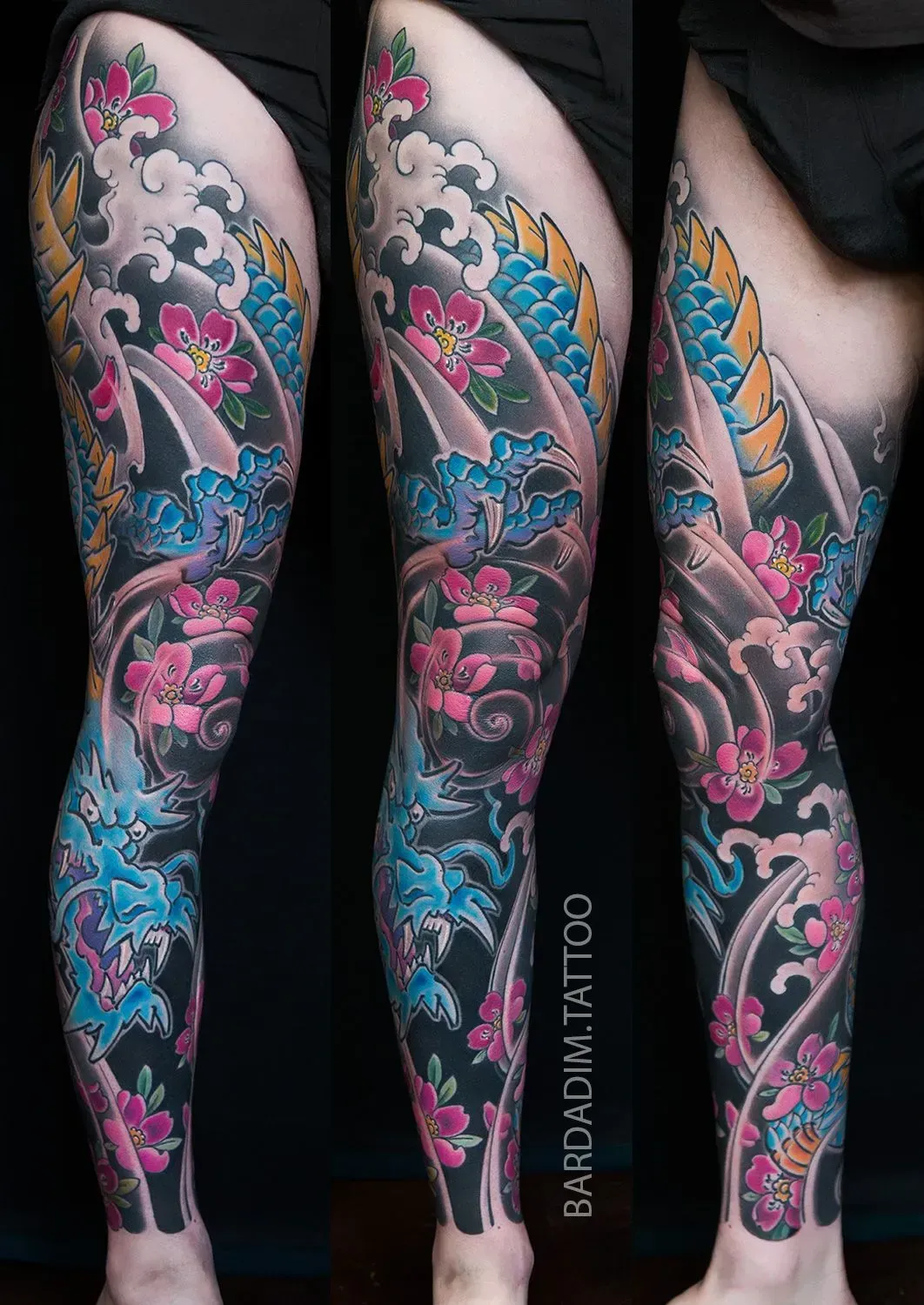
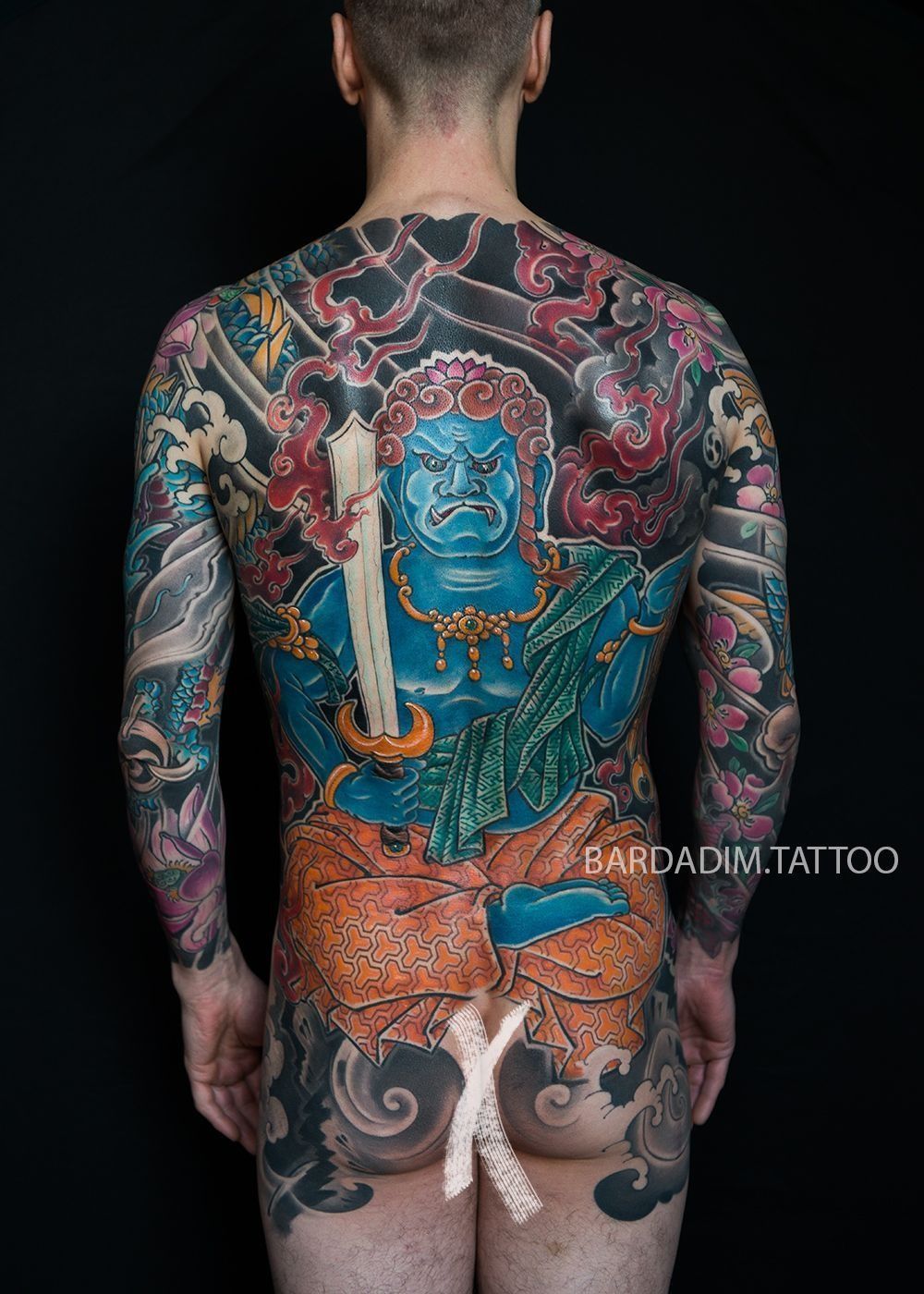
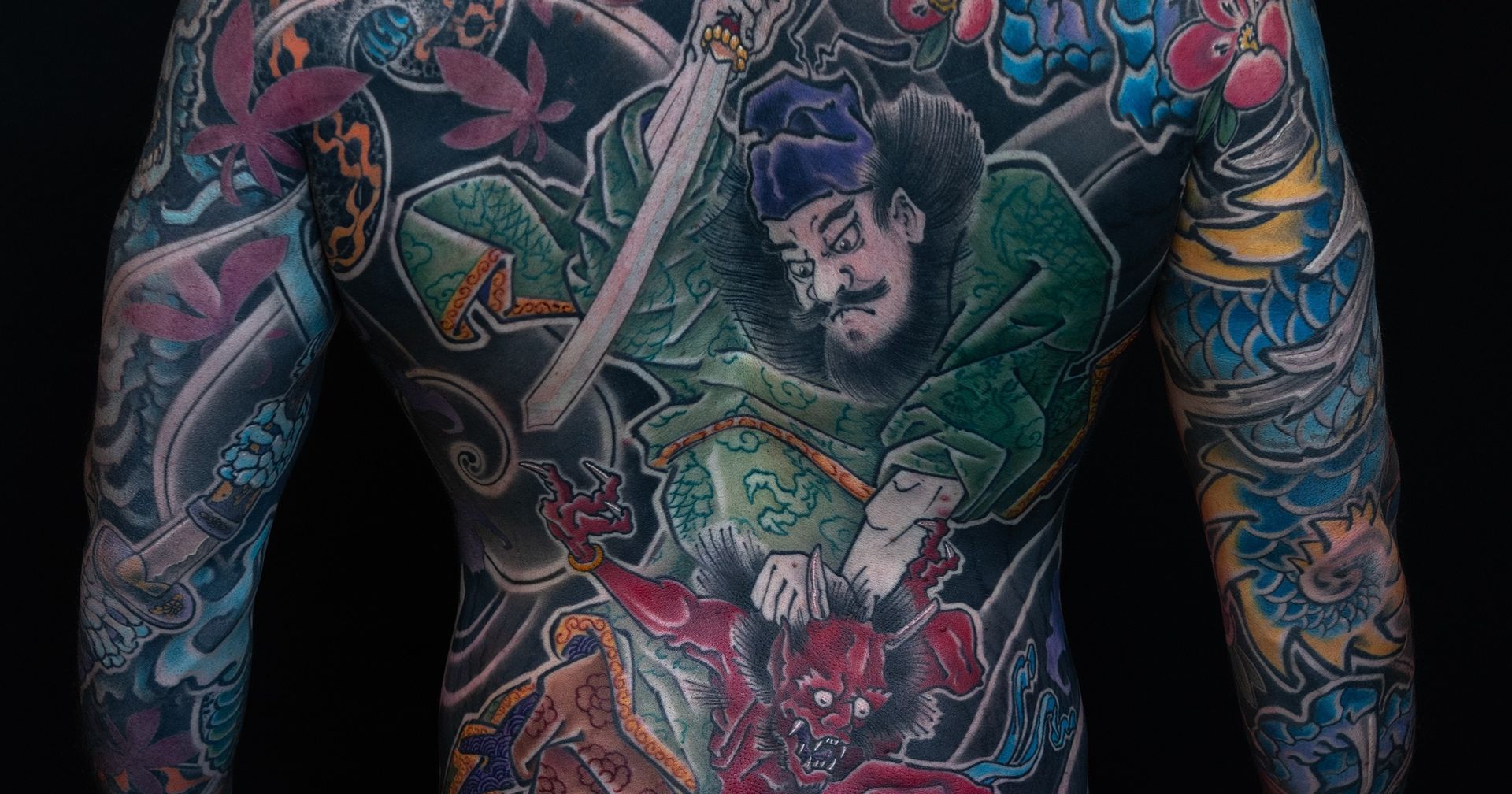
Irezumi, or traditional Japanese tattooing, has a long history dating back centuries. Peony flowers are a common motif in Irezumi, representing prosperity, good fortune, and bravery. These tattoos often feature intricate designs with vibrant colors, portraying peonies in full bloom or as part of larger compositions. The placement of peony tattoos is carefully considered, with each location carrying its own symbolic significance.

F.A.Q.

Color Symbolism

  • Red Peonies

    In Japanese art, red peonies symbolize passion, love, and good fortune. They are often depicted in vibrant hues to convey intense emotions and vitality. Red peonies are particularly popular in romantic scenes, where they symbolize deep affection and desire.

  • White Peonies

    White peonies symbolize purity, innocence, and spirituality. They are associated with the imperial family and aristocracy, representing the highest ideals of virtue and grace. White peonies are commonly featured in traditional Japanese weddings, where they symbolize the purity of the bride and her family.

  • Pink Peonies

    Pink peonies symbolize romance, femininity, and grace. They are often depicted in scenes of love and beauty, where they evoke feelings of tenderness and affection. Pink peonies are popular in both art and literature, where they symbolize the beauty and delicacy of the natural world.

  • Yellow Peonies

    Yellow peonies symbolize happiness, prosperity, and friendship. They are associated with warmth and joy, brightening any scene with their cheerful presence. Yellow peonies are often depicted in art to convey feelings of happiness and contentment, making them a beloved symbol in Japanese culture.

Peony flowers have long been revered in Japanese culture for their beauty, symbolism, and cultural significance. From traditional woodblock prints to intricate Irezumi tattoos, peonies continue to captivate artists and audiences alike with their timeless allure. Whether symbolizing prosperity, love, or purity, peonies hold a special place in the hearts of the Japanese people, embodying the rich tapestry of their artistic and spiritual traditions.

Let the Way flow onward:

from The Symbolic Way

“Symbols speak where words fall silent.”

Shishi Guardians and Peonies | Full Japanese Sleeve by Bardadim Tattoo
by George Bardadim 29 November 2024
A full Irezumi sleeve featuring two Shishi Lions and peonies a Gaku-bori composition symbolizing courage, protection, and beauty. Traditional Japanese tattoo by Bardadim.
Japanese sleeve tattoo showing anatomical flow — koi and waves following natural muscle lines
by George Bardadim 7 November 2024
Discover the meaning and structure of this Japanese koi sleeve by Bardadim Tattoo - a masterful balance of shudai, keshoubori, and anatomical flow.
The Myth of Lung-men: The Dragon Gate Legend and Its Artistic Legacy
by George Bardadim 15 August 2024
The story of Lung-men’s transformative powers dates back to ancient Chinese history, with its earliest mention in the Hou Han Shu (History of the Later Han Dynasty). According to this historical record, the phrase “going up Lung-men” became synonymous with striving to improve one’s position in life. The legend of the fish transforming into a dragon after surmounting the falls became a powerful metaphor for personal growth and the relentless pursuit of success. This myth has since inspired countless individuals to persevere through their challenges, believing that, like the fish, they too can achieve greatness if they endure.
Read More …