Japanese Tattoo on Dark Skin

George • 3 January 2019

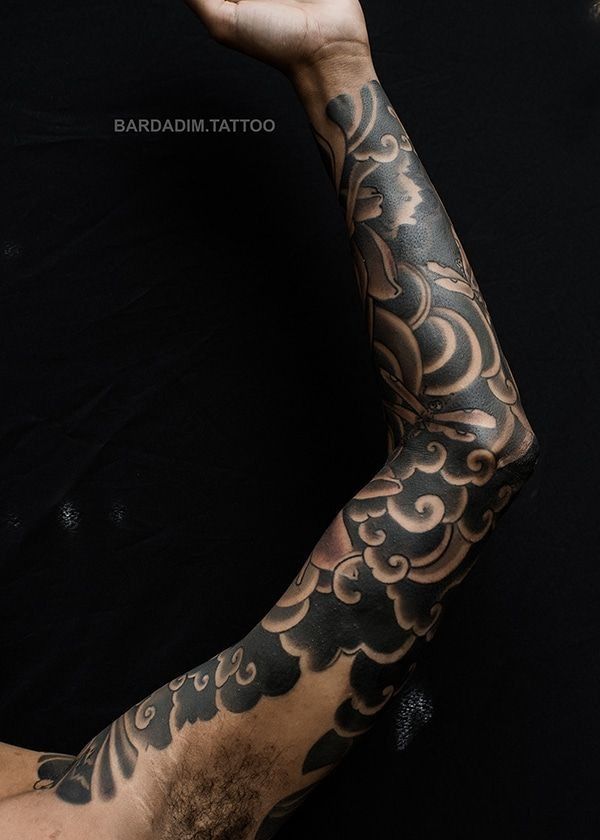
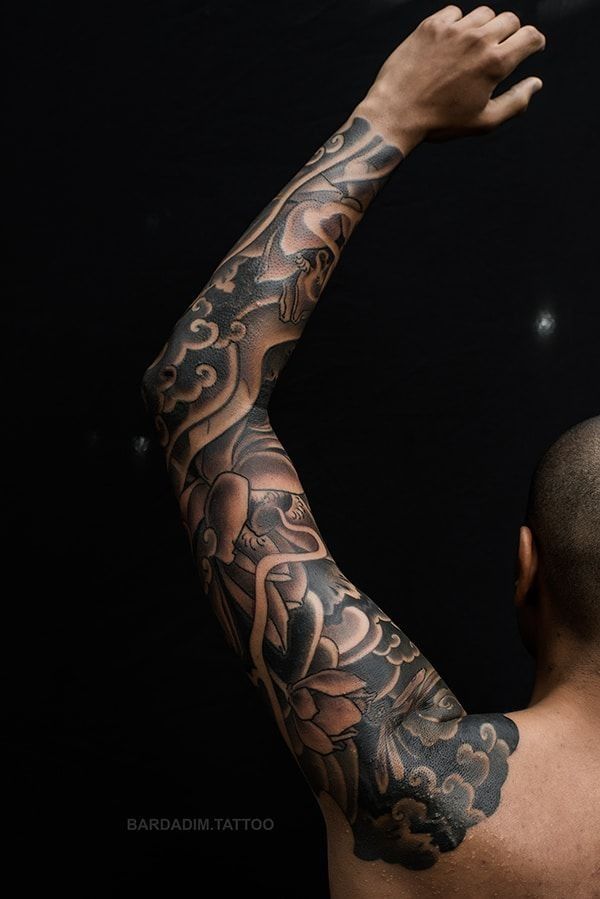
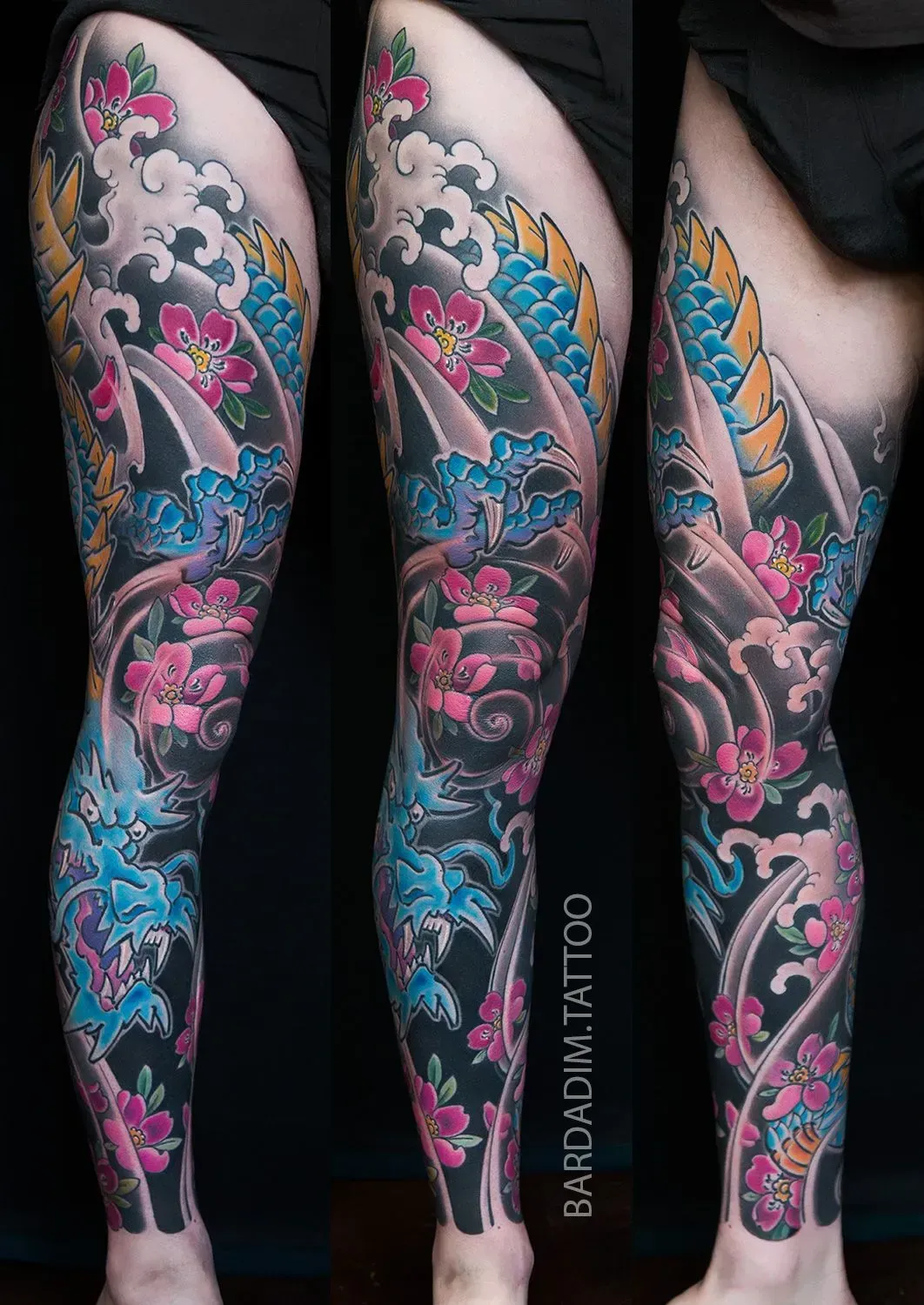
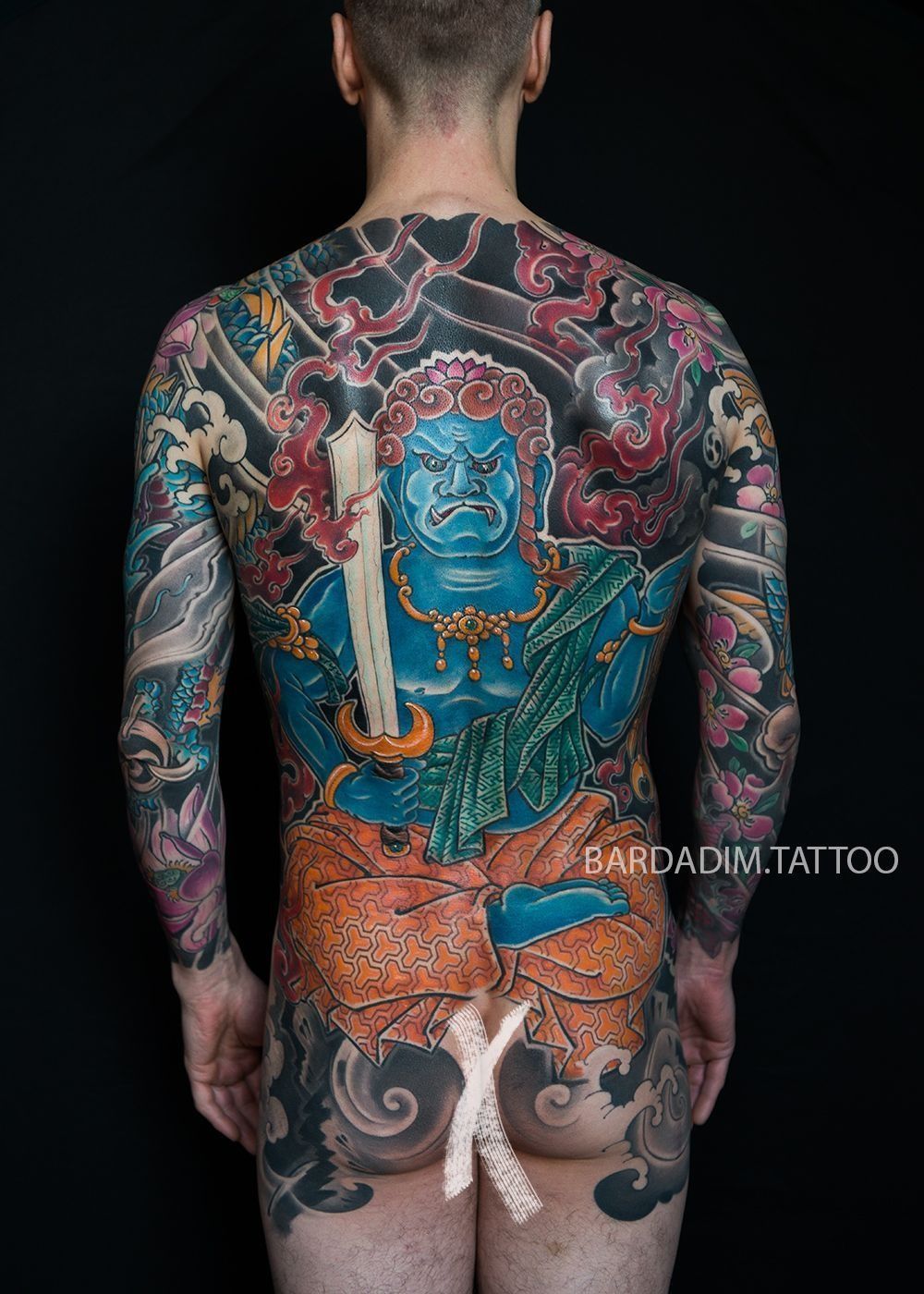
Experience is necessary for doing Japanese Tattoo on Dark Skin, as it requires a careful approach to maintain contrast between the skin and the tattoo after healing. The darker the skin, the more challenging it is to achieve this contrast.


Unlike drawing on toned paper, where the medium remains on the surface, tattoo ink stays beneath the skin. Therefore, using white ink, for example, would not make sense as it may not be visible over time or could even appear like a scar.


The highest contrast we can achieve is with black ink. Therefore, in my opinion, using any other colors would not be logical when working on dark skin.


Additionally, for clarity and visibility, the details in the tattoo should be large and bold.


In the specific project mentioned, lightly shaded lotuses were used to create a contrast with dark backgrounds. Unfortunately, the images provided after the touch-up session may not clearly show the lotuses due to irritation and redness. However, the intention is to keep the objects separate and maintain minimal shading.


Updates on healed shots will be shared soon. For more of our work and in-

progress videos, follow us on @Bardadim.

Let the Way flow onward:

from The Symbolic Way

“Symbols speak where words fall silent.”

Shishi Guardians and Peonies | Full Japanese Sleeve by Bardadim Tattoo
by George Bardadim 29 November 2024
A full Irezumi sleeve featuring two Shishi Lions and peonies a Gaku-bori composition symbolizing courage, protection, and beauty. Traditional Japanese tattoo by Bardadim.
Japanese sleeve tattoo showing anatomical flow — koi and waves following natural muscle lines
by George Bardadim 7 November 2024
Discover the meaning and structure of this Japanese koi sleeve by Bardadim Tattoo - a masterful balance of shudai, keshoubori, and anatomical flow.
The Myth of Lung-men: The Dragon Gate Legend and Its Artistic Legacy
by George Bardadim 15 August 2024
The story of Lung-men’s transformative powers dates back to ancient Chinese history, with its earliest mention in the Hou Han Shu (History of the Later Han Dynasty). According to this historical record, the phrase “going up Lung-men” became synonymous with striving to improve one’s position in life. The legend of the fish transforming into a dragon after surmounting the falls became a powerful metaphor for personal growth and the relentless pursuit of success. This myth has since inspired countless individuals to persevere through their challenges, believing that, like the fish, they too can achieve greatness if they endure.
Read More …