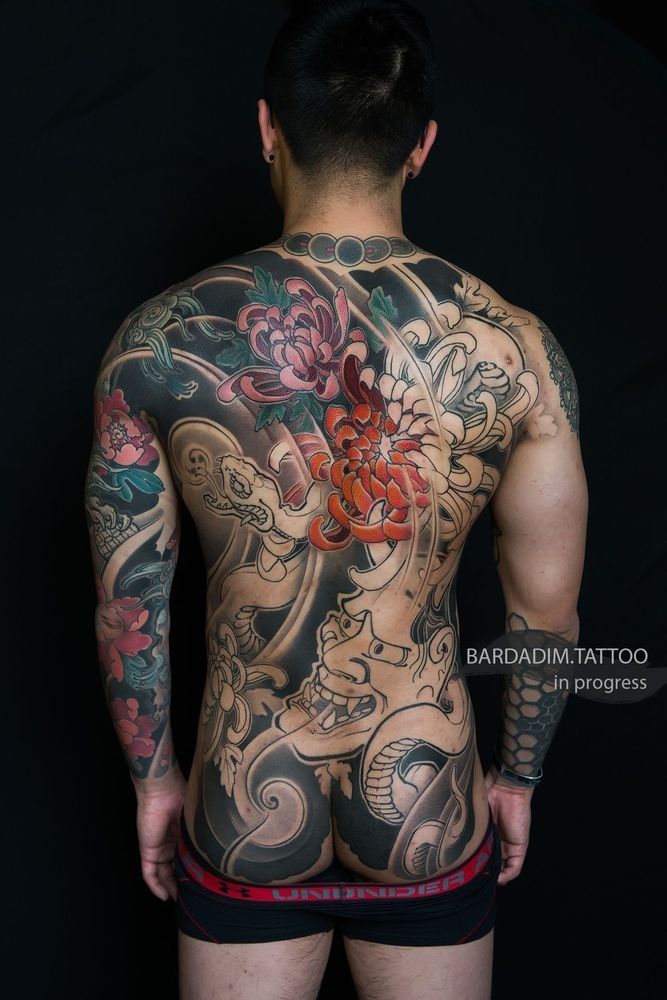
Hannya mask and a snake

George Bardadim • 22 January 2024

Symbology

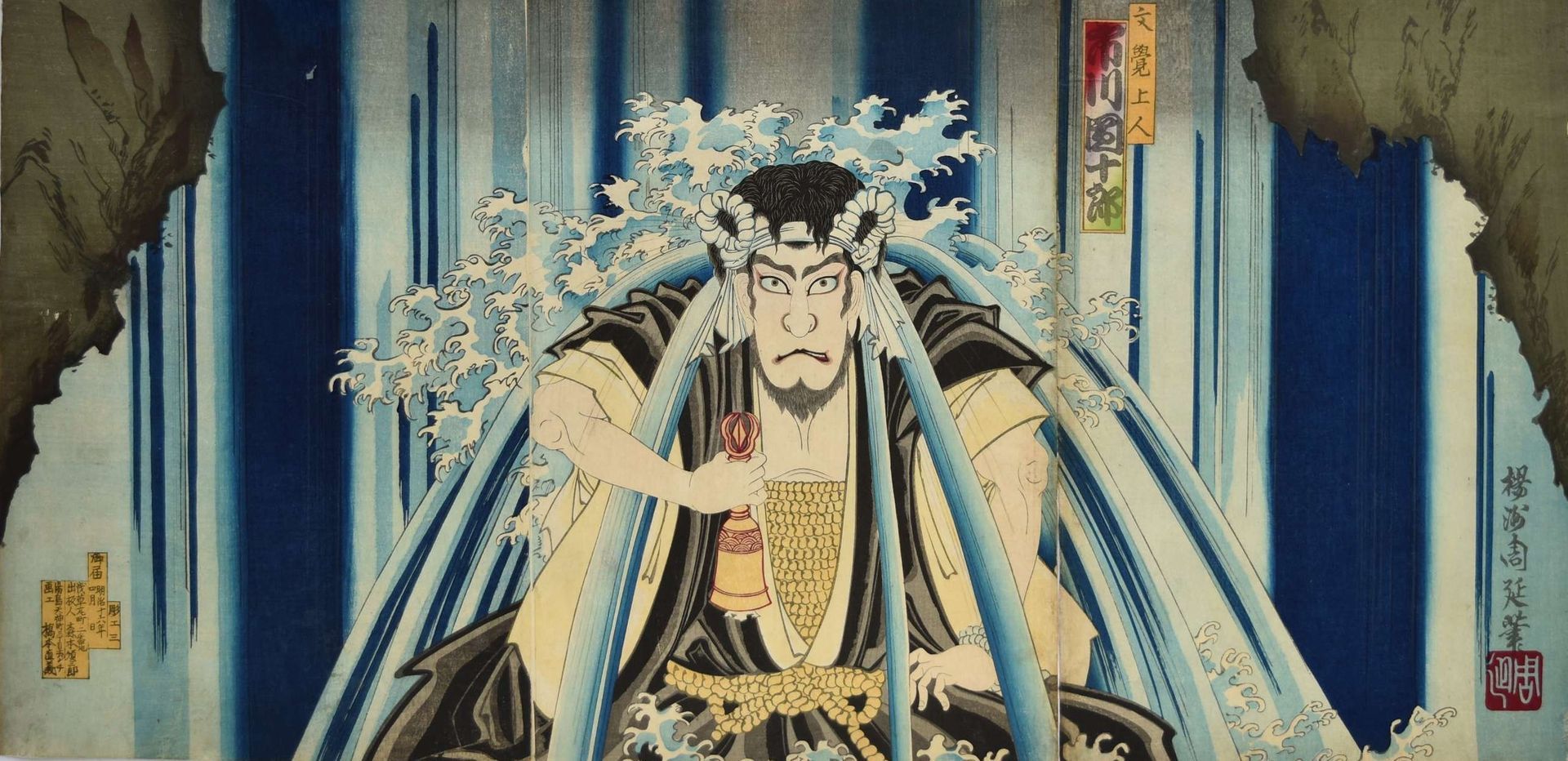
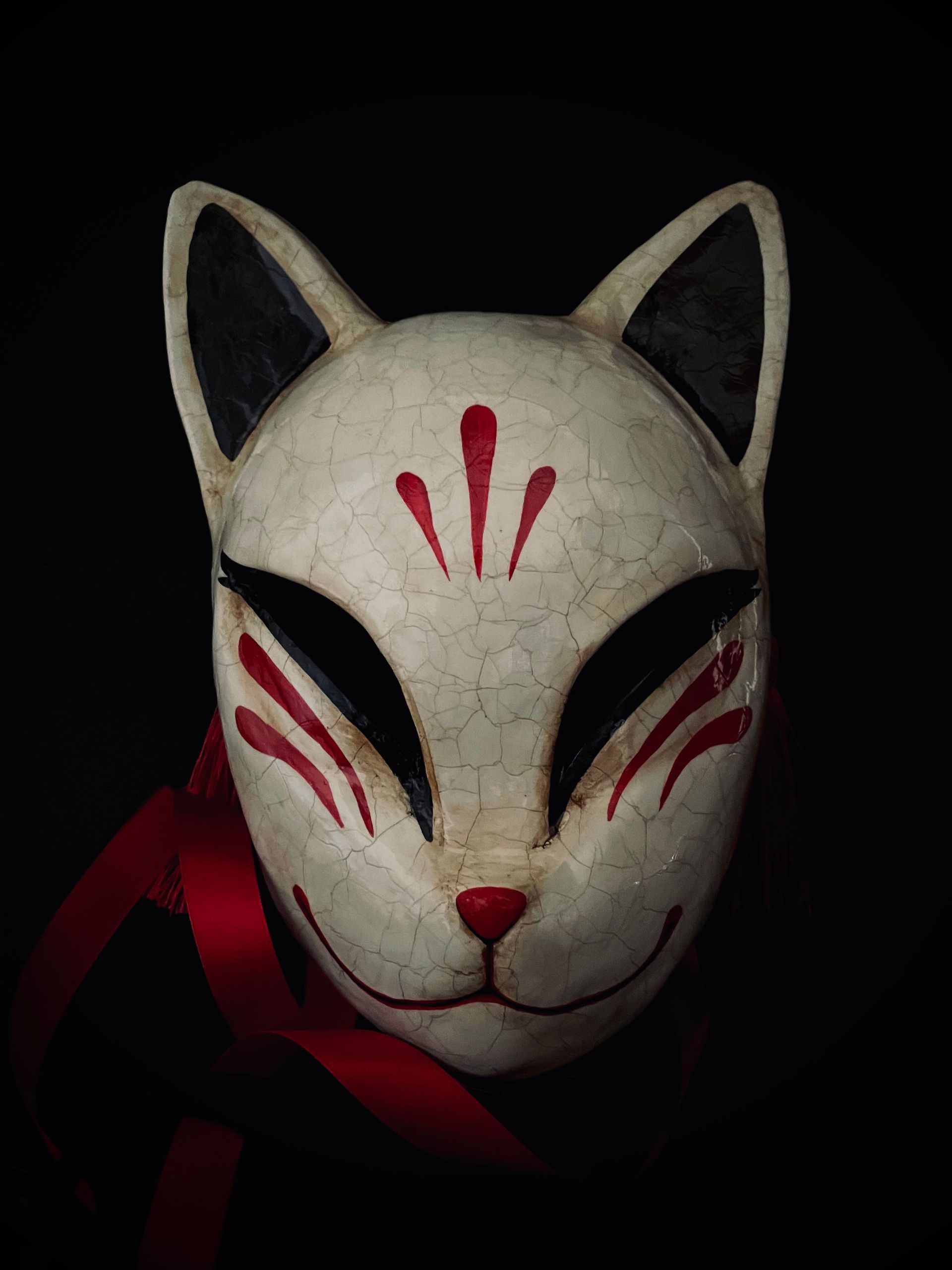
The Hannya mask, when combined with a snake in traditional Japanese symbolism, holds a significant meaning. The Hannya is a traditional Japanese mask representing a jealous and vengeful female demon from Noh theater. It is often associated with feelings of intense anger, jealousy, and obsession.


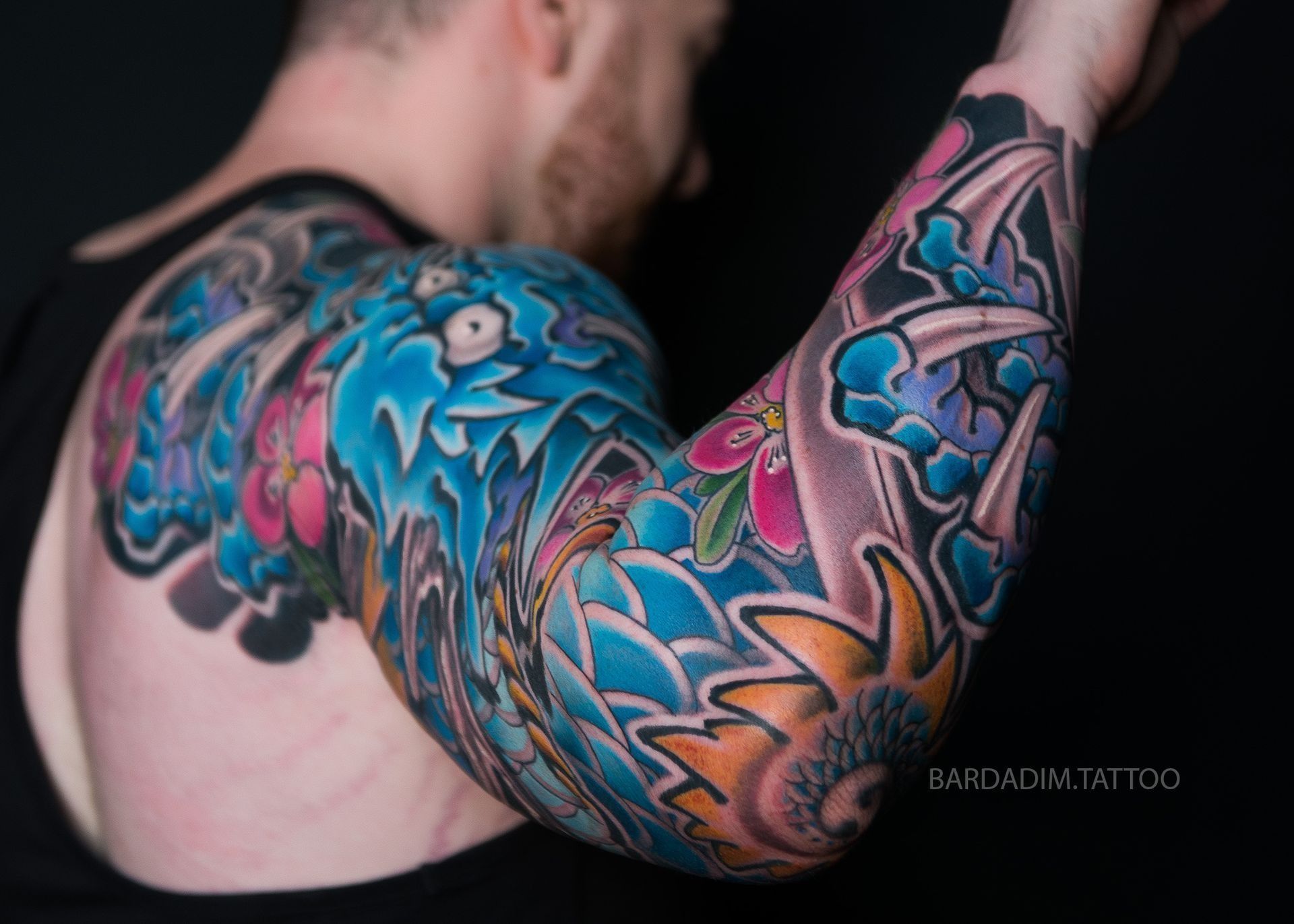
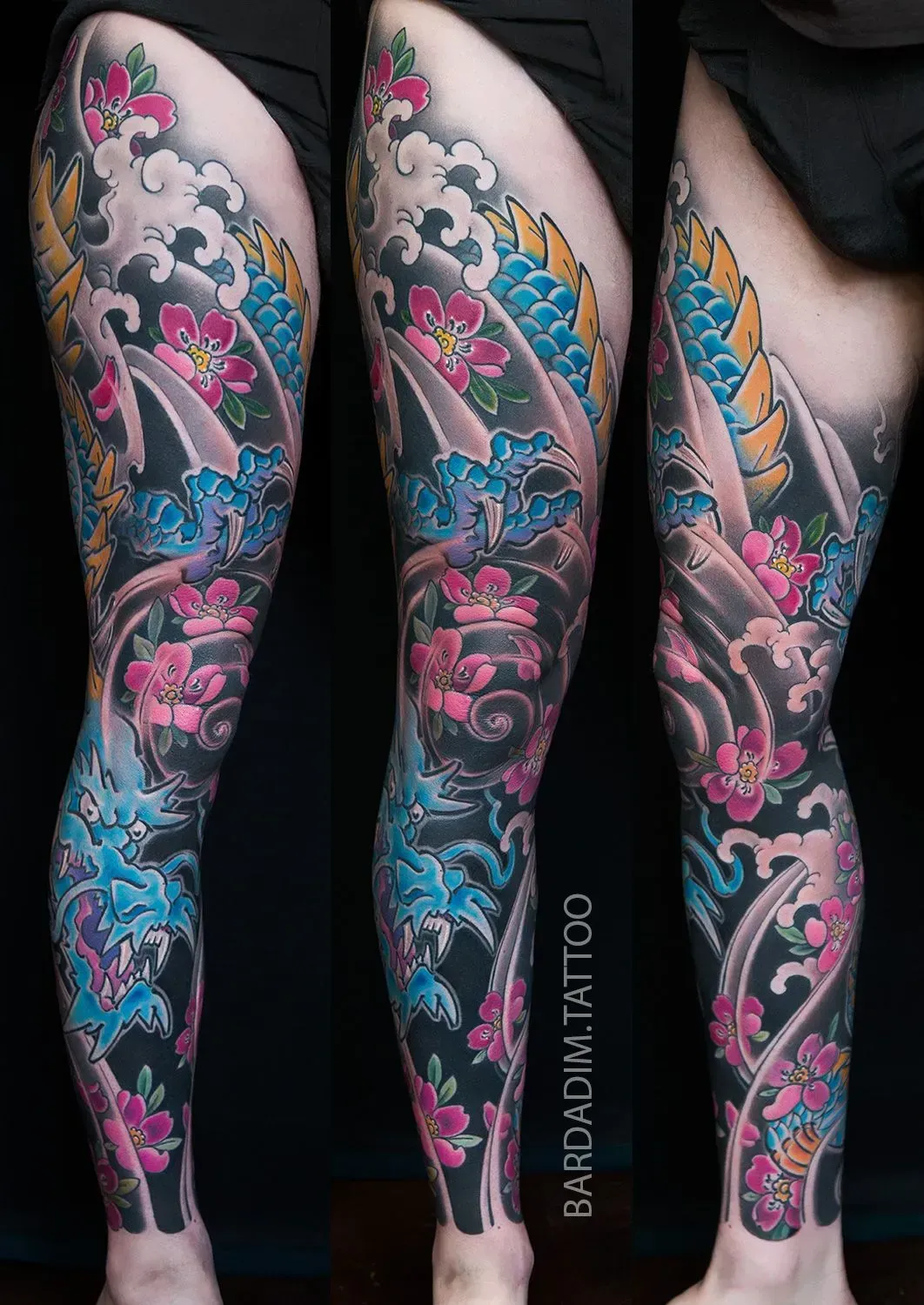
When combined with a snake, the symbolism becomes even more intriguing. In Japanese culture, snakes are considered powerful and mystical creatures with diverse meanings, including transformation, wisdom, and healing. This combination suggests a fusion of intense emotions and potent transformation.


The presence of the snake in connection with the Hannya mask can represent a deep internal struggle or a journey of personal transformation. It may suggest the shedding of negative emotions and the emergence of a new, enlightened self. It can also symbolize a shift from negative qualities, such as jealousy or anger, to positive virtues, such as wisdom and inner strength.

Color Symbolism

F.A.Q.

Overall, the combination of the Hannya mask with a snake in traditional Japanese symbolism signifies a profound transformation, the navigation of powerful emotions, and the potential for personal growth and enlightenment.

Let the Way flow onward:

from The Symbolic Way

“Symbols speak where words fall silent.”

Shishi Guardians and Peonies | Full Japanese Sleeve by Bardadim Tattoo
by George Bardadim 29 November 2024
A full Irezumi sleeve featuring two Shishi Lions and peonies a Gaku-bori composition symbolizing courage, protection, and beauty. Traditional Japanese tattoo by Bardadim.
Japanese sleeve tattoo showing anatomical flow — koi and waves following natural muscle lines
by George Bardadim 7 November 2024
Discover the meaning and structure of this Japanese koi sleeve by Bardadim Tattoo - a masterful balance of shudai, keshoubori, and anatomical flow.
The Myth of Lung-men: The Dragon Gate Legend and Its Artistic Legacy
by George Bardadim 15 August 2024
The story of Lung-men’s transformative powers dates back to ancient Chinese history, with its earliest mention in the Hou Han Shu (History of the Later Han Dynasty). According to this historical record, the phrase “going up Lung-men” became synonymous with striving to improve one’s position in life. The legend of the fish transforming into a dragon after surmounting the falls became a powerful metaphor for personal growth and the relentless pursuit of success. This myth has since inspired countless individuals to persevere through their challenges, believing that, like the fish, they too can achieve greatness if they endure.
Read More …