
Hannya Mask in Japanese Traditional Art and Culture

George Bardadim • 13 June 2024

Hannya Mask: The Connection with Irezumi Tattoos and Ukiyo-e Art

Ever looked at a Hannya mask and felt a mix of fear and fascination? You're not alone. This iconic piece of Japanese culture, with its intense expression, has captivated people for centuries. Let’s dive into the world of Hannya masks and uncover their deep cultural roots, especially their connection to Irezumi tattoos and Ukiyo-e art.

What is a Hannya Mask?

Symbolism and Meaning

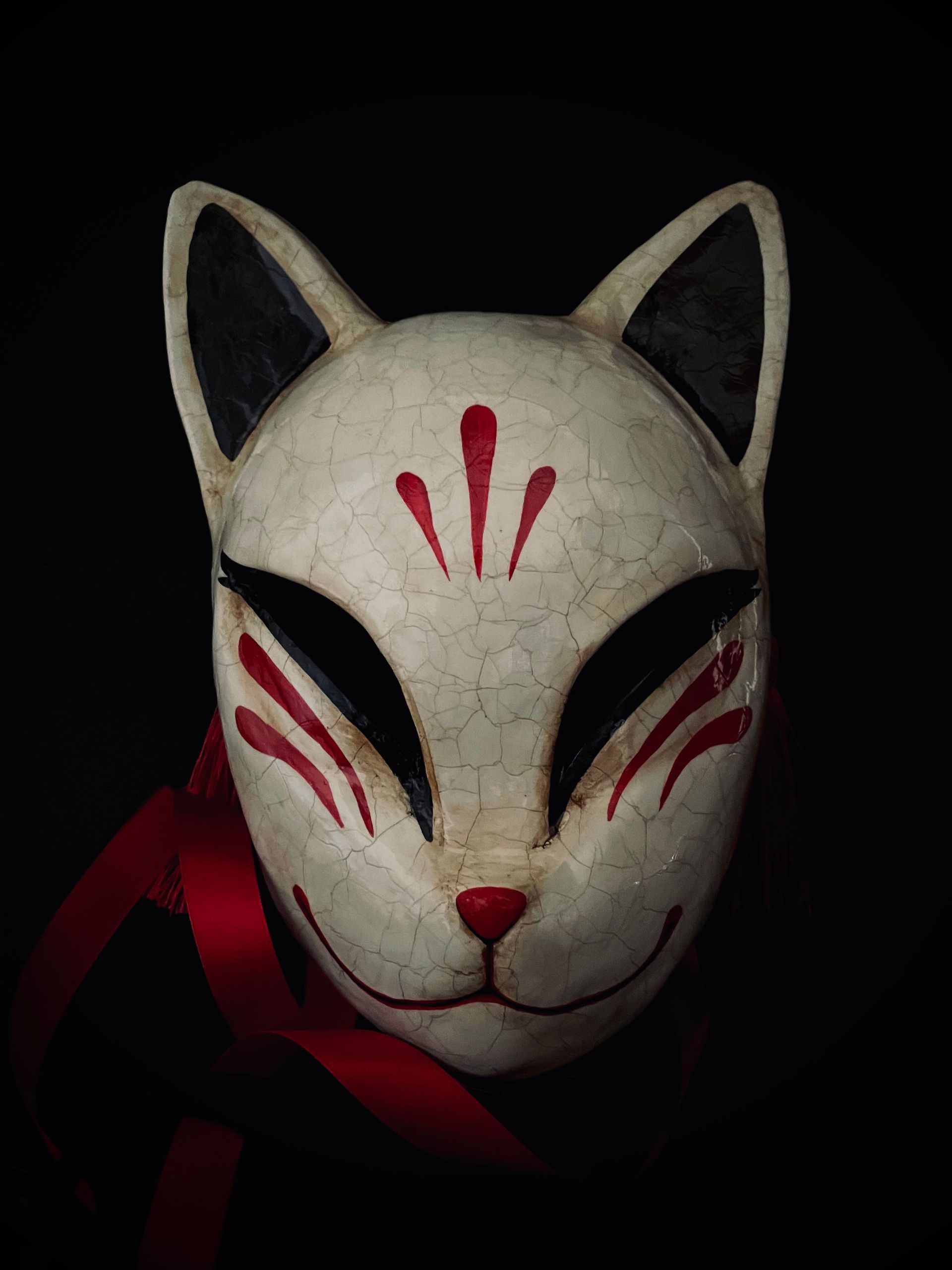
The Hannya mask is a powerful symbol. On one hand, it represents the destructive power of emotions like jealousy and anger. On the other hand, it's also seen as a protective talisman. This dual nature makes it a fascinating subject in various forms of art.

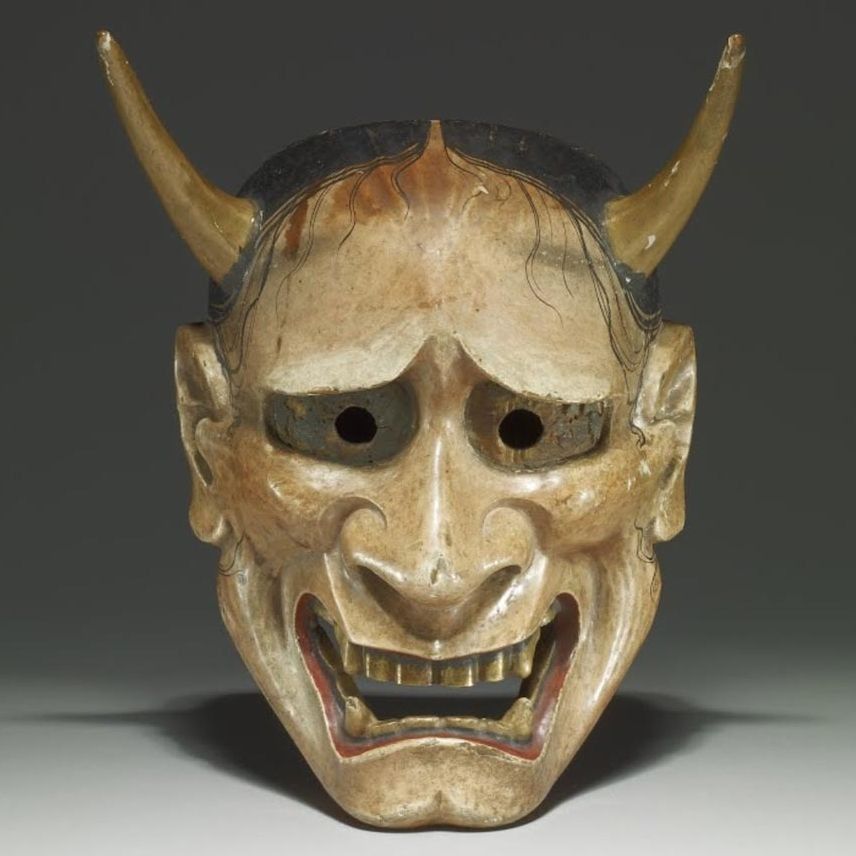
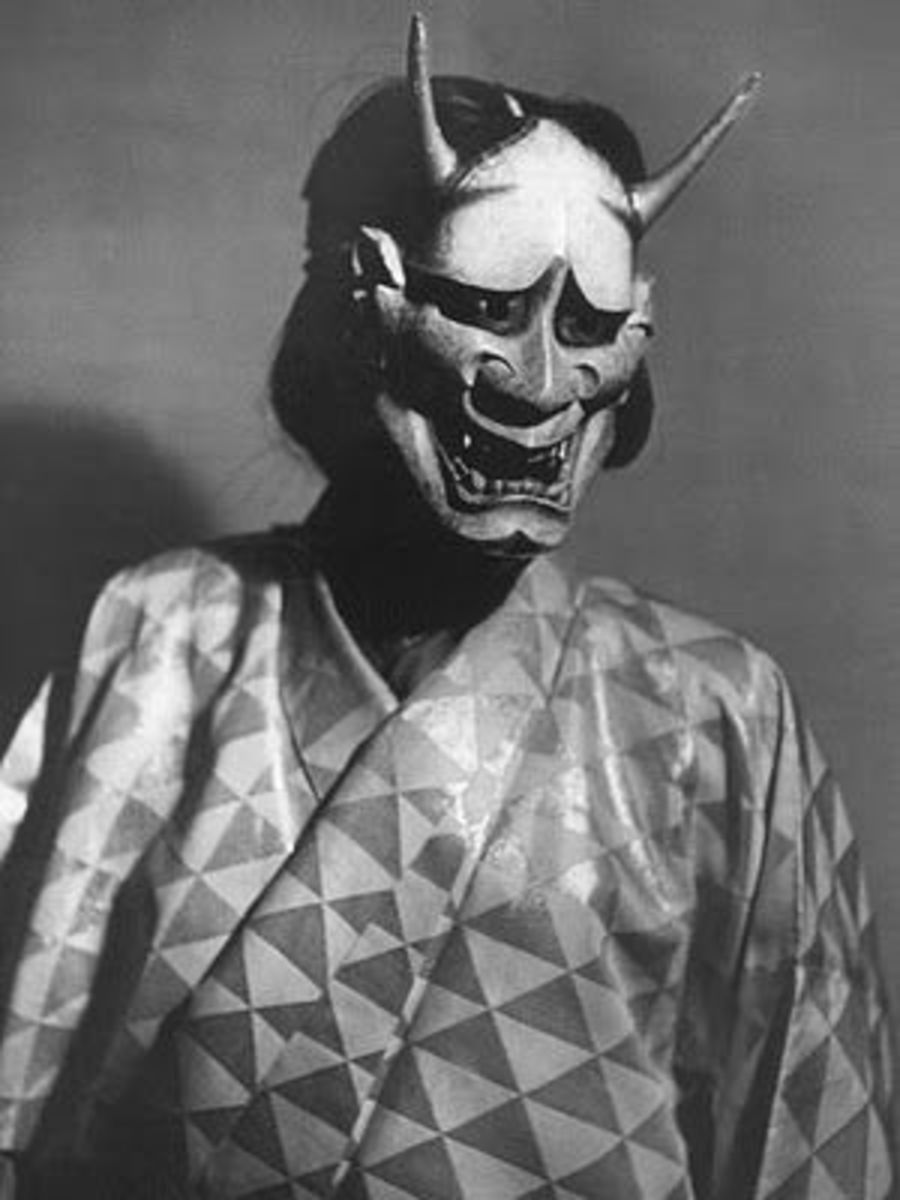
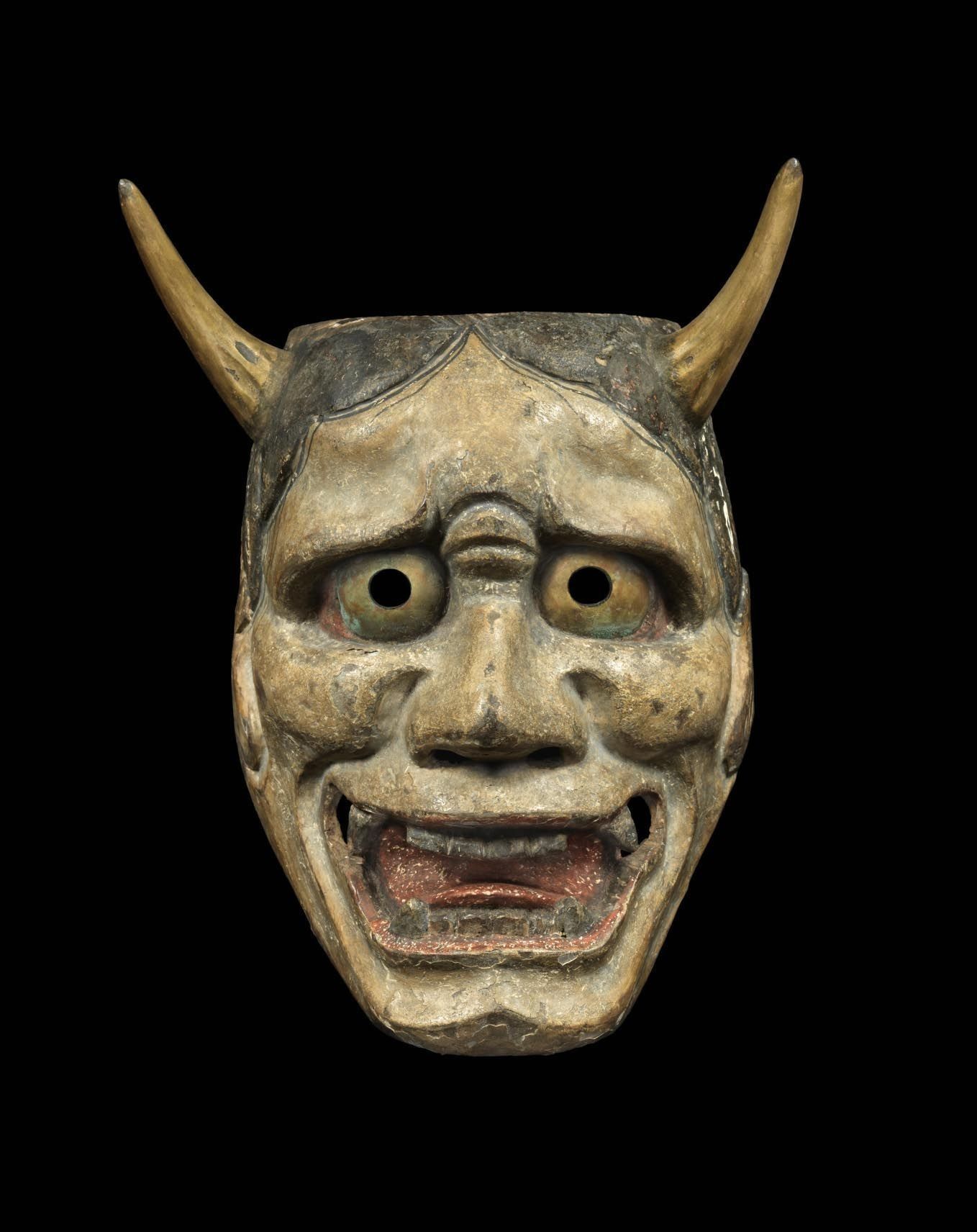
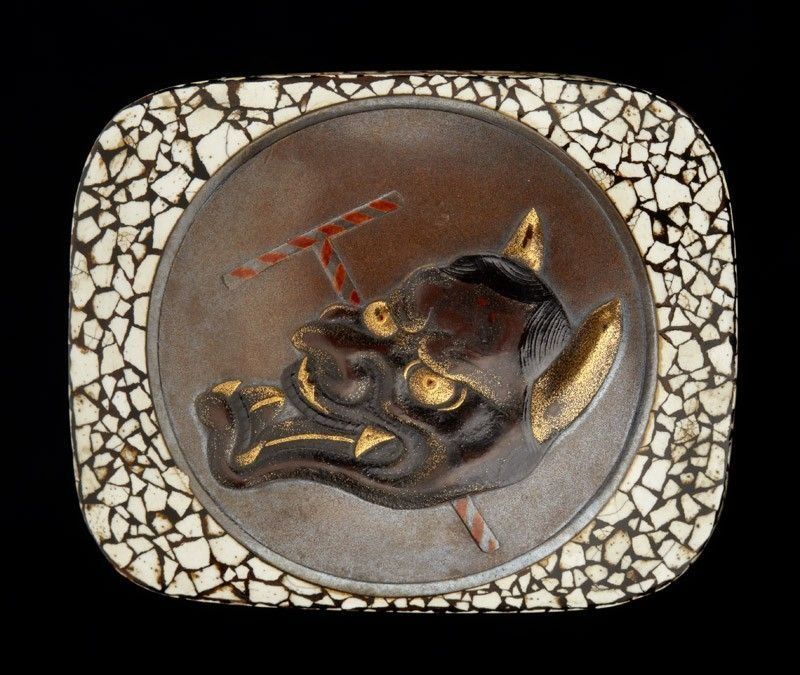
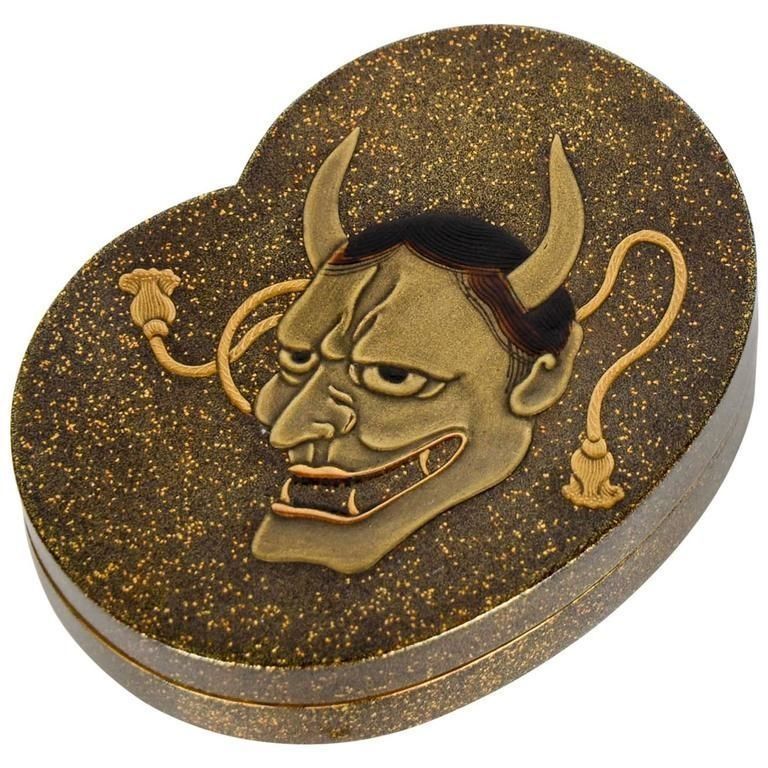
The Hannya mask comes from Noh theater, one of Japan's oldest theatrical forms. It represents a woman who has transformed into a vengeful demon out of jealousy and rage. The mask's exaggerated features—sharp horns, bulging eyes, and a mouth full of fangs—convey intense emotions. It's not just about scaring the audience; it’s about depicting the complexity of human emotions.

Hannya Masks in Noh and Kabuki Theater

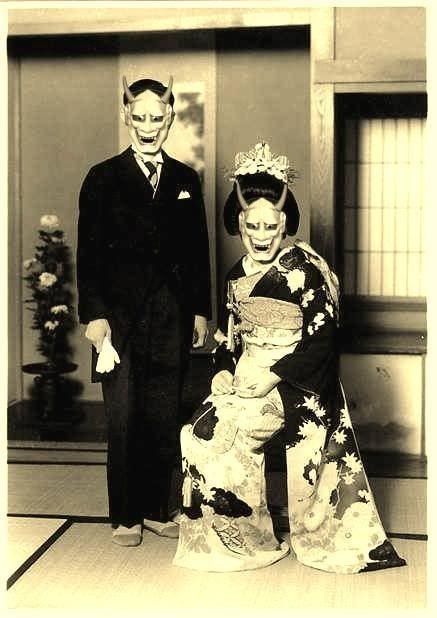
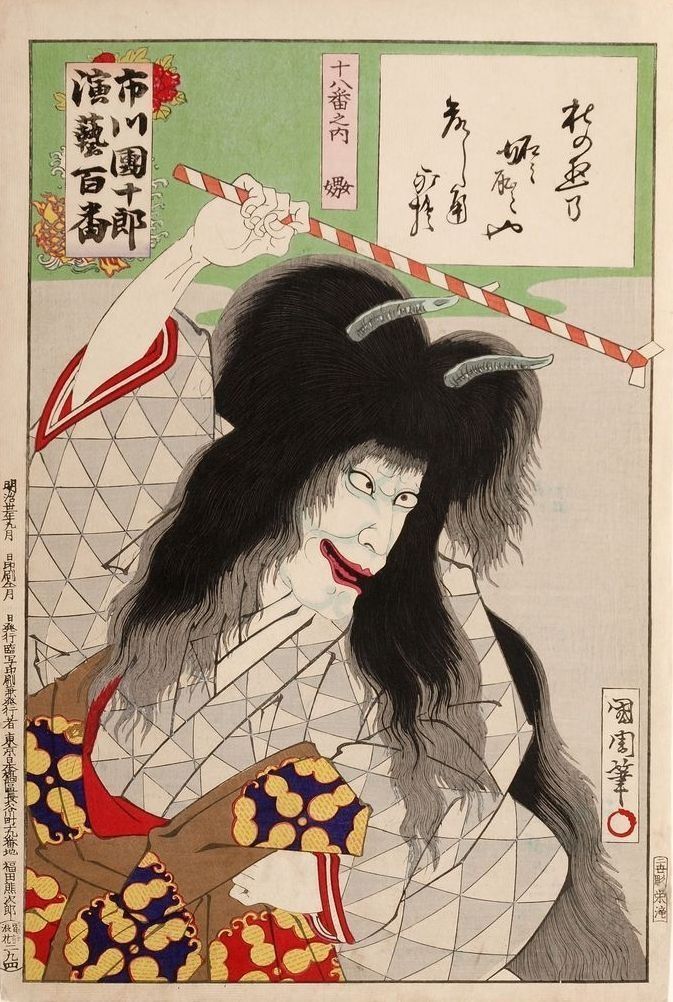
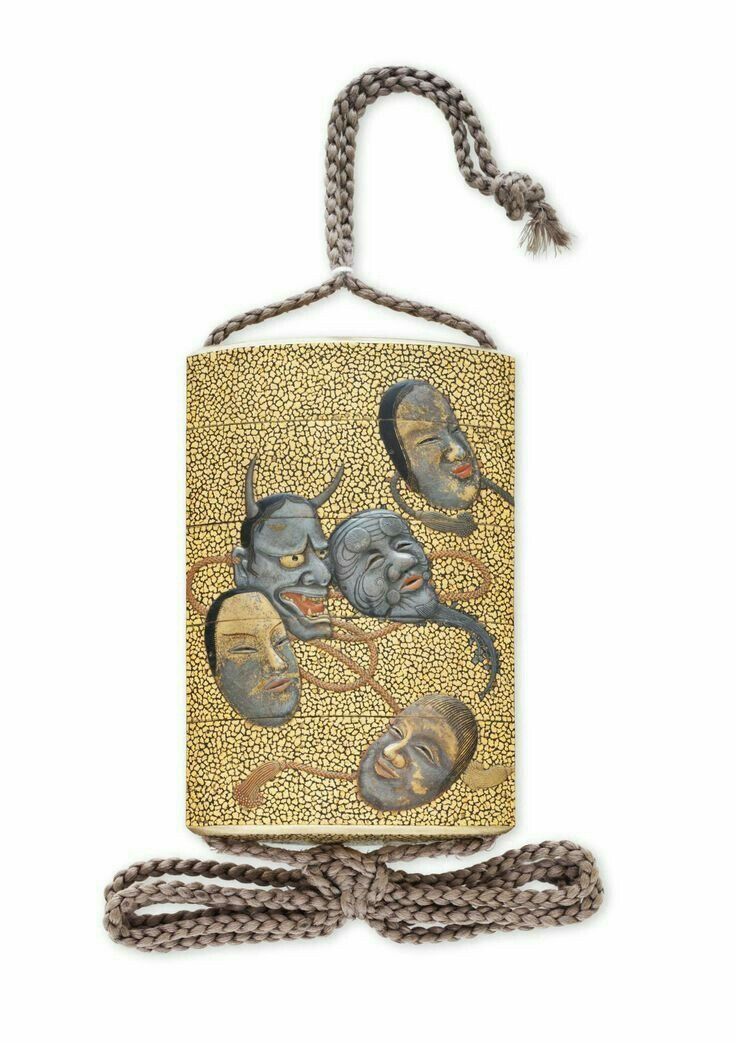
In Noh theater, the Hannya mask is used to tell stories of women consumed by jealousy and turning into demons. The mask's design allows actors to express these intense feelings without words. Kabuki theater also uses Hannya masks, though less rigidly, often emphasizing the dramatic and supernatural elements of the stories.

Ukiyo-e Art and Hannya Masks

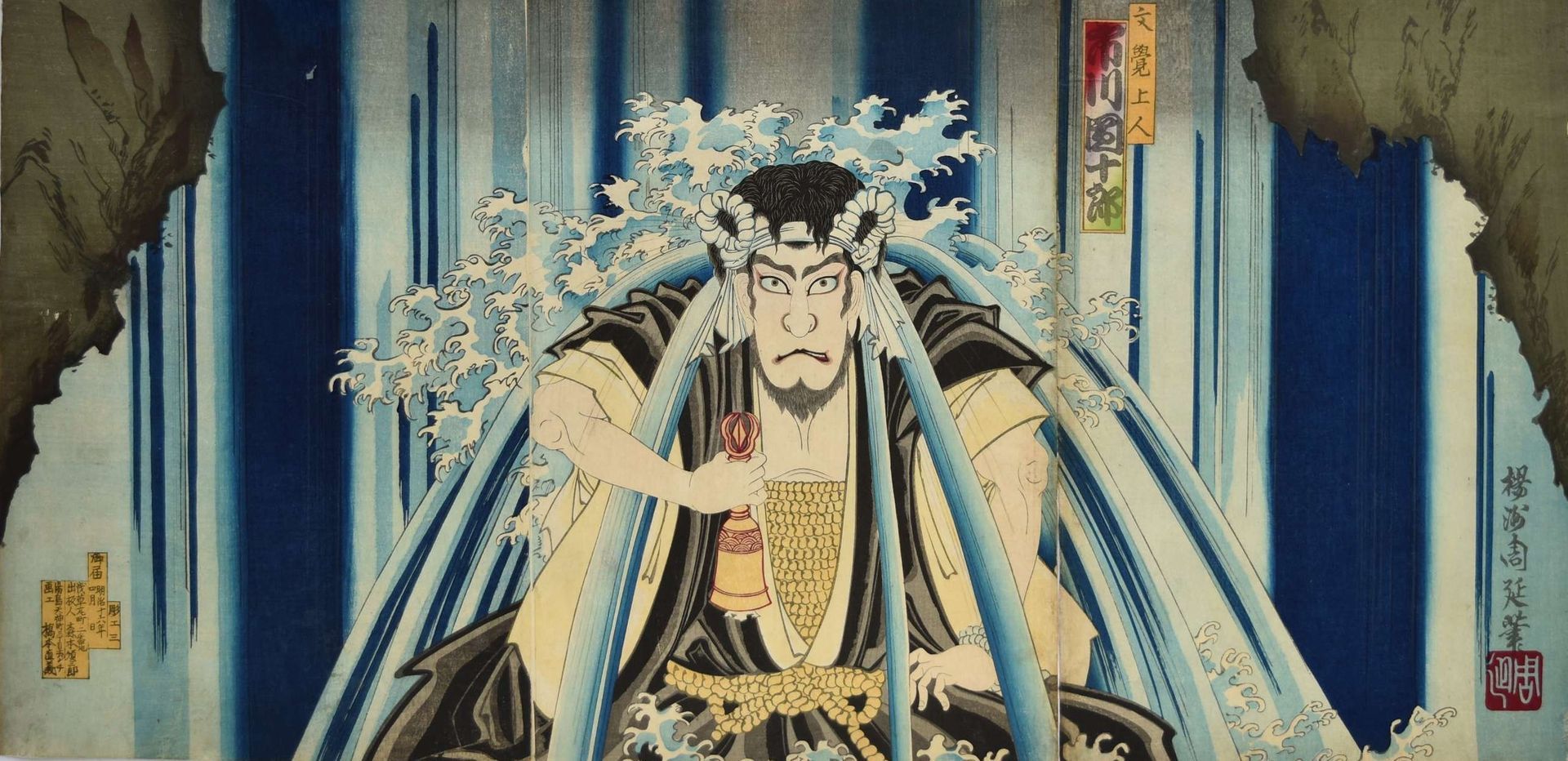
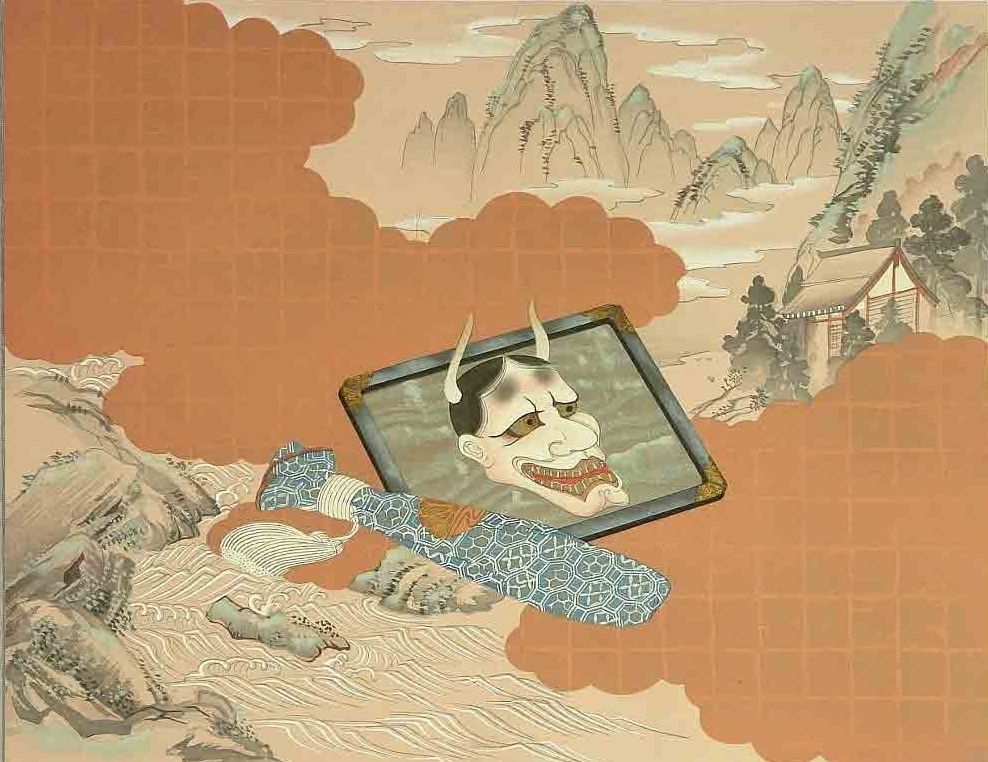
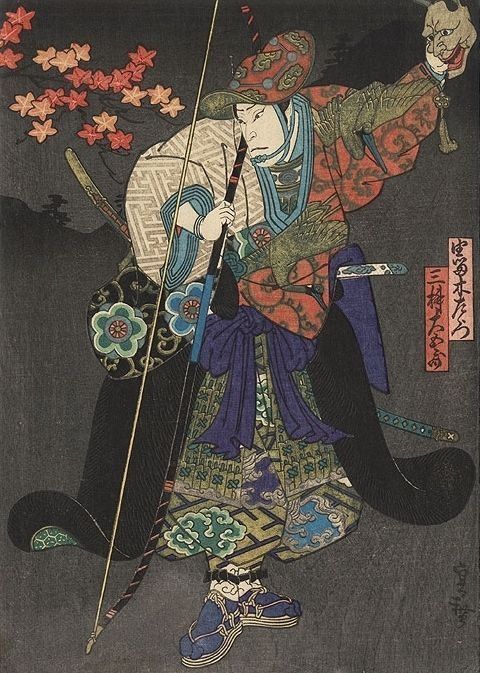
Ukiyo-e, the "pictures of the floating world," is a genre of Japanese woodblock prints and paintings that flourished from the 17th to 19th centuries. These prints often depicted scenes from history, theater, and folk tales, including images of the Hannya mask. The bold lines and vibrant colors of Ukiyo-e art bring the Hannya mask to life, capturing its emotional depth and dramatic flair.

Hannya Mask in Irezumi Tattoos

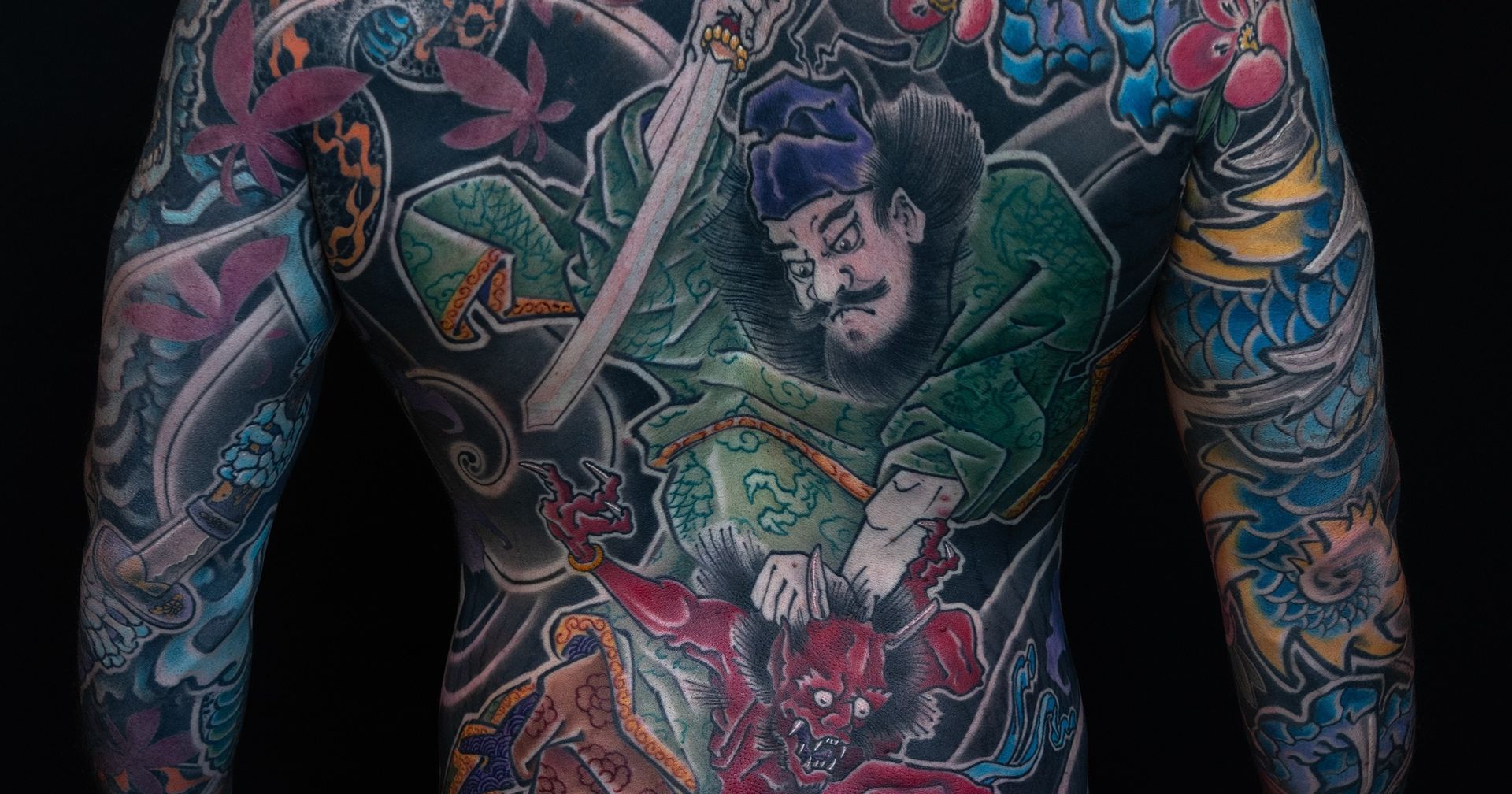
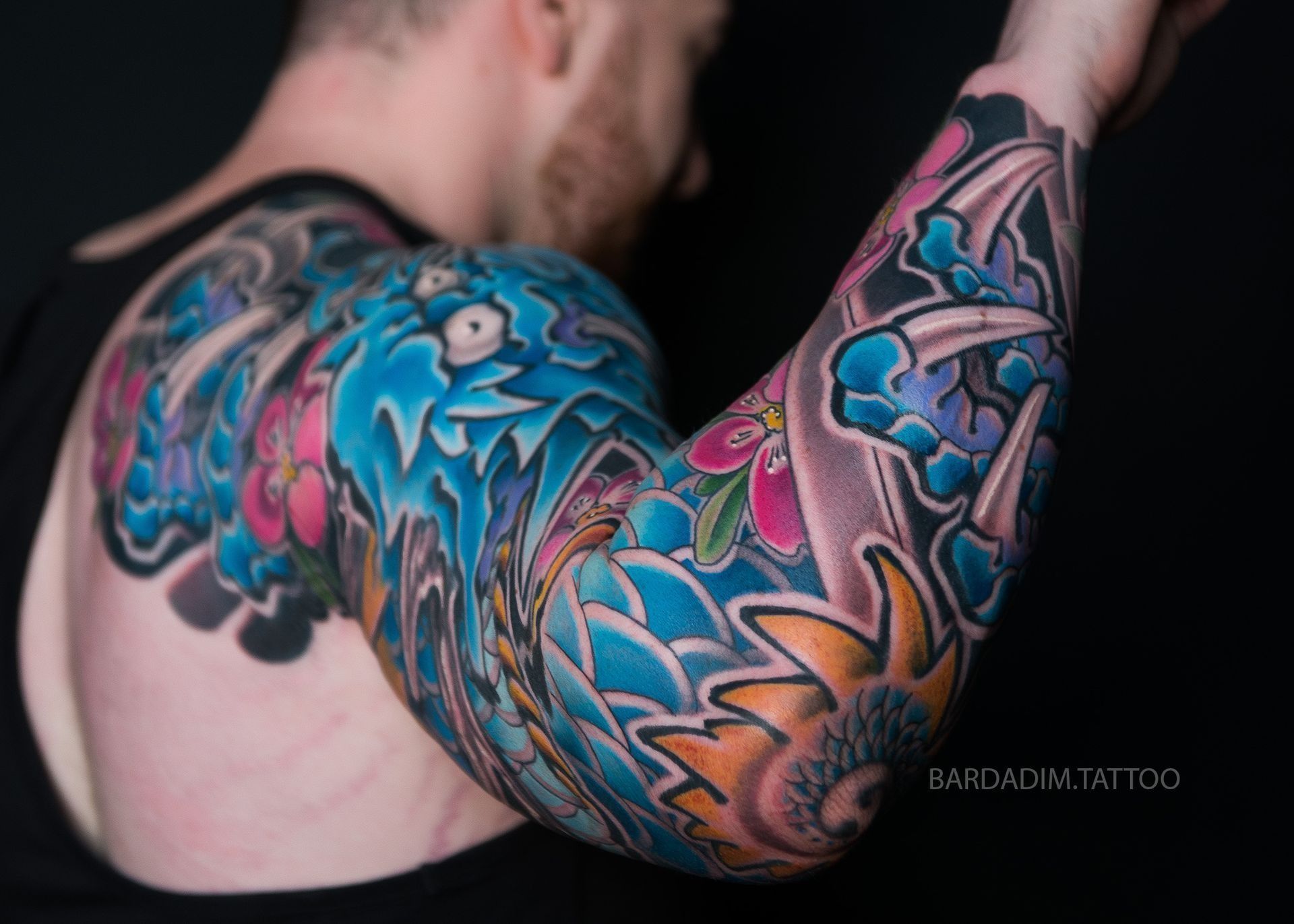
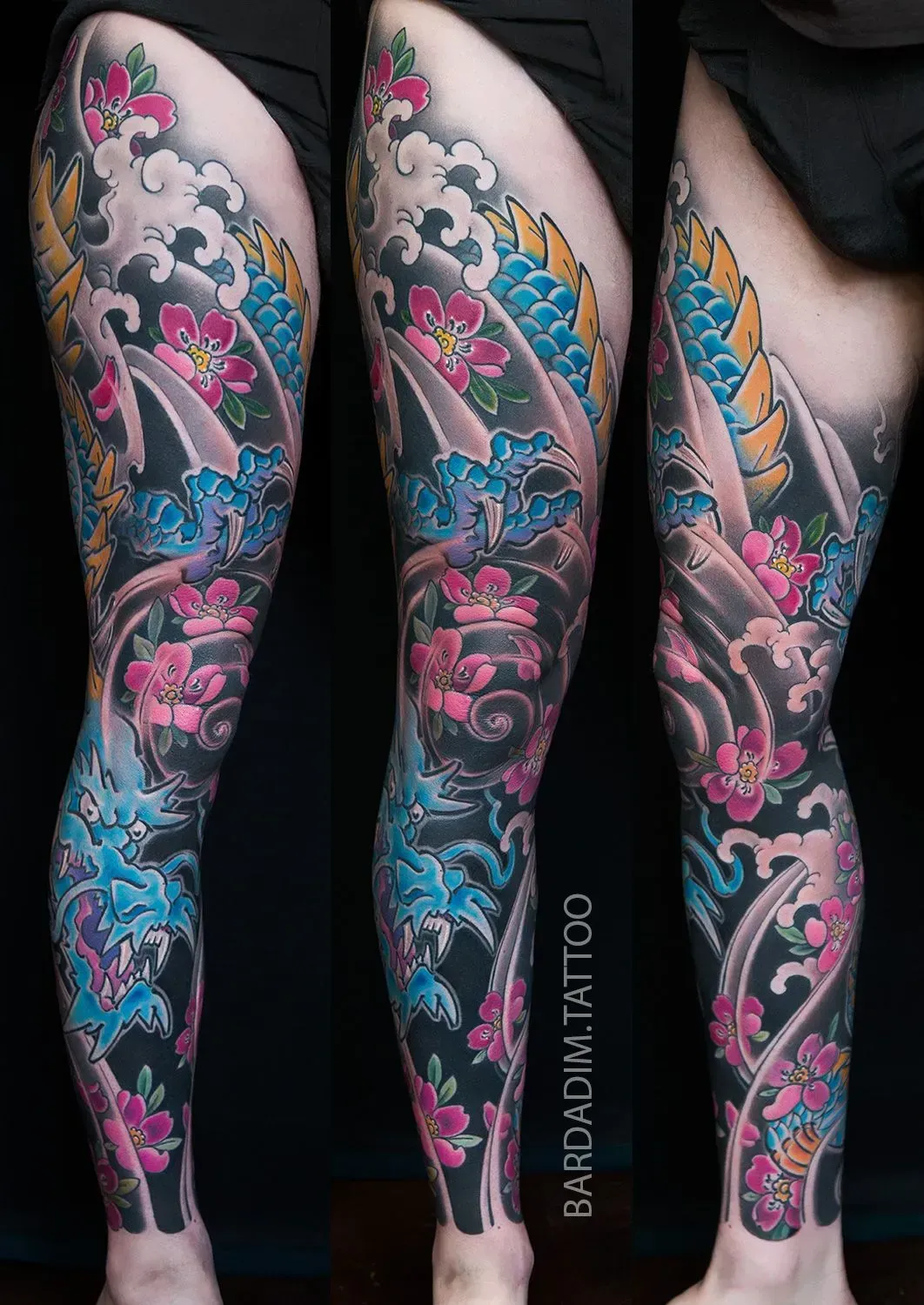
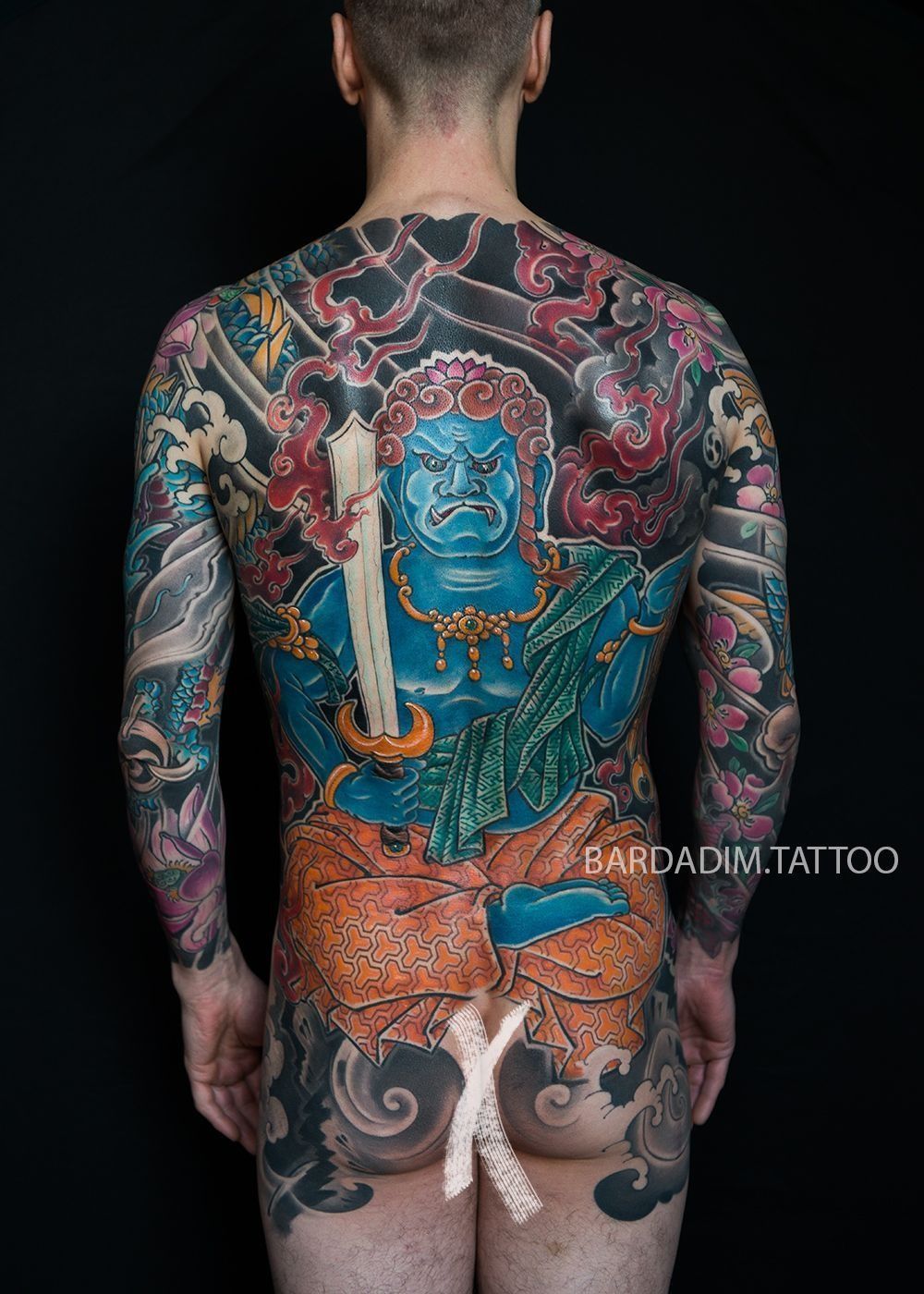
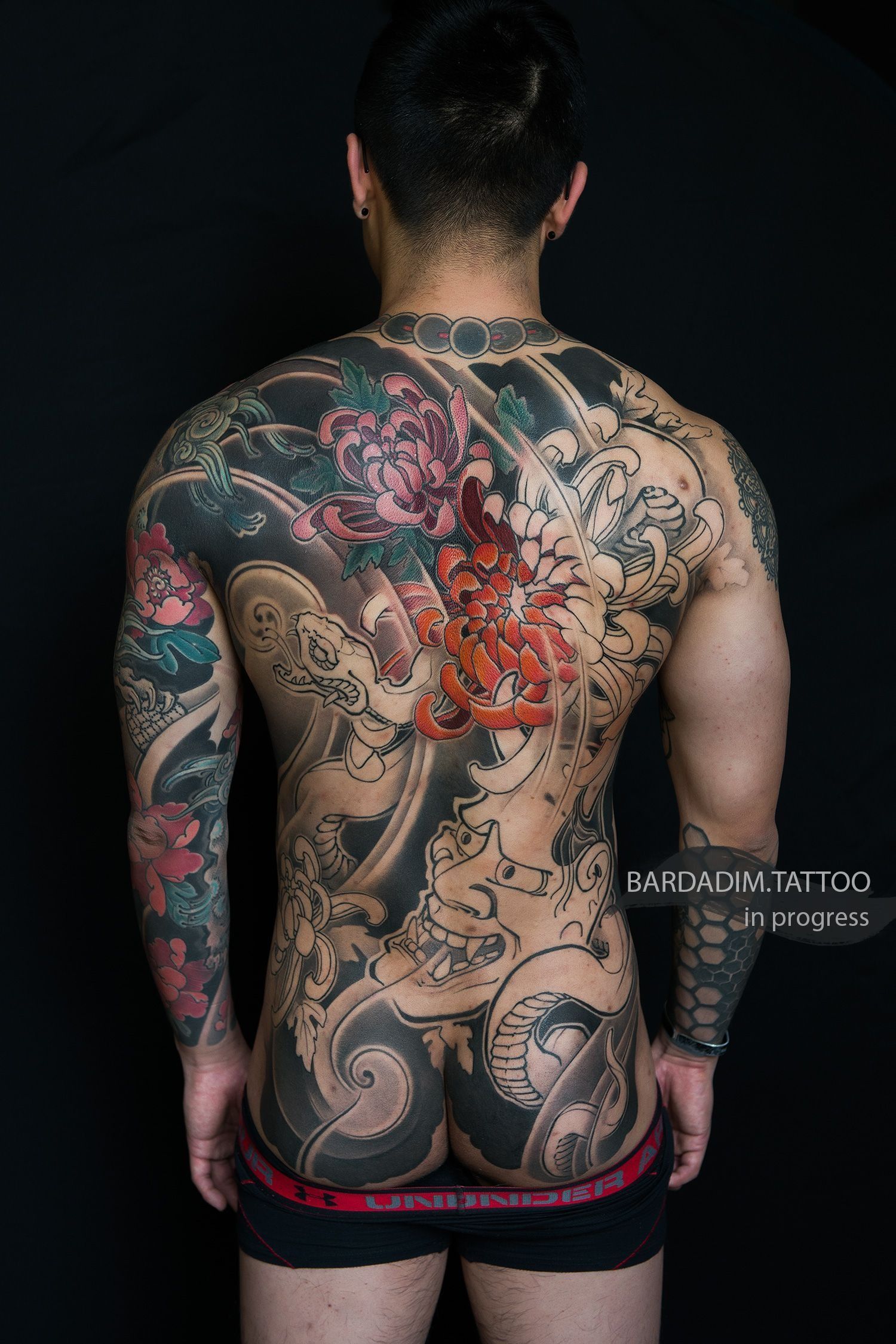
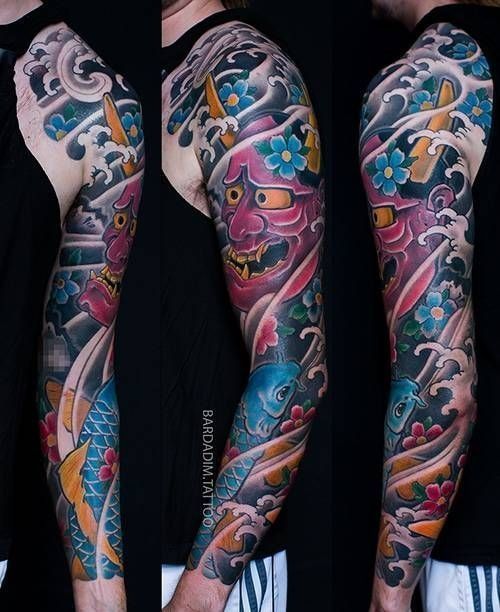
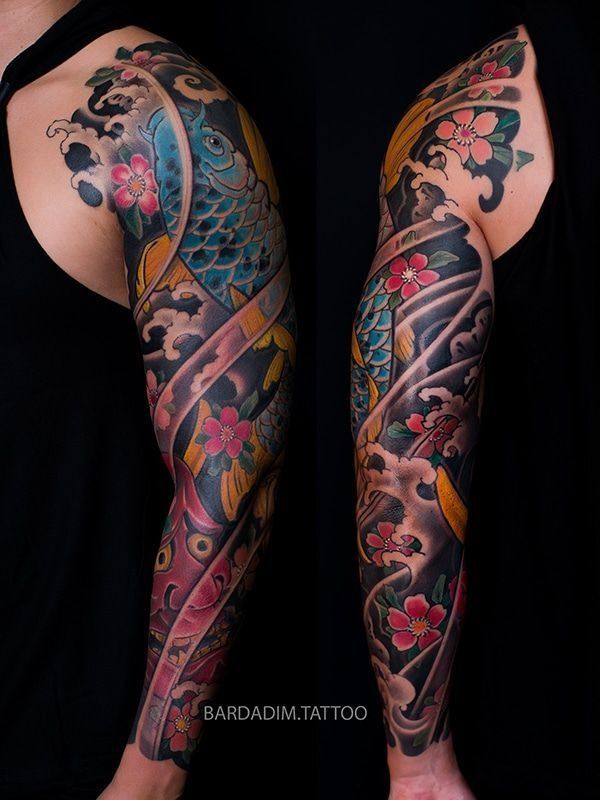
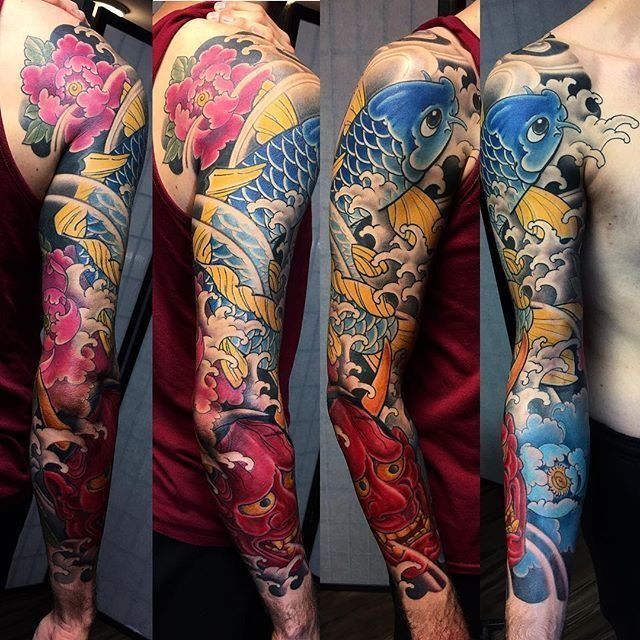
Irezumi, or traditional Japanese tattooing, has a rich history and cultural significance. The Hannya mask is a popular motif in Irezumi tattoos. Why? Because it’s a powerful symbol that resonates on many levels. People choose Hannya mask tattoos to represent personal struggles, protection, and the beauty found in overcoming hardships.

Historical Context of Irezumi

Popularity Among Tattoo Enthusiasts

The Hannya mask is a favorite among tattoo enthusiasts for its striking appearance and profound symbolism. It’s not just a tattoo; it’s a statement. It tells a story of transformation, protection, and the duality of human nature. Plus, it looks incredibly cool!

Irezumi has a long and complex history. Originally associated with criminals and outcasts, it has evolved into a respected art form. The inclusion of the Hannya mask in Irezumi is a nod to traditional Japanese culture and its rich artistic heritage.

Cultural Appropriation and Respect

When getting a Hannya mask tattoo, it’s crucial to approach it with cultural sensitivity. Understand its origins and meanings to respect the culture it comes from. This ensures that the art form is honored, not just imitated.

Choosing the Right Design

Picking a Hannya mask design for a tattoo is a big decision. You want something that reflects your personal journey while staying true to the traditional aesthetics. Working with a skilled artist who understands the cultural significance can help you achieve that perfect balance.

Finding a Skilled Artist

The Tattooing Process

Getting a Hannya mask tattoo is a commitment. The process involves careful outlining, shading, and detailing. Each step requires patience and precision to capture the mask’s intricate design and emotional intensity.

Care and Maintenance

Proper care is essential to keep your Hannya tattoo looking vibrant. Follow your artist’s aftercare instructions, avoid direct sunlight, and keep the tattoo clean. Regular moisturizing and occasional touch-ups will help maintain its boldness over time.

Given the complexity and cultural significance of the Hannya mask, finding the right tattoo artist is key. Look for someone who specializes in Japanese tattoo styles and has a solid portfolio. This ensures that your tattoo will be both authentic and artistically impressive.

The Hannya mask is more than just a striking image; it’s a profound symbol deeply embedded in Japanese culture. From its origins in Noh theater to its depiction in Ukiyo-e art and Irezumi tattoos, the Hannya mask represents the complexity of human emotions and the transformative power of art. Whether you're an art enthusiast, a theater lover, or a tattoo aficionado, the Hannya mask offers a rich tapestry of cultural and personal significance.

Let the Way flow onward:

from The Symbolic Way

“Symbols speak where words fall silent.”

Shishi Guardians and Peonies | Full Japanese Sleeve by Bardadim Tattoo
by George Bardadim 29 November 2024
A full Irezumi sleeve featuring two Shishi Lions and peonies a Gaku-bori composition symbolizing courage, protection, and beauty. Traditional Japanese tattoo by Bardadim.
Japanese sleeve tattoo showing anatomical flow — koi and waves following natural muscle lines
by George Bardadim 7 November 2024
Discover the meaning and structure of this Japanese koi sleeve by Bardadim Tattoo - a masterful balance of shudai, keshoubori, and anatomical flow.
The Myth of Lung-men: The Dragon Gate Legend and Its Artistic Legacy
by George Bardadim 15 August 2024
The story of Lung-men’s transformative powers dates back to ancient Chinese history, with its earliest mention in the Hou Han Shu (History of the Later Han Dynasty). According to this historical record, the phrase “going up Lung-men” became synonymous with striving to improve one’s position in life. The legend of the fish transforming into a dragon after surmounting the falls became a powerful metaphor for personal growth and the relentless pursuit of success. This myth has since inspired countless individuals to persevere through their challenges, believing that, like the fish, they too can achieve greatness if they endure.
Read More …