



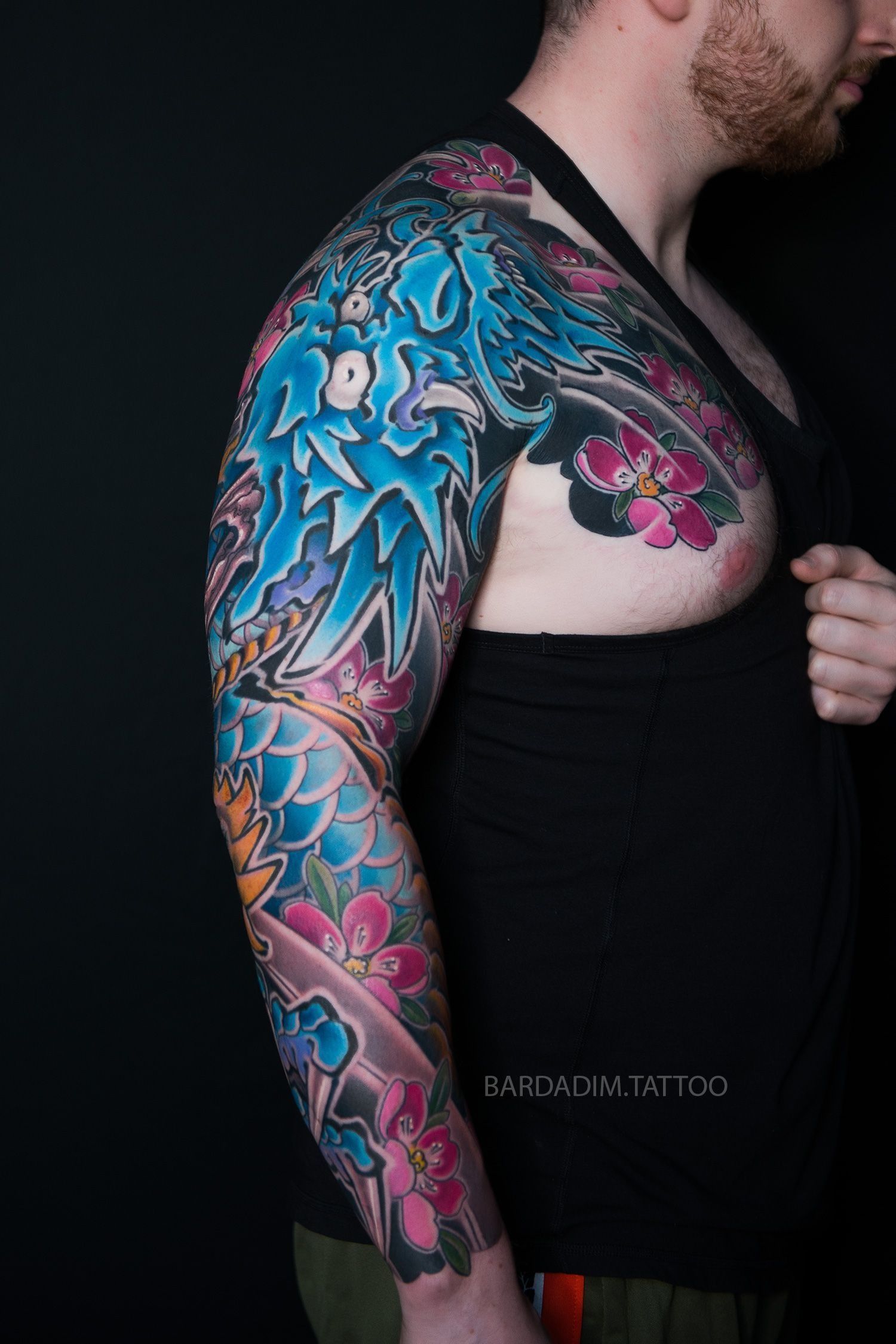


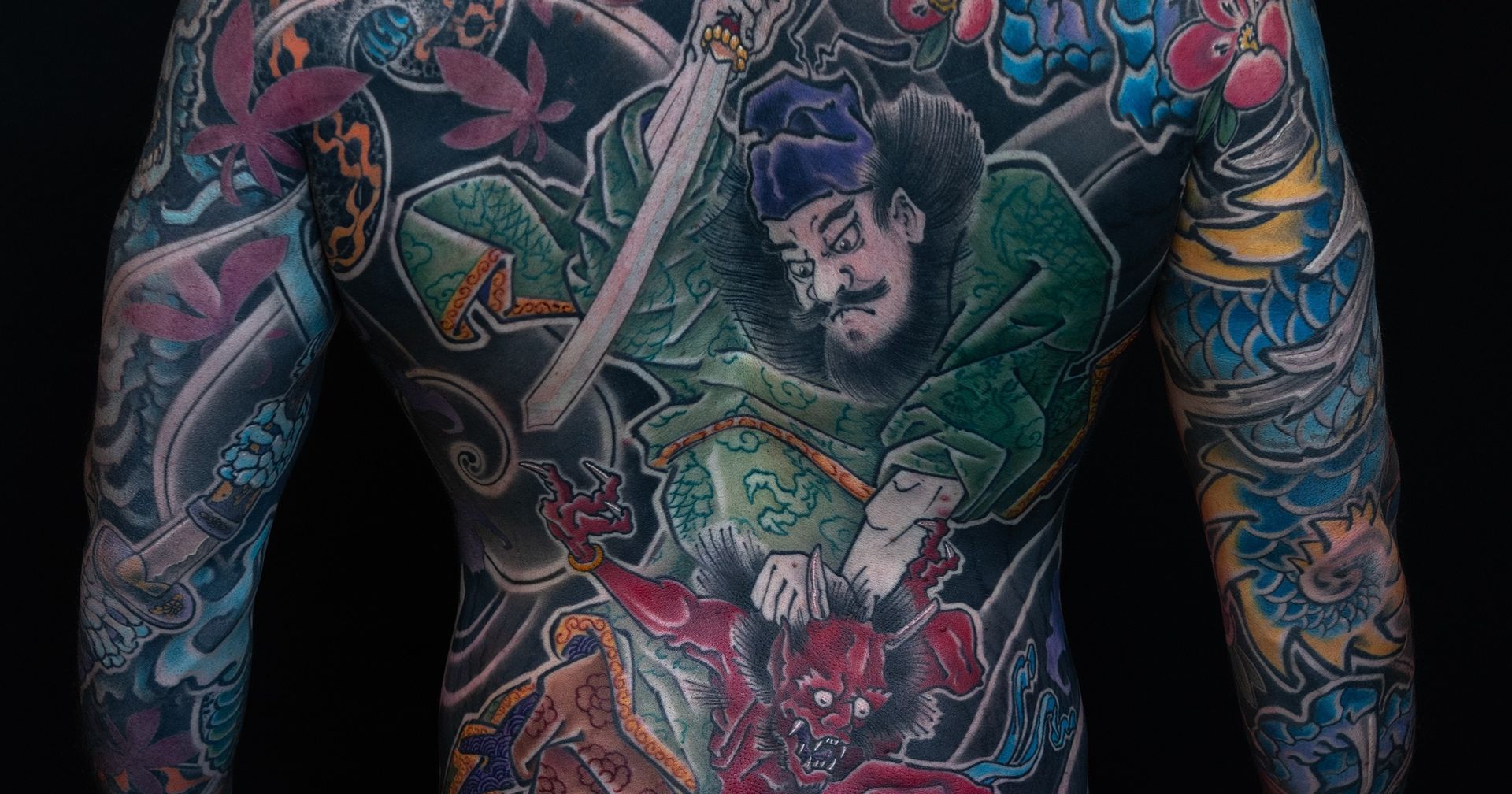
Blue Dragon and cherry blossoms tattoo meaning

George Bardadim • 4 November 2023

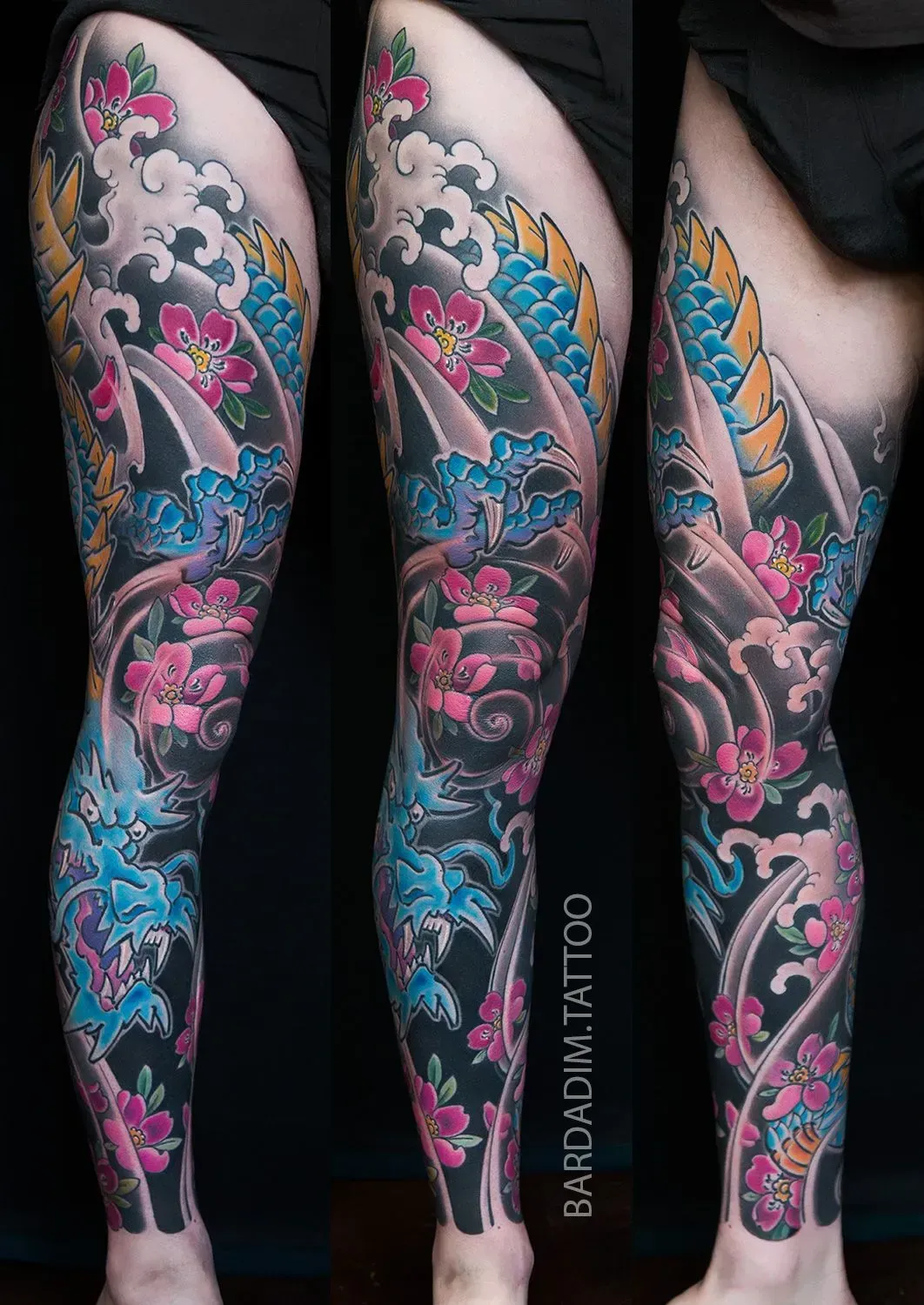
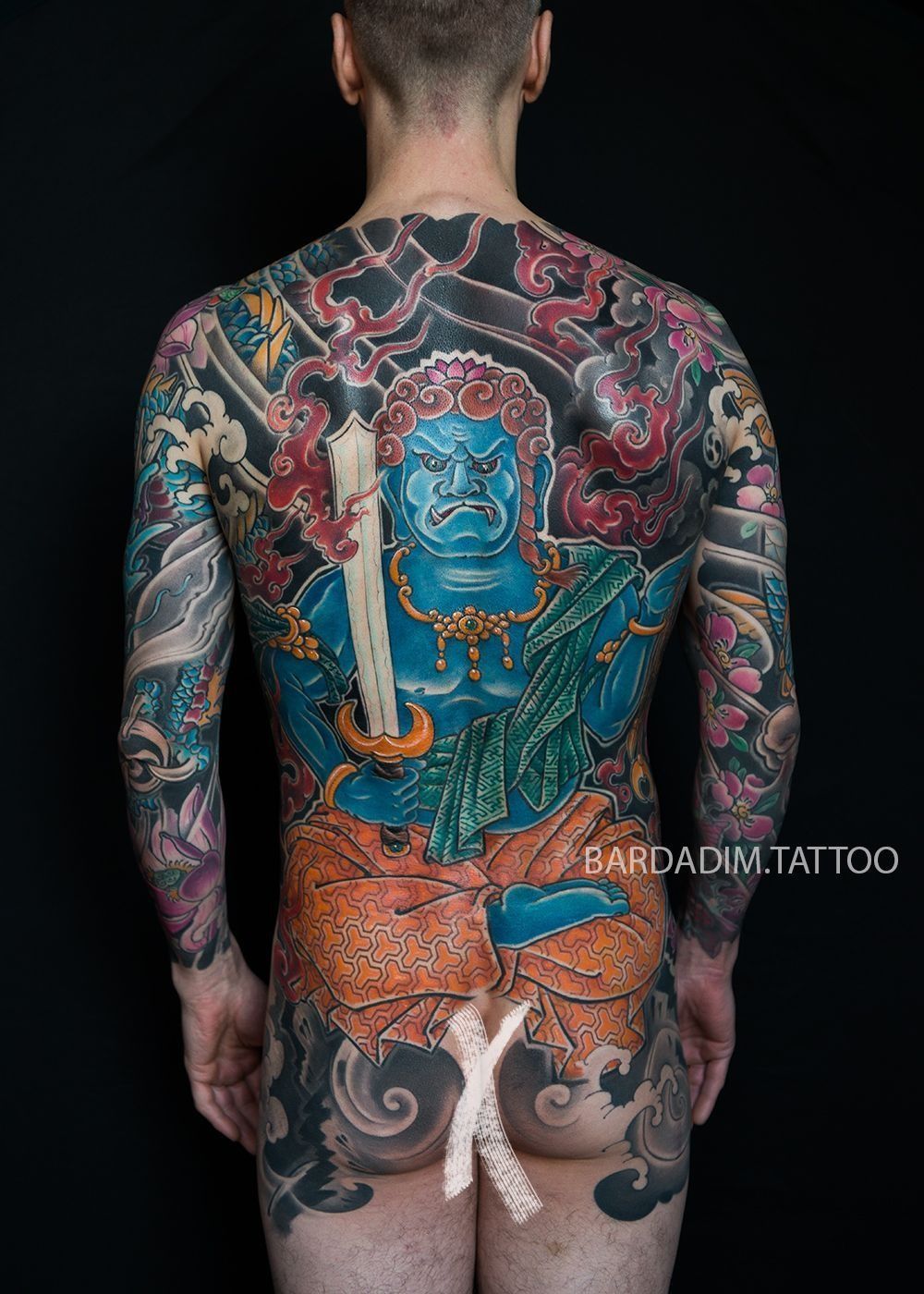
Full sleeve tattoo, is a popular and intricate form of body art that covers the entire arm.

These tattoos often feature elaborate designs, and one of the fascinating choices is a blue dragon alongside cherry blossoms.


In Japanese culture, the blue dragon symbolizes strength, wisdom, and good fortune. It is considered a powerful and mythical creature that represents protection and success. The dragon is believed to bring luck and ward off evil spirits.


Cherry blossoms, on the other hand, hold a significant meaning in Japanese culture. They symbolize the transient nature of life and remind people to appreciate the beauty of the present moment. Cherry blossoms are also associated with renewal, hope, and the arrival of spring.


Combination


Combining the blue dragon and cherry blossoms in an Itezumi full sleeve tattoo creates a captivating and meaningful design. It represents a harmonious balance between strength and beauty, power and fragility. It serves as a reminder to embrace life's challenges with resilience while cherishing the fleeting moments of beauty and joy.

Overall, the blue dragon and cherry blossoms in an Itezumi full sleeve tattoo hold deep cultural significance in Japanese culture, conveying messages of strength, wisdom, good fortune, appreciation, and renewal.

Let the Way flow onward:

from The Symbolic Way

“Symbols speak where words fall silent.”

Shishi Guardians and Peonies | Full Japanese Sleeve by Bardadim Tattoo
by George Bardadim 29 November 2024
A full Irezumi sleeve featuring two Shishi Lions and peonies a Gaku-bori composition symbolizing courage, protection, and beauty. Traditional Japanese tattoo by Bardadim.
Japanese sleeve tattoo showing anatomical flow — koi and waves following natural muscle lines
by George Bardadim 7 November 2024
Discover the meaning and structure of this Japanese koi sleeve by Bardadim Tattoo - a masterful balance of shudai, keshoubori, and anatomical flow.
The Myth of Lung-men: The Dragon Gate Legend and Its Artistic Legacy
by George Bardadim 15 August 2024
The story of Lung-men’s transformative powers dates back to ancient Chinese history, with its earliest mention in the Hou Han Shu (History of the Later Han Dynasty). According to this historical record, the phrase “going up Lung-men” became synonymous with striving to improve one’s position in life. The legend of the fish transforming into a dragon after surmounting the falls became a powerful metaphor for personal growth and the relentless pursuit of success. This myth has since inspired countless individuals to persevere through their challenges, believing that, like the fish, they too can achieve greatness if they endure.
Read More …