Mikiri Borders in Irezumi

George Bardadim • 24 November 2021

Understanding the Types, Aesthetics, and Symbolism

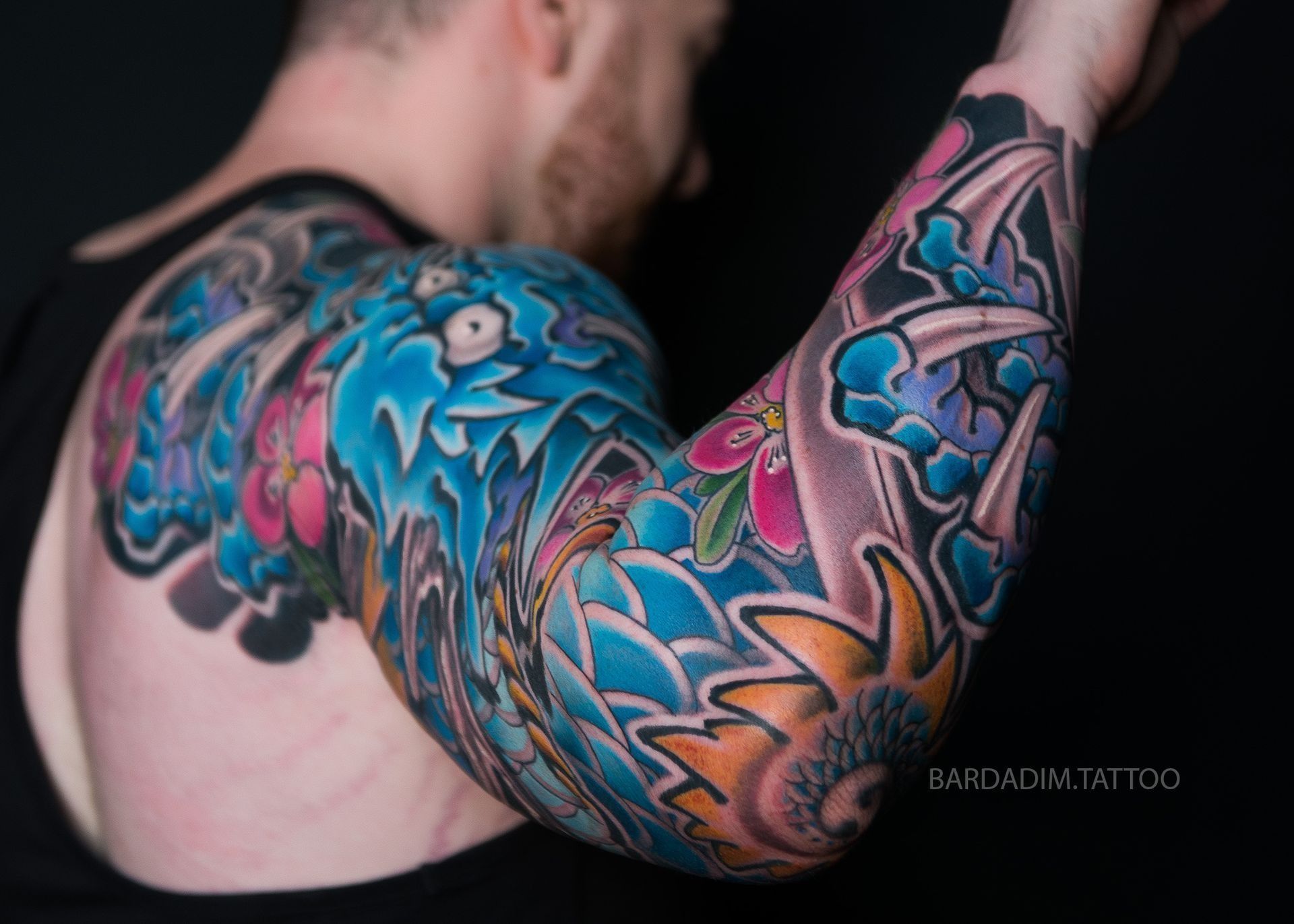
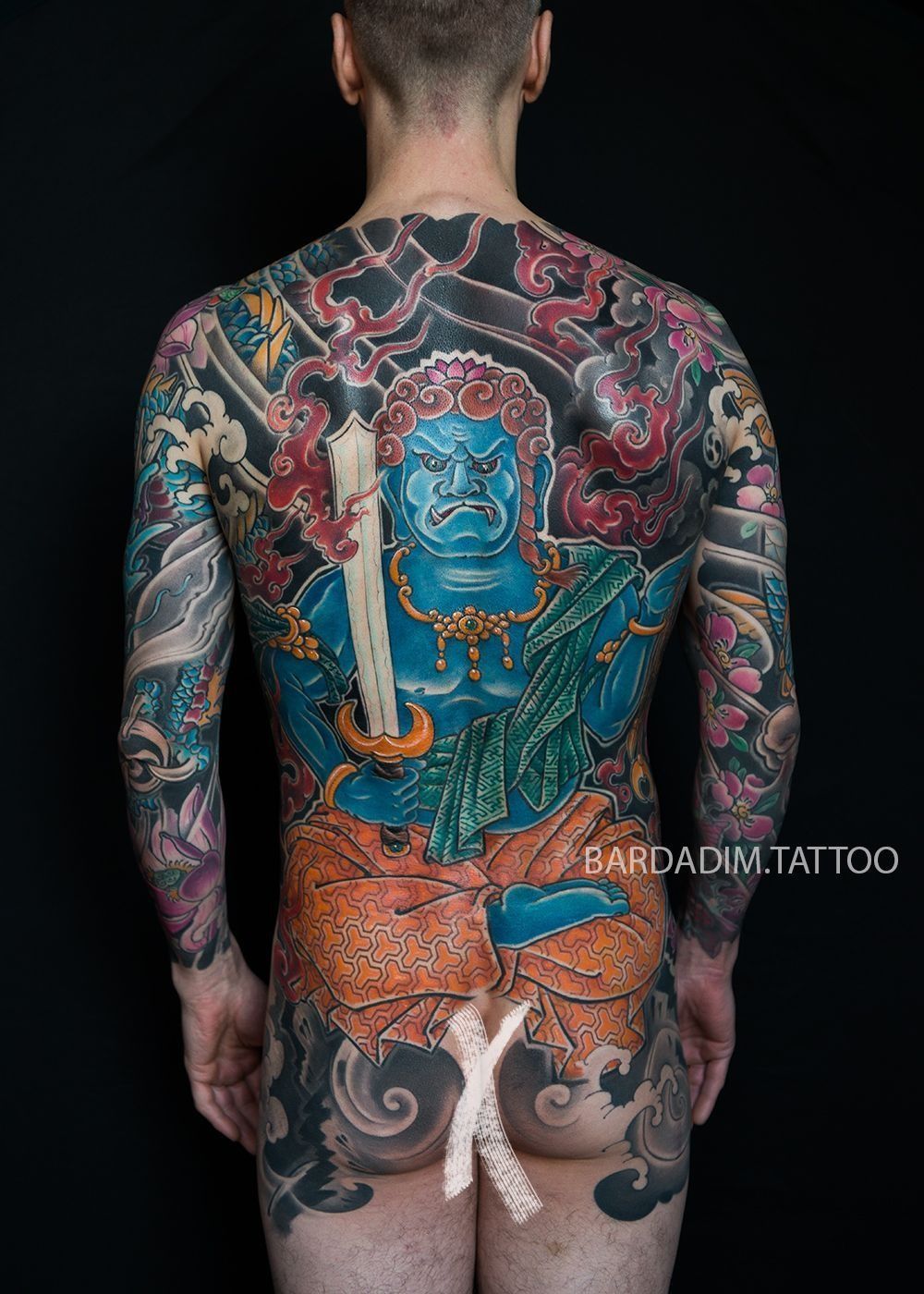
In Japanese tattooing, the main subject, background elements, flow, and placement often receive the most attention. Yet one of the most defining structural components of a traditional piece is something far subtler: the mikiri - the border that marks where the tattoo ends and the untouched skin begins.


In classical Irezumi, the mikiri is not an afterthought. It anchors the composition, reinforces the flow, enhances symbolism, and connects the tattoo to the body’s natural form. In modern Gendai Irezumi, especially in large-scale work, choosing the correct mikiri type has a direct impact on the character, legibility, and emotional tone of the entire project.

Below is a clear guide to the main mikiri styles, how they’re used, and the meaning they carry.


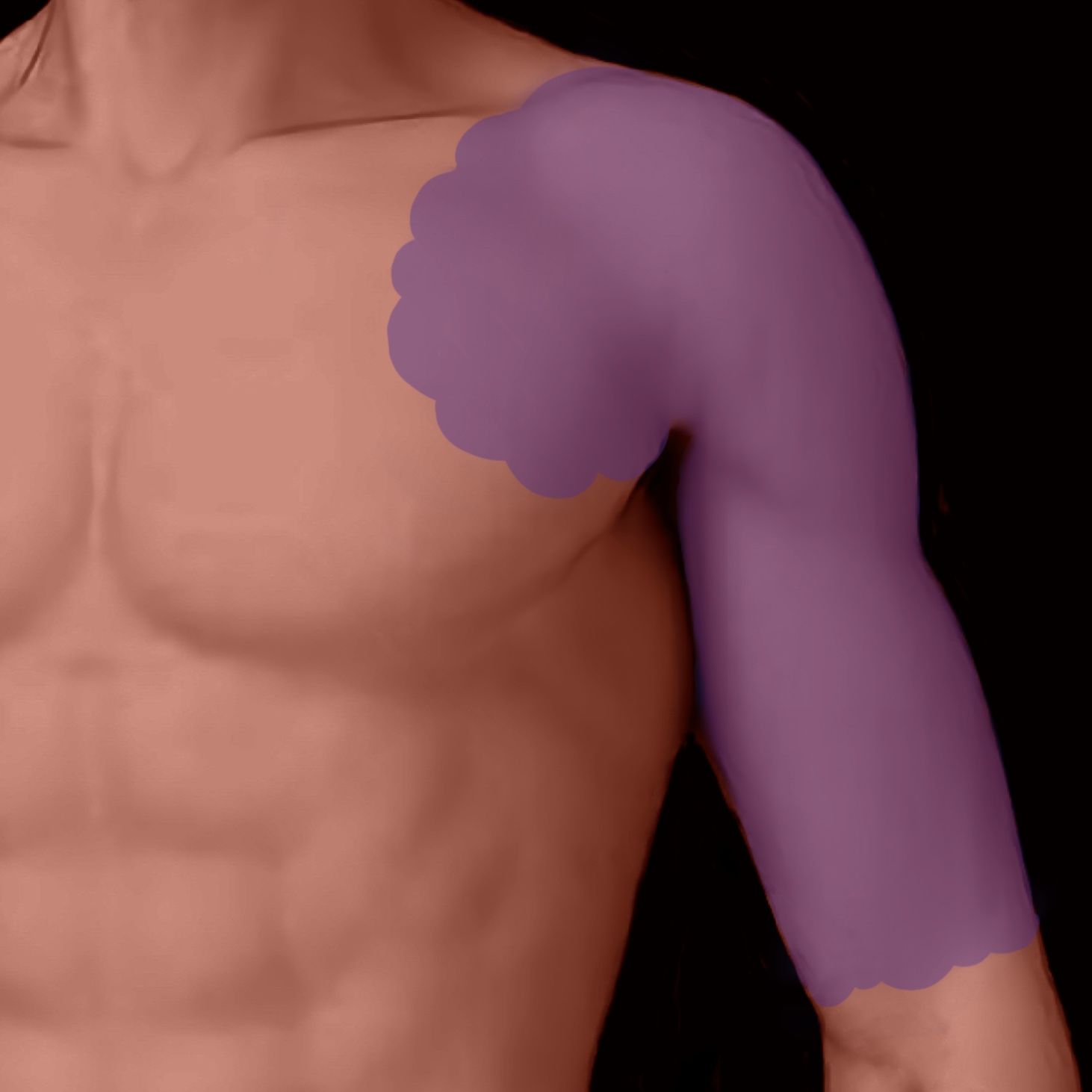
1. Botan-giri - The Peony Edge


Description

Botan-giri is a soft, rounded border resembling the gentle curves of peony petals or rolling clouds. Instead of a sharp cut, this edge breathes outward with smooth waves.


Aesthetic Character


  • Organic, soft, fluid.
  • Works beautifully with floral motifs, clouds, and wind bars.
  • Creates a sense of movement and natural ease.


Symbolism


The peony is a long-standing symbol of honor, prosperity, and refined beauty. A border inspired by it amplifies themes of elegance and grace, even when the main motif is not floral.


Best Used When


You want a natural, flowing edge that blends gently with the skin and doesn’t impose a hard frame.

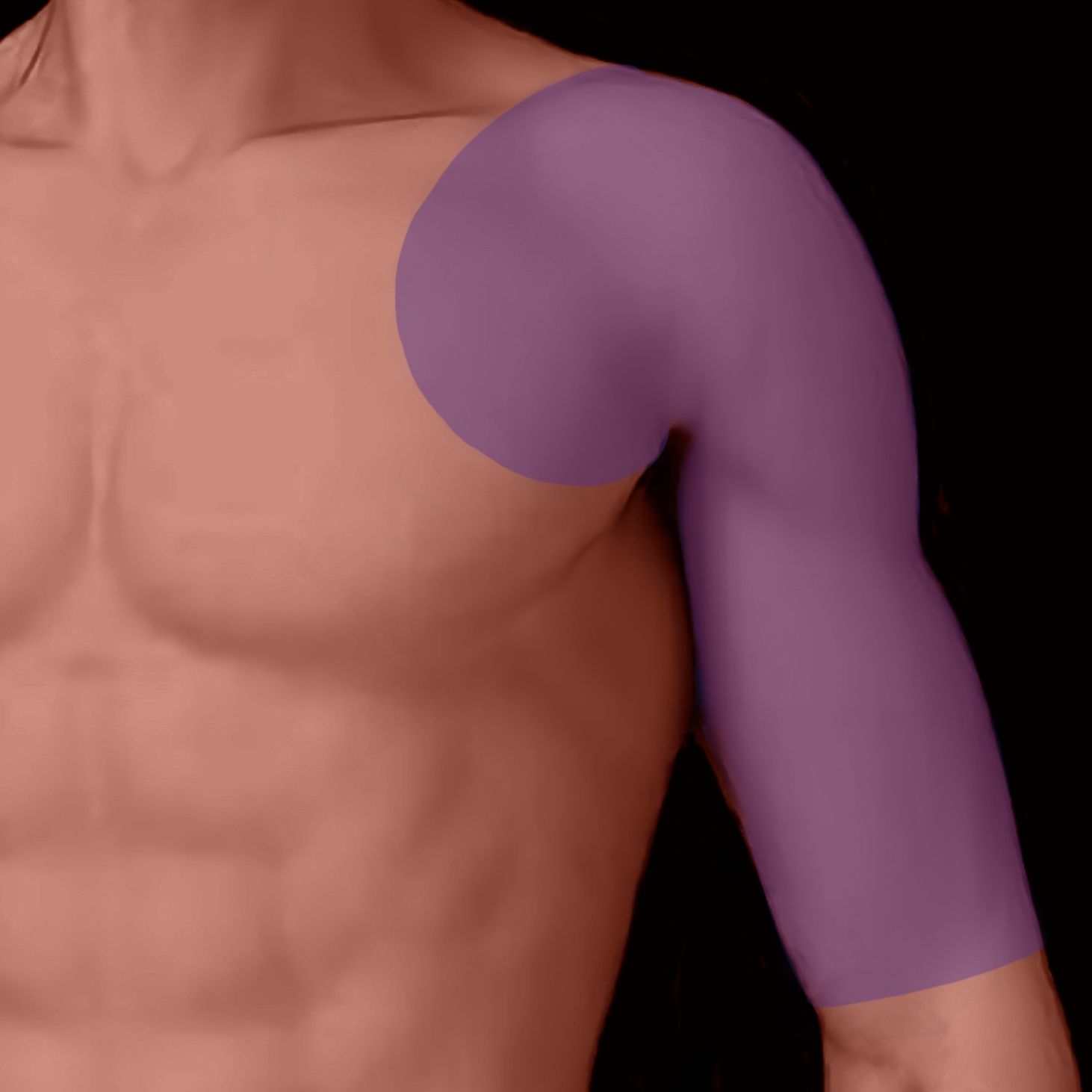
2. Bukkiri - The Straight Cut


Description


Bukkiri is a bold, straight, almost blade-like finish. The design ends abruptly against the skin, as if sliced clean.


Aesthetic Character


  • Strong, decisive, highly graphic.
  • Creates a clear visual boundary.
  • Excellent for structured compositions or minimal backgrounds.


Symbolism


A straight border reflects decisiveness, discipline, and clarity. It embodies the idea of cutting away the unnecessary – a concept aligned with Zen simplicity and samurai aesthetics.


Best Used When


The composition calls for a firm frame, strength, or a sense of intentional finality.

3. Matsuba Mikiri - The Pine Needle Edge


Description


A rarer style in contemporary Irezumi. The border is formed from a series of thin, straight strokes that resemble pine needles projecting inward.


Aesthetic Character


  • Clean, textured, subtle.
  • Offers refinement without softness.
  • Adds a unique rhythmic pattern at the edge.


Symbolism


Pine trees symbolize longevity, endurance, and steadfastness. Using a matsuba edge quietly reinforces themes of stability and timelessness.


Best Used When


You want a refined, understated border that adds character without overpowering the design.


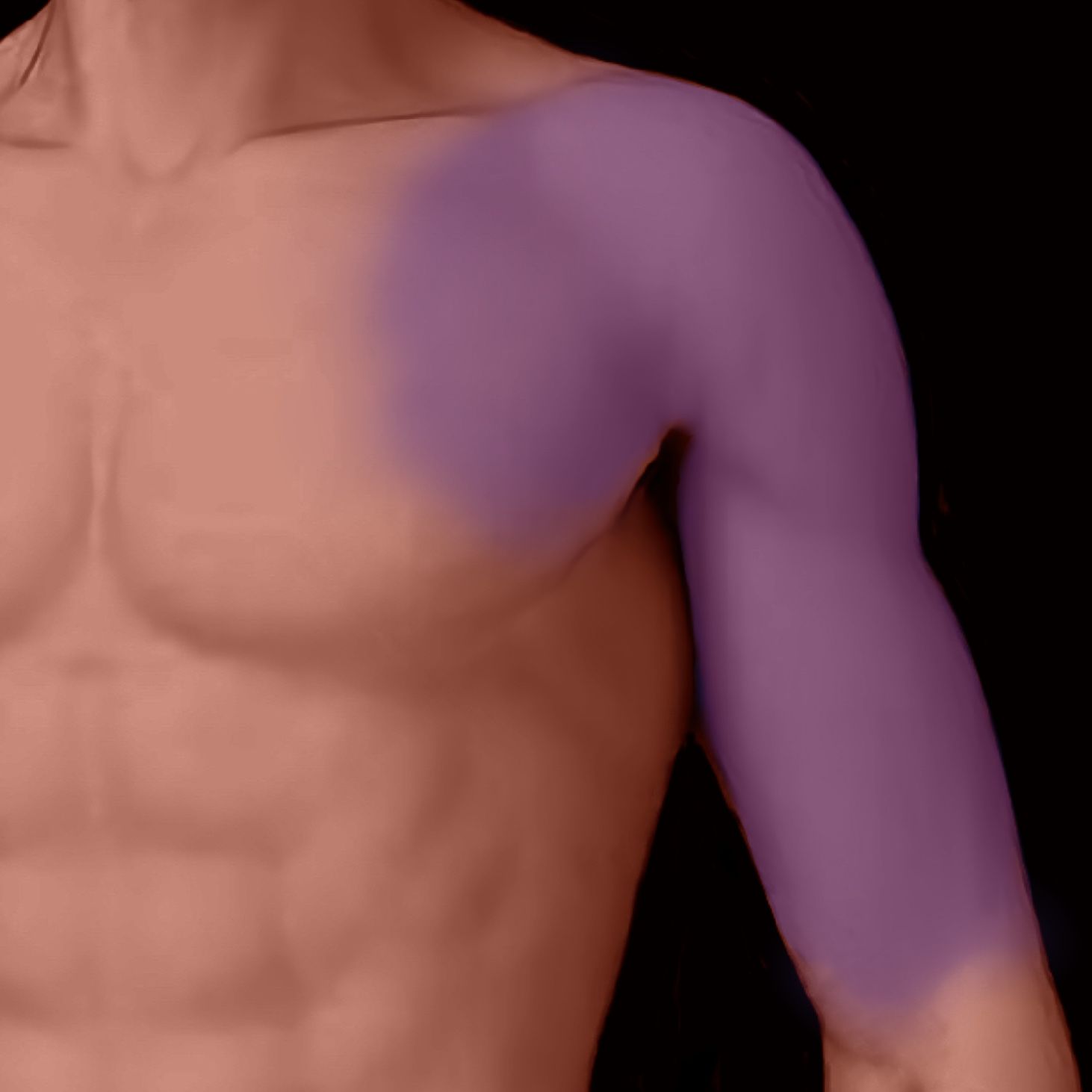
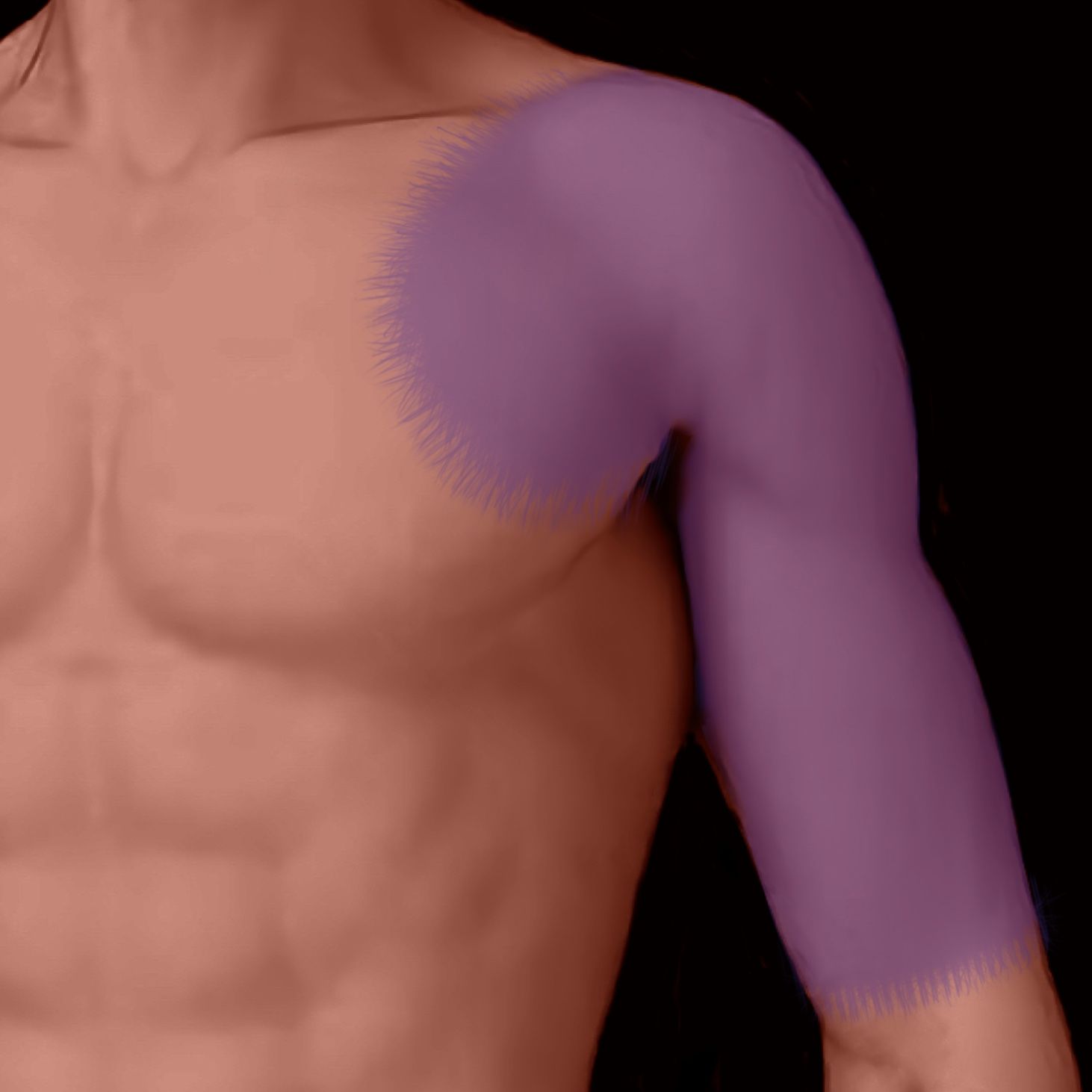
4. Akebono Mikiri - The Dawn Fade


Description


Akebono means “dawn”. This border fades gradually into the skin through a gradient of tone, density, or shading.


Aesthetic Character


  • Airy, subtle, atmospheric.
  • Gives the impression that the tattoo dissolves into the body.
  • Perfect for soft backgrounds like clouds or mist.


Symbolism


The fading edge reflects renewal, openness, and transition. It echoes the concept of impermanence - that everything shifts, dissolves, and re-emerges.


Best Used When


You want a border with philosophical character, or when the design naturally evaporates into space and light.

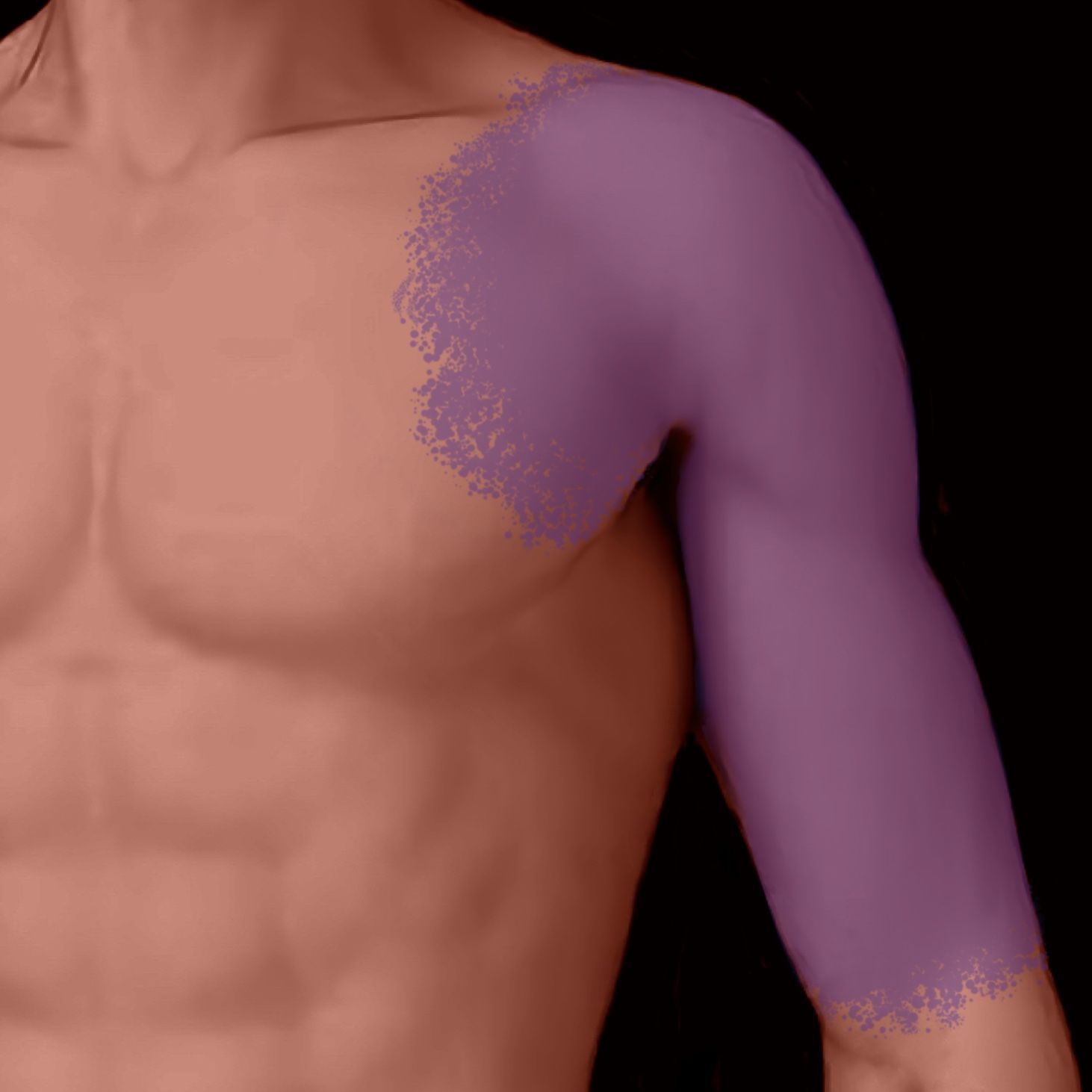
5. Jari Mikiri - The Gravel Border


Description


A dotted or granular transition that scatters outward, moving from dense pigment to isolated dots and then to bare skin.


Aesthetic Character


  • Soft, powder-like, understated.
  • Great for weathered, wabi-sabi-inspired pieces.
  • Adds a sense of age and natural erosion.


Symbolism


Small grains, dust, and gravel reference time passing, erosion, and the beauty of imperfection. This border pairs well with the aesthetic of wabi-sabi and the idea that nothing remains unchanged.


Best Used When


You want the softest possible ending to a composition, with a gentle, almost ghost-like transition.

Why Mikiri Matters


Choosing the right mikiri is more than choosing a border. It influences:


  • How the composition sits on the body
  • How the viewer’s eye follows the flow
  • The emotional tone of the piece
  • The symbolic meaning behind the tattoo
  • How the tattoo will age over time


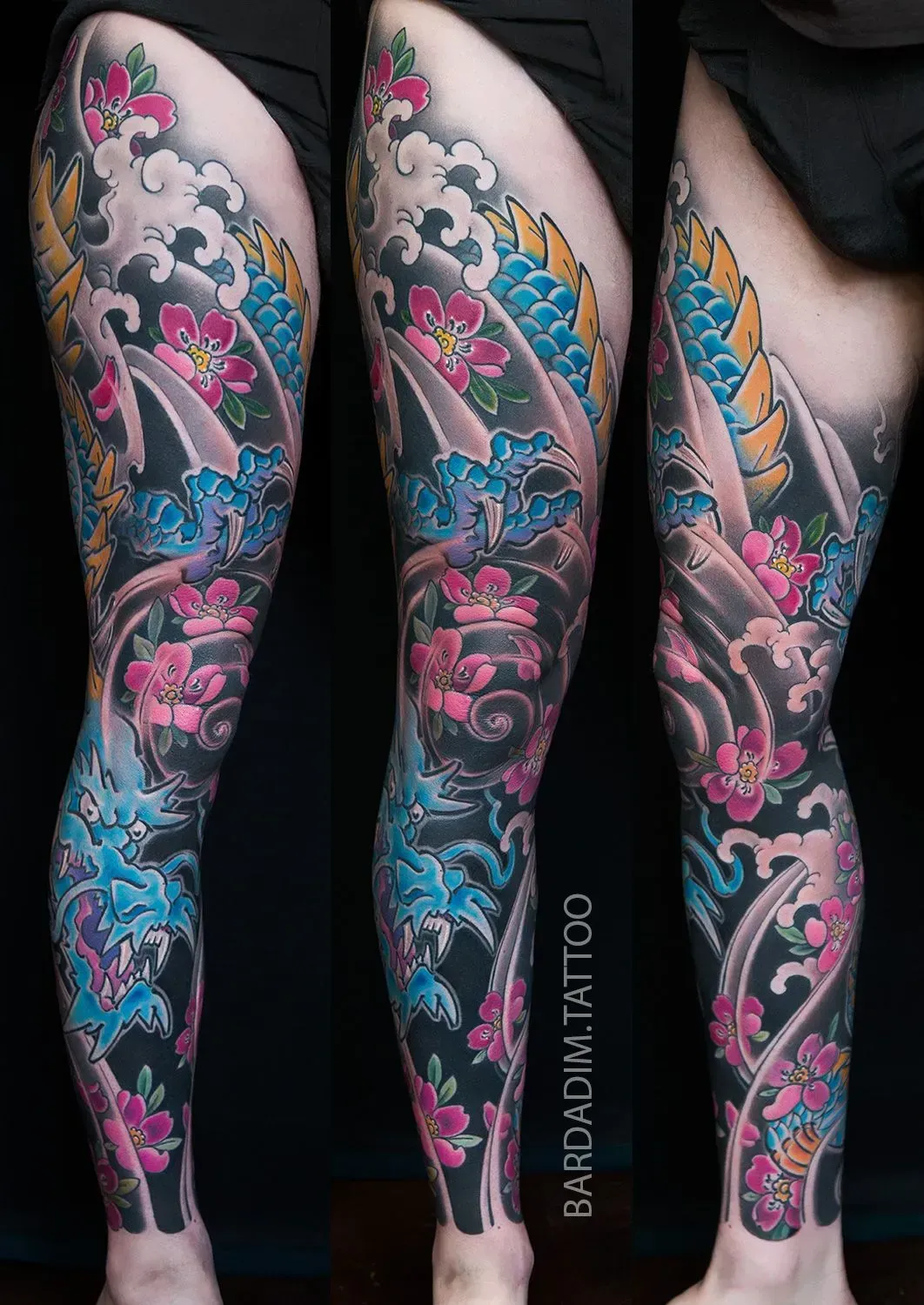
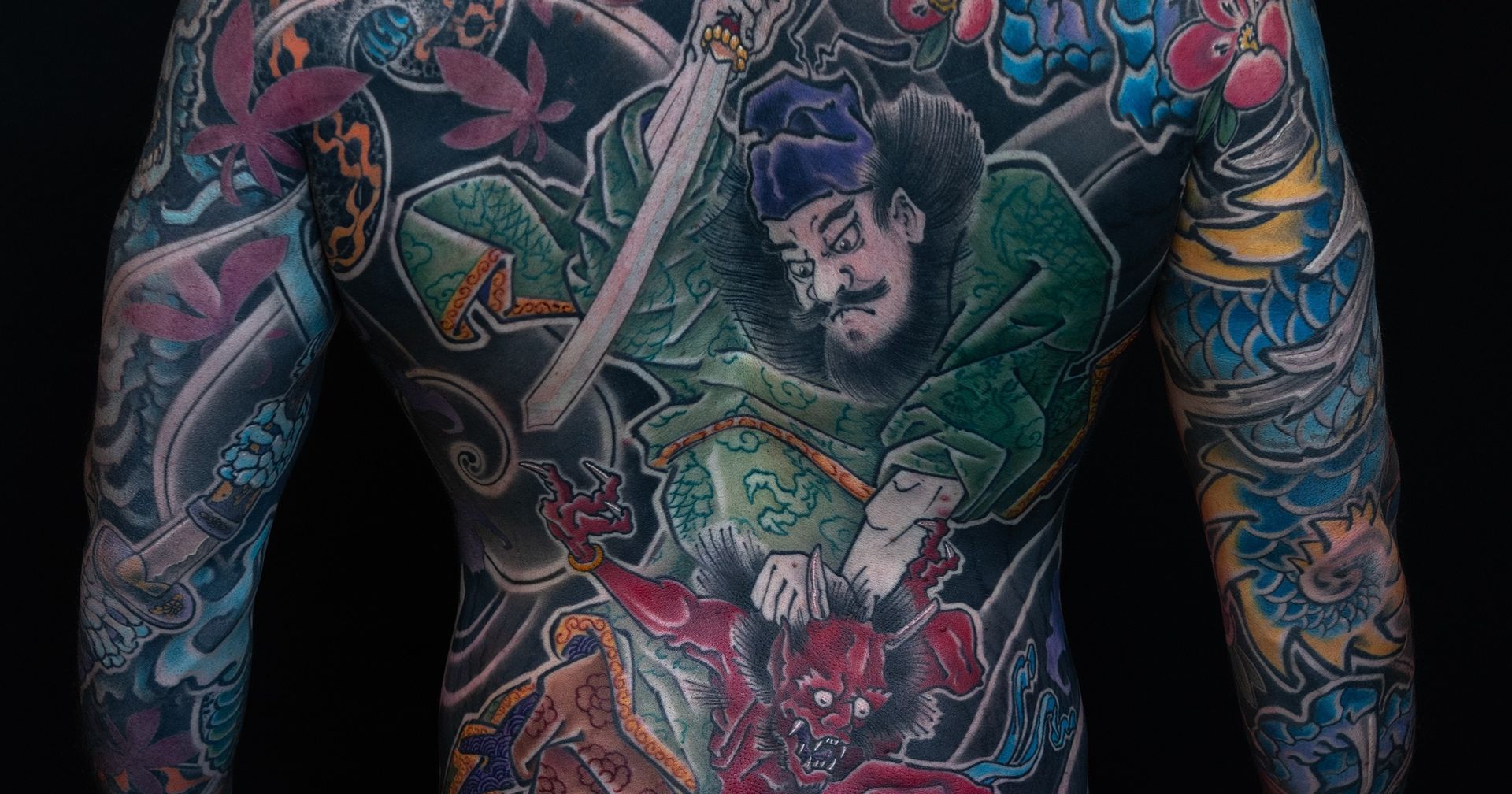
For large-scale Irezumi work, especially sleeves, backpieces, and full suits, the mikiri connects the art to the anatomy. It ensures that the tattoo reads as one integrated form rather than isolated fragments.


A Note on Tradition and Anatomy


In classical Gaku-bori, the placement of the mikiri follows the natural architecture of the body. The borders wrap along muscles and anatomical curves, not arbitrary lines. A sleeve that ends too short, or a border placed where the arm has no natural structural change, disrupts the harmony of the piece and goes against the spirit of Japanese tattoo aesthetics. Respecting anatomy is respecting the tradition.


Mikiri is a crucial part of the language of Irezumi. Whether soft, sharp, textured, or fading, each type carries its own symbolism and atmosphere. Choosing the right border elevates not only the design, but also the narrative and emotional depth of the tattoo.

Let the Way flow onward:

from The Symbolic Way

“Symbols speak where words fall silent.”

Shishi Guardians and Peonies | Full Japanese Sleeve by Bardadim Tattoo
by George Bardadim 29 November 2024
A full Irezumi sleeve featuring two Shishi Lions and peonies a Gaku-bori composition symbolizing courage, protection, and beauty. Traditional Japanese tattoo by Bardadim.
Japanese sleeve tattoo showing anatomical flow — koi and waves following natural muscle lines
by George Bardadim 7 November 2024
Discover the meaning and structure of this Japanese koi sleeve by Bardadim Tattoo - a masterful balance of shudai, keshoubori, and anatomical flow.
The Myth of Lung-men: The Dragon Gate Legend and Its Artistic Legacy
by George Bardadim 15 August 2024
The story of Lung-men’s transformative powers dates back to ancient Chinese history, with its earliest mention in the Hou Han Shu (History of the Later Han Dynasty). According to this historical record, the phrase “going up Lung-men” became synonymous with striving to improve one’s position in life. The legend of the fish transforming into a dragon after surmounting the falls became a powerful metaphor for personal growth and the relentless pursuit of success. This myth has since inspired countless individuals to persevere through their challenges, believing that, like the fish, they too can achieve greatness if they endure.
Read More …