
Tattoo Style.
Gendai irezumi - structure, composition, and continuity
This page outlines the stylistic framework used in the studio, rooted in gendai irezumi - a contemporary continuation of Japanese tattoo traditions. Rather than cataloging motifs or symbolism, it focuses on structural principles that guide large-scale tattoo composition and long-term development.
Distinctive Features of Classic Irezumi
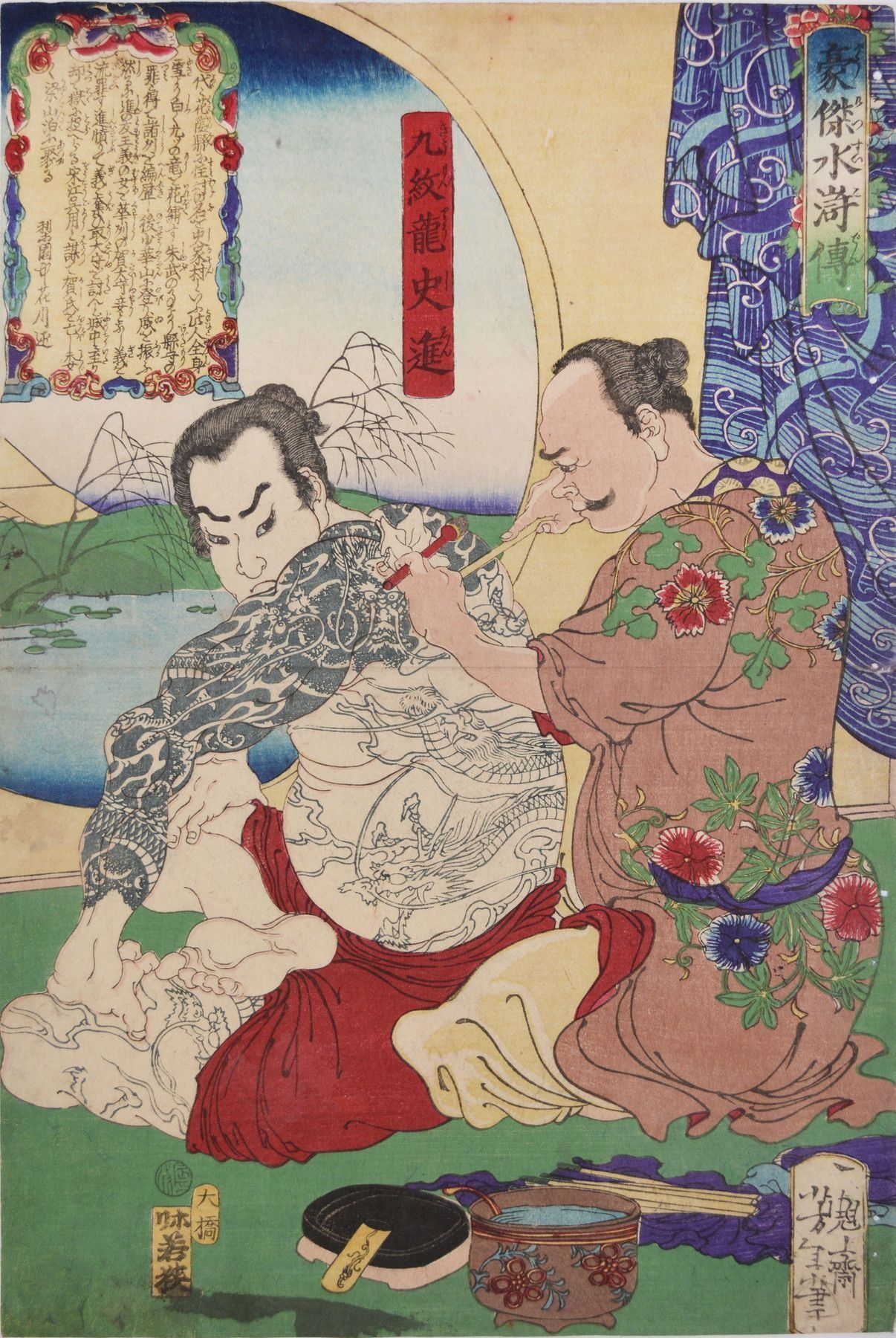
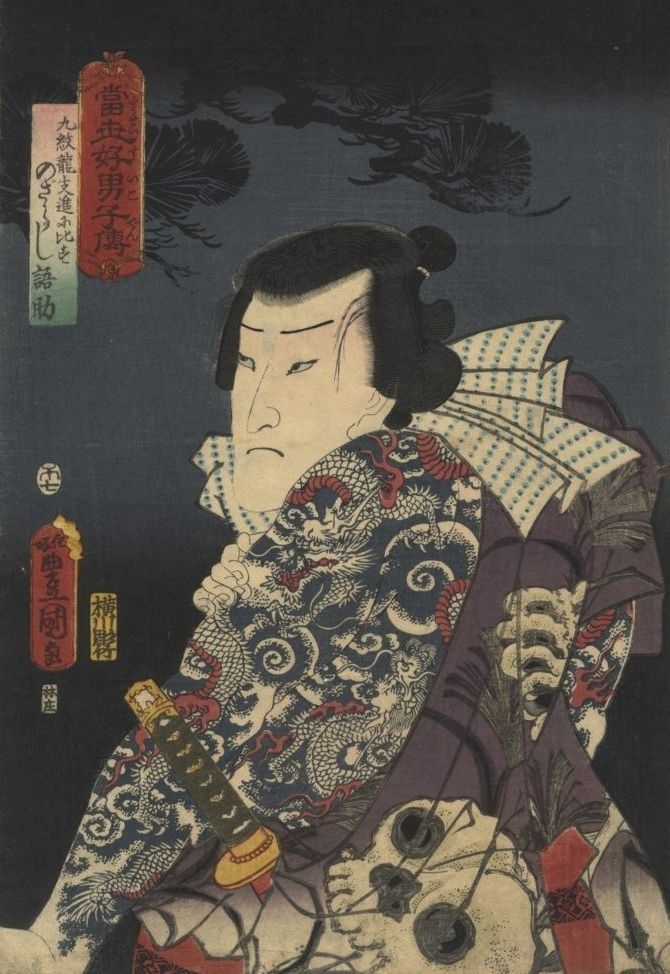
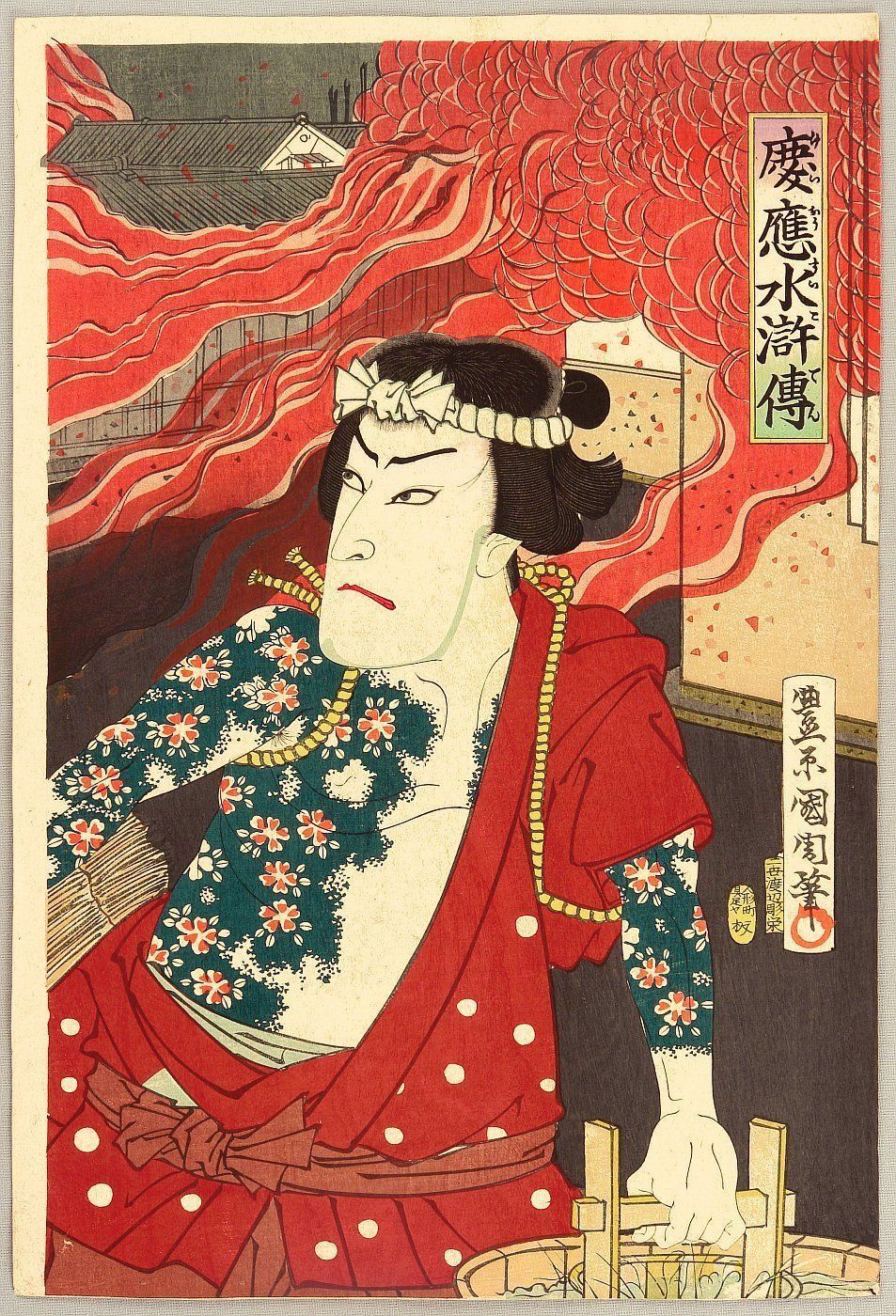
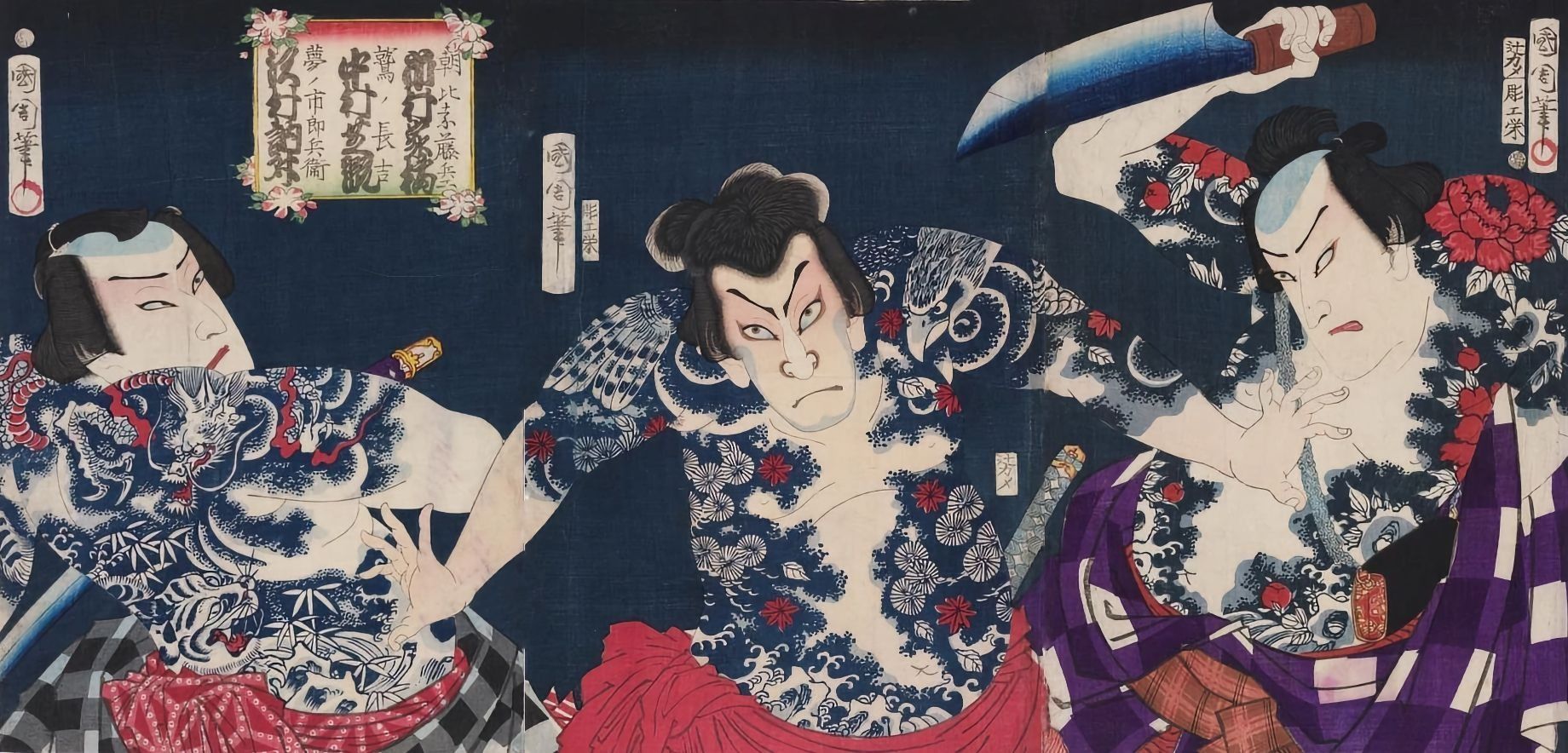
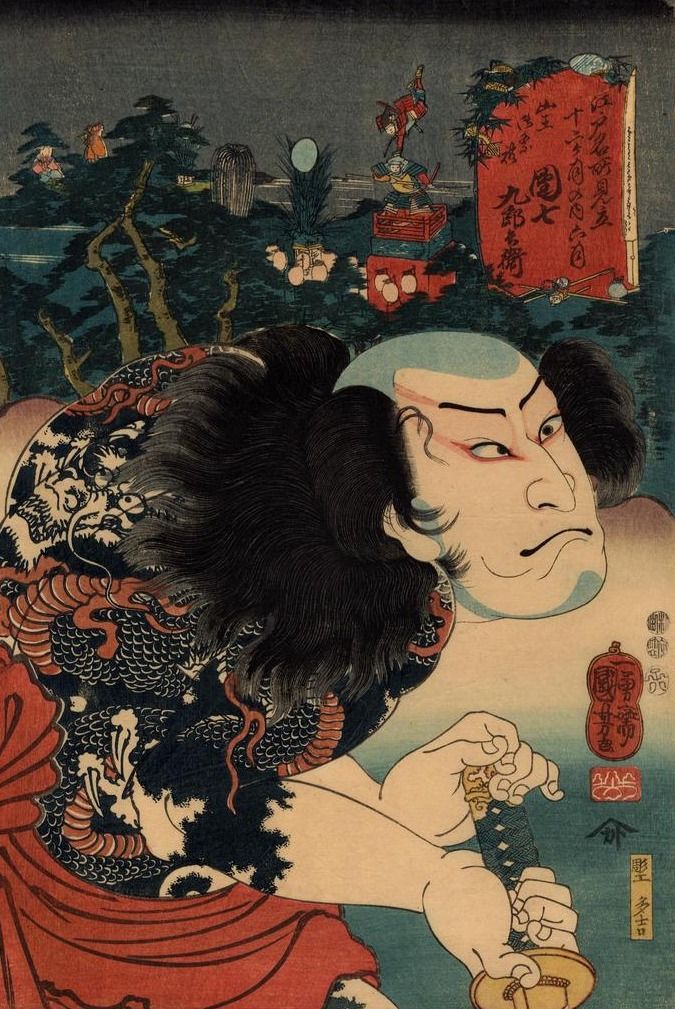
Classic irezumi is defined by its relationship to the body rather than by isolated imagery. Unlike many modern tattoo styles, it emphasizes large-scale composition, anatomical flow, and the integration of multiple elements into a unified structure that develops gradually over time.
Traditions & Principles
Traditional concepts such as discipline, patience, and long-term commitment inform how irezumi projects are developed.
These principles are expressed through pacing, structure, and continuity, rather than as abstract ideas or symbolic explanations.
Types of Irezumi
Two classical Japanese tattoo layouts define the structural approach to irezumi:
• Nuki-bori - clean, standalone motifs without extensive background, emphasizing clarity of form.
• Gaku-bori
-
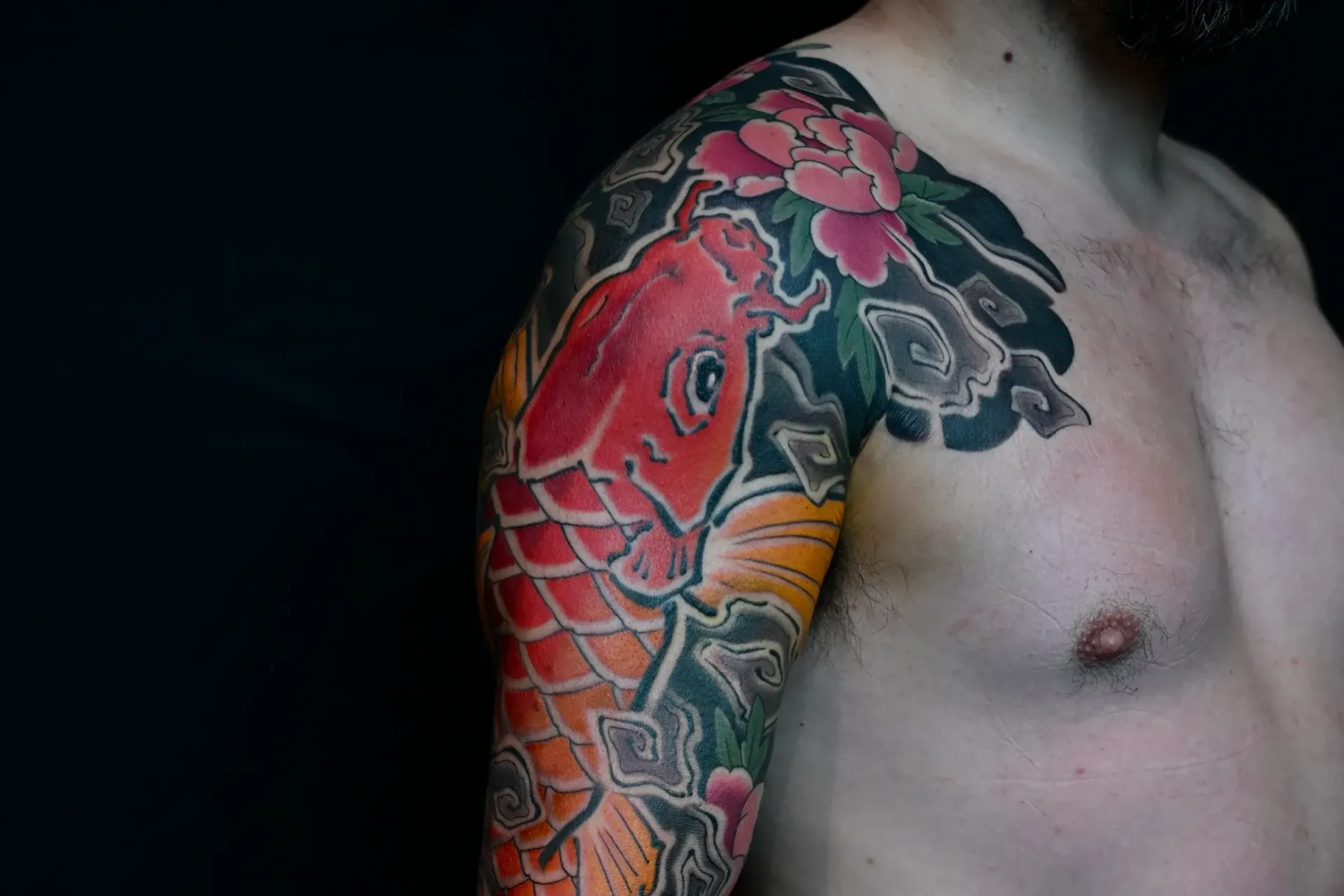
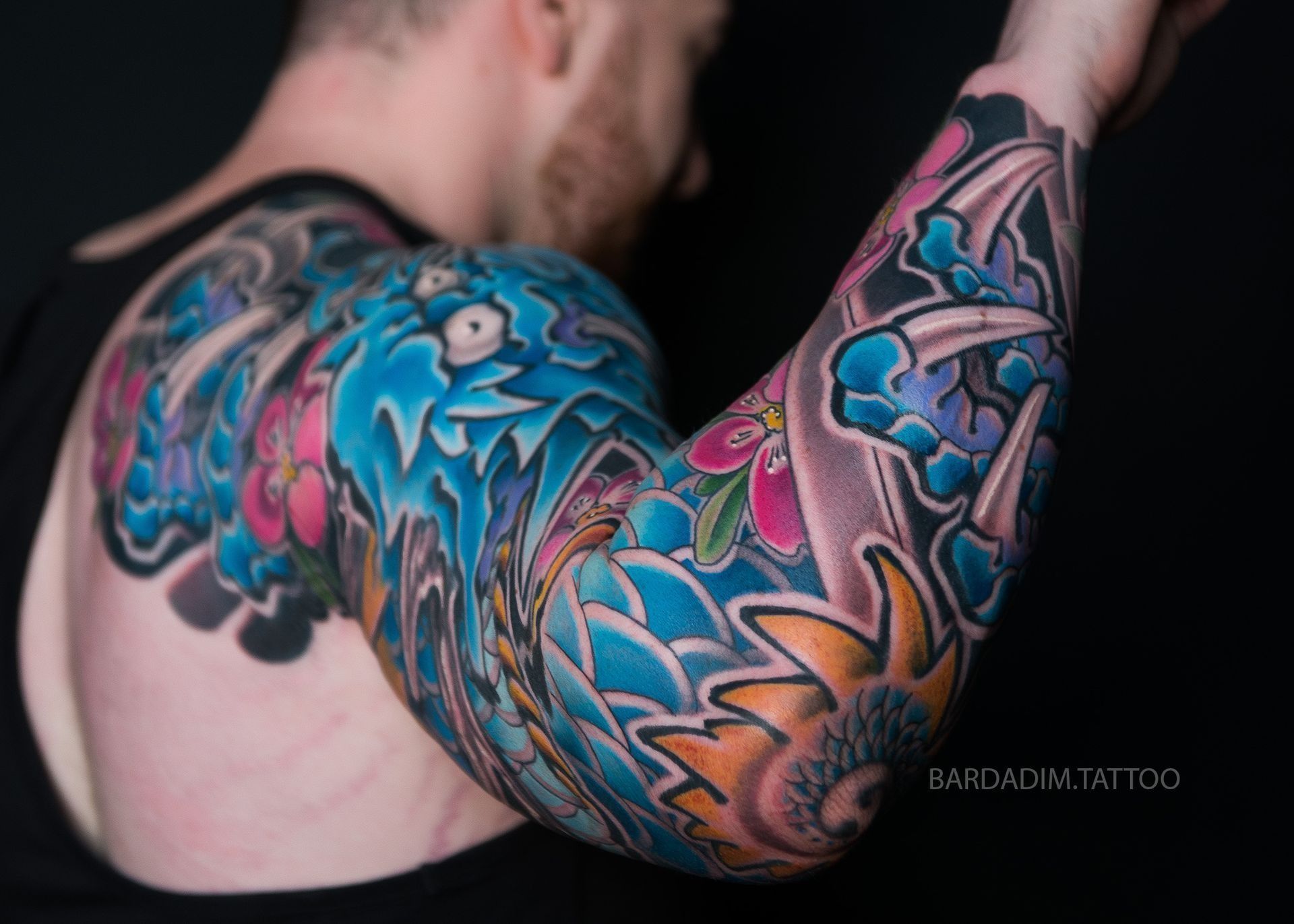
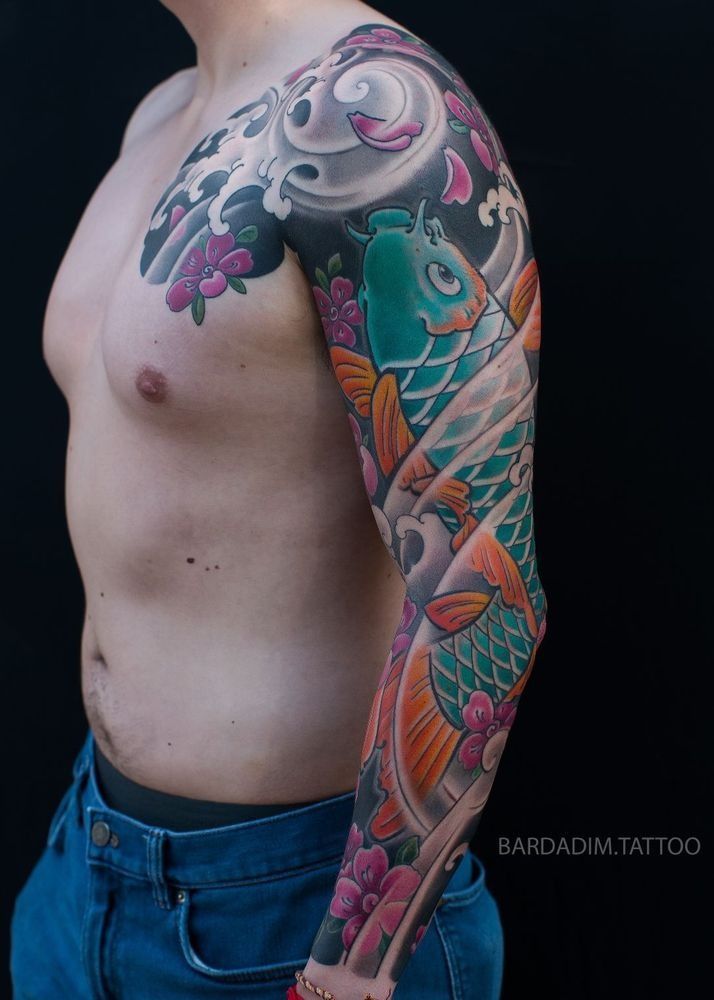
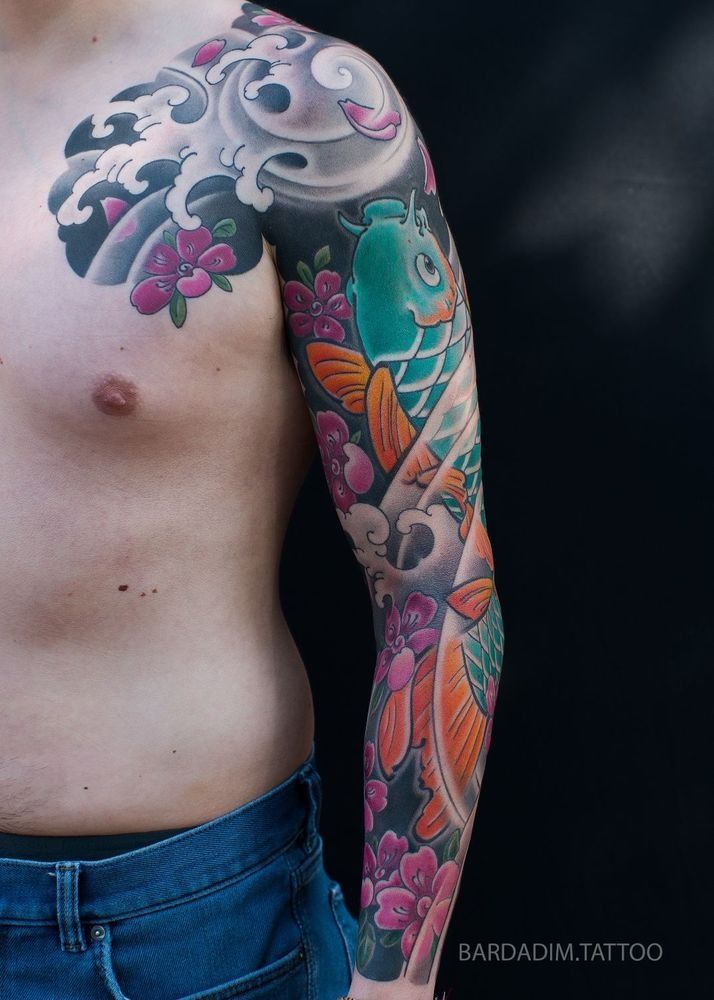
framed compositions with integrated backgrounds that unify the entire tattoo into a single structure.
Composition & Flow
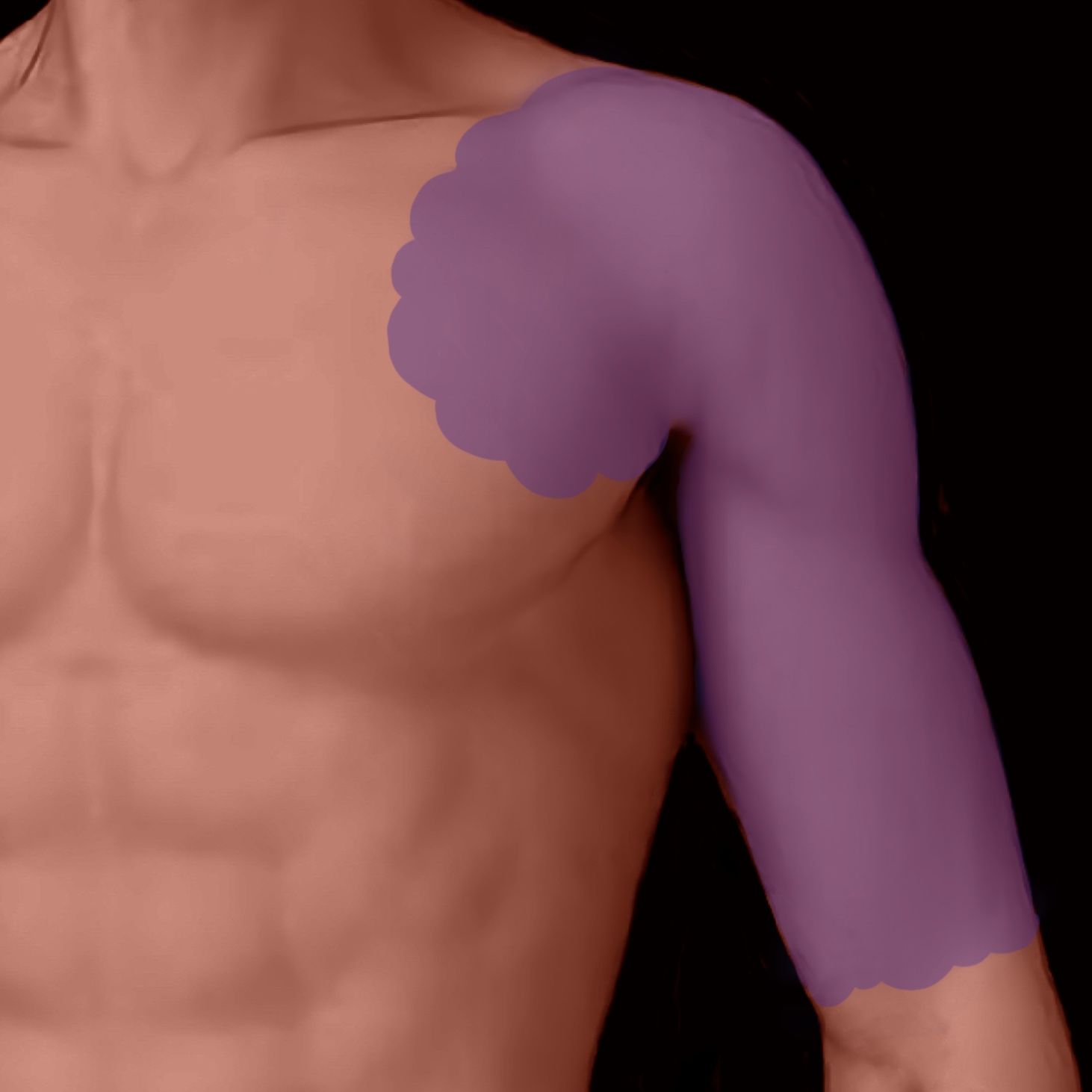
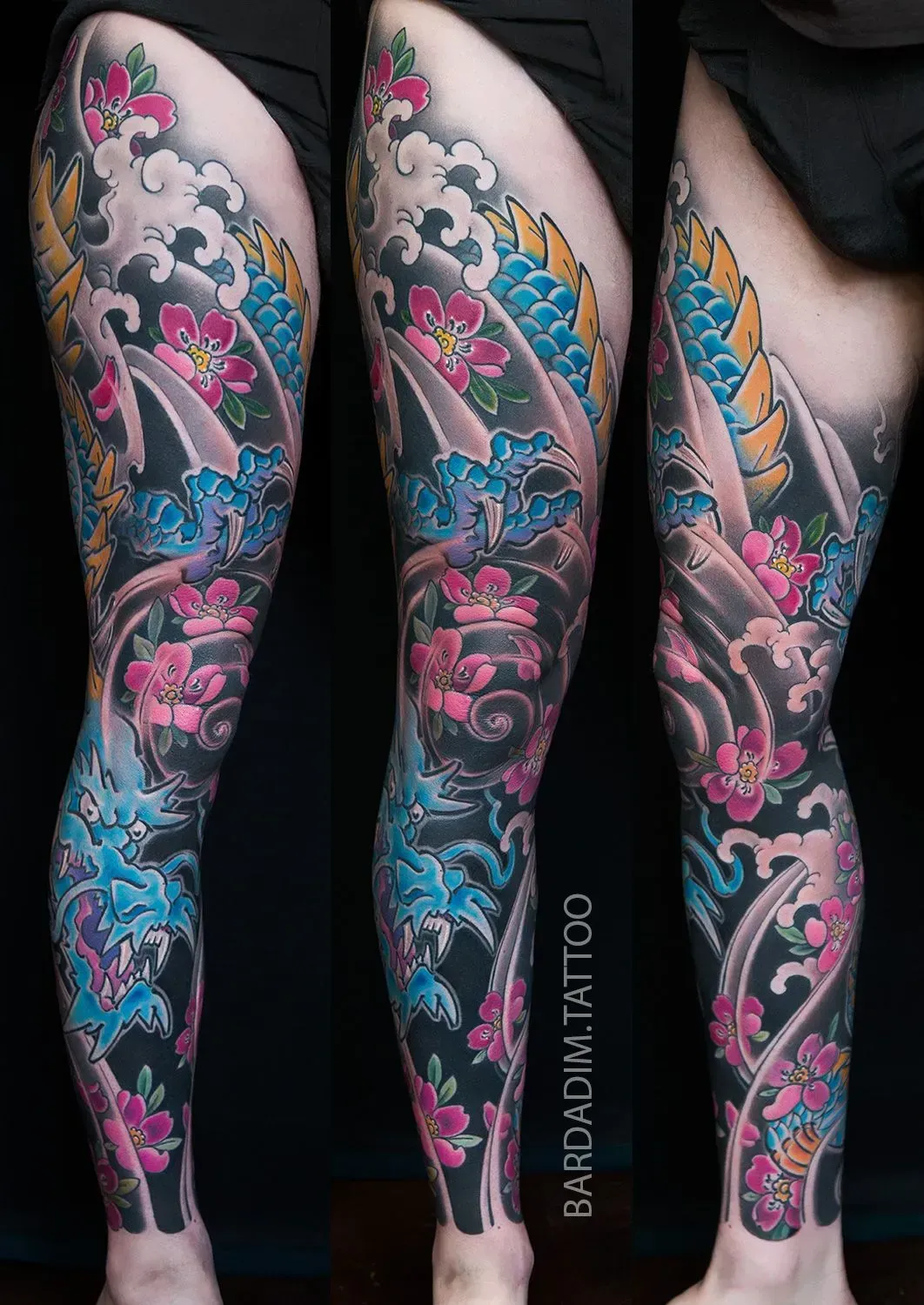
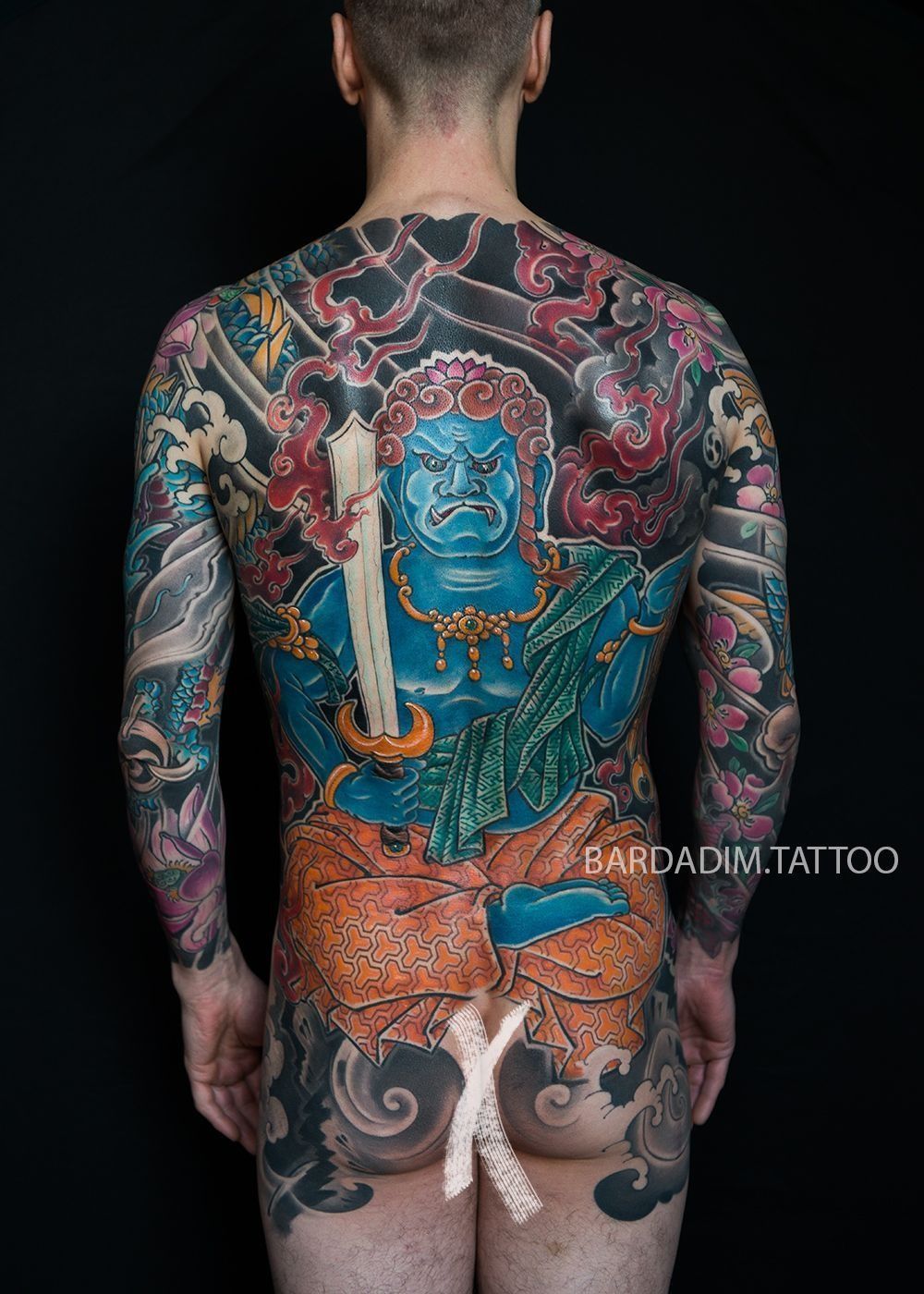
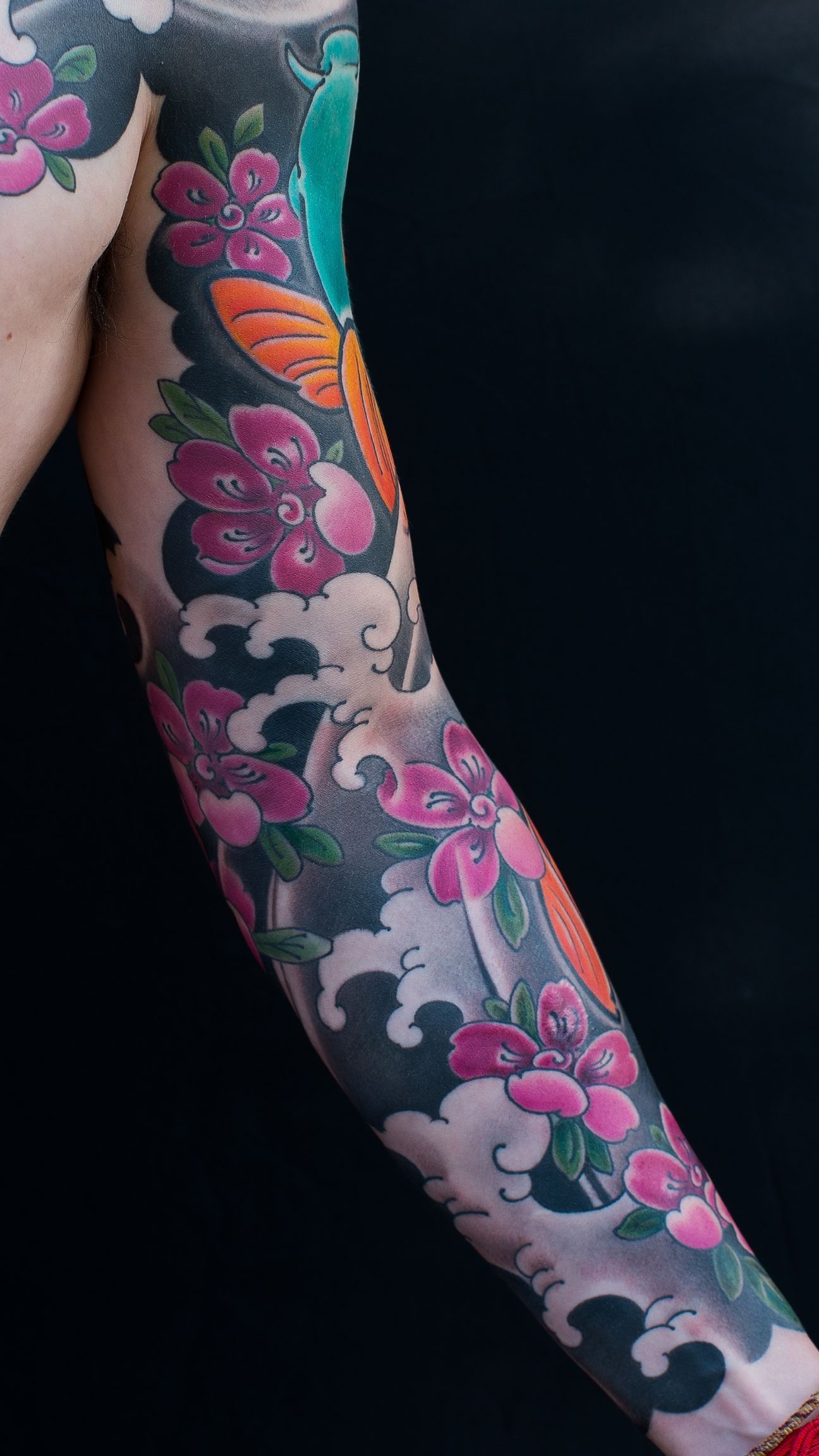
In traditional Japanese tattooing, composition follows the body’s anatomy, transforming skin into a continuous visual surface.
- Shudai - the main motif anchoring the composition.
- Keshoubori -
secondary supporting elements that balance the main subject.
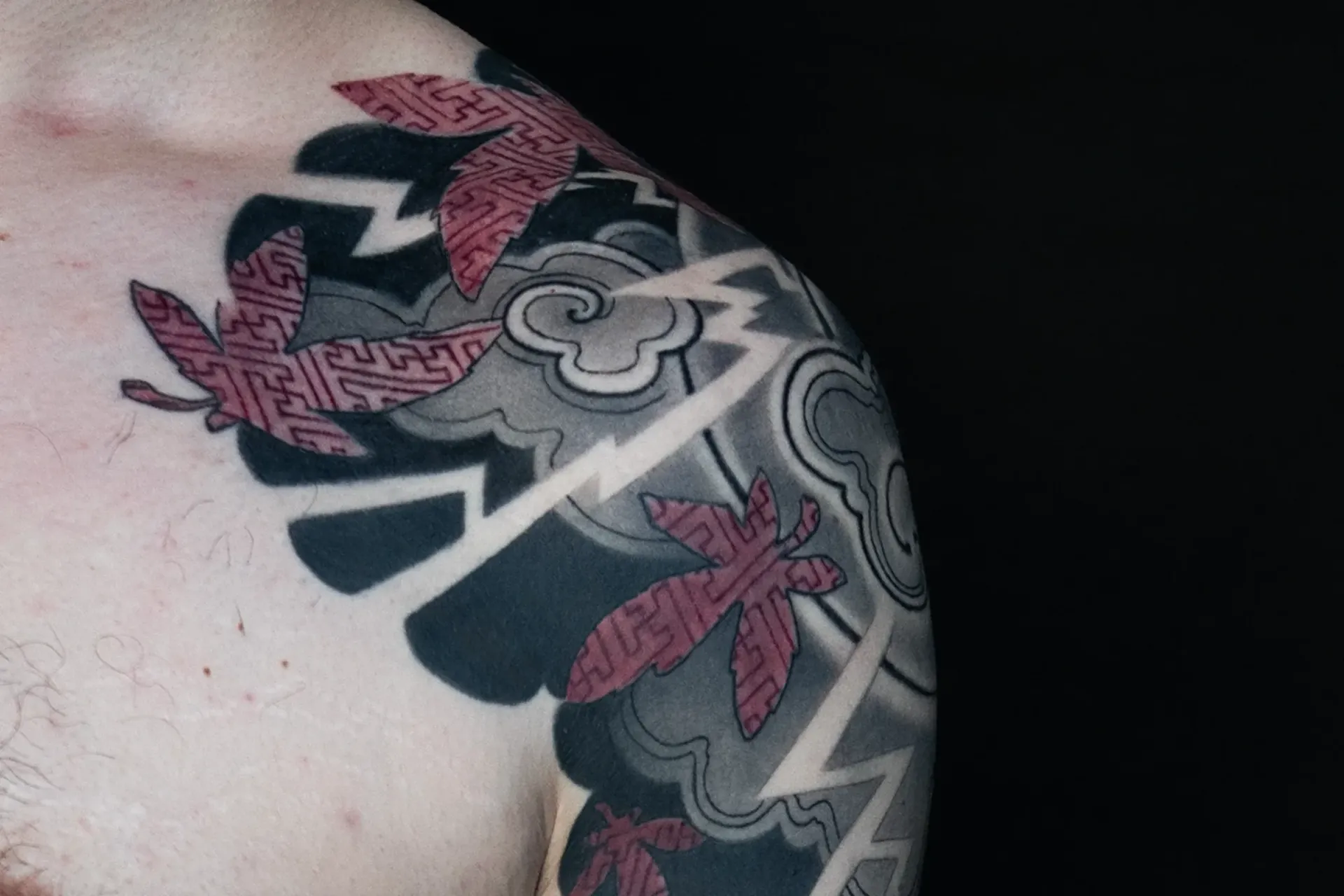
- Background - waves, wind bars, rocks, clouds, or fire that connect all elements into a unified flow.
These principles are applied consistently across all large-scale projects shown in the Projects section.
Framing (Mikiri)
In irezumi tattoo design, mikiri defines the boundary between tattooed and bare skin.
It is a critical structural element that determines how a composition interacts with the body, framing the tattoo as a complete form rather than an isolated image.
Types of Mikiri
Several framing approaches are traditionally used:
- Matsuba - straight, needle-like lines
- Botan-giri - wave-like borders inspired by peony petals
- Bukkiri - sharp, cut-off edges
- Akebono - fading borders like daybreak
- Jari
- dotted or faded transitions
Each type influences how the tattoo visually enters and exits the body.
Classic vs Gendai Irezumi
Gendai irezumi represents a contemporary approach that respects classical structure while adapting to modern tools, working conditions, and long-term project planning.
The emphasis remains on composition, anatomical integration, and continuity, rather than stylistic novelty or surface decoration.
Our Studio’s Approach
At Bardadim Tattoo Studio, these principles are applied through a focused, project-based process.
Each tattoo is developed gradually, with attention to structure, flow, and long-term clarity, ensuring that the work remains coherent as it evolves over time.
F.A.Q.
What is irezumi in this context?
Here, irezumi refers to a structured system of Japanese tattoo composition rather than a decorative style.
Can irezumi be done as a small tattoo?
This approach is intended for large-scale work. Small, standalone tattoos do not allow the structural principles described here to be fully applied.
How does style relate to the project process?
Style defines the structural language, while the Process page explains how that language is applied over time in real projects.
Where can I see examples of this approach?
See gallery >Examples can be found in the Projects and Gallery sections of the site.
Tattoo Notes
Related notes and references
Short written notes exploring symbolism, history, and structural aspects of Japanese tattooing.