The Symbolism of Red Peony Flowers and Waves

George Bardadim • 17 November 2023

Japanese Traditional Mythology

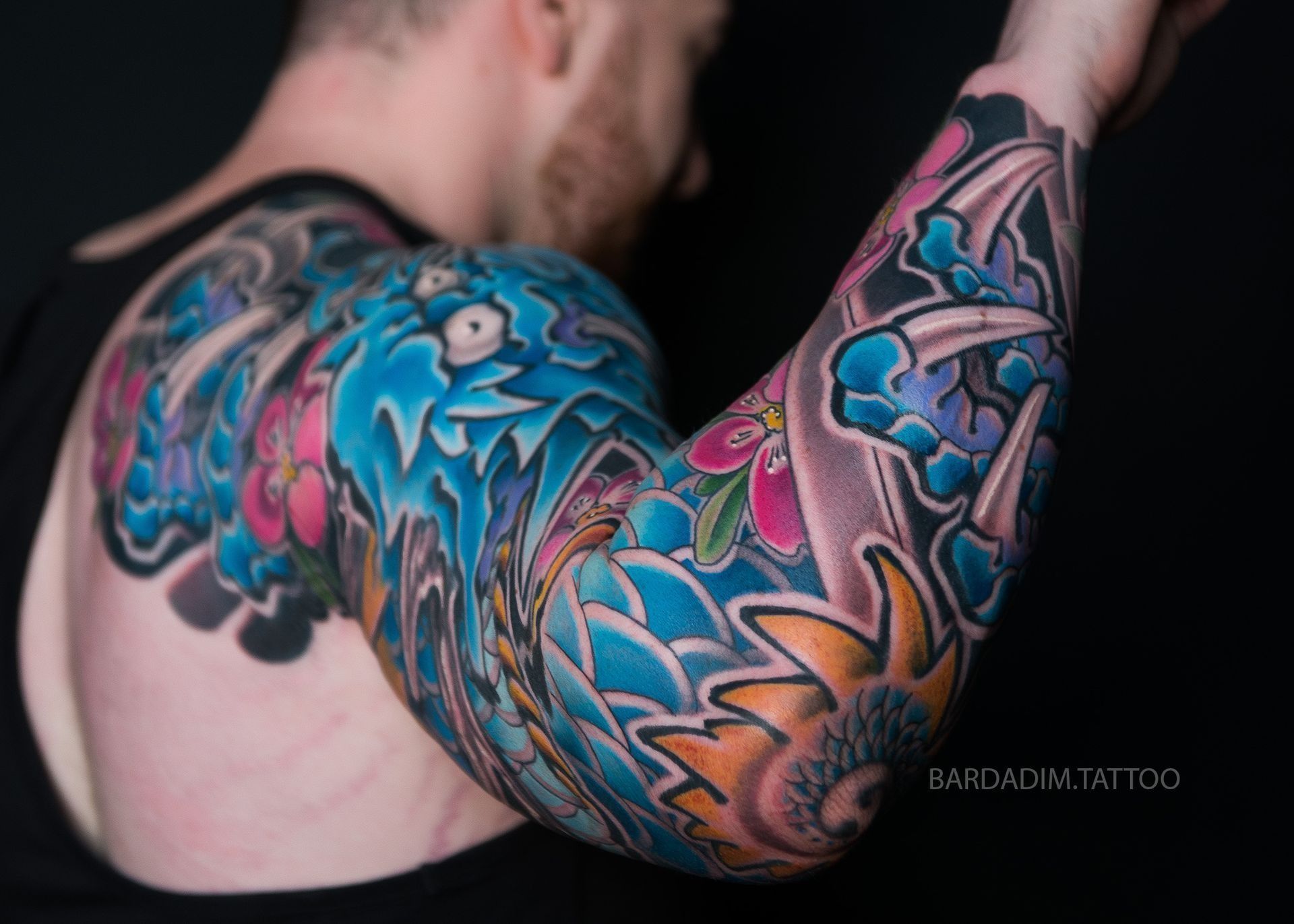
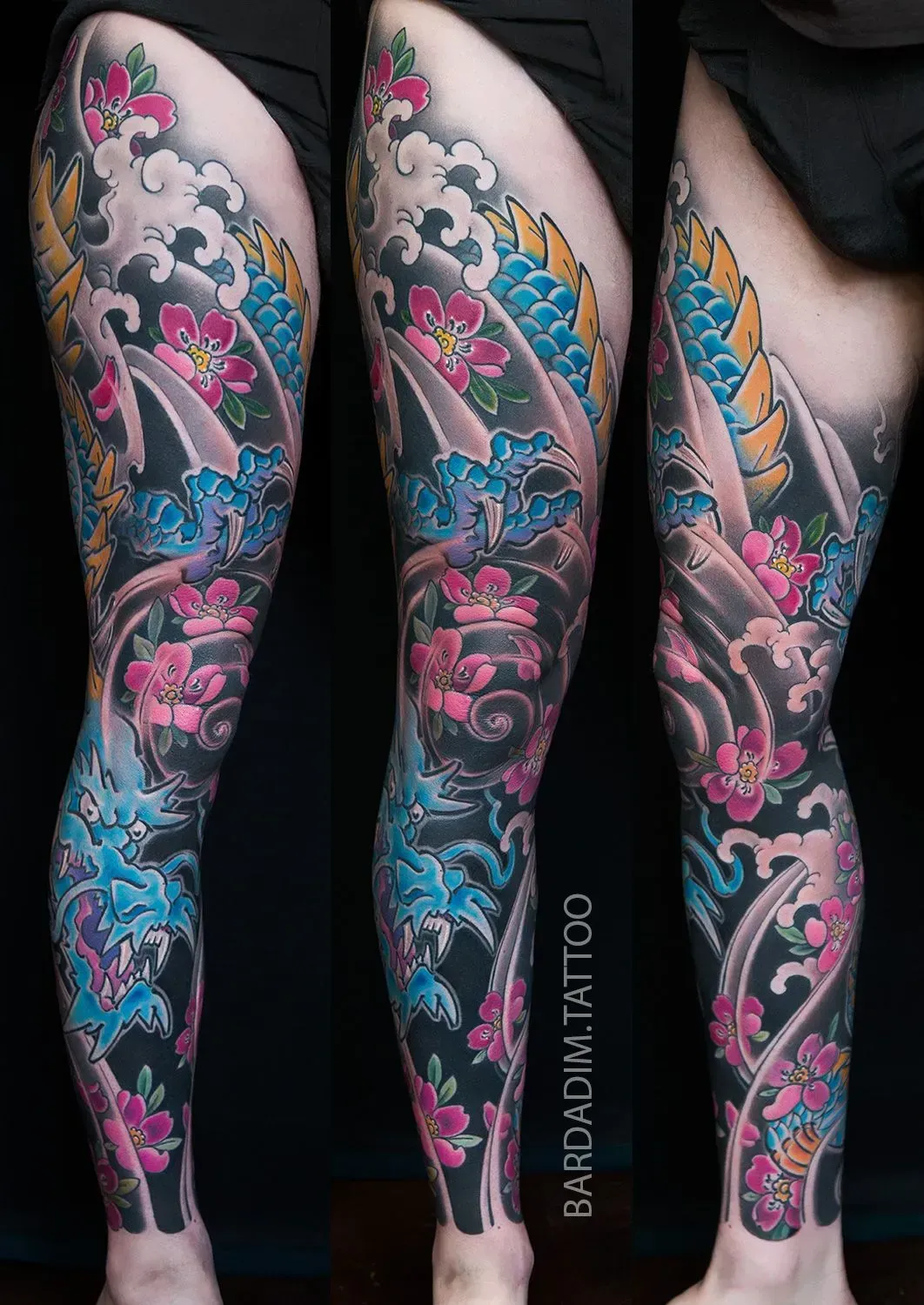
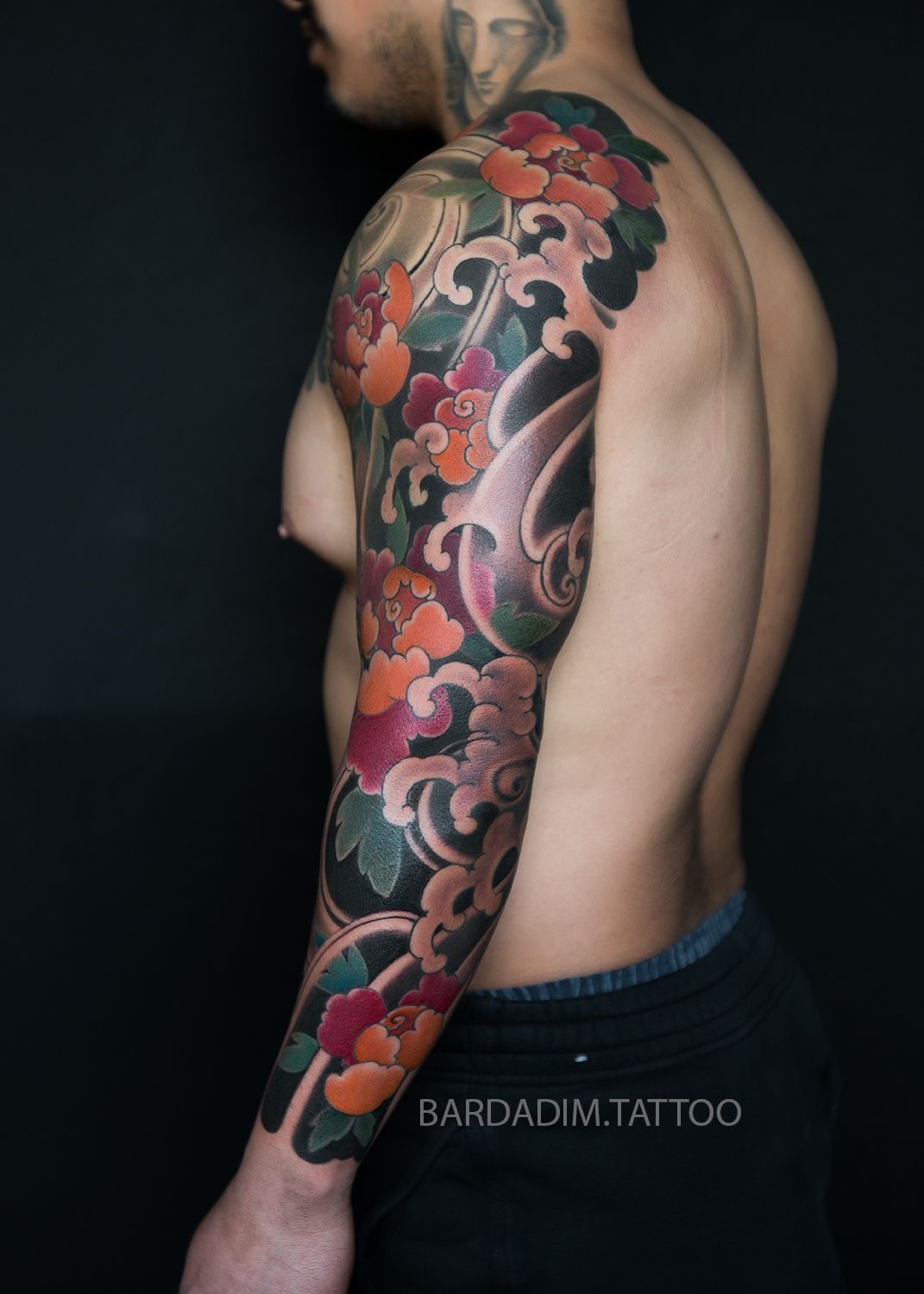
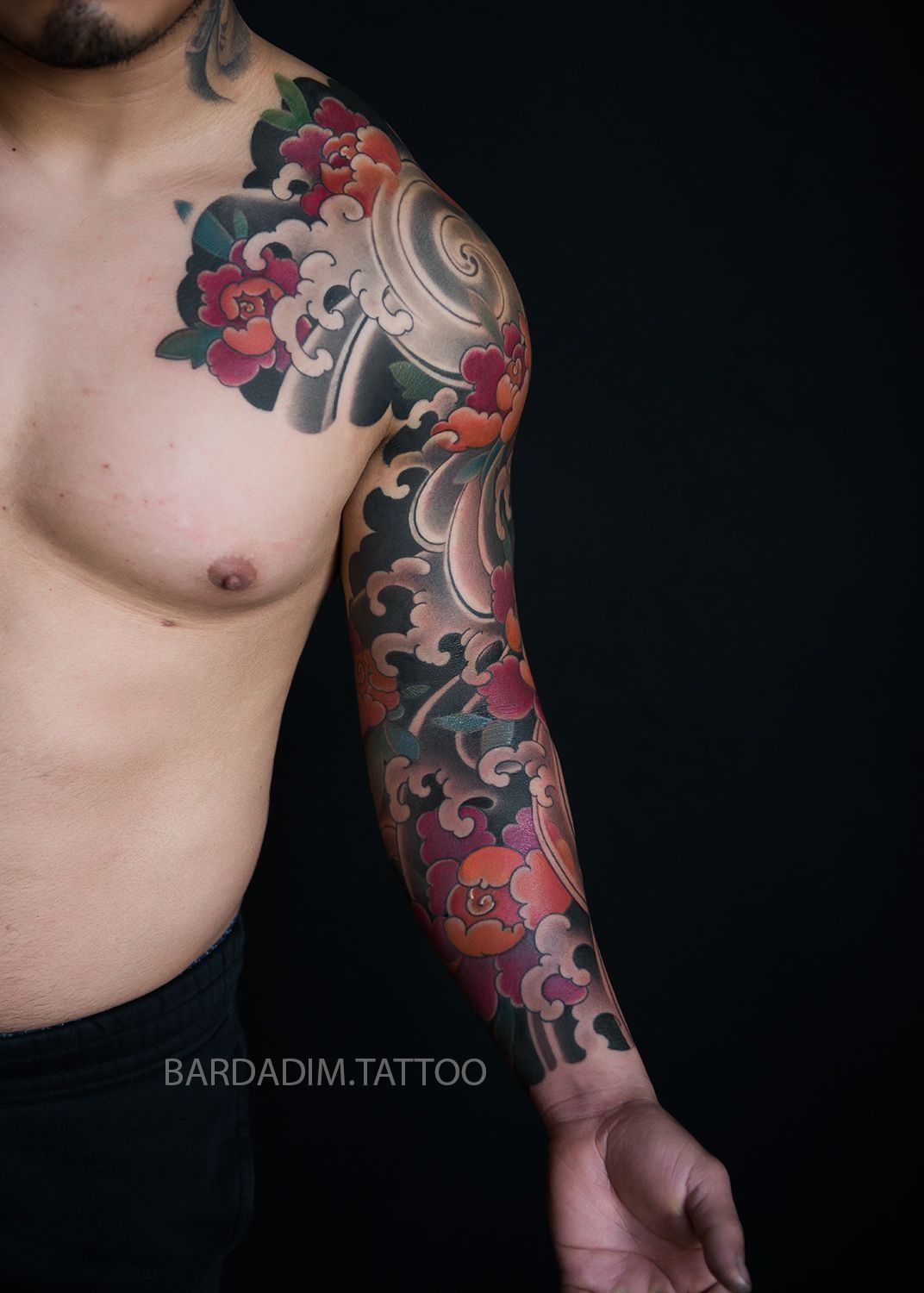
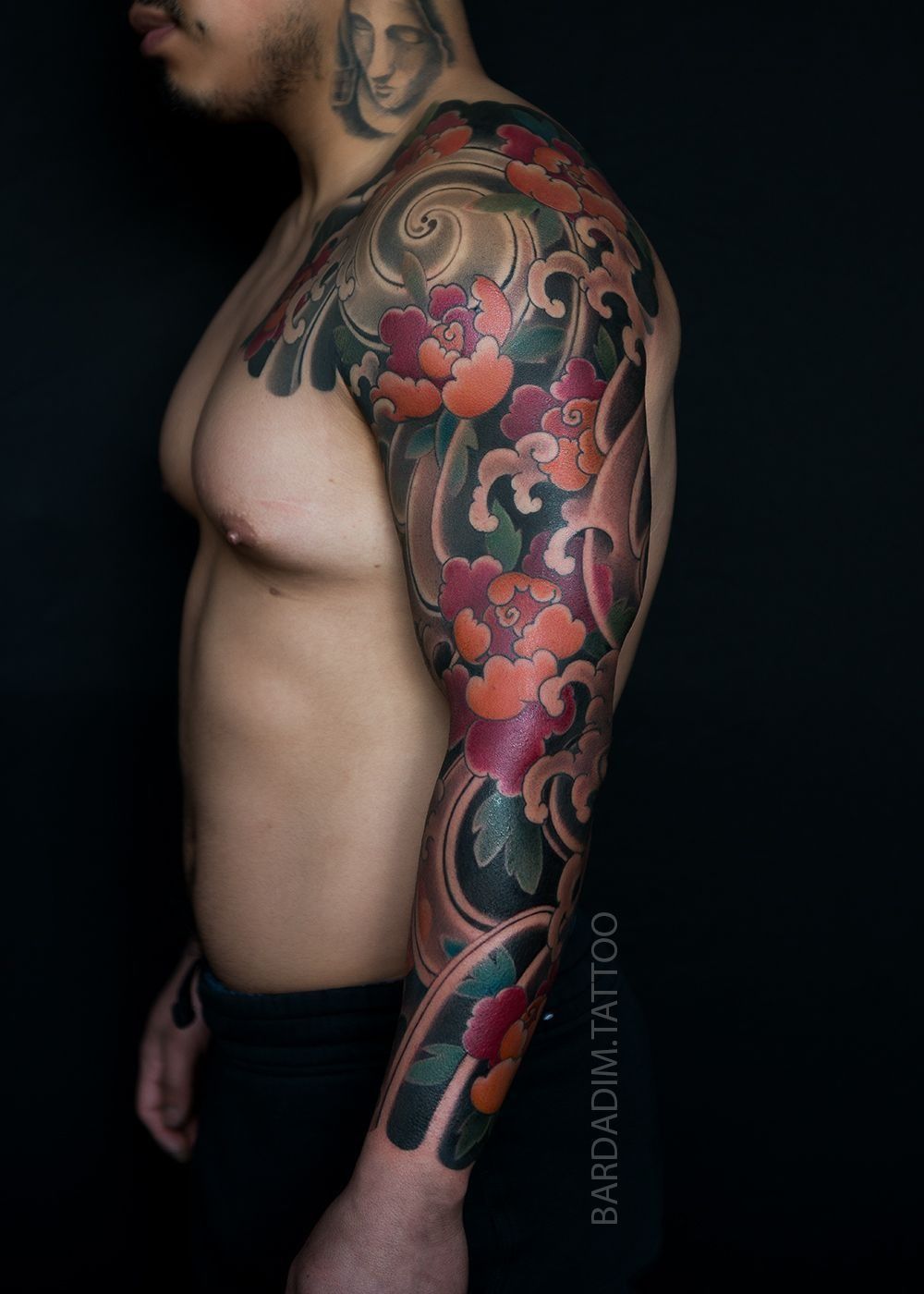
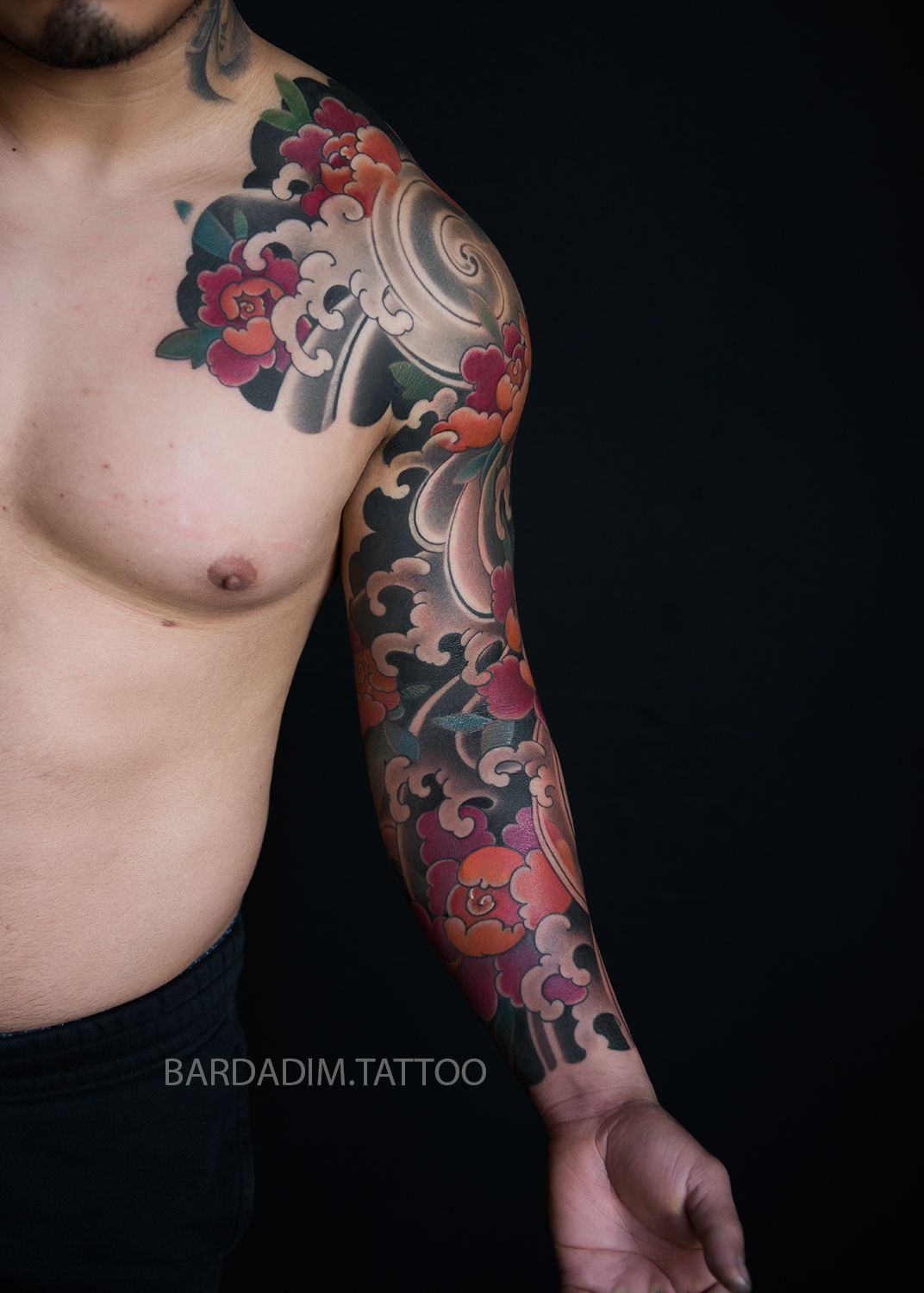
Irezumi, the traditional Japanese art of tattooing, is renowned for its intricate designs and rich symbolism. These tattoos often showcase a harmonious blend of various elements, reflecting the deep cultural heritage of Japan. In this article, we delve into the symbolism behind an Irezumi tattoo sleeve depicting red peony flowers and waves, exploring their significance in Japanese traditional mythology.


In Japanese culture, peony flowers (known as "botan") hold a special place due to their captivating beauty and symbolic associations. The red peony, in particular, holds several meanings that make it a popular choice for tattoos:

  • Red Peony Flowers Symbolism

    1. Prosperity and Wealth: Red peonies are seen as a symbol of good fortune and success. They represent abundance and prosperity in various aspects of life, including wealth, career, and personal relationships.


    2. Beauty and Femininity: Peony flowers possess an enchanting beauty, often considered the "queen of flowers." In Irezumi tattoos, they are frequently associated with femininity, grace, and elegance.


    3. Good Health and Healing: The peony is known for its medicinal properties in traditional Japanese medicine. Thus, it symbolizes good health, healing, and positive energy.

  • Waves and their Symbolism

    Waves, a common motif in traditional Japanese tattoos, are closely connected to the country's geography and folklore. In the context of an Irezumi tattoo sleeve, waves are laden with symbolic meaning:


    1. Resilience and Strength: Waves, with their constant ebb and flow, represent resilience and adaptability in the face of challenges. They symbolize the ability to navigate through life's ups and downs, reflecting strength and perseverance.


    2. Transformation and Change: Waves also signify the impermanence and ever-changing nature of life. They represent the cycles of creation, destruction, and rebirth, reminding us to embrace and accept change.


    3. Spiritual Power: In Japanese mythology, the sea is regarded as the domain of mythical creatures such as dragons and sea spirits. Waves, therefore, symbolize the immense spiritual power and mystery of the vast ocean.

The combination of red peony flowers and waves in an Irezumi tattoo sleeve showcases the depth of Japanese traditional mythology and symbolism. The red peonies represent prosperity, femininity, and good health, while the waves embody resilience, change, and spiritual power. Through careful placement and artistic interpretation, these elements harmonize to create a visually stunning and meaningful tattoo, serving as a constant reminder of the profound cultural heritage and philosophical beliefs of Japan.

Tattooing Process

When both red peony flowers and waves are combined in an Irezumi tattoo sleeve, they create a harmonious visual narrative that resonates with multiple layers of symbolism. The juxtaposition of the delicate beauty of peonies with the raw strength of waves symbolizes the intricacies and contrasts of life, encompassing elements of beauty, prosperity, resilience, and spiritual growth.


All important tattoo process steps are shown in this video. Enjoy.

Let the Way flow onward:

from The Symbolic Way

“Symbols speak where words fall silent.”

Shishi Guardians and Peonies | Full Japanese Sleeve by Bardadim Tattoo
by George Bardadim 29 November 2024
A full Irezumi sleeve featuring two Shishi Lions and peonies a Gaku-bori composition symbolizing courage, protection, and beauty. Traditional Japanese tattoo by Bardadim.
Japanese sleeve tattoo showing anatomical flow — koi and waves following natural muscle lines
by George Bardadim 7 November 2024
Discover the meaning and structure of this Japanese koi sleeve by Bardadim Tattoo - a masterful balance of shudai, keshoubori, and anatomical flow.
The Myth of Lung-men: The Dragon Gate Legend and Its Artistic Legacy
by George Bardadim 15 August 2024
The story of Lung-men’s transformative powers dates back to ancient Chinese history, with its earliest mention in the Hou Han Shu (History of the Later Han Dynasty). According to this historical record, the phrase “going up Lung-men” became synonymous with striving to improve one’s position in life. The legend of the fish transforming into a dragon after surmounting the falls became a powerful metaphor for personal growth and the relentless pursuit of success. This myth has since inspired countless individuals to persevere through their challenges, believing that, like the fish, they too can achieve greatness if they endure.
Read More …