Discover Traditional Japanese Leg Sleeves: Flow, Meaning & Composition

9 October 2022

Traditional Irezumi Leg Sleeves. From Legs to Bodysuit Harmony


What Is a Leg Sleeve in Irezumi?


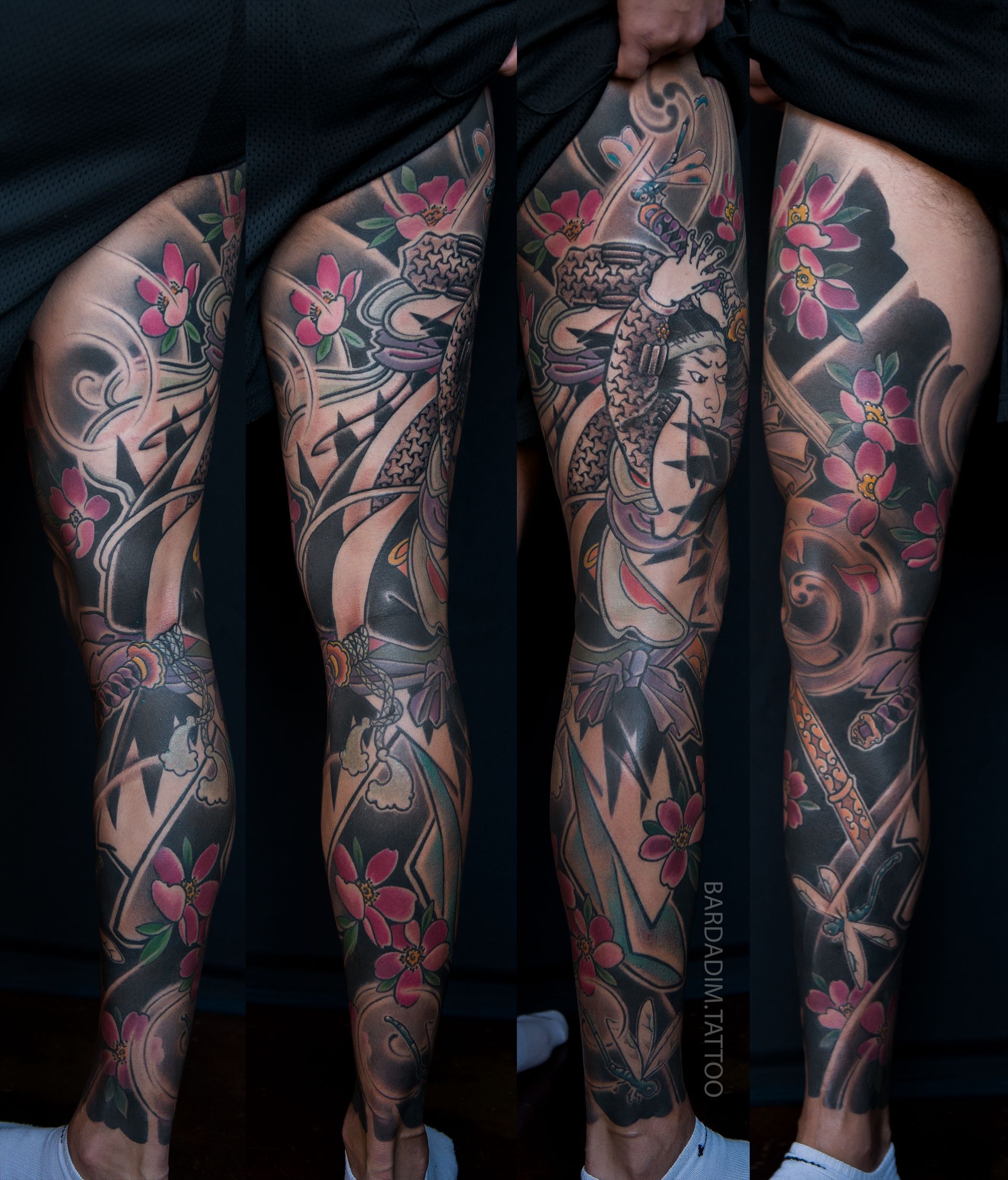
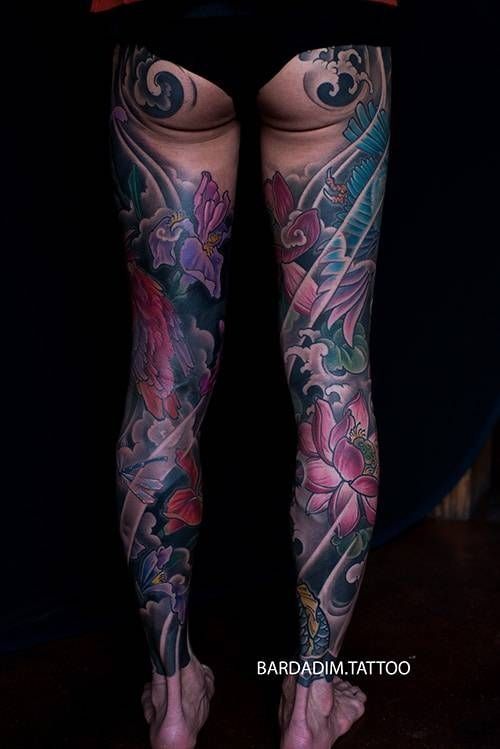
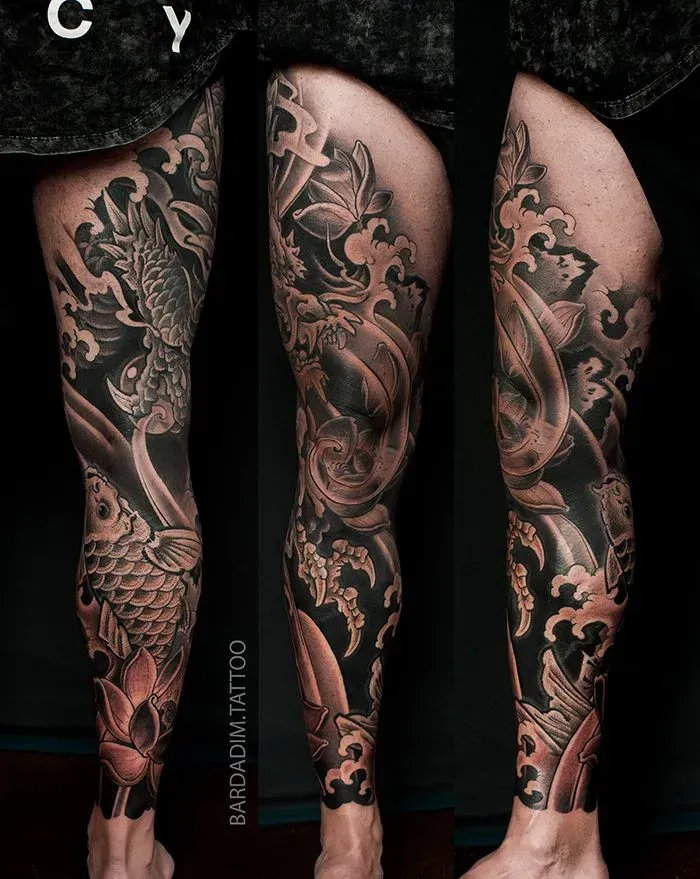
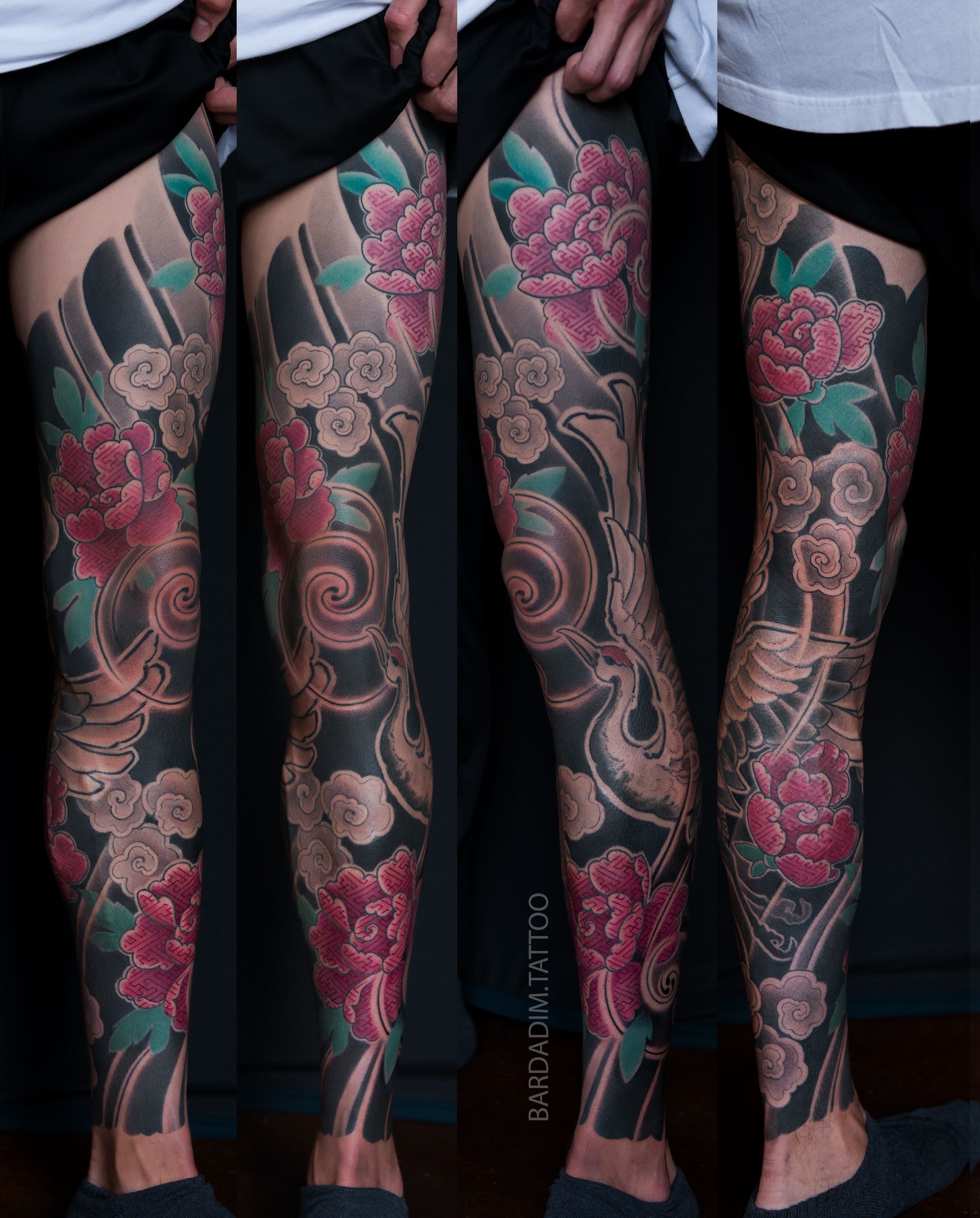
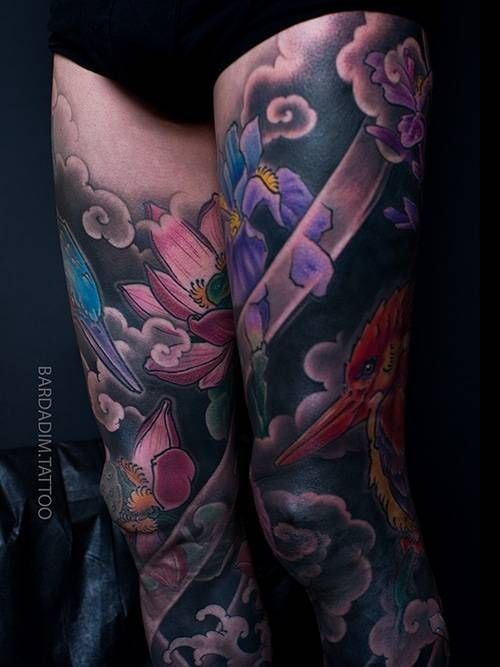
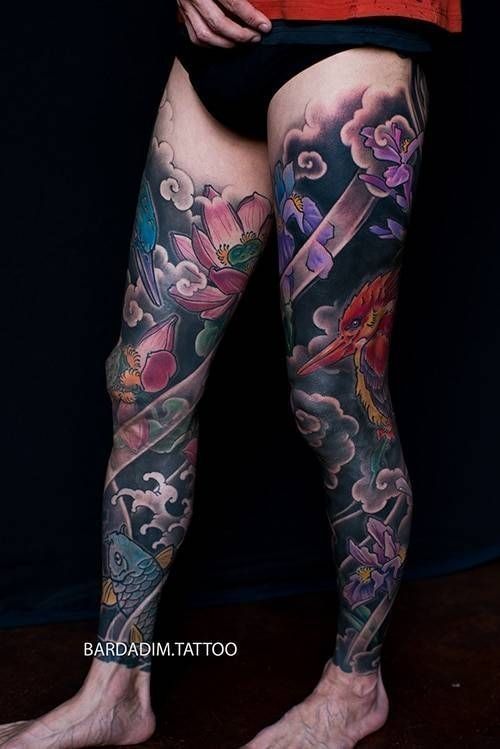
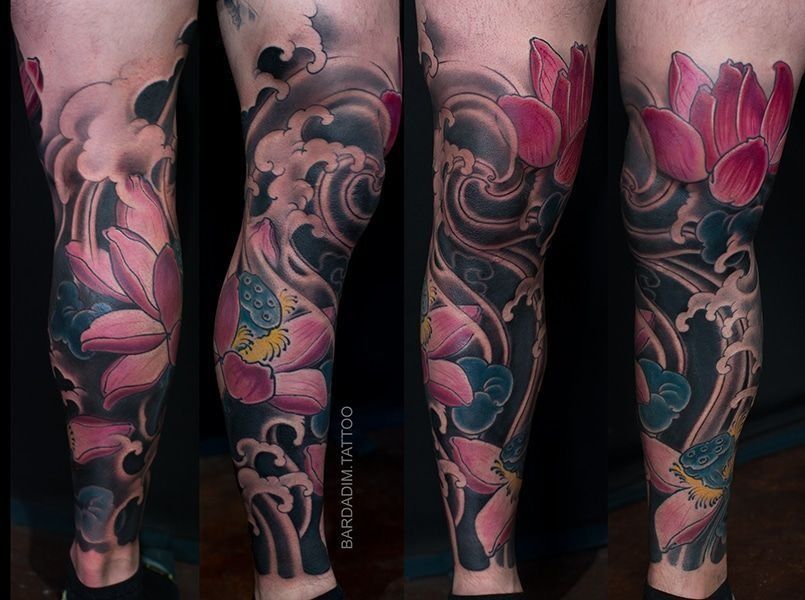
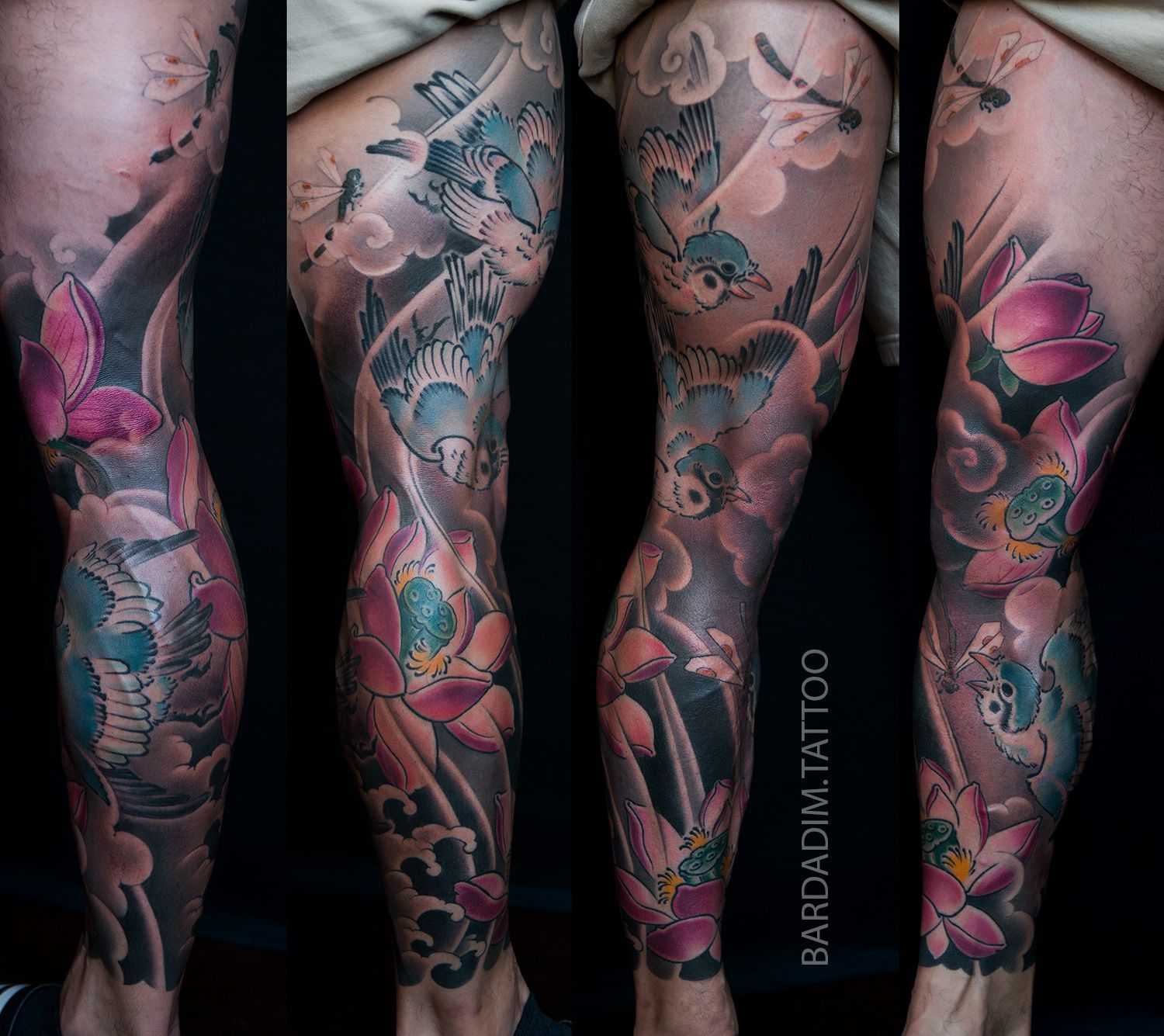
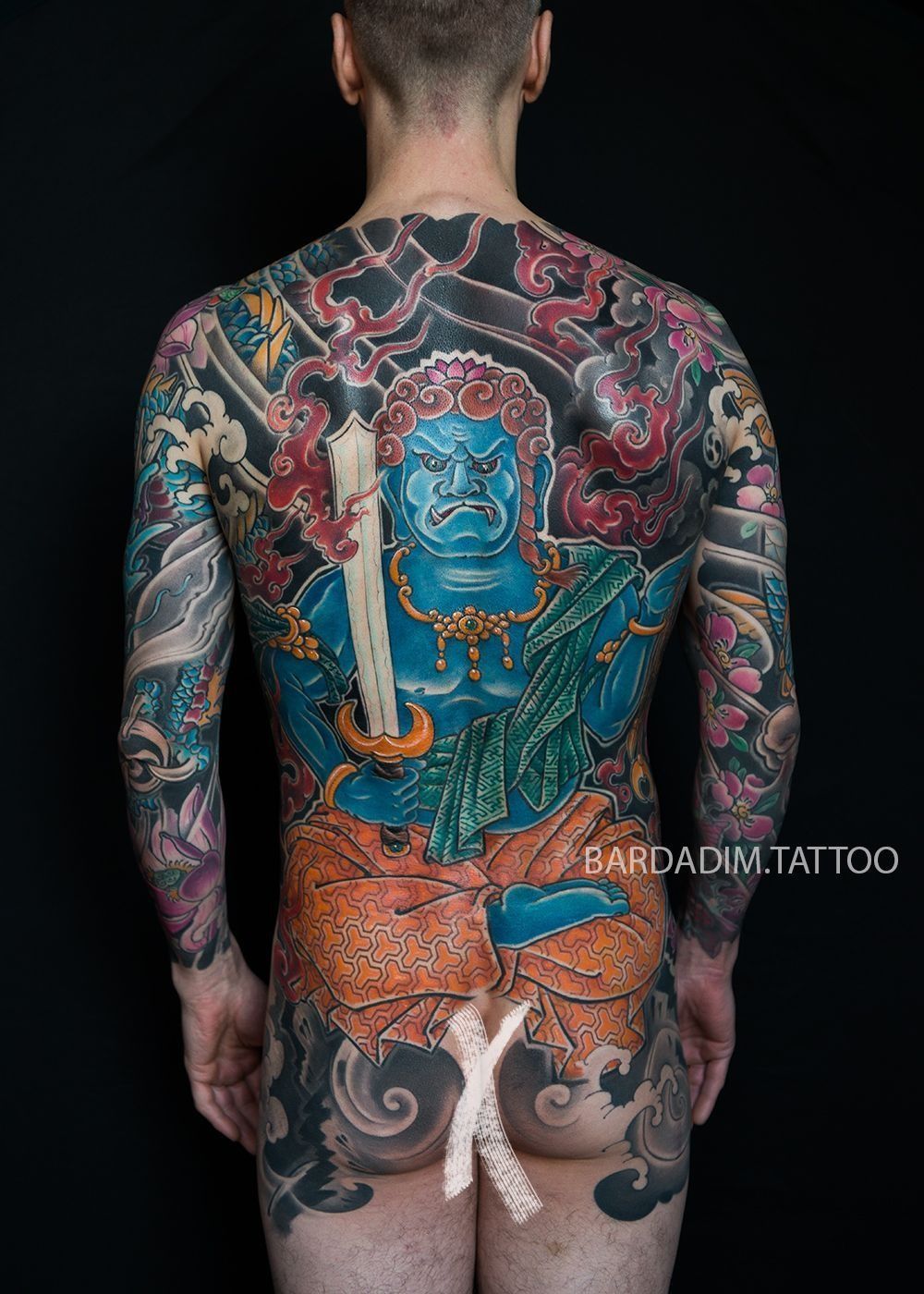
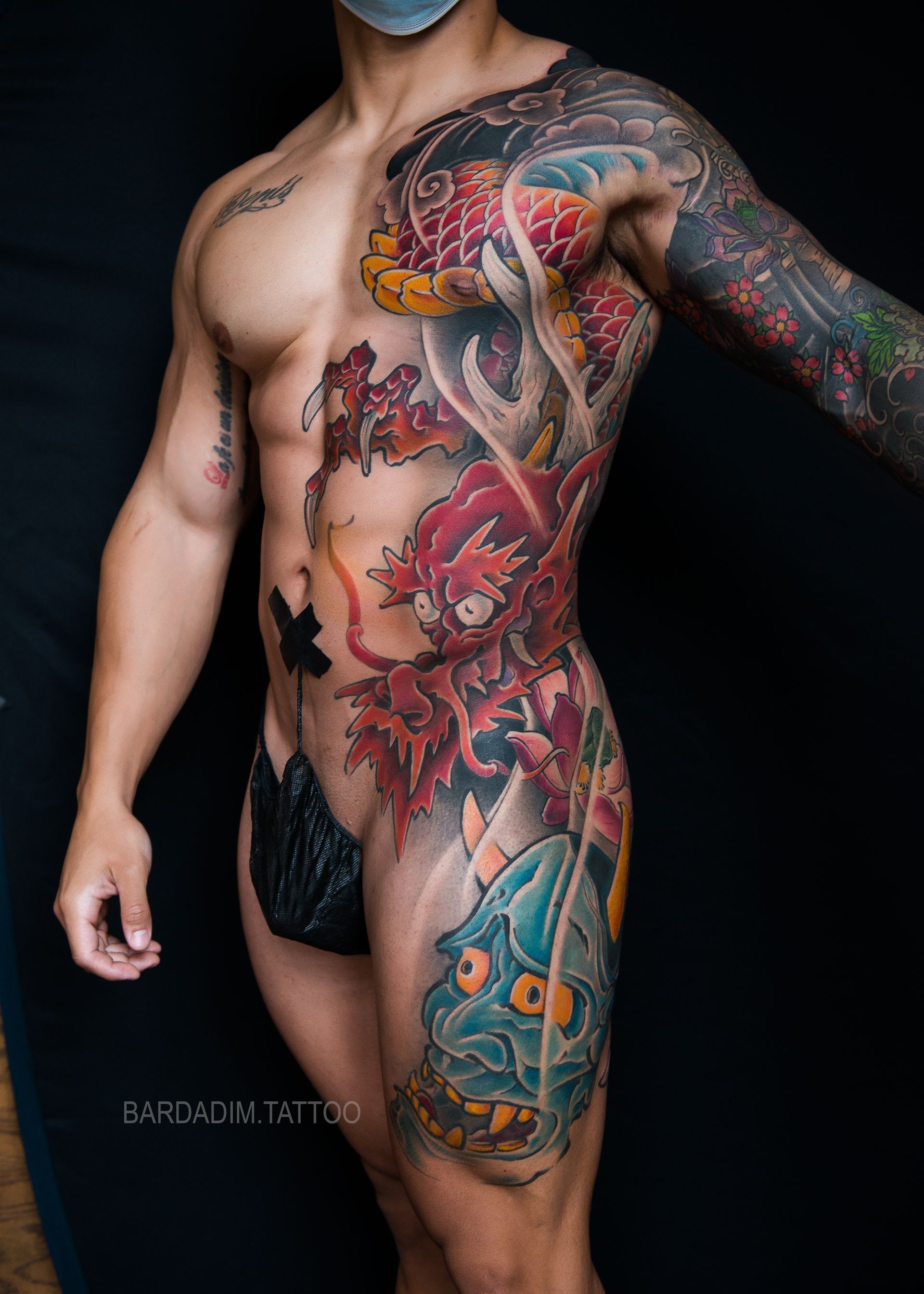
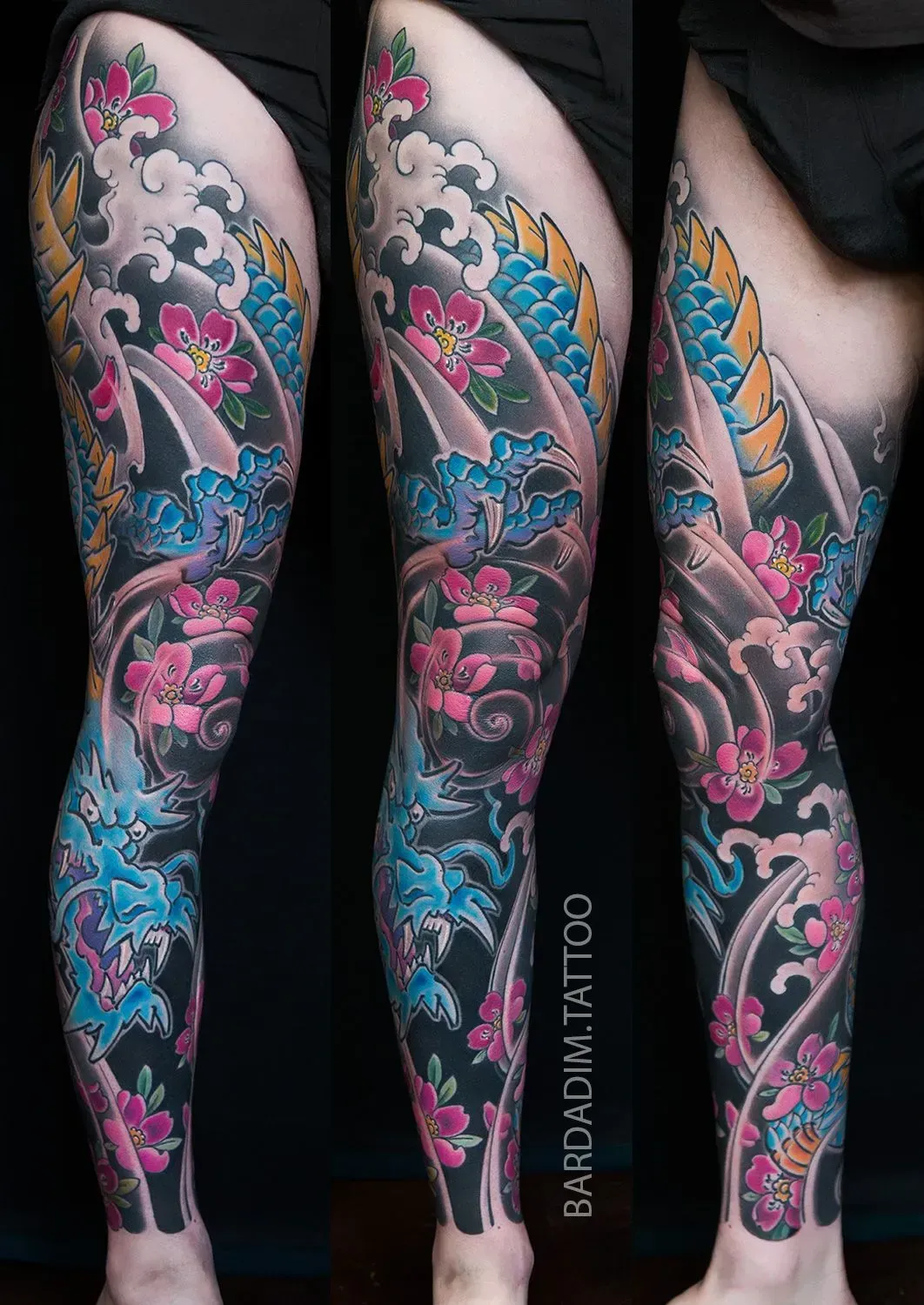
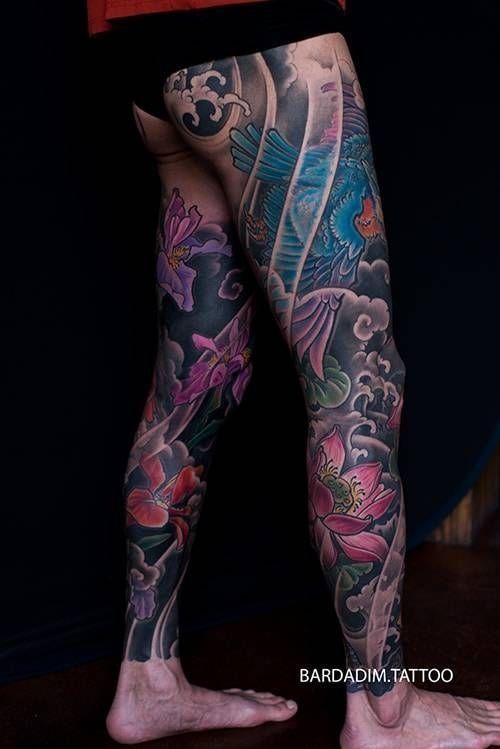
In Western tattoo parlance, “leg sleeve” often means any extensive leg tattoo. However, in classical Irezumi, a leg sleeve is not an isolated element, it must be conceived as part of a unified bodysuit composition, flowing from the torso down to the limbs. Unlike standalone calf or shin designs, these tattoos wrap fully around the leg and connect with the broader design system.


Why Traditional Logic Matters


Traditional layouts begin with the back, followed by the abdomen and legs, then the chest and arms . This compositional hierarchy ensures harmony and balance. While many clients choose to start with one leg, it’s essential to plan that leg as part of a future full-body narrative, even though beginning with the leg goes against traditional order.


Traditional Lengths & Terms


Traditional leg sleeve proportions are derived from clothing-based terms and defined carefully:


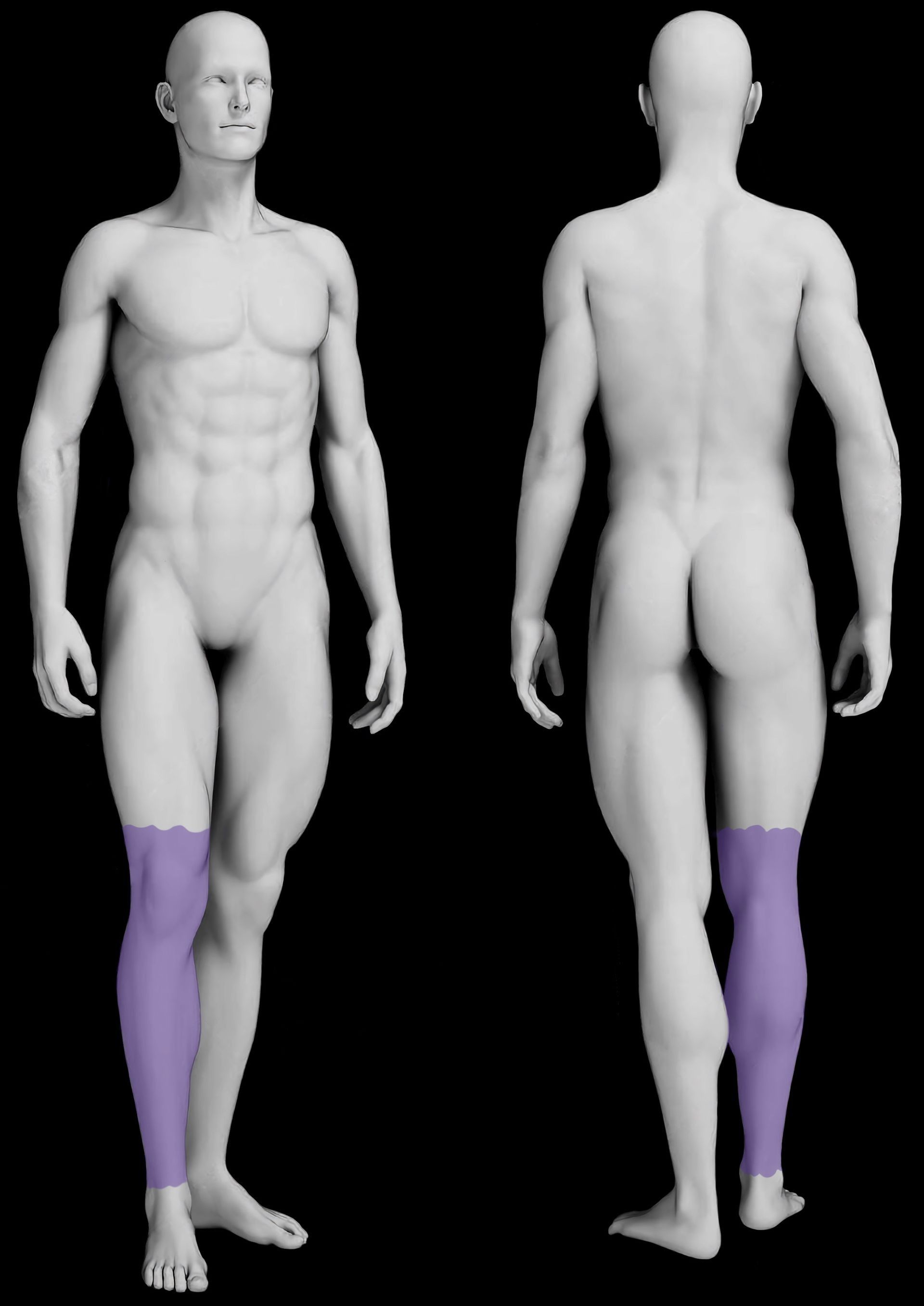
  • Han‑zubon (Gobu – 5/10 length): Just above the knee


  • Shichi‑bu (Hachibu – 7/10 length): Slightly below the knee


  • Naga‑zubôn (Full leg): From upper thigh to just above the ankle


These are not arbitrary choices, they reflect aesthetic architectures designed to flow with the body’s natural shape and integrate into a full bodysuit. 


Symbolism Embedded in Every Design


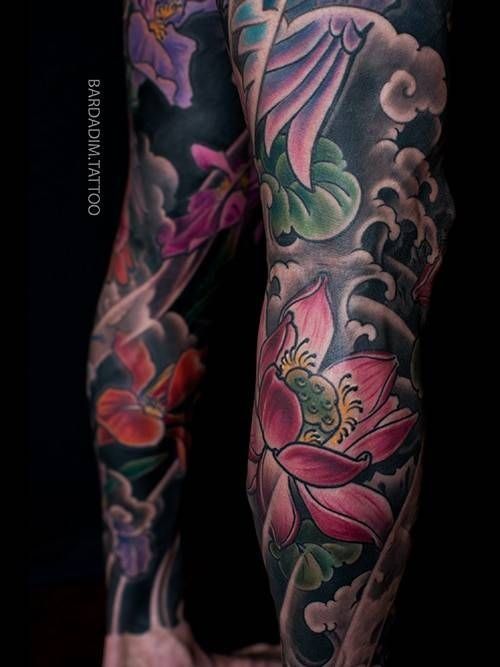
Traditional Irezumi motifs, such as koi fish, dragons, peonies, and cherry blossoms and others convey values like resilience, transformation, protection, and the cycles of life. In a leg sleeve, each element is placed with intent to contribute to the overall narrative and emotional expression.


Starting with a Leg Sleeve: Pros & Considerations


Yes, you can begin with one leg and expand into a full bodysuit. Many clients choose this path. However, since it diverges from traditional order, it is crucial that the initial leg design anticipates future expansion, otherwise it can feel incomplete until more work is added.


In Summary

- Within Irezumi, a leg sleeve is part of a bodysuit, not a standalone piece.


- Traditional design order begins with the back, yet starting with a leg is permissible if planned holistically.


- Leg sleeve lengths include Gobu (half), Shichibu (¾), and Naga-zubon (full), rooted in traditional form.


- Every motif carries symbolic meaning and contributes to compositional harmony.


- We offer only fully integrated and framed leg sleeves; isolated lower leg tattoos lie outside of traditional practice.


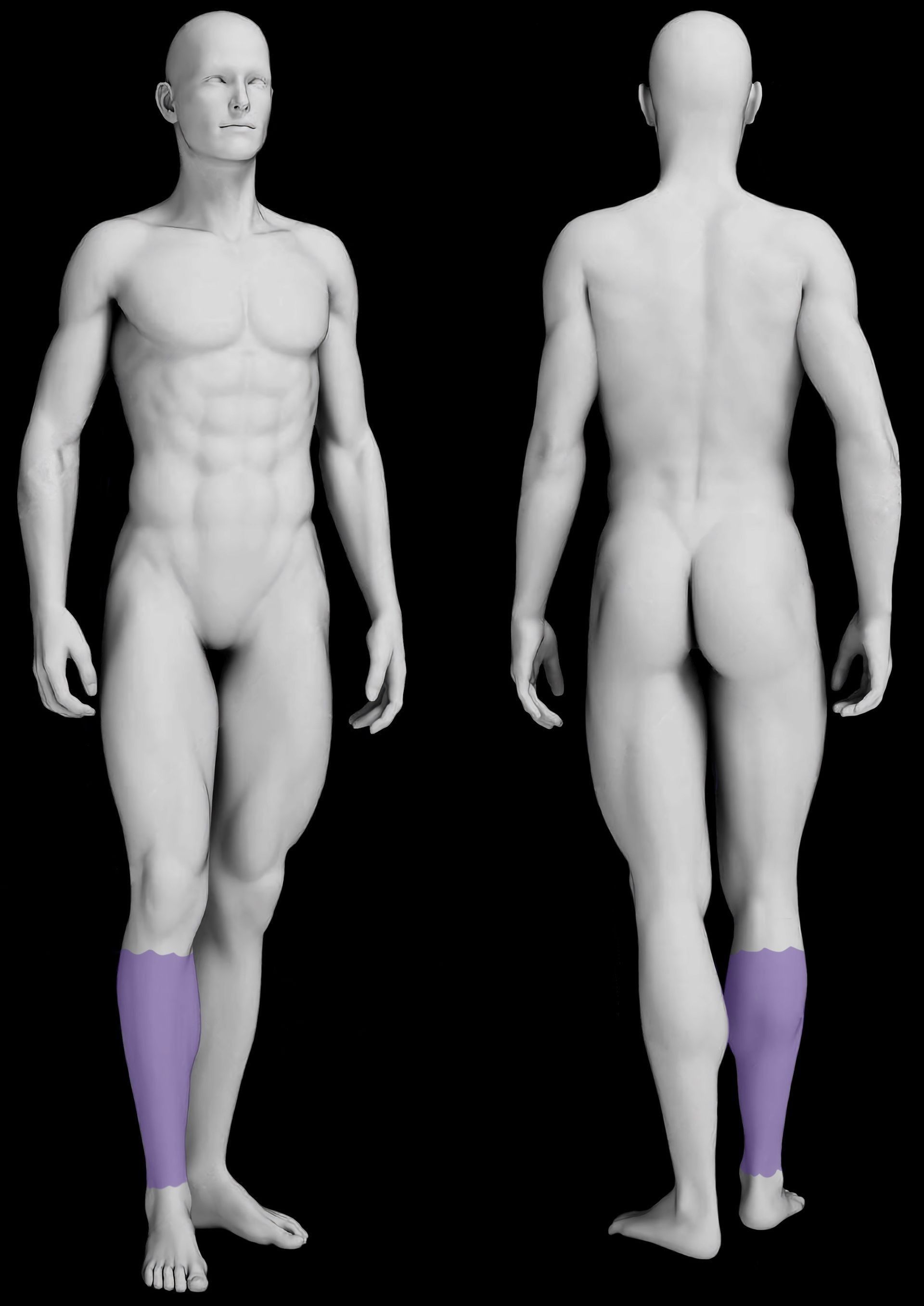
Front and back view of a human body; purple highlights the lower legs, indicating the tattooed area.

Lower-leg-only tattoos (calf or shin) that lack background, framing (mikiri), or architectural structure - done in nukibori style are not offered at our studio. These fail to meet compositional standards central to traditional Irezumi.

What We Don’t Offer

Let the Way flow onward:

from The Irezumi Way

“Each line is a lesson. Each session - a step.”

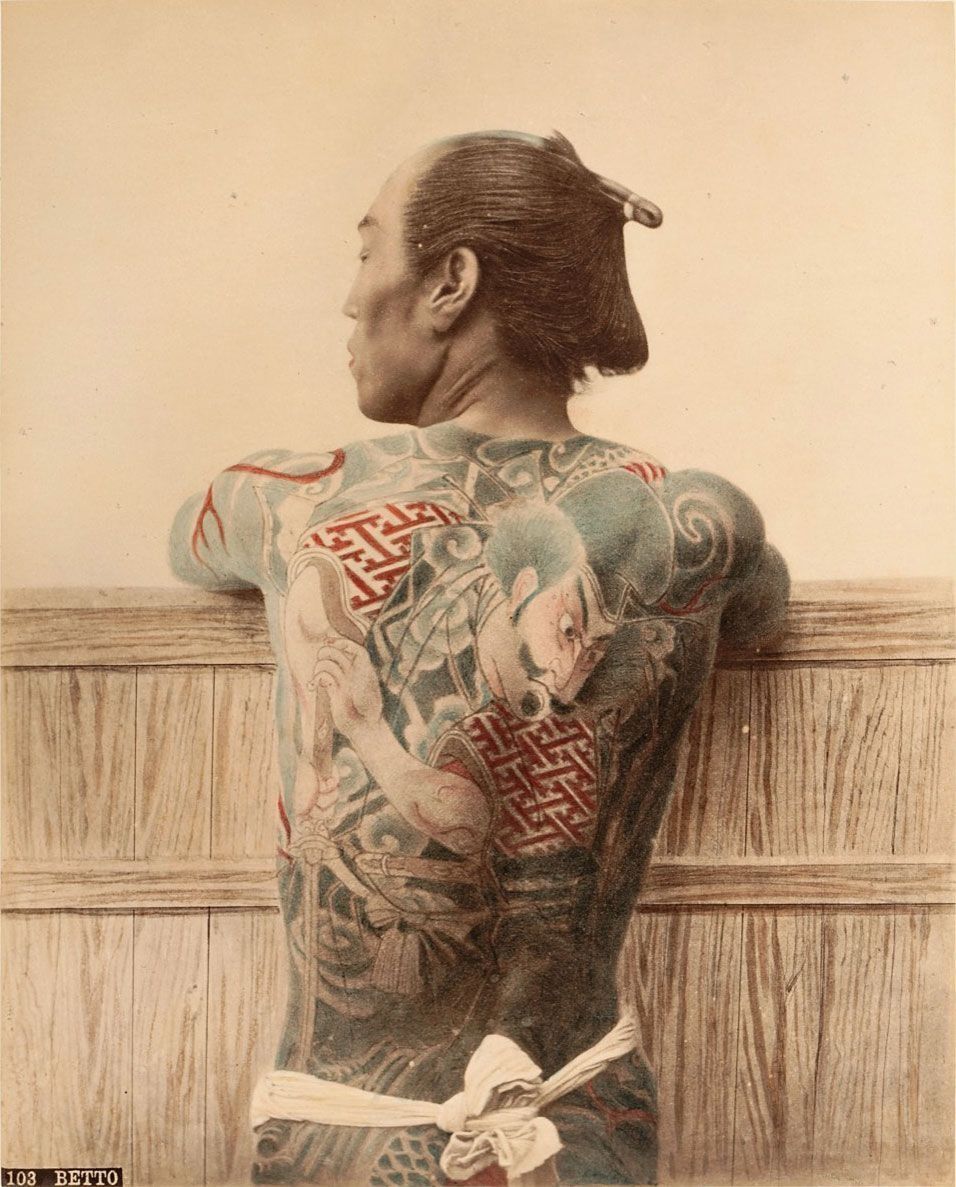
Man with full-body tattoo stands near a wooden structure, back facing the viewer. The tattoo includes red, blue, and green ink.
by George Bardadim 9 August 2025
Discover the art of traditional Japanese Irezumi backpieces – layouts, flow, balance, and why the design must extend beyond the waistline.
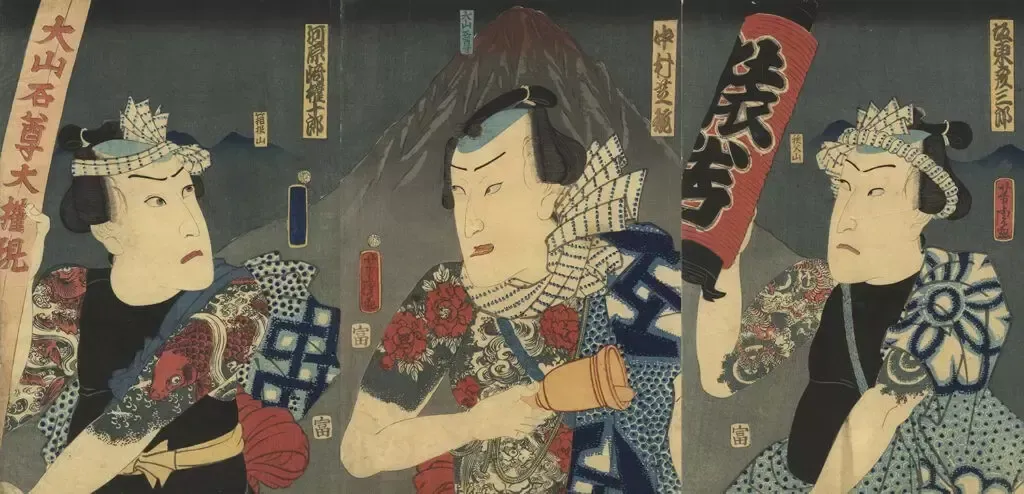
A painting of a man getting a tattoo on his arm
by George Bardadim 13 May 2024
Unlocking the Essence of Gaman
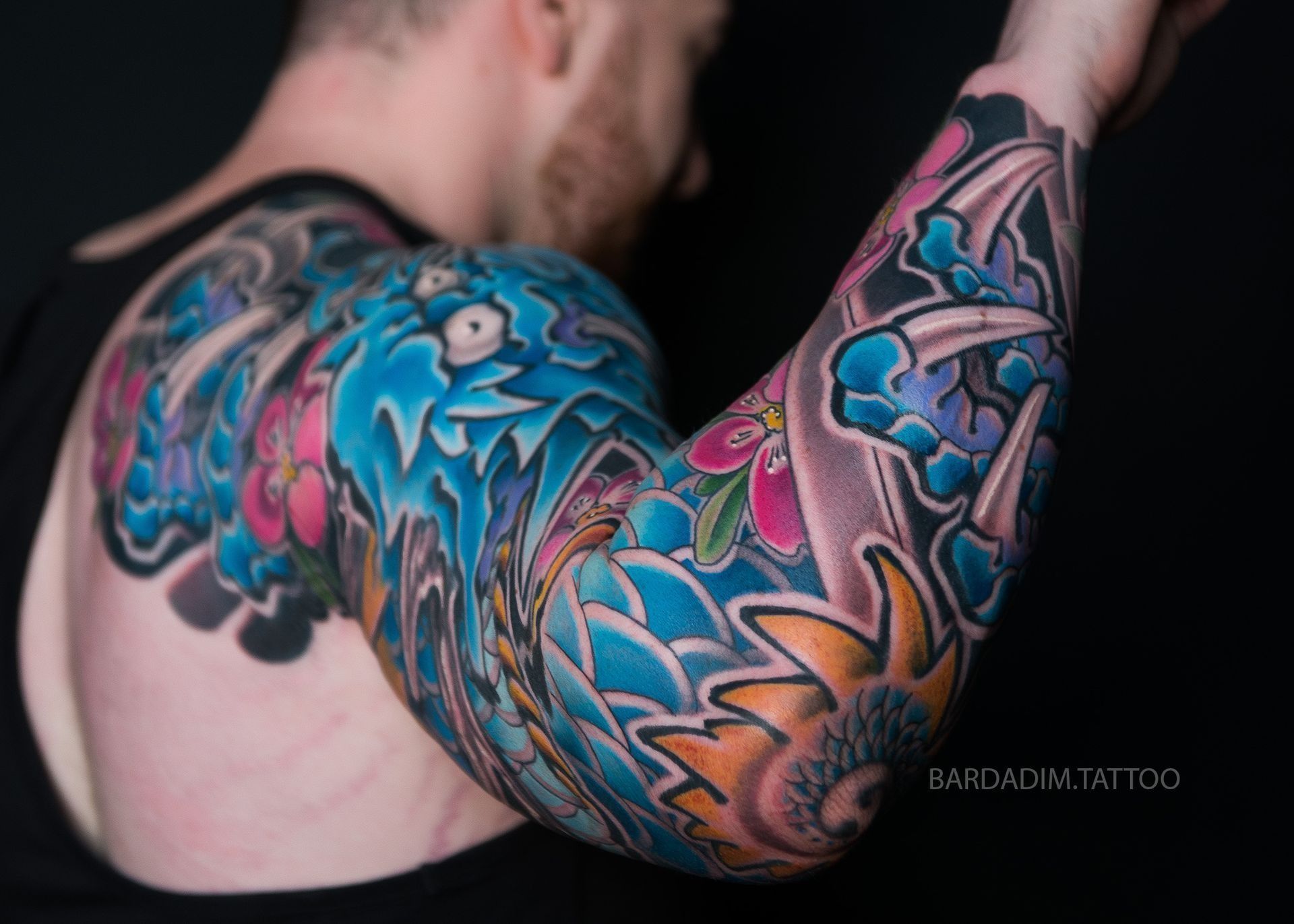
A man has a full sleeve tattoo on his arm and shoulder.
by George 8 April 2024
Japanese tattoos are renowned for their intricate designs and deep cultural significance. If you're considering getting a full sleeve, you might wonder how much time and money you'll need to invest. This guide breaks down the essential factors influencing the time and cost of a Japanese tattoo, ensuring you're well-prepared for this commitment. How Long Does a Full Sleeve Tattoo Take? A full sleeve tattoo can take anywhere from 20 to 30 hours to complete, typically spread across 5 to 8 sessions. Several variables influence this timeframe: - Design Complexity: The more intricate and detailed the design, the longer it will take. - Arm Size: Larger arms require more time to tattoo than smaller ones. - Healing Process: Your body's ability to heal between sessions can affect the overall timeline. - Skin Condition and Sensitivity: Healthier skin may heal faster and tolerate longer sessions. - Pain Tolerance: Your ability to endure pain can impact how long you can sit for each session. Given these factors, predicting the exact duration for completing a full sleeve is challenging. However, providing your arm measurements and design concept allows for a more accurate estimate. Understanding the Cost of a Japanese Tattoo Currently, we offer a discounted rate of $1400 for our regular 4-hour sessions, providing a significant savings compared to our standard hourly rate of $400. Please note that pricing may vary depending on various factors like: - Size and Scope: Larger projects, like full-body suits, may qualify for discounts. - Cover-Ups: Tattoos that incorporate or cover up existing tattoos may have different pricing structures and often require additional consultations. - Laser Removal: For old tattoos, laser removal is frequently recommended before starting new work. Session Length and Frequency Typically, tattoo sessions last between 4 to 5 hours. Longer sessions are avoided to reduce stress on your body and enhance the chances of proper healing. The ideal break between sessions is 2 to 3 weeks, allowing sufficient time for your skin to recover. The Healing Process and Its Impact on Tattoo Duration Healing plays a crucial role in the overall timeline for completing a full sleeve. Rushing the process can lead to poor healing and affect the final appearance of the tattoo. In exceptional cases, some individuals may desire to complete a sleeve in a few days, but this approach is not recommended due to the significant stress it places on both the artist and the client. Ensuring ample healing time between sessions is key to achieving a beautiful and lasting tattoo. Tips for a Successful Tattoo Experience - Prepare Your Skin: Ensure your skin is in the best possible condition before starting your tattoo. Stay hydrated, moisturize, and avoid sunburns. - Follow Aftercare Instructions: Proper aftercare is essential for good healing. Follow your artist's instructions meticulously to avoid infections and promote faster recovery. - Communicate with Your Artist: Keep an open line of communication with your tattoo artist. Discuss your pain tolerance, healing concerns, and any other issues that may arise during the process. - Enjoy the Journey: Remember, getting a tattoo is a significant journey. Enjoy each session and appreciate the artistry involved in creating your unique design. Final Thoughts Embarking on the journey to get a Japanese full sleeve tattoo is a significant commitment of time, money, and patience. By understanding the various factors that influence the process, you can better prepare yourself for the experience. With proper planning and communication with your artist, you'll achieve a stunning piece of body art that you can proudly display for years to come.