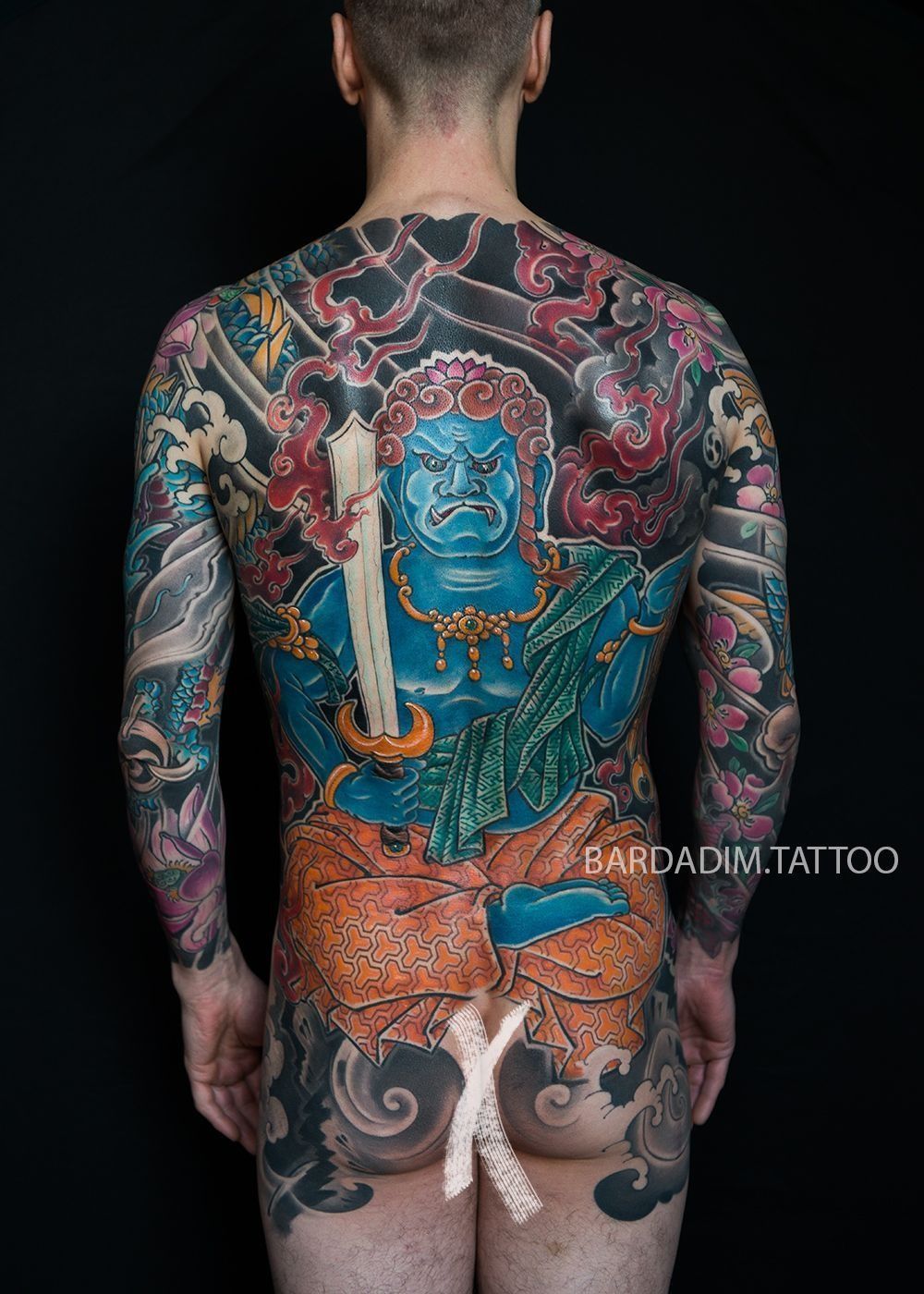
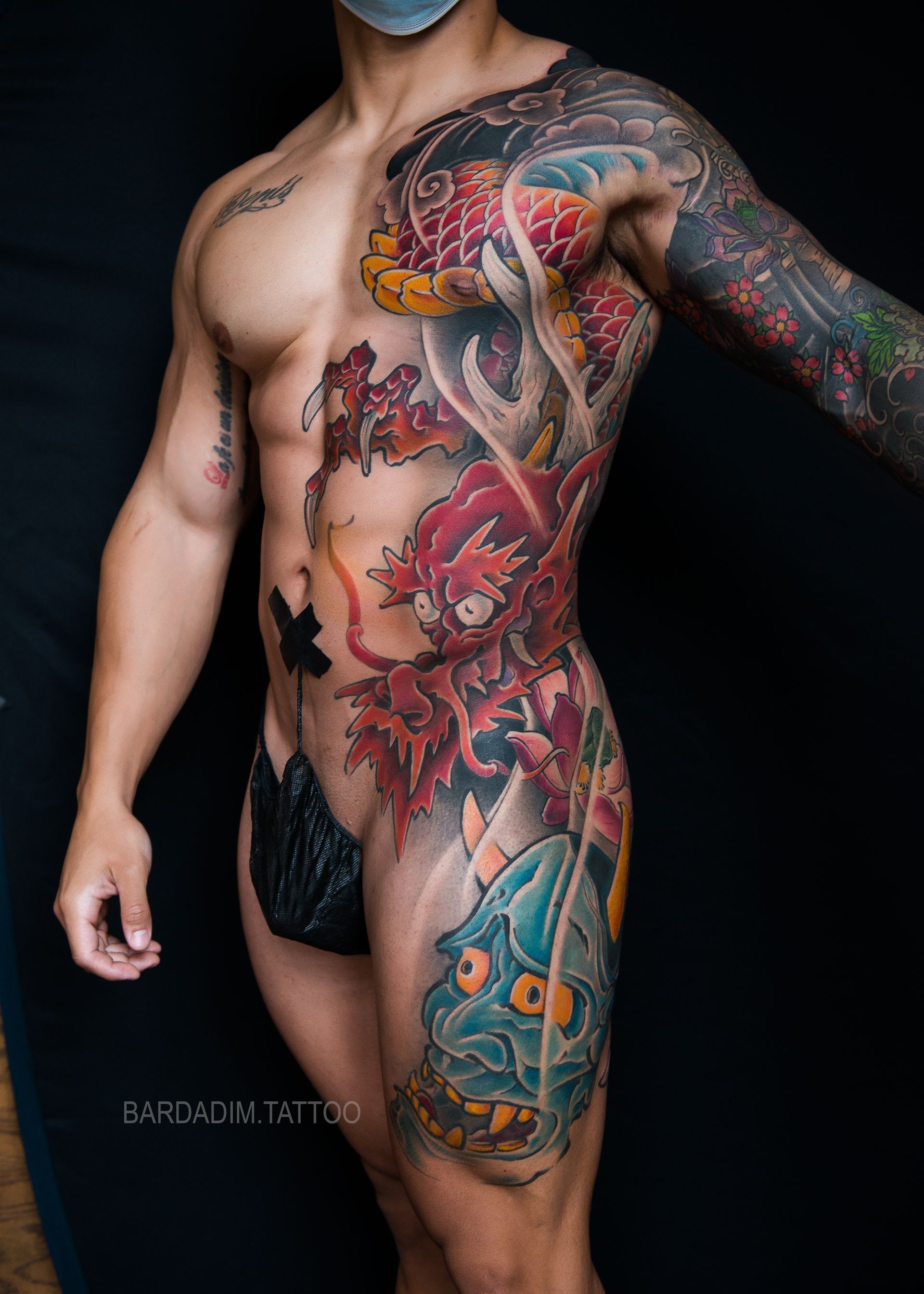
Tattoos as a personal and mental journey of change.

9 December 2024

Tattoos as a personal and mental journey of change


The Path of Shugyo and the Tattoo Process


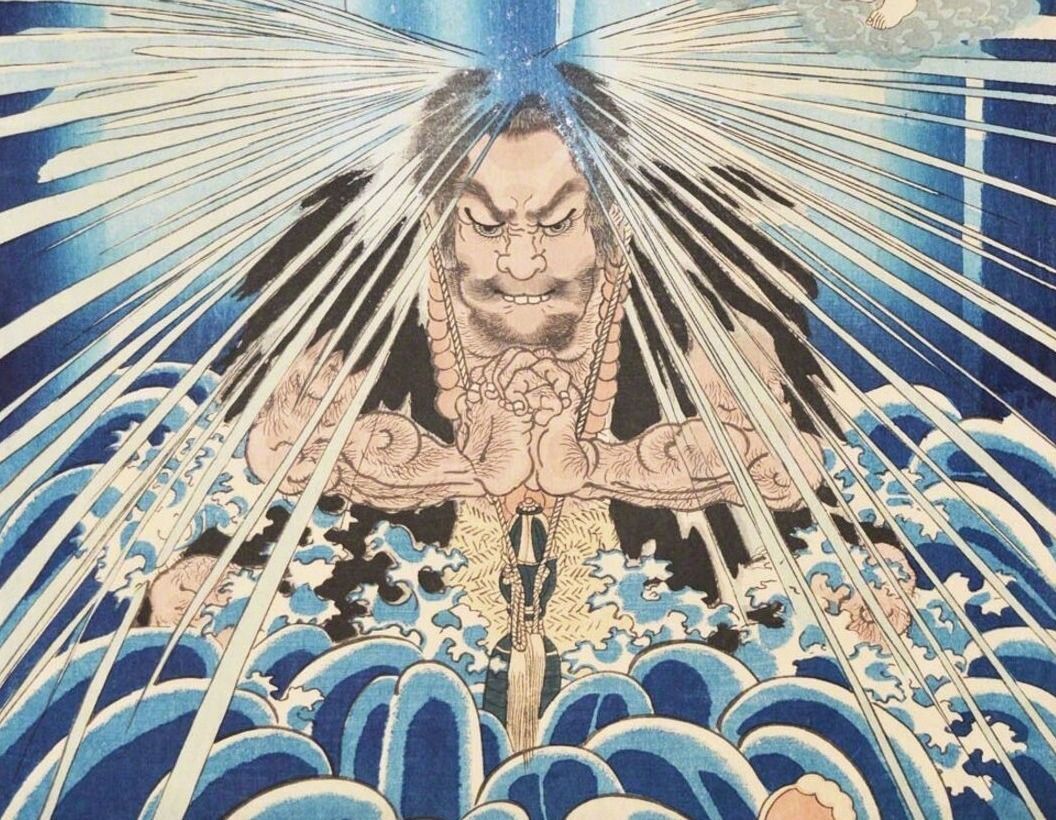
In Japanese culture, shugyo describes a disciplined path of self cultivation shaped through effort, challenge, and steady commitment. Large scale Irezumi often follows a similar path. Through repeated sessions, discomfort, and the focused rhythm of the needle, a person learns to remain present, to breathe with intention, and to stay centered even when the body tightens.

This experience is not only about receiving an image. It is about developing qualities such as patience, clarity, and internal steadiness. Pain becomes a guide. Stillness turns into practice.


Pain as a Catalyst for Awareness


During a session the mind reacts first with tension, then gradually settles. Breathing regulates the body and awareness expands. This shift echoes many traditional disciplines where physical challenge works as a doorway into deeper perception. Not a punishment, but a method for revealing a clearer and more grounded state of mind.

In this way the tattoo does not simply appear on the skin. It emerges together with the person who is changing while receiving it.


A visual echo of the pilgrimage ascent


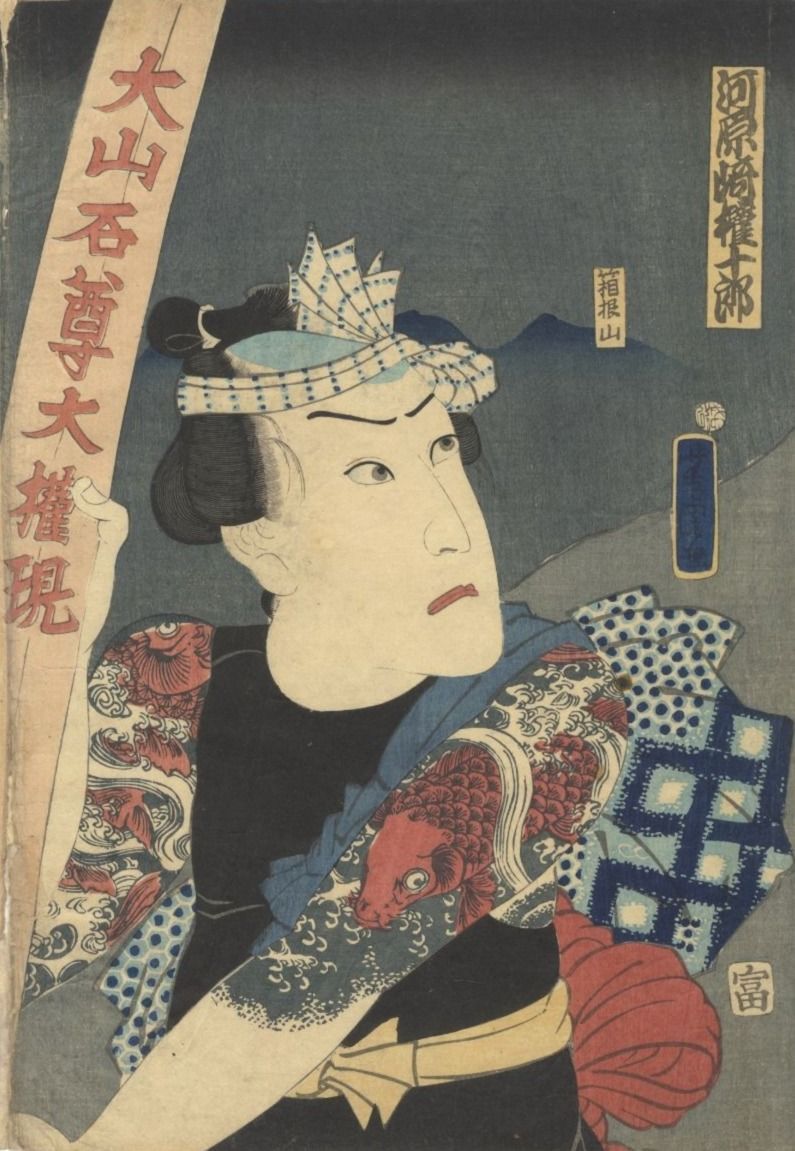
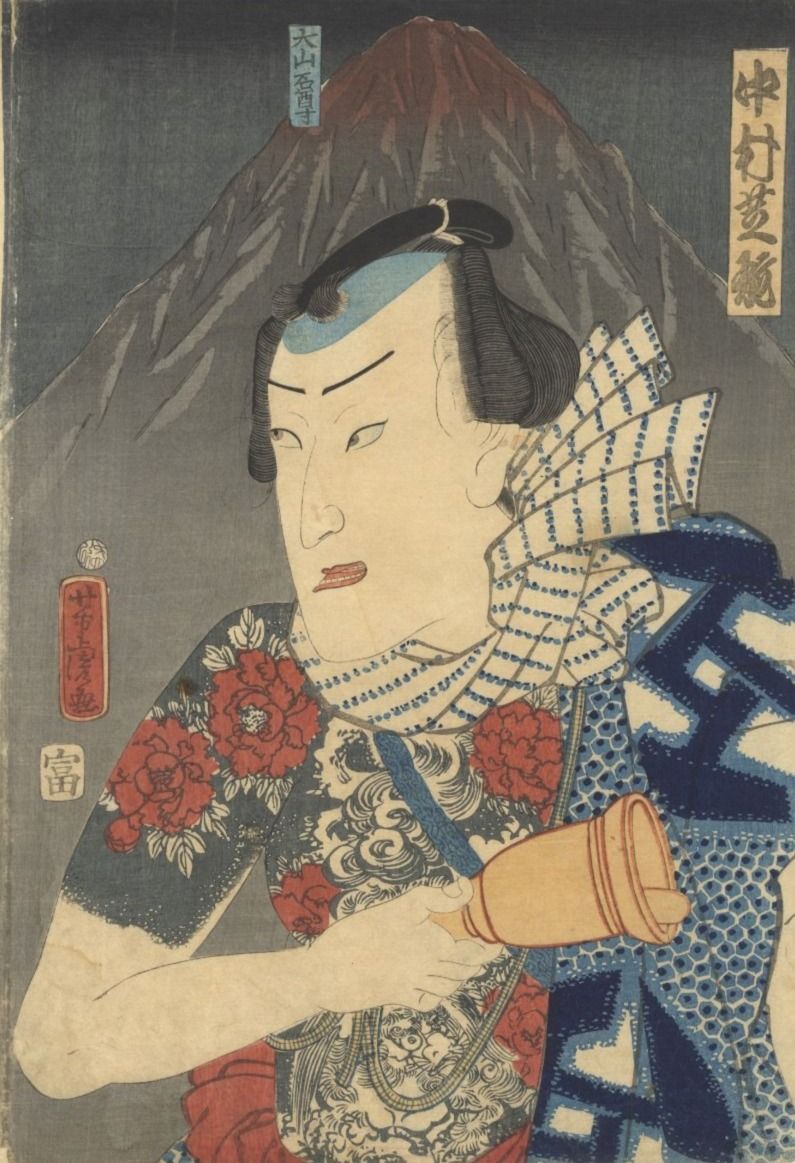
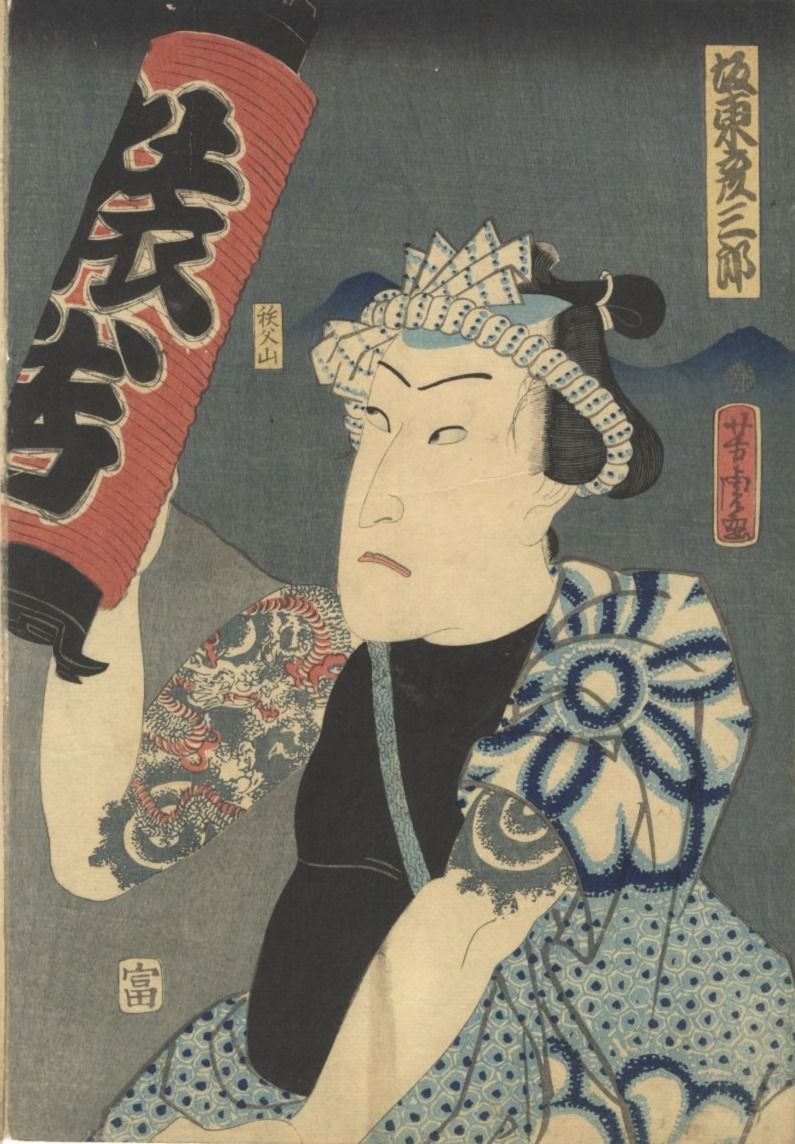
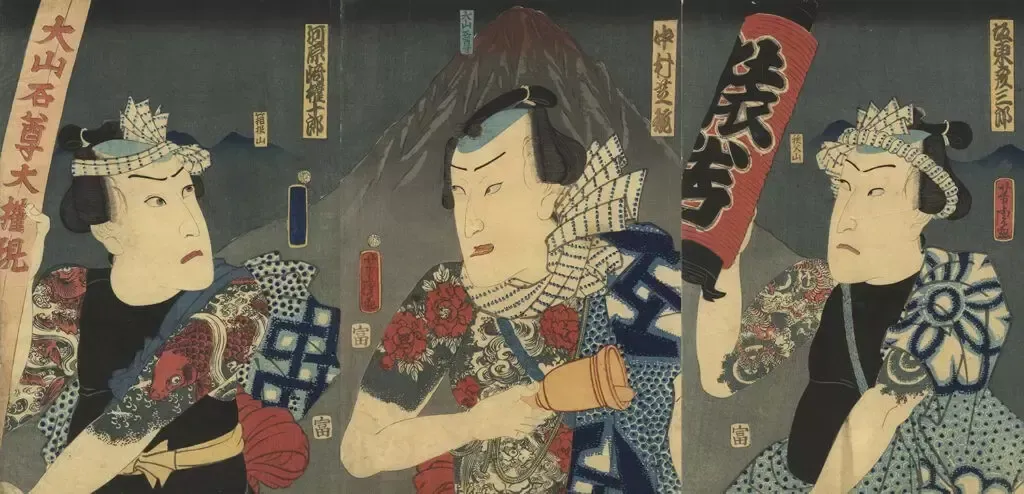
Yoshitora Utagawa’s depictions of the Mount Oyama pilgrimage often show people ascending through changing terrain, guided by purpose rather than comfort. This ascent is both literal and symbolic. In Japanese thought such a climb reflects a deepening of spirit that forms through each step taken with resolve.

The Irezumi journey mirrors this idea. Each session becomes another upward step. The discipline to endure and the awareness to stay steady create a sense of inner elevation. The final tattoo becomes not only an artwork but a quiet record of this inner climb.


Self Control as Inner Craftsmanship


Long sessions require trust, consistency, and the ability to let go of impulse. These qualities are central to shugyo. The client learns to hold focus for extended periods, release fear, and return to breath even when the body resists. Over time this discipline becomes a subtle form of inner craftsmanship where the mind shapes itself alongside the developing design.


The Moment Transformation Begins


Transformation starts long before the tattoo is finished. It begins the moment a person commits to the journey. Choosing the idea, preparing the body, showing up for each session. Every decision marks a shift in identity. By the time the work is complete, the person often stands on a different internal foundation.


Irezumi as a Mirror of Growth


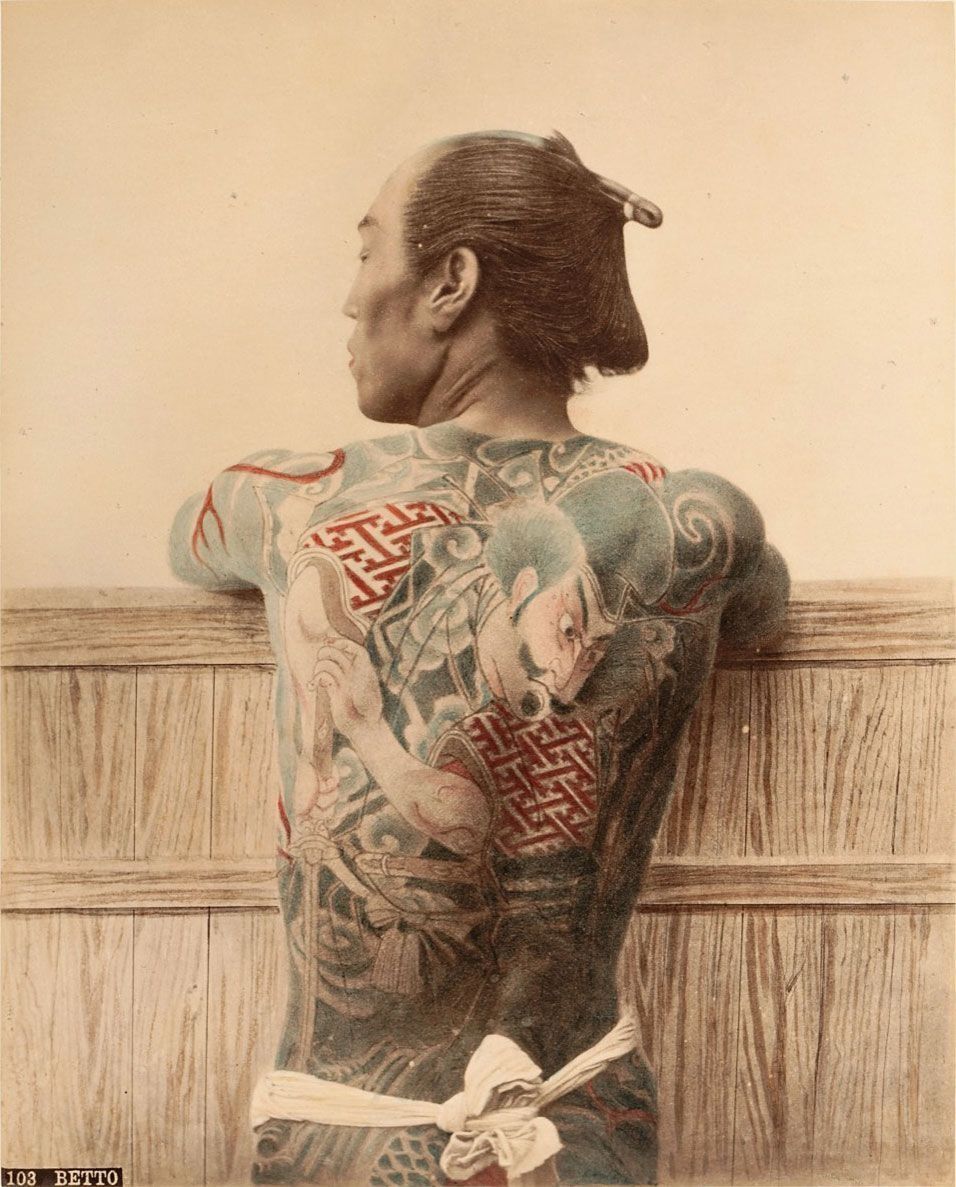
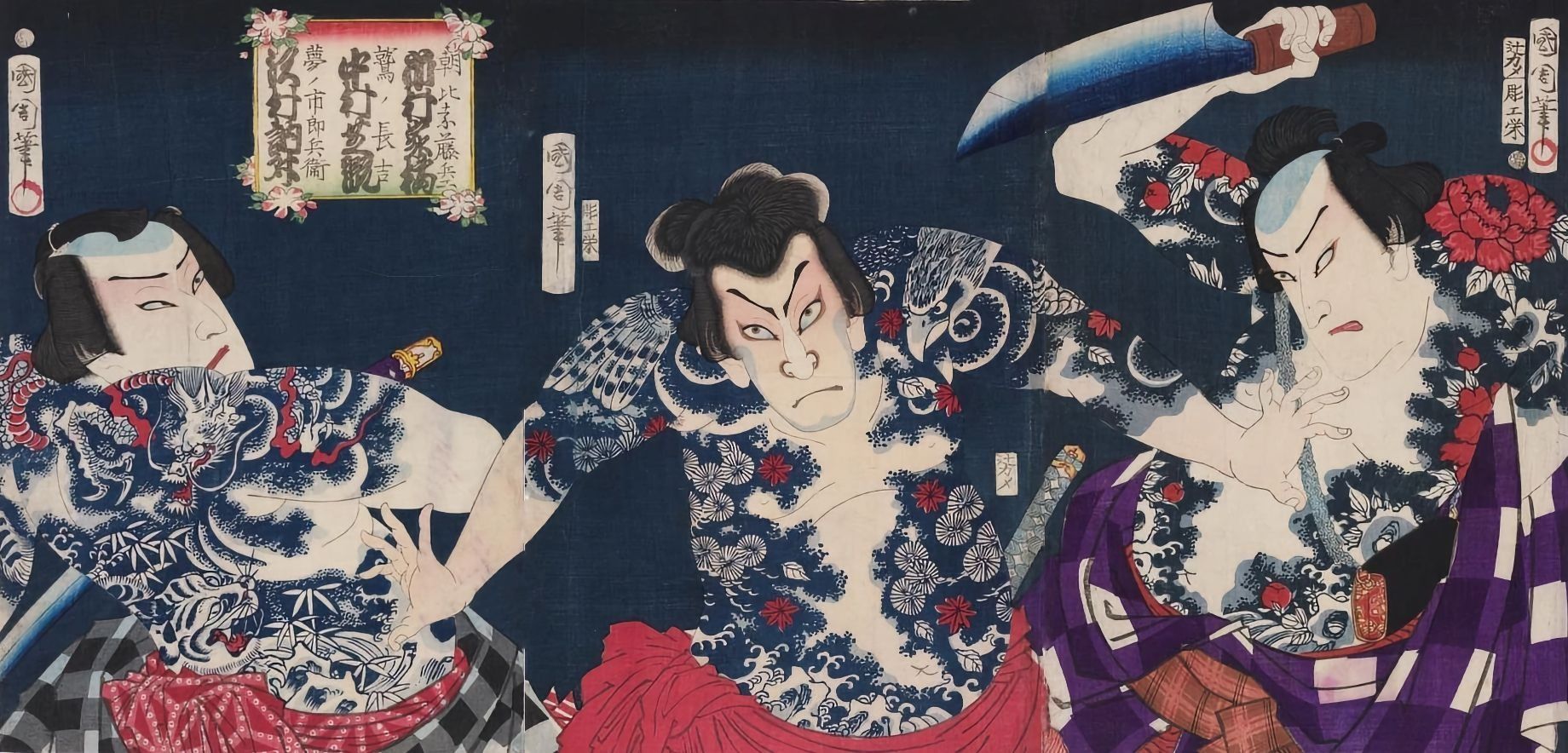
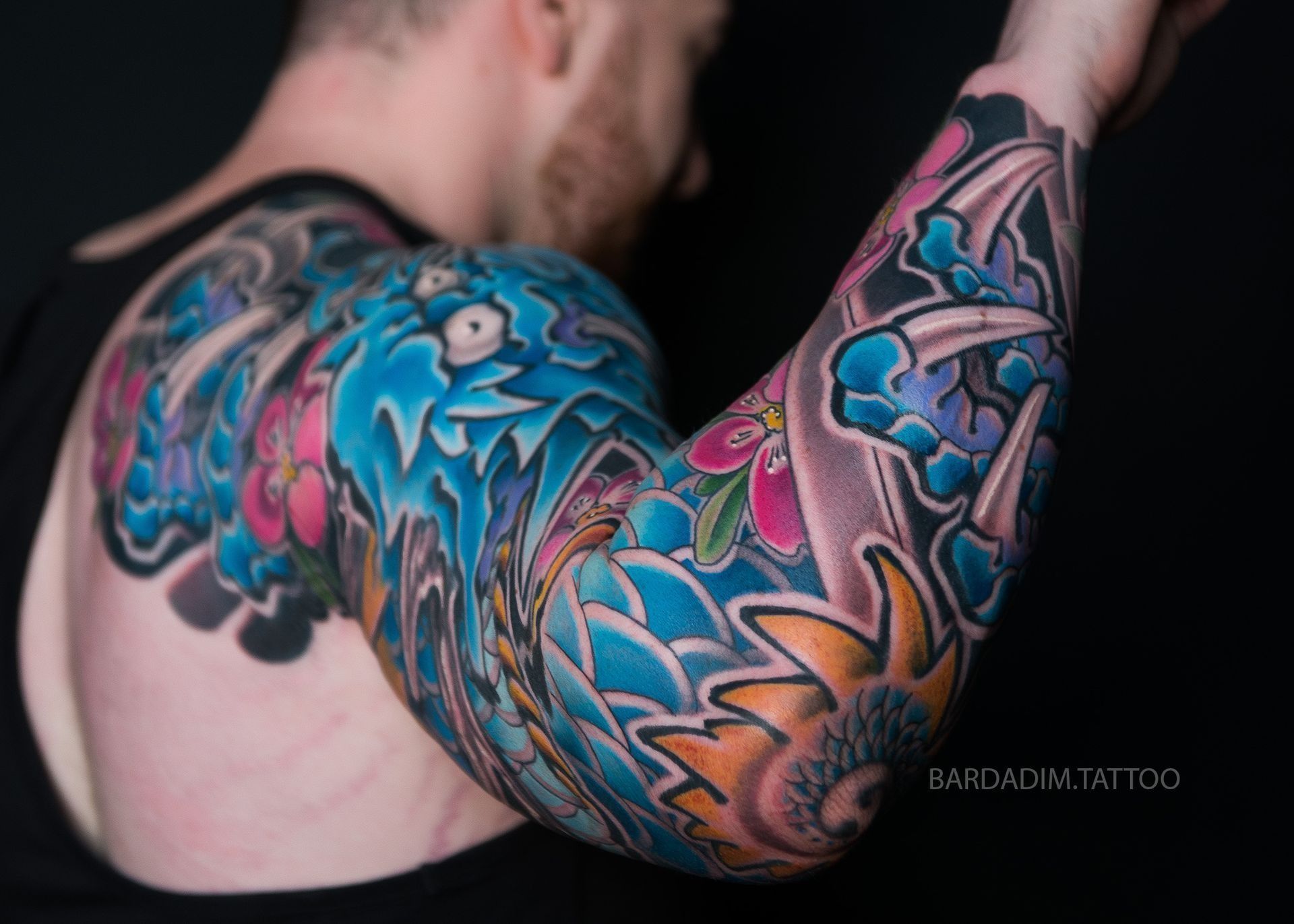
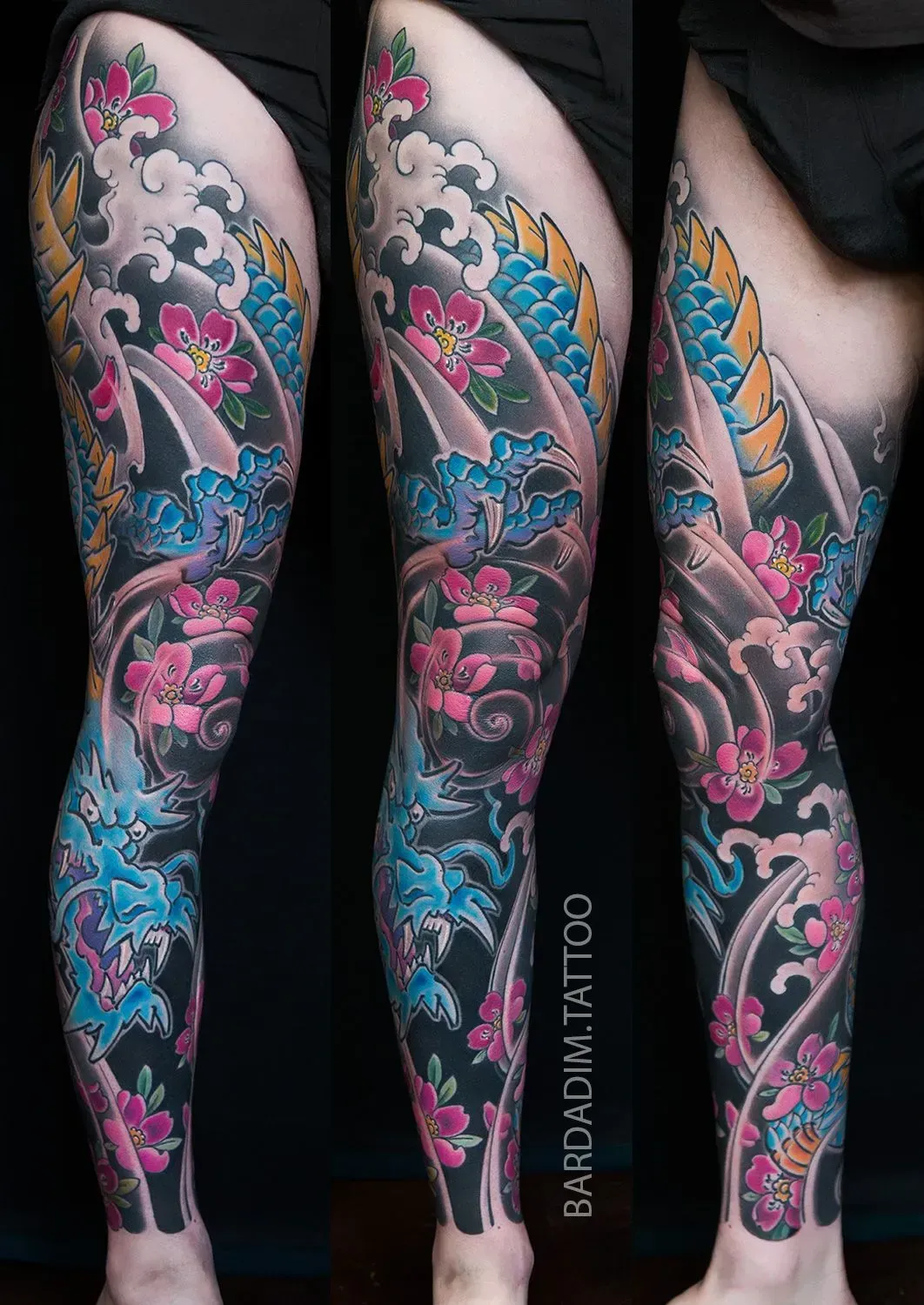
Traditional Japanese motifs reflect the inner qualities that grow during the tattoo journey. Dragons for courage, tigers for resolve, koi for perseverance. These symbols do not simply decorate the body. They affirm what was cultivated during the process and become reminders of the path walked through discipline and awareness.


Let the Way flow onward:

from The Irezumi Way

“Each line is a lesson. Each session - a step.”

Man with full-body tattoo stands near a wooden structure, back facing the viewer. The tattoo includes red, blue, and green ink.
by George Bardadim 9 August 2025
Discover the art of traditional Japanese Irezumi backpieces – layouts, flow, balance, and why the design must extend beyond the waistline.
A painting of a man getting a tattoo on his arm
by George Bardadim 13 May 2024
Unlocking the Essence of Gaman
A man has a full sleeve tattoo on his arm and shoulder.
by George 8 April 2024
Japanese tattoos are renowned for their intricate designs and deep cultural significance. If you're considering getting a full sleeve, you might wonder how much time and money you'll need to invest. This guide breaks down the essential factors influencing the time and cost of a Japanese tattoo, ensuring you're well-prepared for this commitment. How Long Does a Full Sleeve Tattoo Take? A full sleeve tattoo can take anywhere from 20 to 30 hours to complete, typically spread across 5 to 8 sessions. Several variables influence this timeframe: - Design Complexity: The more intricate and detailed the design, the longer it will take. - Arm Size: Larger arms require more time to tattoo than smaller ones. - Healing Process: Your body's ability to heal between sessions can affect the overall timeline. - Skin Condition and Sensitivity: Healthier skin may heal faster and tolerate longer sessions. - Pain Tolerance: Your ability to endure pain can impact how long you can sit for each session. Given these factors, predicting the exact duration for completing a full sleeve is challenging. However, providing your arm measurements and design concept allows for a more accurate estimate. Understanding the Cost of a Japanese Tattoo Currently, we offer a discounted rate of $1400 for our regular 4-hour sessions, providing a significant savings compared to our standard hourly rate of $400. Please note that pricing may vary depending on various factors like: - Size and Scope: Larger projects, like full-body suits, may qualify for discounts. - Cover-Ups: Tattoos that incorporate or cover up existing tattoos may have different pricing structures and often require additional consultations. - Laser Removal: For old tattoos, laser removal is frequently recommended before starting new work. Session Length and Frequency Typically, tattoo sessions last between 4 to 5 hours. Longer sessions are avoided to reduce stress on your body and enhance the chances of proper healing. The ideal break between sessions is 2 to 3 weeks, allowing sufficient time for your skin to recover. The Healing Process and Its Impact on Tattoo Duration Healing plays a crucial role in the overall timeline for completing a full sleeve. Rushing the process can lead to poor healing and affect the final appearance of the tattoo. In exceptional cases, some individuals may desire to complete a sleeve in a few days, but this approach is not recommended due to the significant stress it places on both the artist and the client. Ensuring ample healing time between sessions is key to achieving a beautiful and lasting tattoo. Tips for a Successful Tattoo Experience - Prepare Your Skin: Ensure your skin is in the best possible condition before starting your tattoo. Stay hydrated, moisturize, and avoid sunburns. - Follow Aftercare Instructions: Proper aftercare is essential for good healing. Follow your artist's instructions meticulously to avoid infections and promote faster recovery. - Communicate with Your Artist: Keep an open line of communication with your tattoo artist. Discuss your pain tolerance, healing concerns, and any other issues that may arise during the process. - Enjoy the Journey: Remember, getting a tattoo is a significant journey. Enjoy each session and appreciate the artistry involved in creating your unique design. Final Thoughts Embarking on the journey to get a Japanese full sleeve tattoo is a significant commitment of time, money, and patience. By understanding the various factors that influence the process, you can better prepare yourself for the experience. With proper planning and communication with your artist, you'll achieve a stunning piece of body art that you can proudly display for years to come.
Show More …