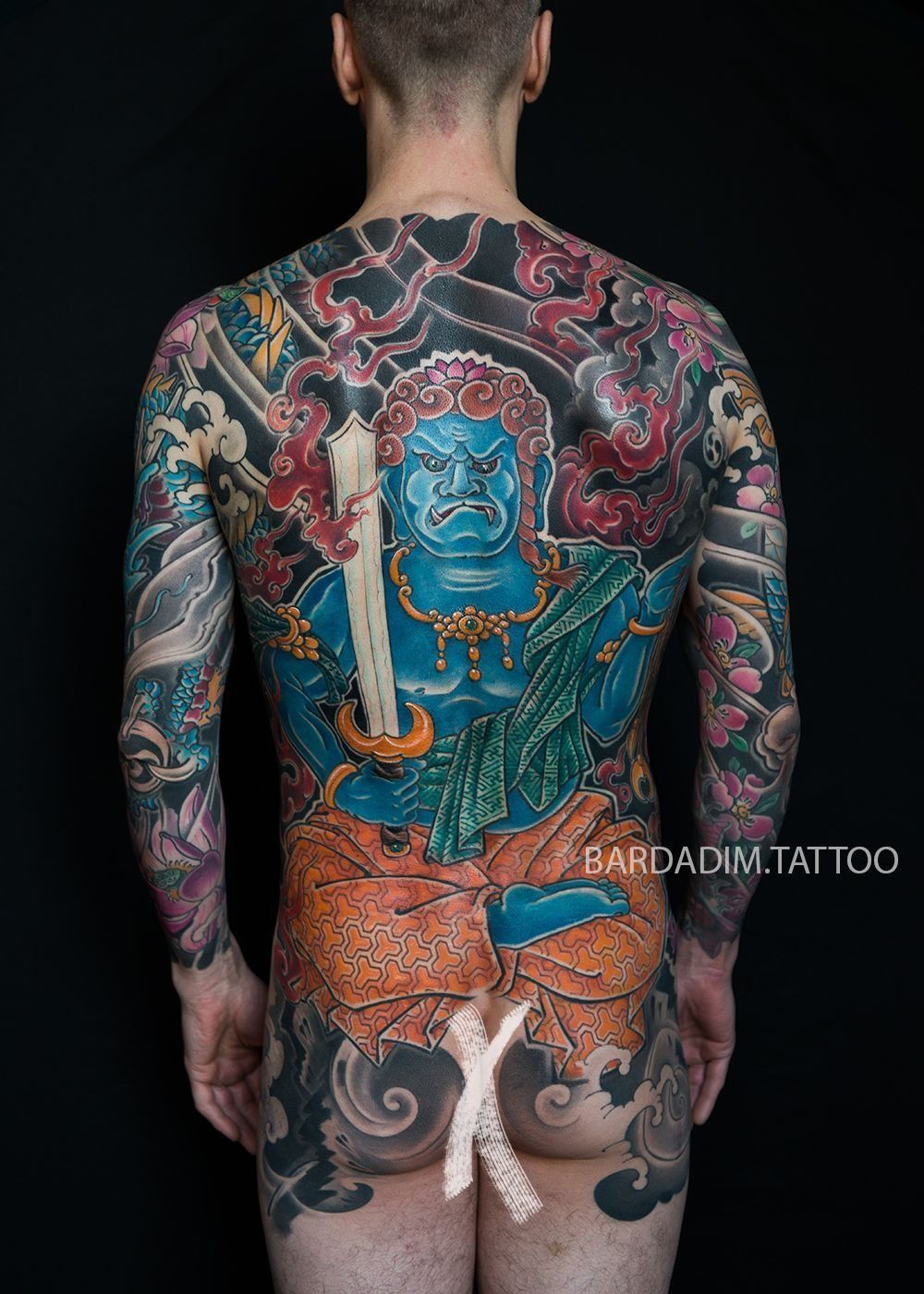
The Red Dragon: Symbol of Power and Protection
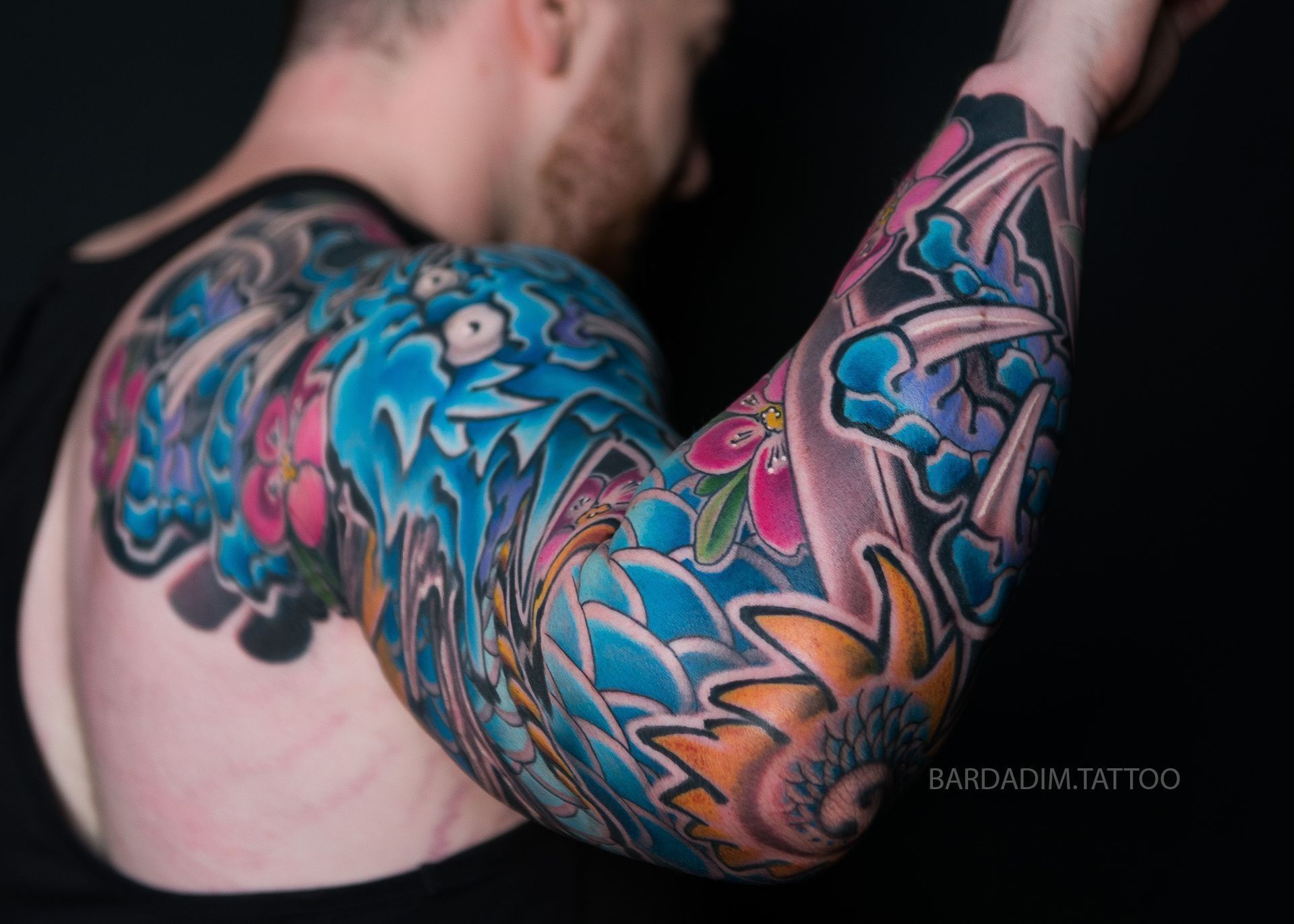
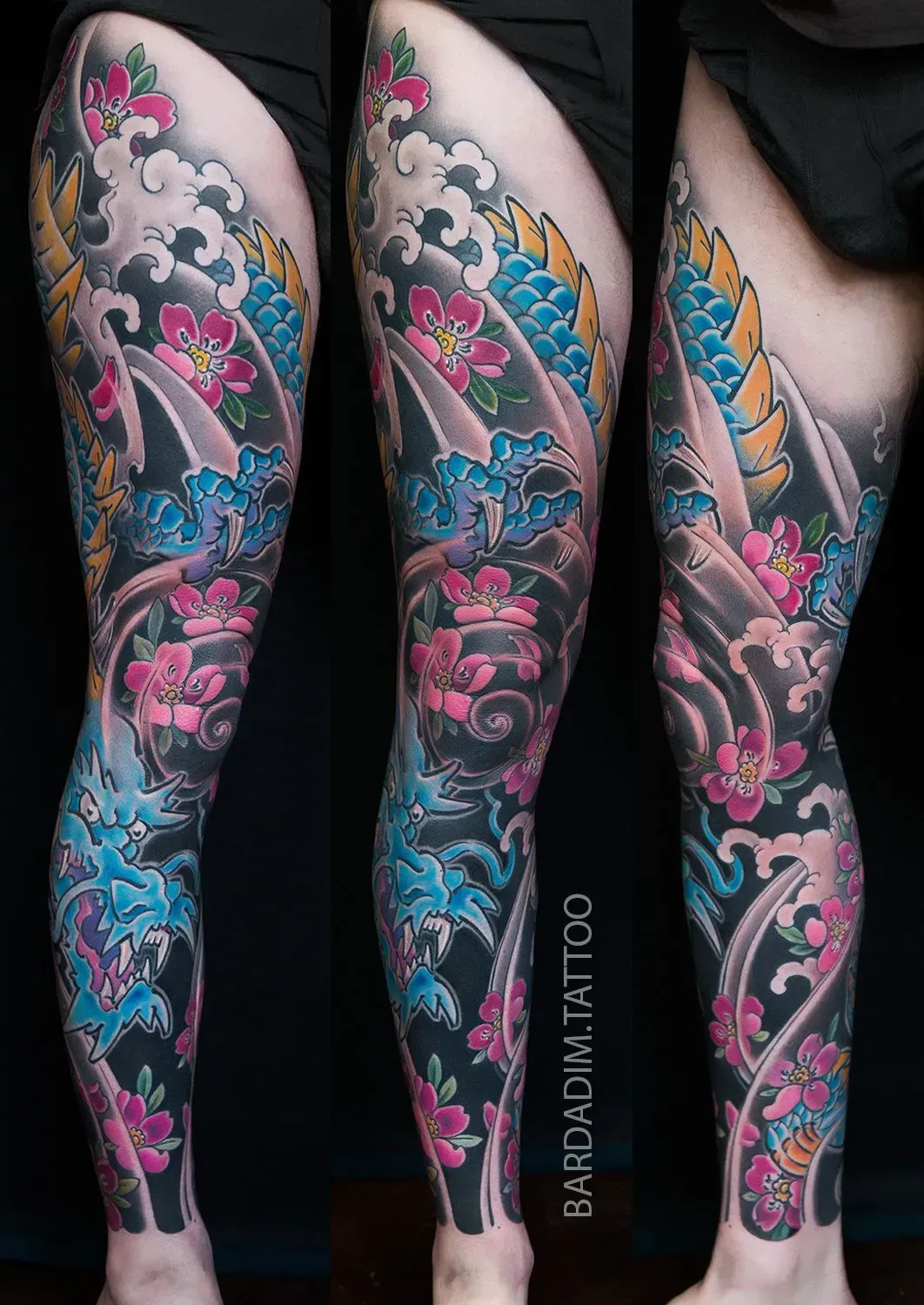
In Japanese culture, the dragon is revered as a symbol of power, strength, and protection. Unlike its Western counterpart, the Japanese dragon is often associated with benevolence and good fortune. When depicted in a vibrant red hue, the dragon signifies courage, vitality, and transformation. It is believed to ward off evil spirits and bring prosperity to the bearer. The intricate scales and fierce countenance of the dragon serve as a visual representation of resilience and mythical prowess.
The Blue Lotus Flower: Emblem of Purity and Enlightenment
In contrast to the fiery nature of the dragon, the blue lotus flower exudes a sense of tranquility and spiritual purity. In Japanese folklore and traditional culture, the lotus flower holds deep symbolic significance. Often associated with enlightenment and rebirth, the lotus symbolizes the journey towards spiritual awakening and inner beauty. The calming blue hue of the lotus represents serenity, peace, and transcendence. Amidst the swirling waves of the tattoo sleeve, the blue lotus serves as a visual anchor, guiding the viewer towards a state of profound contemplation and introspection.
Cultural Significance and Timeless Beauty
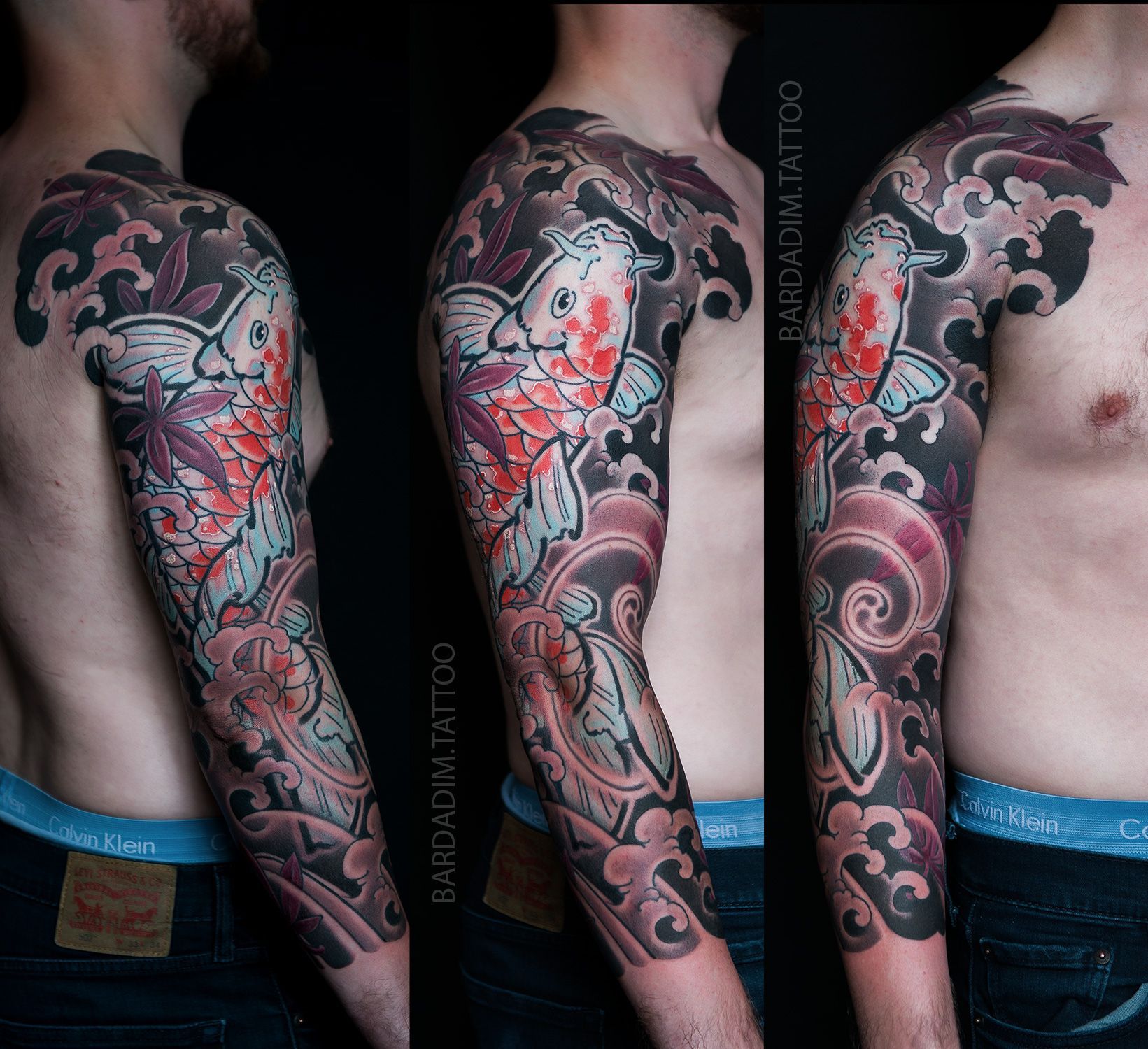
When these two powerful symbols - the red dragon and blue lotus flowers - are combined in a full sleeve Irezumi tattoo, the result is a harmonious blend of cultural heritage and artistic expression. This intricate design not only pays homage to Japanese traditional motifs but also embodies the duality of strength and serenity. The tattoo wearer becomes a canvas, carrying with them the spiritual essence and enduring beauty of these timeless symbols.
In conclusion, the red dragon and blue lotus flower tattoo in Japanese Irezumi art transcends mere aesthetics, delving into the realms of symbolism and cultural meaning. It is a testament to the intricate storytelling and profound wisdom embedded in traditional Japanese artistry. Through these eternal symbols, we are reminded of the delicate balance between power and grace, protection and enlightenment—a narrative woven into the very fabric of existence.
Embrace the journey of self-discovery and enlightenment through the indelible art form of Irezumi, where each stroke of the tattoo needle breathes new life into age-old legends and timeless truths.