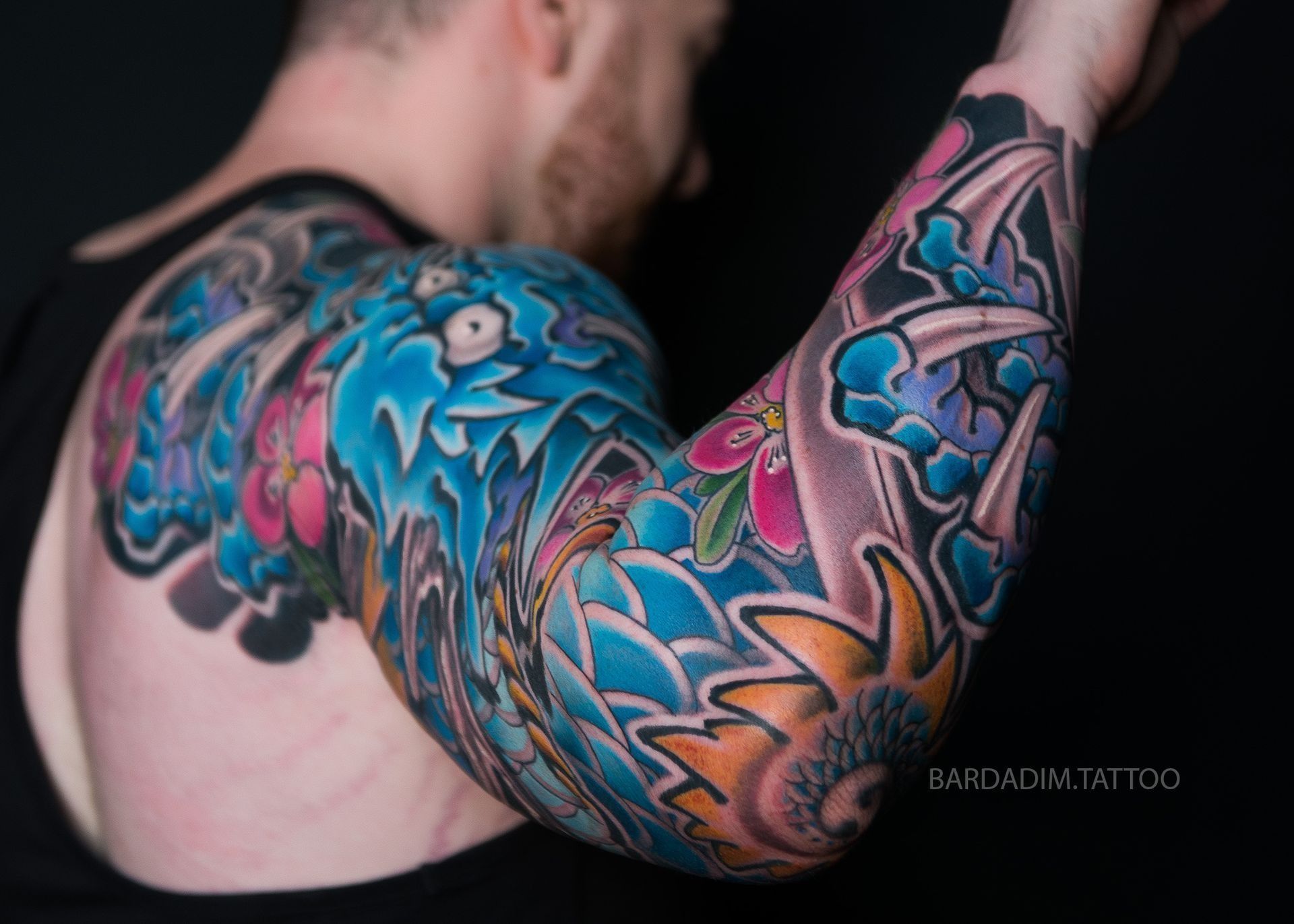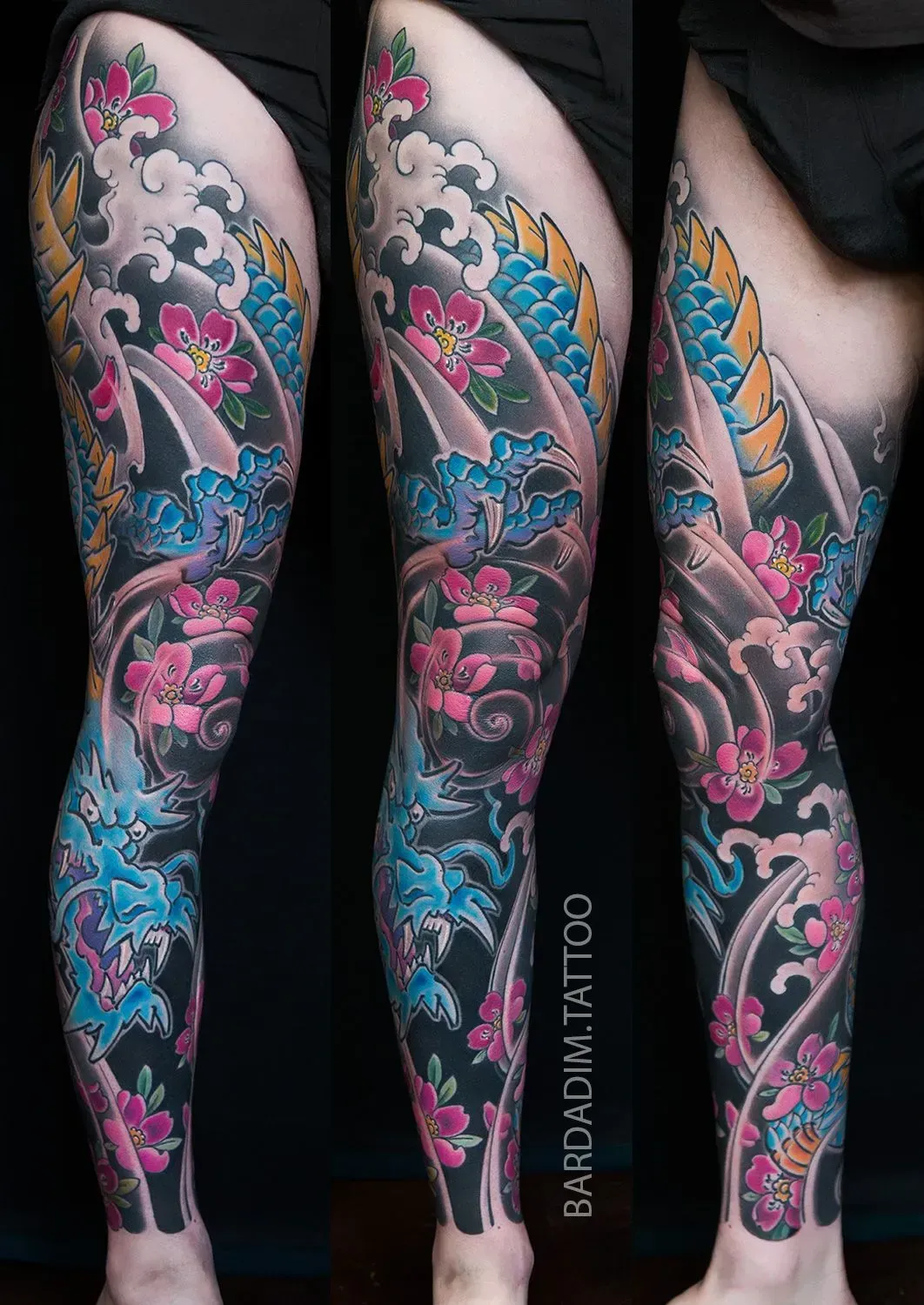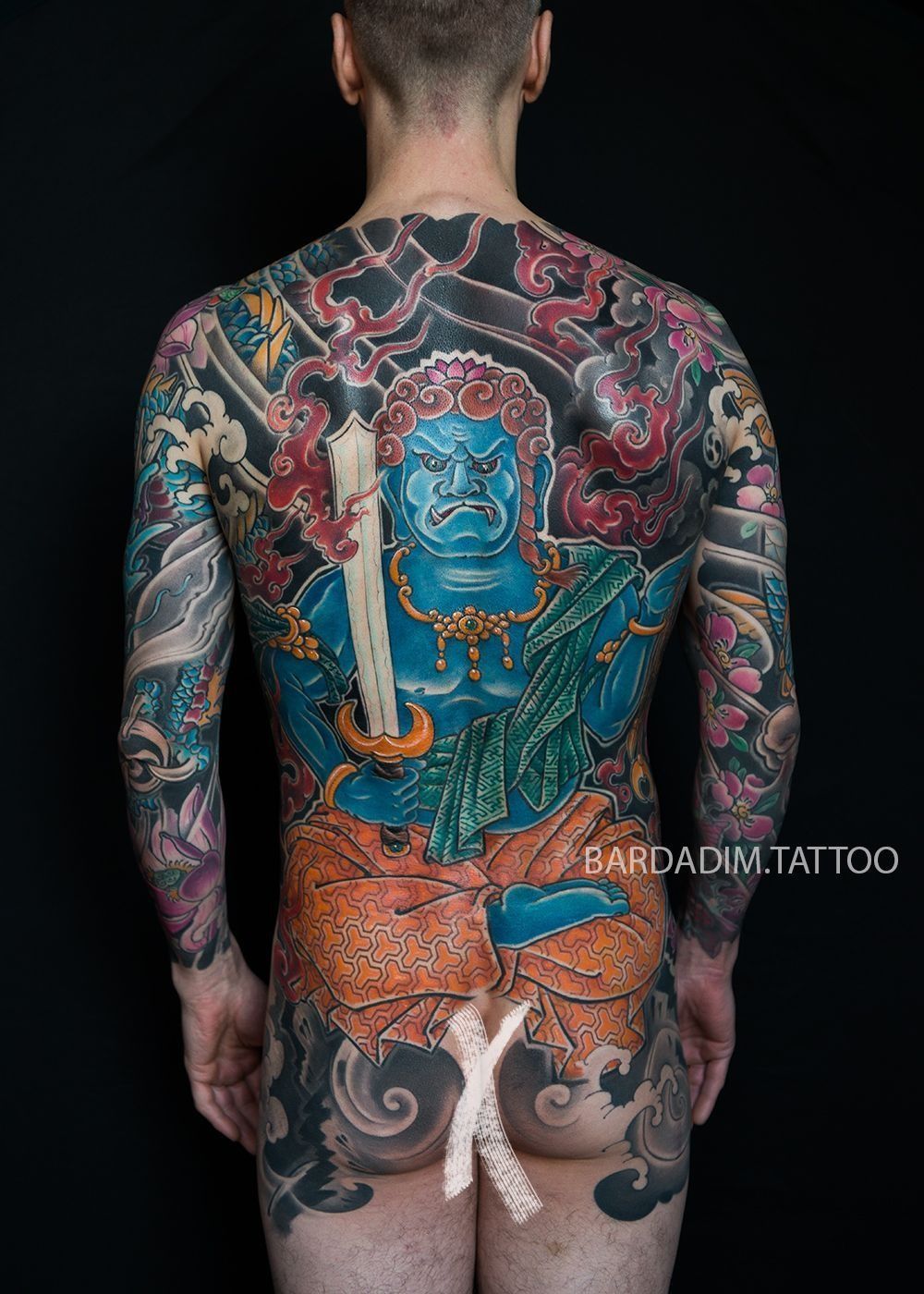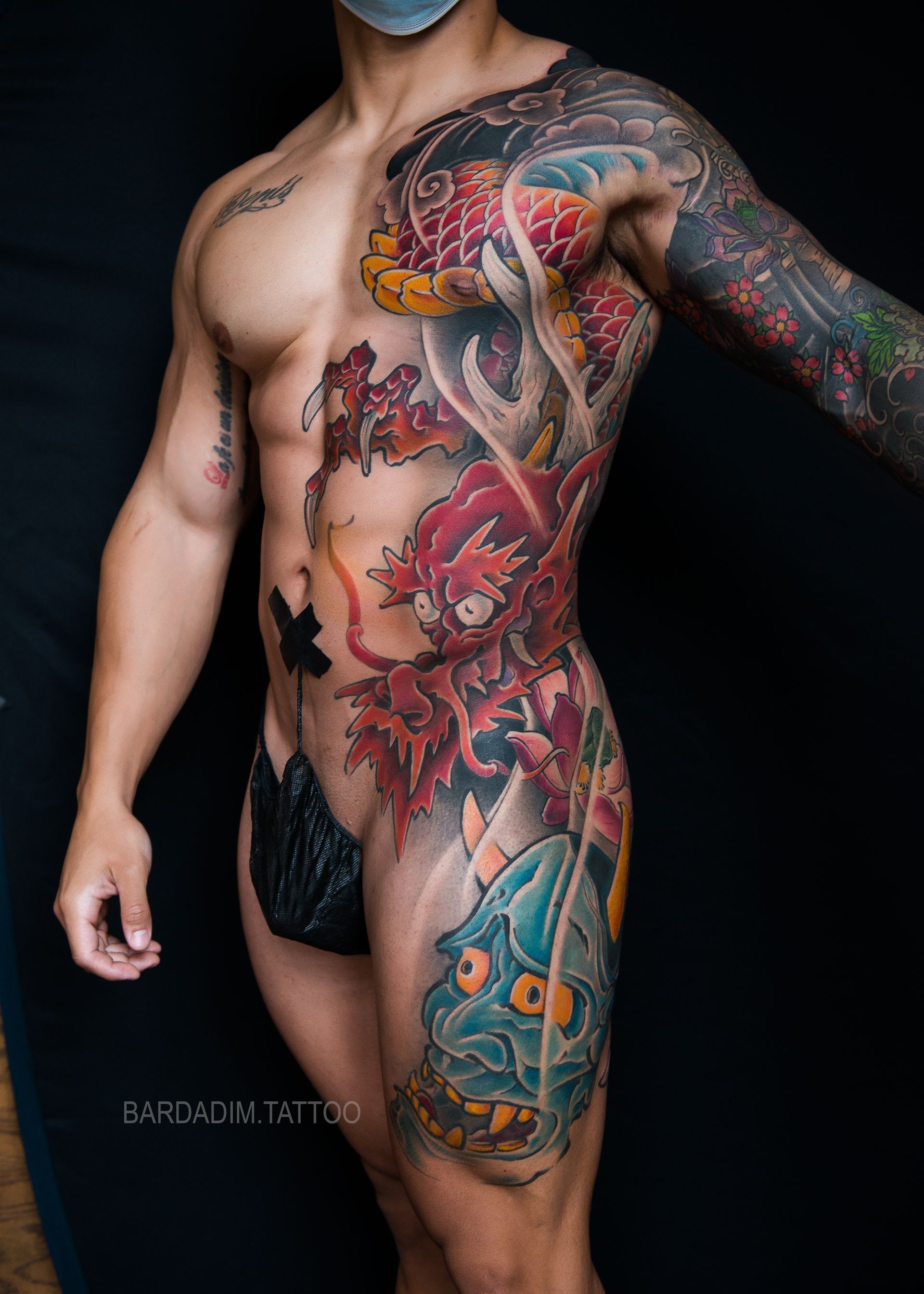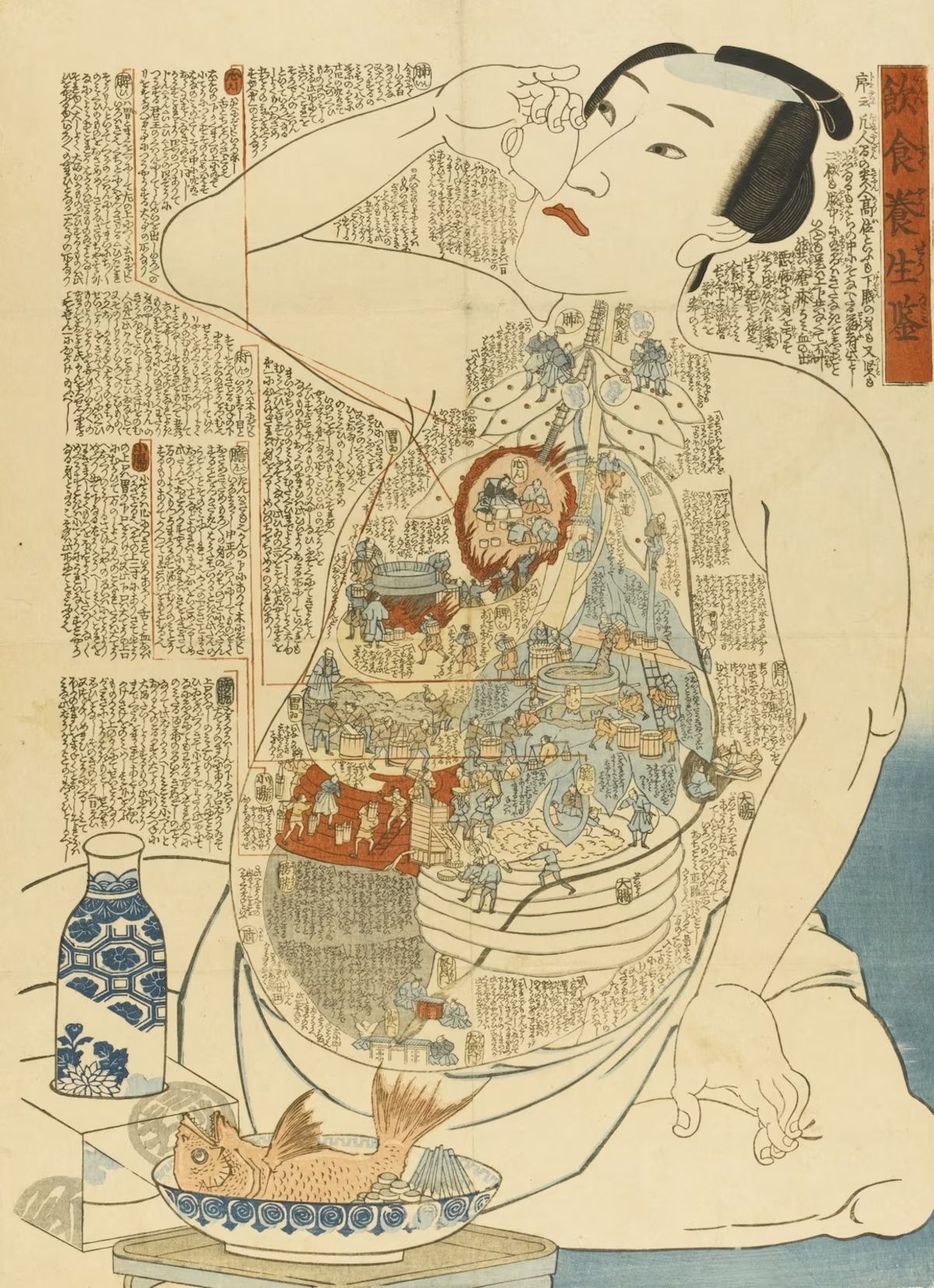
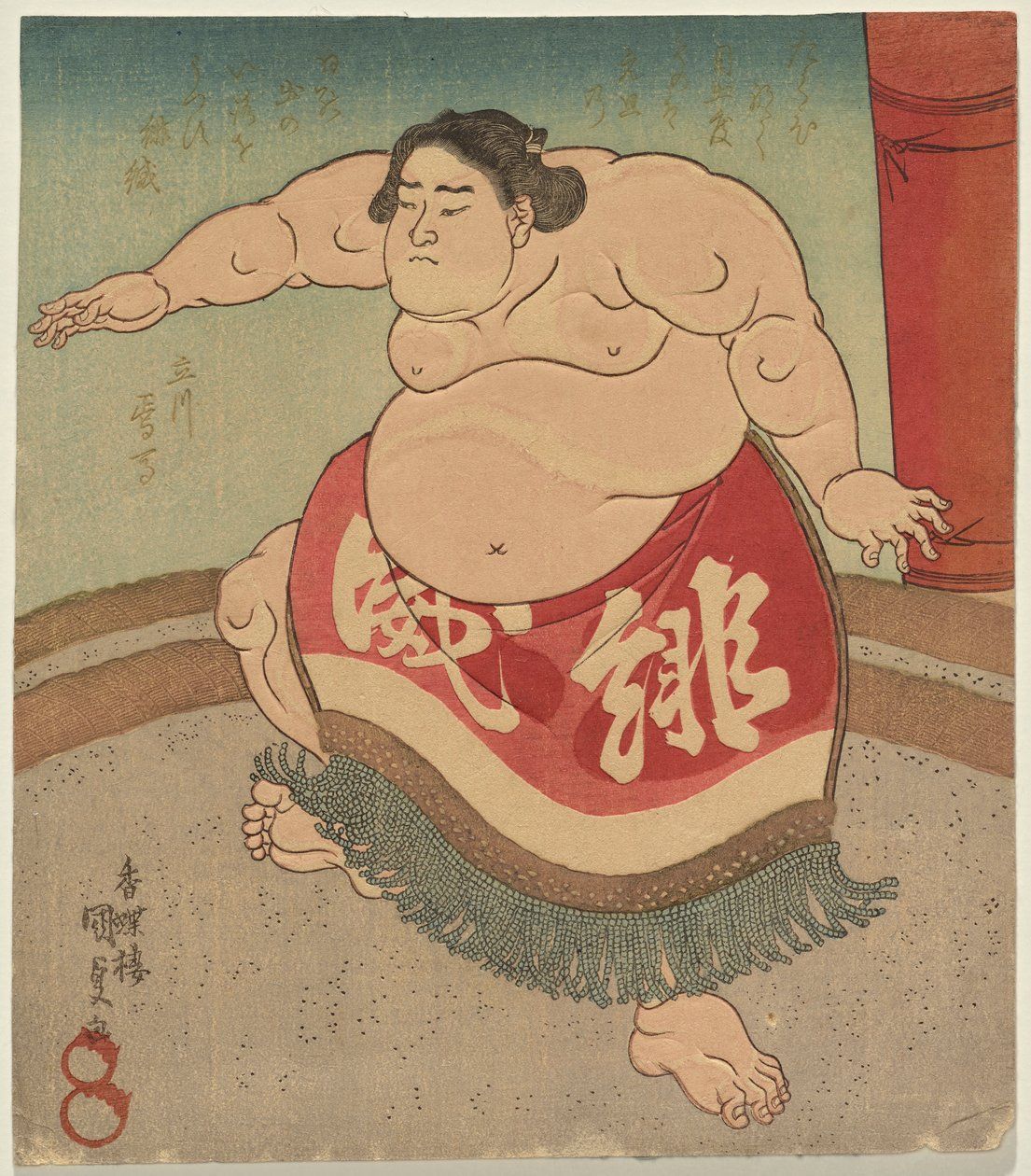


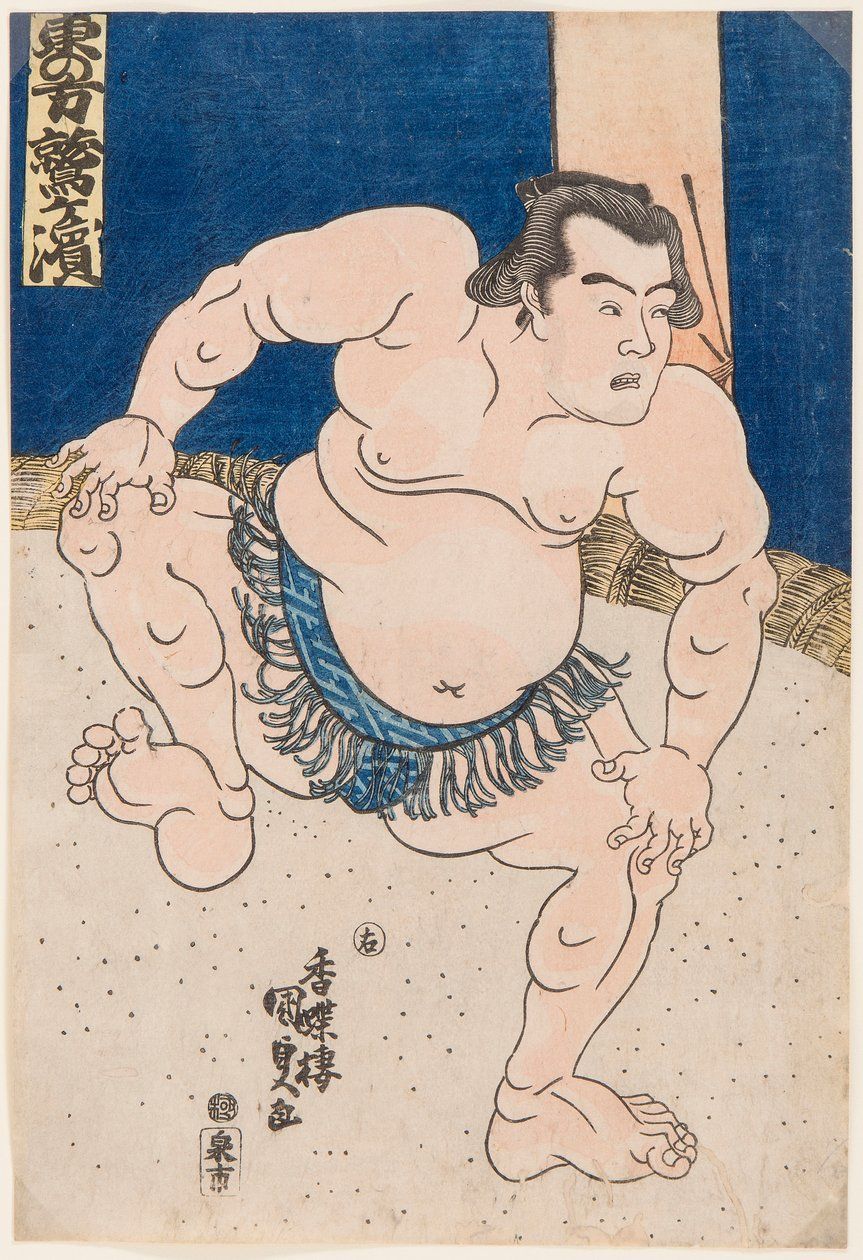
Tattoo session tips for clients with excess weight - practical advice from Bardadim Tattoo on skin preparation, body positioning, and healing for better Irezumi results.
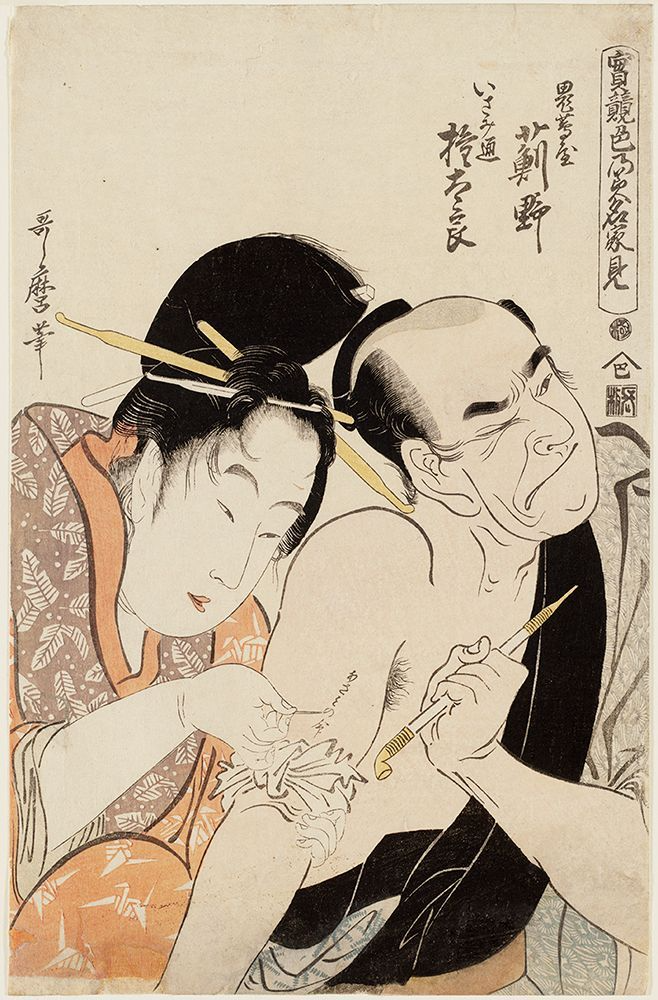
Embarking on a tattoo journey is a profound experience, intertwining art, personal expression, and physical endurance. For those following low-carbohydrate or carnivore diets, there’s an intriguing intersection between nutrition and the tattooing process. Emerging evidence suggests that such dietary approaches may enhance pain tolerance and stabilize energy levels during extended tattoo sessions. Enhanced Pain Tolerance Low-carbohydrate and ketogenic diets have been associated with reduced inflammation and oxidative stress, factors that can influence pain perception. A study highlighted that these diets might improve chronic pain by targeting nervous system sensitivities. ® Additionally, research indicates that ketogenic diets can induce hypoalgesia, leading to increased pain thresholds. ® For individuals undergoing tattoo sessions, this could translate to a more comfortable experience, as the body’s heightened pain threshold may better accommodate the discomfort associated with tattooing. Stable Energy and Reduced Hunger Cravings Maintaining consistent energy levels is crucial during lengthy tattoo sessions. Low-carb diets, rich in proteins and fats, provide sustained energy, minimizing blood sugar fluctuations that often lead to hunger pangs. This macronutrient composition promotes satiety, reducing the likelihood of sudden hunger during critical moments. Moreover, the inclusion of low-carb, high-protein snacks, such as hard-boiled eggs and string cheese, can further enhance satiety and provide essential nutrients. ®  Practical Considerations for Tattoo Sessions For those adhering to low-carb or carnivore diets and planning extended tattoo sessions, consider the following: • Pre-Session Nutrition: Consume a balanced meal rich in proteins and healthy fats before your appointment. This ensures sustained energy and satiety. • Hydration: Adequate water intake is essential. Proper hydration supports overall well-being and can influence pain perception. • Snack Wisely: Bring low-carb snacks to your session. Options like olives, string cheese, or jerky can provide quick nourishment without disrupting ketosis or low-carb adherence. ®  Incorporating a low-carbohydrate or carnivore diet may offer benefits beyond general health, potentially enhancing the tattooing experience through improved pain tolerance and stable energy levels. As always, it’s advisable to consult with healthcare professionals before making significant dietary changes, especially when preparing for procedures that challenge the body’s endurance and resilience.

1. Initial Care: • Keep the bandage on until the next morning. • If you think it may come off while sleeping, remove it before bed or as soon as you notice it has loosened. 2. First Wash: • Gently remove the bandage under warm running water to prevent sticking and damage to the tattoo. • Wash the tattoo with unscented soap and warm water to remove blood, plasma, and excess ink. • Pat dry with a clean paper towel and allow the tattoo to air dry for 5-10 minutes. 3. Moisturizing: • Apply a thin layer of the recommended lotion (find below) to keep the skin hydrated. • Ensure the lotion is fully absorbed and does not leave a greasy residue. • If you notice any blood after applying lotion, gently dab it away with a clean paper towel—do not rub. 4. General Healing Care: • Do not re-bandage the tattoo. • Moisturize 3-4 times daily throughout the healing process. • Allow the tattoo to peel naturally—do not pick, scratch, or force any flakes off. • Avoid soaking the tattoo in water for at least two weeks—no swimming, baths, hot tubs, or saunas. • Stick to quick showers and avoid excessive soap on the tattooed area until peeling is complete. 5. Sun Protection & Long-Term Care: • Avoid all sun exposure during the healing process by keeping your tattoo covered. • Even after healing, protect your tattoo from direct sunlight and always use sunblock to maintain its vibrancy. • Avoid shaving or waxing over the tattoo until it is fully healed. 6. When to Reach Out: • If you experience any unusual reactions (such as excessive redness, swelling, or discharge), contact us immediately. • We are here to answer any concerns—don’t hesitate to reach out! Your tattoo is your responsibility once you leave the studio—treat it with care to keep it looking its best for years to come.