Tattoos and Immune system

George Bardadim • 1 May 2020

Tattoos and Immune system? Is there any connection? I hear this question here and there, but now (April 2020) especially.


I really hate the idea of manipulating and fear-mongering on Covid19 subject, but I can’t stop thinking about current situation which is indicating that our body is extremely vulnerable and we are too relaxed thinking that medical and pharmaceutical systems are always there to save us if needed. Well, as we all can see now, unfortunately, not always. There are amazing doctors and nurses, but our health condition sometimes just doesn’t make their job easier. Just think about it – 86% of patience had comorbidities! 


I believe that our health is our responsibility. It’s time to understand the basics: it’s a MINDSET! No excuses and no rules (therefore no cheating), but lifestyle and lifestyle choices. Which are also have huge impact on tattooing (process itself and healing), that’s why we always speak about it with our clients/collaborators!


Here are the 4 pillars of health (they are all connected and affect one another):


  1. Balanced and tailored nutrition- food is information, every thing we eat becomes our cells and hormones – us. It’s a chain reaction, which can be beneficial or destructive. So to support your body and reduce inflammation it make sense to eat natural whole foods and avoid “sugars“, processed foods (those with crazy ingredients list), vegetable oils.
  2. Balanced and tailored physical activity. Move!
  3. Sleep hygiene – circadian rhythm . Allow your body to heal itself! The role of melatonin in the regulation of glucose/sugar homeostasis is huge.
  4. Stress management. And here I’d like to speak a little more, as I believe that tattooing is ancient tradition of not just decorating body, but also the way to strengthen both – body and mind.


Please notice, this is my personal observations, I didn’t do any scientific research, although I’ve read a lot. 


There are many practices of stress management: hugs (sounds like a joke right now, I know), yoga, breathing techniques, meditation etc… or more extreme techniques in seeking discomfort: the situations where we teach our body and mind to deal with extreme and trigger specific responses, for example, exposure to cold or hot temperatures.


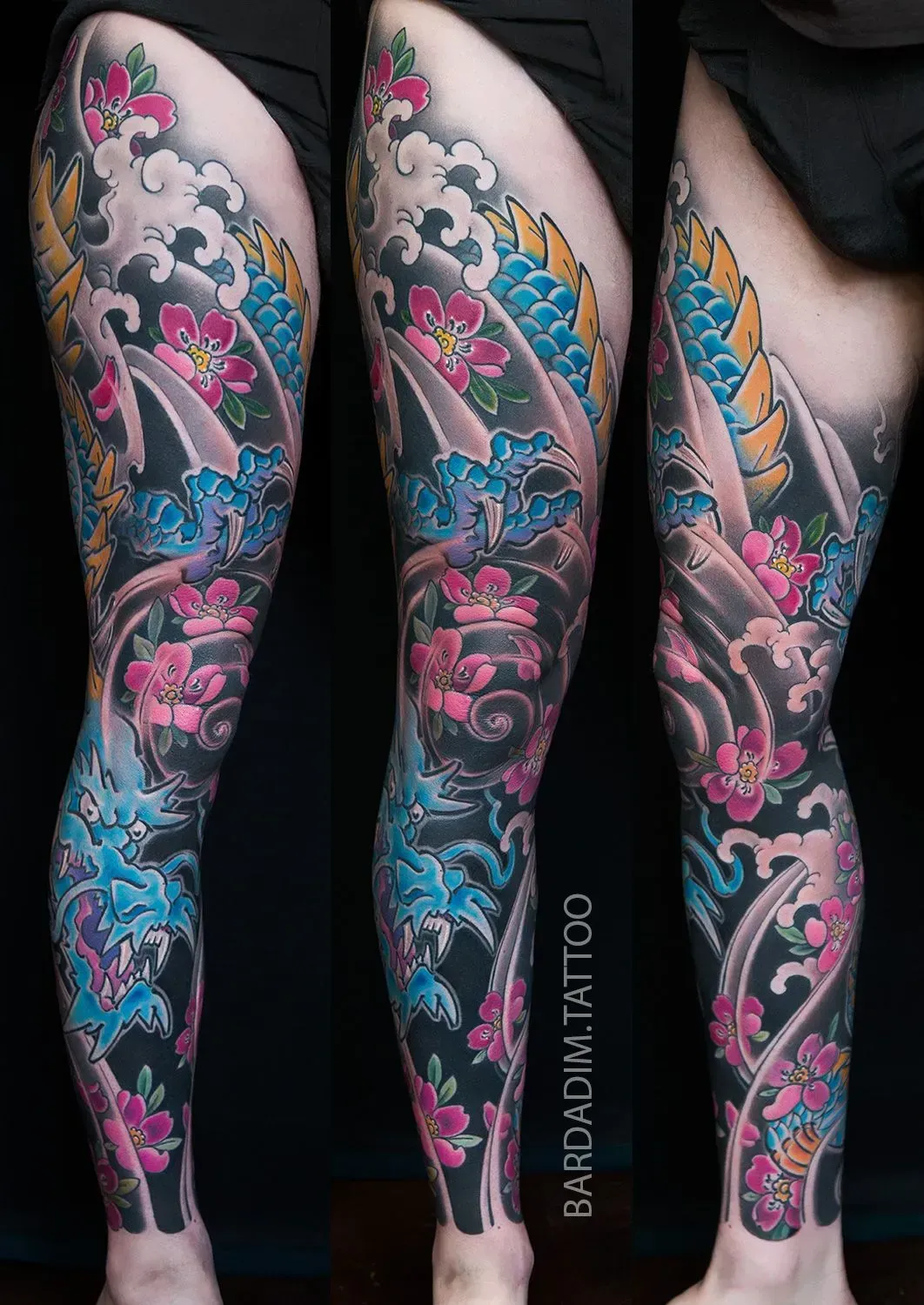
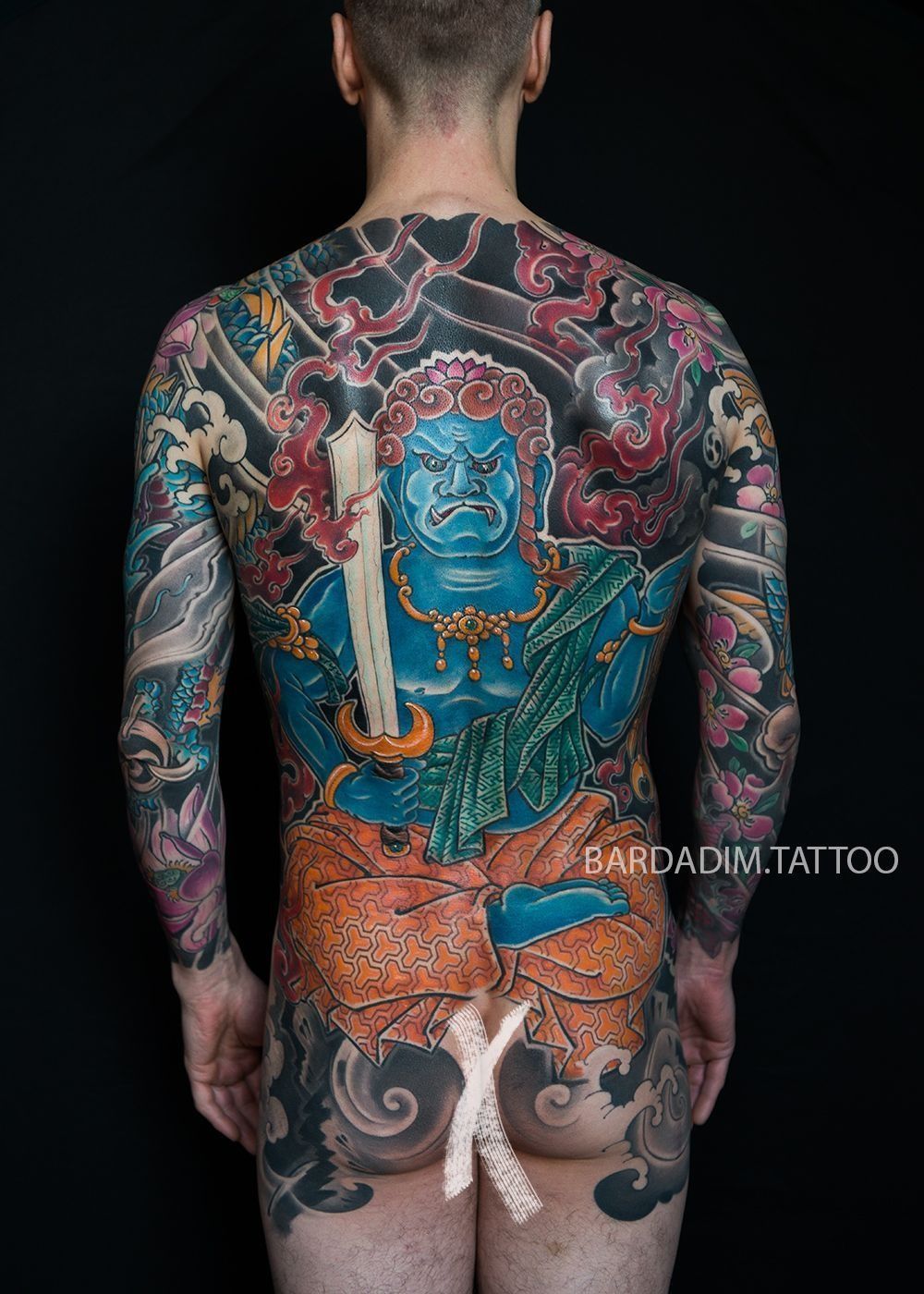
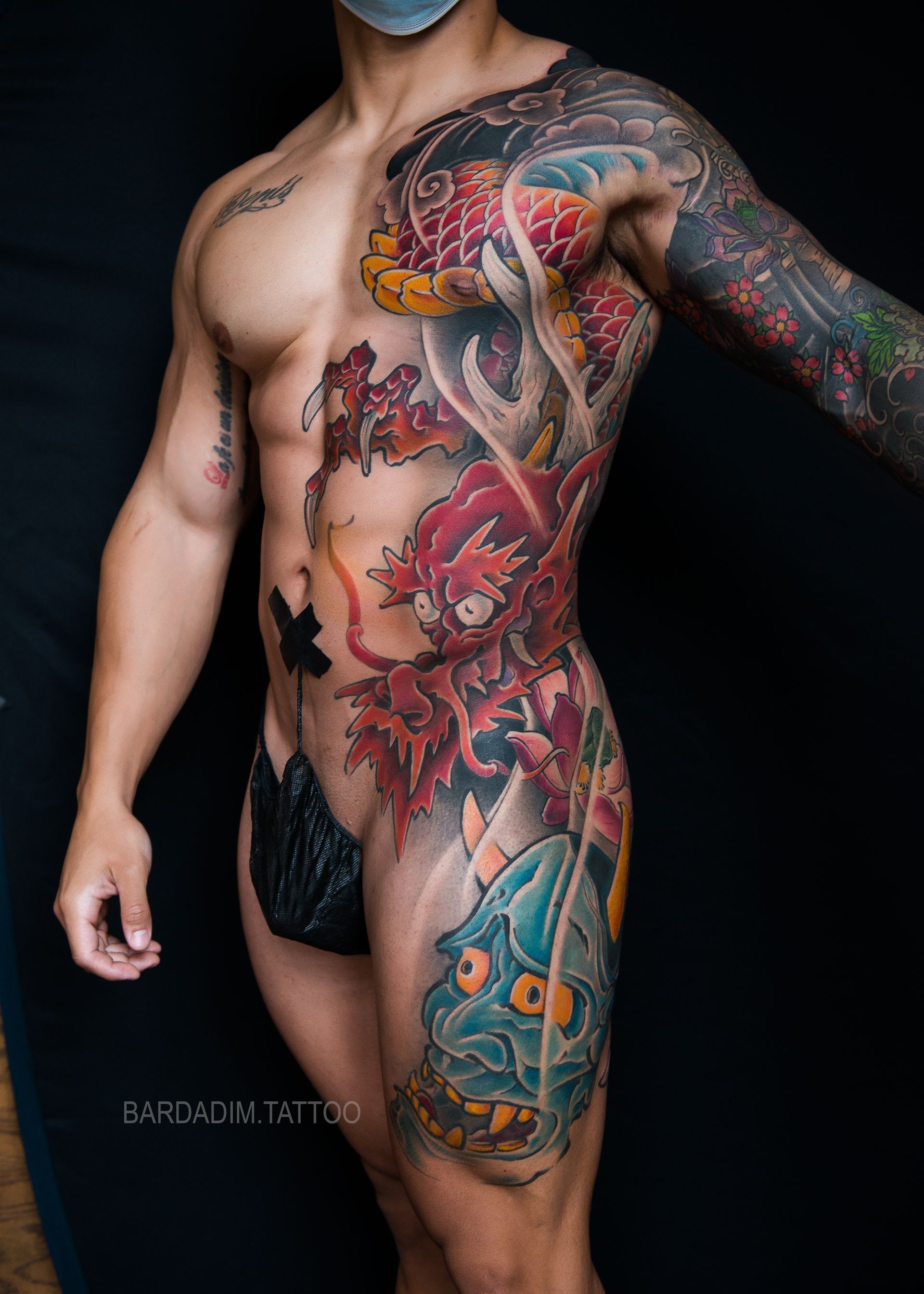
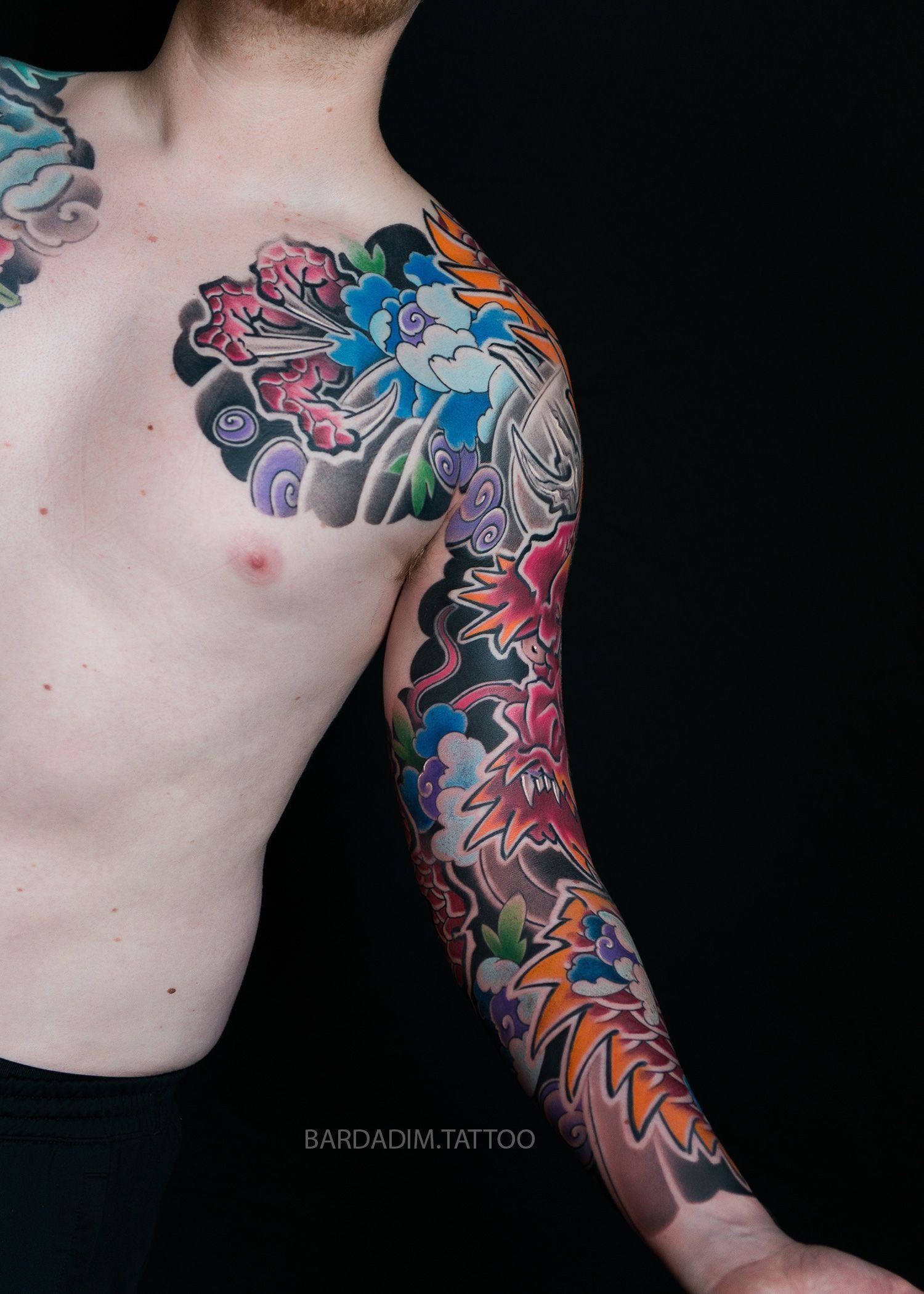
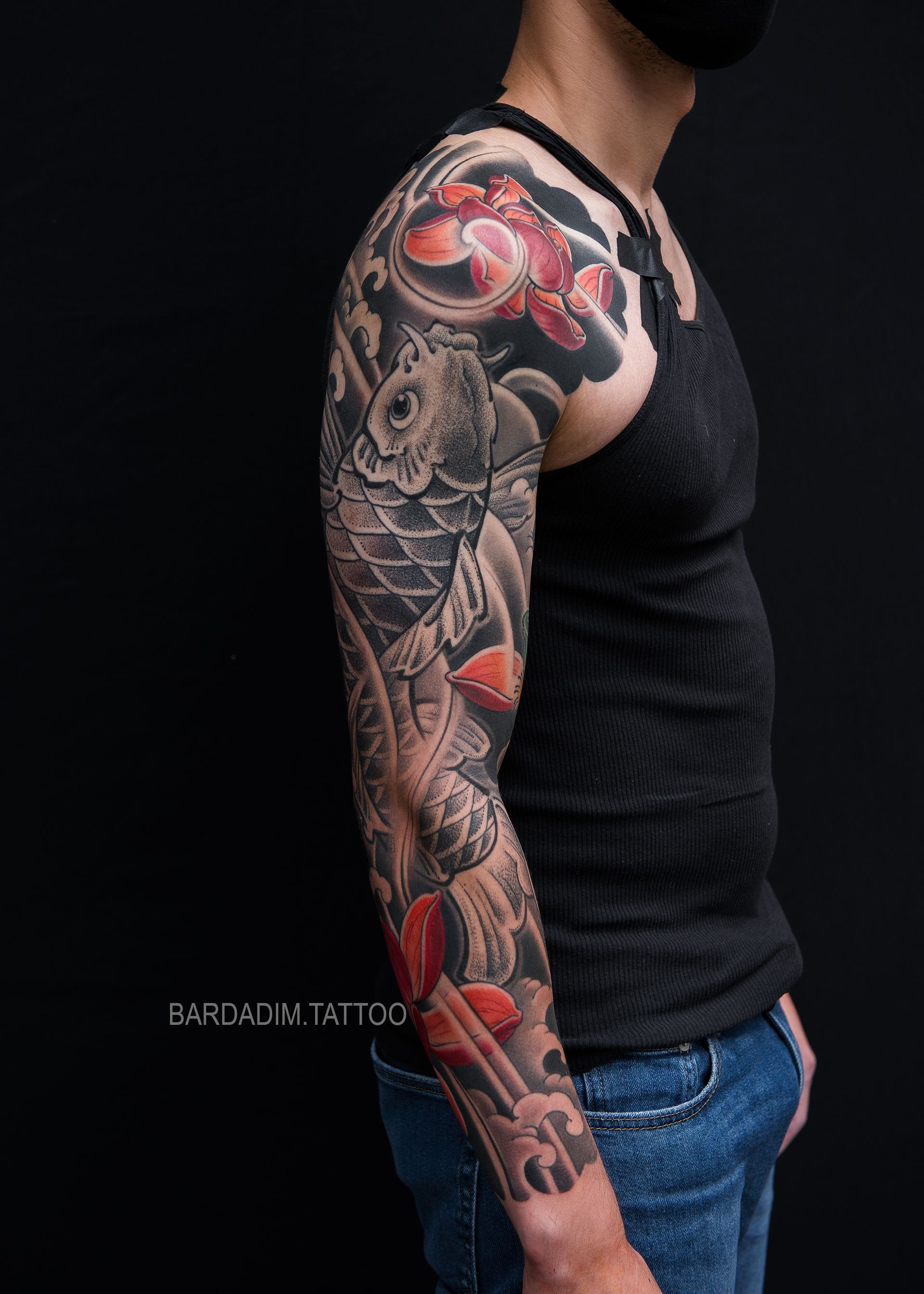
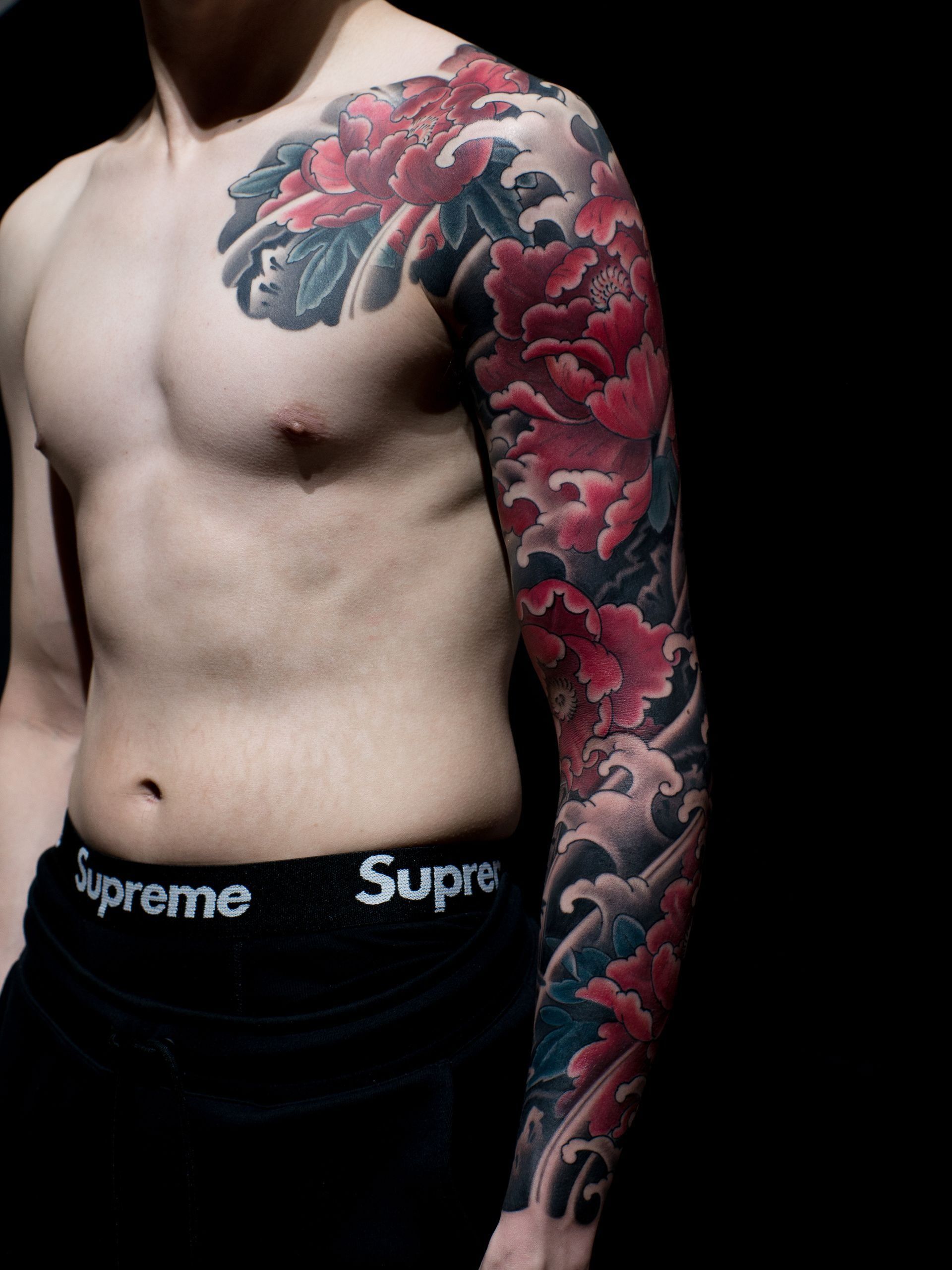
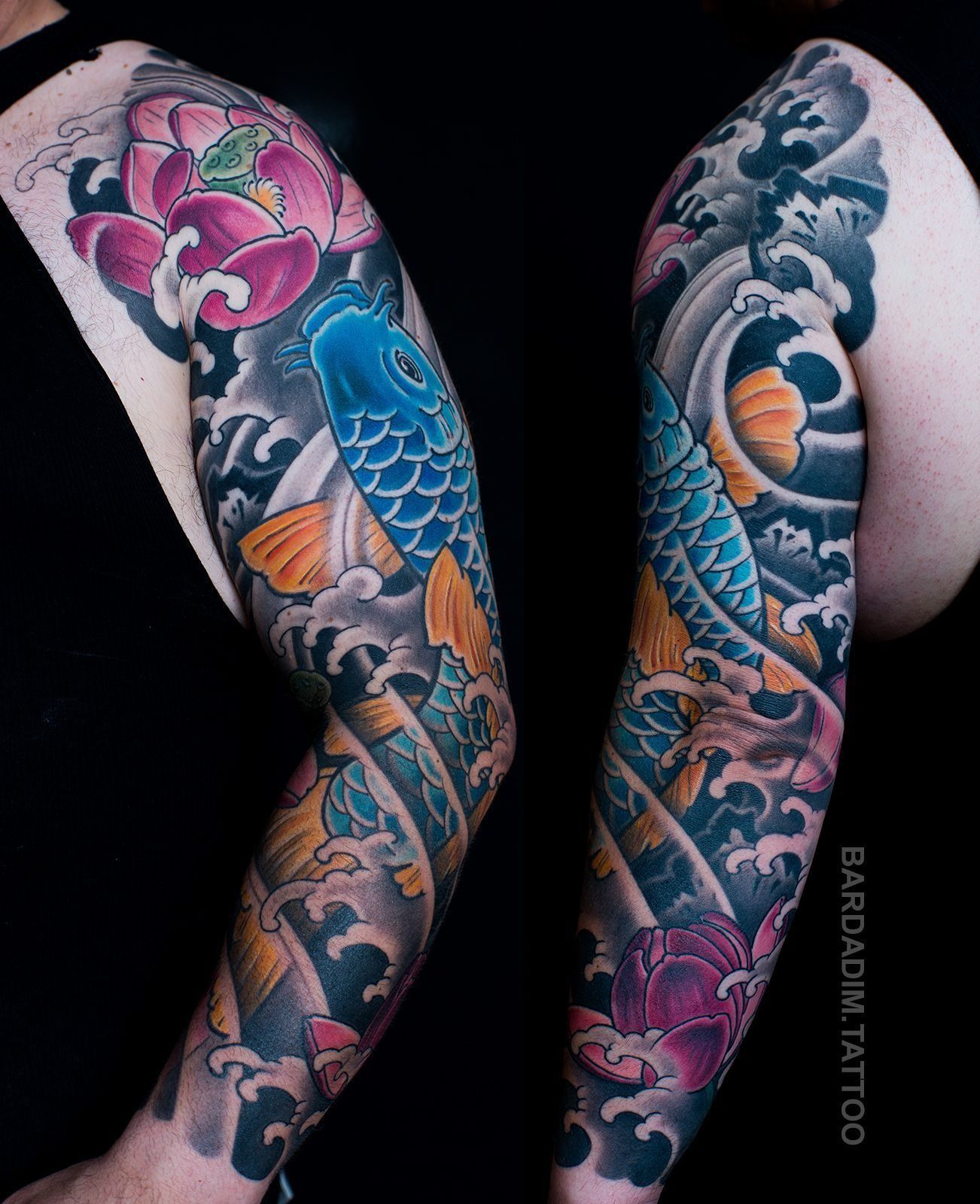
I believe that tattooing (large scale, which requires many sessions and if done properly!!) is one of those extreme techniques that allow human body and mind to learn: 


a) how to deal with pain and not turn it into suffering. 

b) how to deal with inflammation – anti-inflammatory response and quality of healing.

c) how to deal with all the hormones that our body start to pump out during the process: yes, dopamine and endorphin (thats why with small tattoos it can be irrational/emotional and we wanna do it again and again). 

d) how to deal with stress hormones like cortisol and adrenaline. Even toughest felt dizziness on the first sessions, why? Cortisol is best known for it’s involvement in the “fight-or-flight” response and temporary increase in energy production (blood pressure and sugar), at the expense of processes that are not required for immediate survival (for example digestive system)… 


So, if we are stressing out, plus not eating properly, no wonder we can feel dizzy being on sugar rollercoaster. But with right nutrients, good sleep, and adequate breath work… with every new session our body gets adopted to stress, whether it’s cold, heat, sports or pain (which, of course, must be moderated! its a controlled stress).

Our bodies need cortisol to survive, but too much cortisol over a prolonged period of time, when we stress out for any reason or without, will compromise our health and eventually might lead to insulin resistance and diabetes. Thats why we need to learn how to manage stress.

   There are many articles about tattoos and boosting the immune system response, and there are many controversial opinions. I guess our immune system is very complicated to be improved only by tattooing:) But from personal experience I can tell that seriously tattooed people I had a chance to work with have few things in common: perfect healing, pain tolerance, low bleeding, ability to sit for long hours without being too excited or/and stressed out. Also those who have ever sat in tattoo chair for more than 4-5hours know how mentally challenging it is, especially realizing that you gonna have to do it again… and again.

   Im not expecting that tattoos will protect from catching a virus or so, but I’d like to think that story about samurais in ancient Japan were getting tattooed in order to teach their body (and mind) to be stronger is true. And Im sure adding some Whole Natural foods in nutrition, some good sleep, activity and meditation/breathwork will change a lot!

Be well and remember about the importance of choices we make!

Let the Way flow onward:

From The Healing Way

“Healing is the quiet echo of creation.”

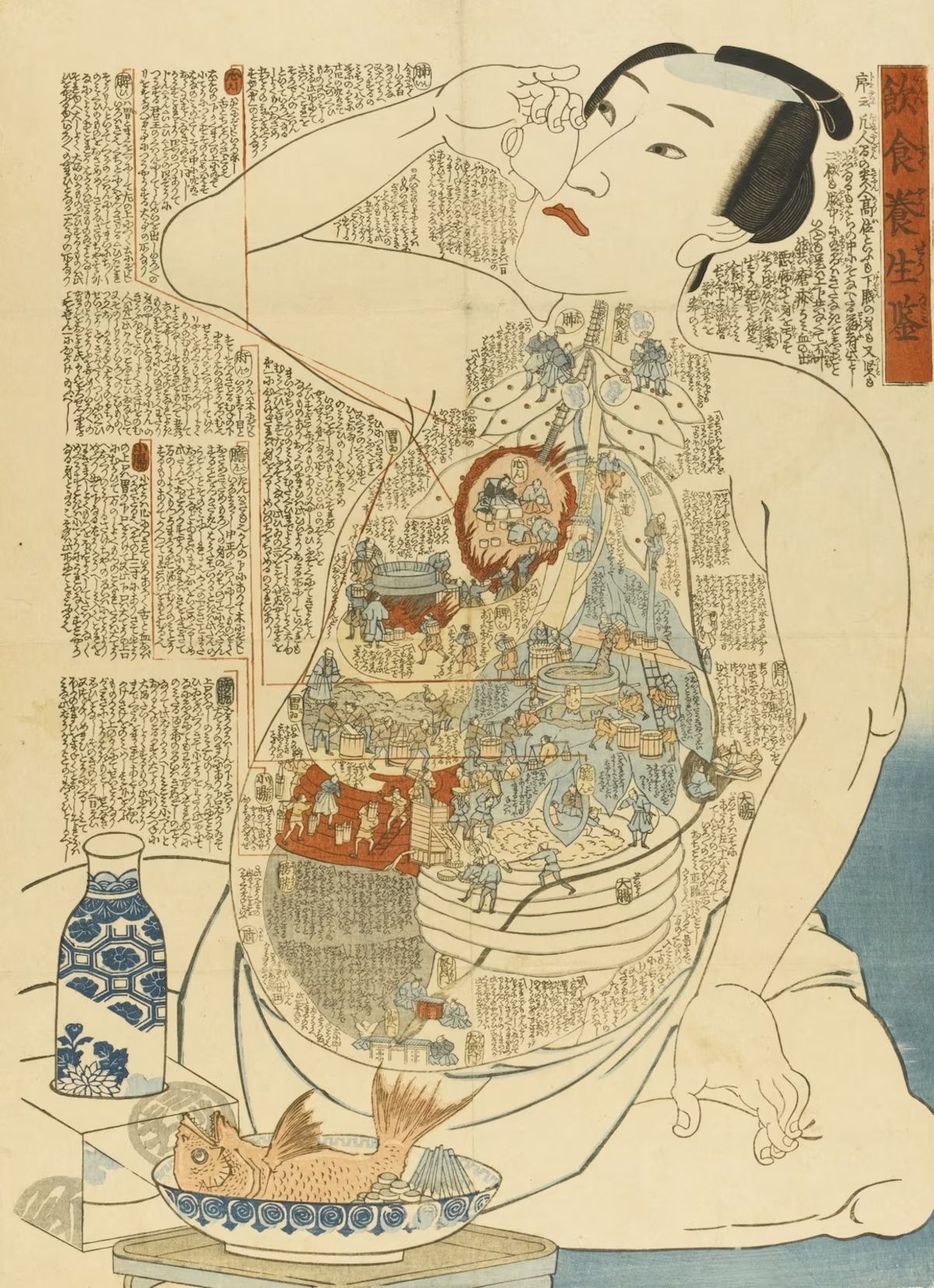
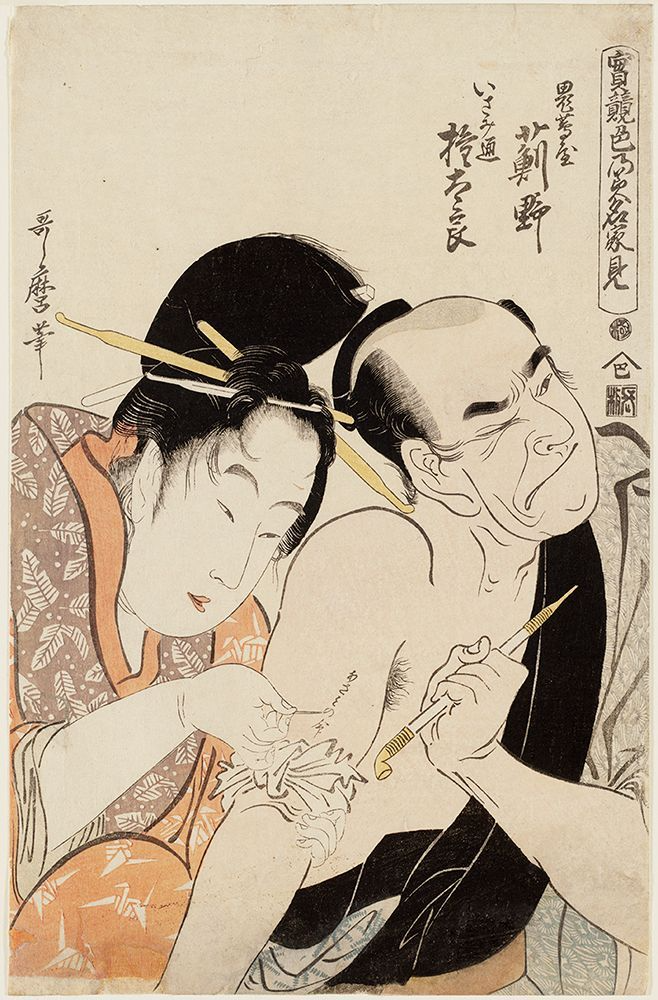
Man drinking with visible tattoos, fish on plate, bottle beside him. Japanese print.
by George Bardadim 16 July 2025
Tattoo session tips for clients with excess weight - practical advice from Bardadim Tattoo on skin preparation, body positioning, and healing for better Irezumi results.
Pain Tolerance
by George Bardadim 14 May 2025
Embarking on a tattoo journey is a profound experience, intertwining art, personal expression, and physical endurance. For those following low-carbohydrate or carnivore diets, there’s an intriguing intersection between nutrition and the tattooing process. Emerging evidence suggests that such dietary approaches may enhance pain tolerance and stabilize energy levels during extended tattoo sessions. Enhanced Pain Tolerance Low-carbohydrate and ketogenic diets have been associated with reduced inflammation and oxidative stress, factors that can influence pain perception. A study highlighted that these diets might improve chronic pain by targeting nervous system sensitivities. ® Additionally, research indicates that ketogenic diets can induce hypoalgesia, leading to increased pain thresholds. ® For individuals undergoing tattoo sessions, this could translate to a more comfortable experience, as the body’s heightened pain threshold may better accommodate the discomfort associated with tattooing. Stable Energy and Reduced Hunger Cravings Maintaining consistent energy levels is crucial during lengthy tattoo sessions. Low-carb diets, rich in proteins and fats, provide sustained energy, minimizing blood sugar fluctuations that often lead to hunger pangs. This macronutrient composition promotes satiety, reducing the likelihood of sudden hunger during critical moments. Moreover, the inclusion of low-carb, high-protein snacks, such as hard-boiled eggs and string cheese, can further enhance satiety and provide essential nutrients. ®  Practical Considerations for Tattoo Sessions For those adhering to low-carb or carnivore diets and planning extended tattoo sessions, consider the following: • Pre-Session Nutrition: Consume a balanced meal rich in proteins and healthy fats before your appointment. This ensures sustained energy and satiety. • Hydration: Adequate water intake is essential. Proper hydration supports overall well-being and can influence pain perception. • Snack Wisely: Bring low-carb snacks to your session. Options like olives, string cheese, or jerky can provide quick nourishment without disrupting ketosis or low-carb adherence. ®  Incorporating a low-carbohydrate or carnivore diet may offer benefits beyond general health, potentially enhancing the tattooing experience through improved pain tolerance and stable energy levels. As always, it’s advisable to consult with healthcare professionals before making significant dietary changes, especially when preparing for procedures that challenge the body’s endurance and resilience.
Tattoo
by George Bardadim 1 September 2023
1. Initial Care: • Keep the bandage on until the next morning. • If you think it may come off while sleeping, remove it before bed or as soon as you notice it has loosened. 2. First Wash: • Gently remove the bandage under warm running water to prevent sticking and damage to the tattoo. • Wash the tattoo with unscented soap and warm water to remove blood, plasma, and excess ink. • Pat dry with a clean paper towel and allow the tattoo to air dry for 5-10 minutes. 3. Moisturizing: • Apply a thin layer of the recommended lotion (find below) to keep the skin hydrated. • Ensure the lotion is fully absorbed and does not leave a greasy residue. • If you notice any blood after applying lotion, gently dab it away with a clean paper towel—do not rub. 4. General Healing Care: • Do not re-bandage the tattoo. • Moisturize 3-4 times daily throughout the healing process. • Allow the tattoo to peel naturally—do not pick, scratch, or force any flakes off. • Avoid soaking the tattoo in water for at least two weeks—no swimming, baths, hot tubs, or saunas. • Stick to quick showers and avoid excessive soap on the tattooed area until peeling is complete. 5. Sun Protection & Long-Term Care: • Avoid all sun exposure during the healing process by keeping your tattoo covered. • Even after healing, protect your tattoo from direct sunlight and always use sunblock to maintain its vibrancy. • Avoid shaving or waxing over the tattoo until it is fully healed. 6. When to Reach Out: • If you experience any unusual reactions (such as excessive redness, swelling, or discharge), contact us immediately. • We are here to answer any concerns—don’t hesitate to reach out! Your tattoo is your responsibility once you leave the studio—treat it with care to keep it looking its best for years to come.
Read More …